
How to Keep a Wedding Low Cost: Practical Ways to Save
You keep a wedding low cost by setting a firm spending cap, trimming your guest list, and directing money toward the parts of the day you value most. When you plan around a clear budget, you can make thoughtful choices that keep your celebration personal and affordable.
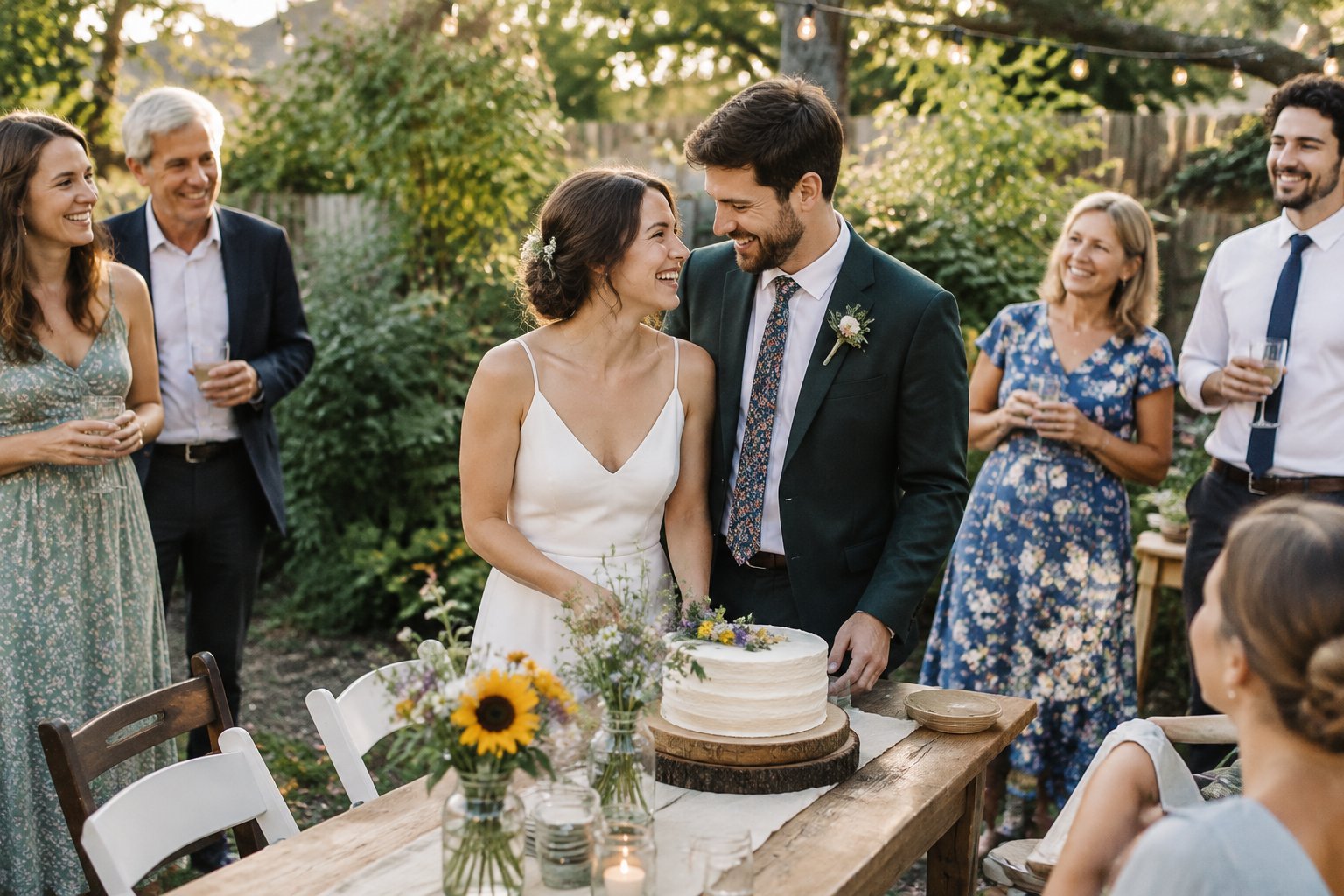
Start by talking with your partner about what you can comfortably spend without taking on debt. Write down that number, then use it to guide each booking and purchase.
Set a Realistic Budget Before You Book
A realistic wedding budget starts with the maximum you can spend and a clear plan for tracking every expense. Your guest count and venue shape many of the costs, so estimate those early and leave room for fees that appear after you receive a quote.

Your wedding budget breakdown should reflect your priorities, not a fixed formula. Compare full costs, including taxes, service charges, rentals, and transportation, as you make your wedding planning decisions.
How Do You Set a Firm Spending Cap?
Add up the money you and your partner can set aside, along with any family contributions you have confirmed. Treat possible gifts or future savings as separate until you know the amount and timing. If relatives are contributing, agree on expectations and decision-making before you accept the money.
List each expected cost in a spreadsheet or budget tool, then record quotes, deposits, and payments as they come in. Set aside a reserve for unexpected wedding expenses, such as extra rental needs or vendor overtime. For a practical starting point, learn how to make a realistic wedding budget before you contact vendors.
Which Wedding Expenses Have the Biggest Impact?
Your guest count affects several costs at once: food, drinks, invitations, seating, and the size of your wedding venue. Venue and catering costs also take up a large share of many budgets, so compare the full package before you commit. A lower rental fee may come with extra charges for tables, chairs, linens, staff, or cleanup.
Use your budget breakdown to rank what matters most to you. You might put more toward photography and keep flowers simple, or choose a comfortable meal and scale back on decorative details. This approach helps you allocate your wedding budget with intention and reduces the risk of spending too much on one item early.
Can a Wedding Planner Help You Save?
A wedding planner can help you spot hidden costs, compare vendor quotes, and find options that fit your spending cap. Ask about the planner’s fee and services, then weigh those costs against the time and support you need. A full-service planner is one option; a month-of coordinator or a single planning consultation may suit your budget better.
Choose a Lower-Cost Date and Venue
You can lower venue costs by choosing a less popular date and comparing the full price of each location. A weekday wedding or a simple space with useful amenities can leave more room in your budget for the details you care about.

Ask venues for a written list of what the rental includes, what you must bring in, and which vendors you must use. Compare the total cost, including transportation, rentals, permits, and any required insurance.
Can an Off-Peak Date Lower Venue Costs?
An off-peak wedding date can bring lower rates because venues and vendors have fewer bookings to fill. Ask about Friday, Sunday, and weekday options, along with quieter months in your area. Morning and afternoon events may also come with different pricing.
Before you set a date, check how it affects travel and attendance for the people you most want there. You can compare options with these details about the cheapest day to get married. Confirm the date, hours, cancellation terms, and payment schedule in writing.
What Affordable Venue Alternatives Should You Consider?
A community hall, park, restaurant, or backyard wedding can offer an affordable setting. Check what each space provides, including chairs, restrooms, parking, lighting, and a rain plan. A backyard may have a low rental cost, yet tenting, portable restrooms, power, and delivery fees can raise the final bill.
Look at affordable wedding venues and compare each option with spaces that include staff or rentals. Holding your ceremony and reception at one location can reduce transportation and setup costs. Review local rules for parks and private properties before you book, and check whether wedding insurance is required or useful for your plans.
When Does a Destination Wedding Make Financial Sense?
A destination wedding makes financial sense when the venue and travel costs for you fit your cap, and the smaller guest list suits your plans. Compare lodging, flights, meals, local transportation, and vendor fees with the cost of hosting at home. Share travel expectations early so guests can decide what works for them.
Reduce Guest Costs Without Losing the Personal Touch
A smaller guest list reduces per-person costs and can make your reception feel more personal. You can also choose a shorter event, a brunch wedding, or a cocktail-style reception to shape food and drink costs around the experience you want.
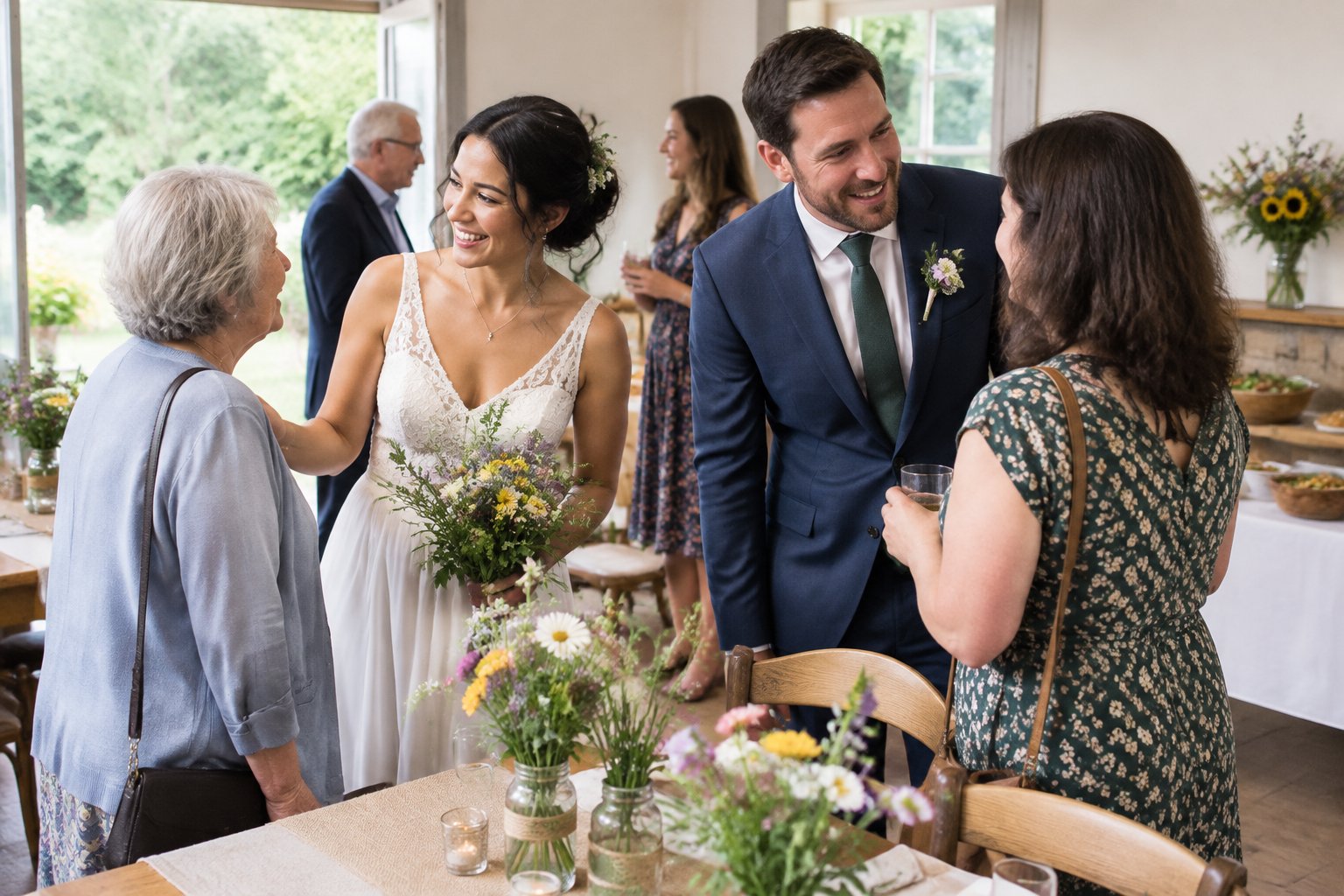
Choose the guests you most want beside you, then build the reception around their comfort. Thoughtful food, warm conversation, and a few personal details can make an intimate wedding feel complete.
How Does a Smaller Guest List Reduce Costs?
Each guest adds to costs for meals, drinks, seating, rentals, and stationery. A smaller group can also let you choose a less expensive venue with a more intimate layout. If you need help setting a limit, these ideas for politely limiting wedding guests can help you communicate your plans clearly.
Make your guest-list rules together and apply them consistently. For example, decide whether you are inviting children or offering plus-ones before sending invitations. That gives you a clear count for quotes and helps avoid last-minute additions that strain your budget.
Can a Brunch or Cocktail-Style Reception Cost Less?
A brunch wedding can cost less when your venue and caterer offer a simpler daytime menu. A cocktail-style reception can also fit a lower budget when you choose filling food and set a clear event length. Ask the caterer how many portions they recommend, what staffing is included, and whether rentals are extra.
Compare menu packages and service fees before choosing a format. These suggestions for keeping wedding food costs down can help you plan a meal that fits your guest count and budget.
Where Can You Save on Drinks, Cake, and Favors?
Limit the bar to beer and wine, or offer one or two signature cocktails with a nonalcoholic option. Check whether your venue allows you to bring your own alcohol, and confirm any service or corkage fees first.
A small display cake paired with sheet cake or a dessert table can reduce dessert costs. A homemade wedding cake can add a personal touch if you have the time and the right help. Wedding favors are optional; if you include them, choose a useful or edible item and set a firm per-guest limit.
Save on Attire, Flowers, and Decorations
You can save on attire, flowers, and decorations by choosing flexible styles and limiting purchases to items guests will notice. Use a mix of simple decor and seasonal blooms, and take on DIY work only when supplies and time fit your budget.

Set a spending limit for each category before shopping. Reuse ceremony flowers at the reception, and choose a venue whose existing look works with your plans.
How Can You Find Wedding Dress Savings?
For wedding dress savings, look at sample sales, rental options, and pre-owned wedding dresses. Ask about alterations, cleaning, shipping, and accessories so you can compare the final cost. A simple dress that needs few changes can keep your attire budget predictable.
You can also shop for shoes and accessories you will wear again. Book alterations early and confirm the tailor’s quote before you buy a dress that needs extensive changes.
Which Wedding Decorations Are Worth Doing Yourself?
Choose DIY wedding projects that are small, simple, and easy to finish before the event. Table numbers, place cards, or a welcome sign can be manageable projects if you already have the tools and supplies. Compare the material cost with the price of buying or renting the finished item.
Large-scale projects can require extra labor, storage, transport, and setup. These wedding decoration ideas on a budget can help you focus on details that fit your style and available time. Arrange a plan for delivery and setup so your wedding party is free to enjoy the day.
How Can Seasonal Flowers Keep Costs Down?
Seasonal flowers cost less when your florist can source them locally and in good supply. Share your color palette and budget, then ask which blooms are in season on your date. Greenery, candles, and a few larger arrangements can create a polished look with fewer stems.
Reuse arrangements from the ceremony at the reception when the layout allows. For more ideas, explore these tips for choosing wedding flowers that suit your season and spending cap.
Cut Paper and Vendor Costs Carefully
You can reduce paper and vendor costs by choosing digital communication and comparing packages line by line. Keep enough budget for skilled professionals and legal requirements, then confirm what each service includes before you sign.
Can Digital Invitations and RSVPs Replace Paper Stationery?
A wedding website can share event details, travel information, and updates in one place. Digital save-the-dates and digital RSVPs can reduce printing and postage costs, while a small batch of printed wedding invitations can serve guests who prefer mail. Check that your online form collects meal choices and any access needs you must share with the caterer or venue.
Keep your design simple and send information early. If you use both paper and digital stationery, make sure the wording and RSVP deadline match.
How Can You Compare Photography and Music Packages?
Compare a wedding photographer’s hours, edited image count, delivery timeline, travel fees, and overtime rate. Ask how the photographer handles backups and what happens if an emergency affects the booking. Choose coverage that captures the parts of the day you value, such as the ceremony and family portraits.
For a wedding DJ, check the package length, equipment, setup needs, and planning support. A shorter reception schedule can reduce coverage costs. Compare written quotes with the same event hours and services so you can see where the price differences come from.
Which Legal and Practical Costs Should You Keep?
Keep money set aside for your marriage license, officiant, tips, delivery fees, and required venue costs. Marriage license fees and application steps vary by state and county, so check the local clerk’s current rules and timing before your wedding date.
Review vendor contracts for deposits, cancellation terms, overtime, and payment deadlines. Track each confirmed expense in your budget as soon as you book. That running total gives you a clear view of what remains for final purchases and keeps your spending cap in reach.