
How to Organize a Wedding: A Simple Guide to Your Dream Day
Organizing a wedding can feel overwhelming, but it doesn’t have to be. Start with a clear vision that reflects your style and theme. Take time to establish your budget, as this will guide your choices throughout the planning process.
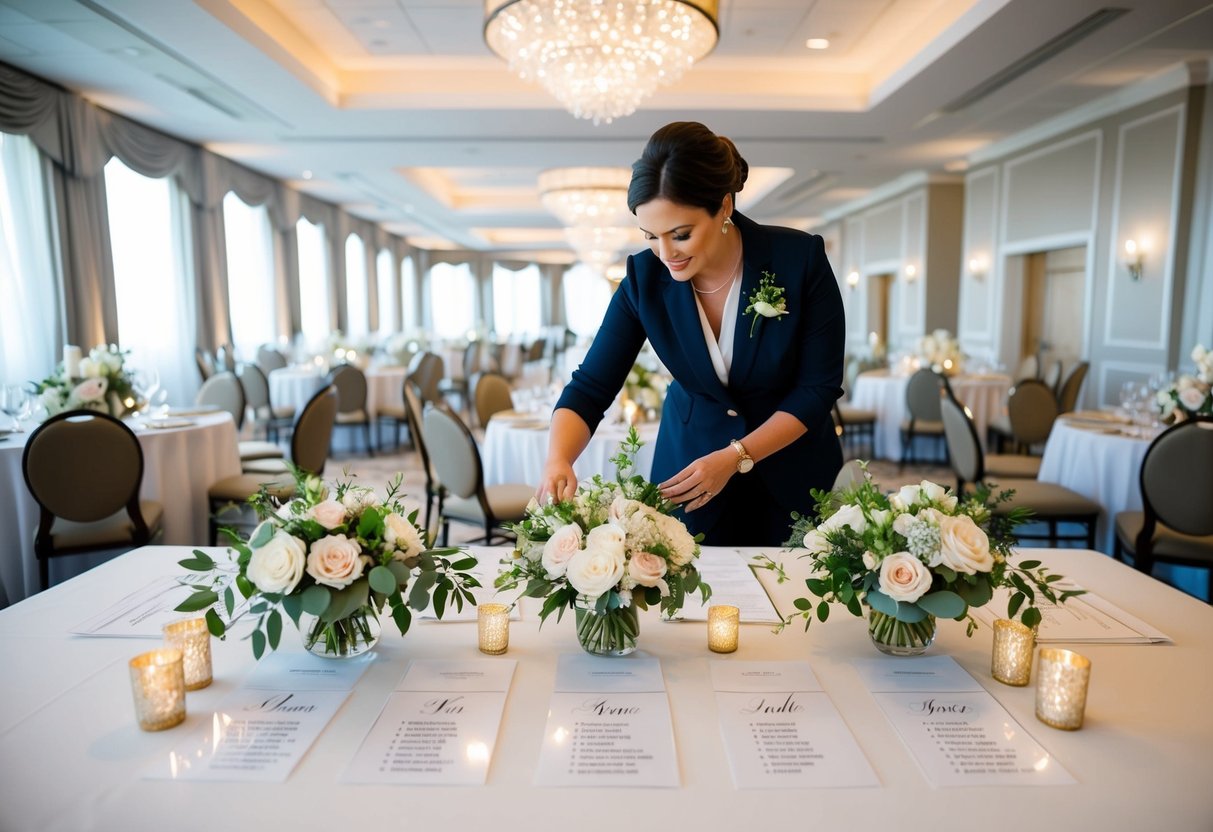
Think about what kind of wedding you want. Do you prefer an elegant event or something more relaxed? Once you have a general theme in mind, you can focus on creating a wedding planning checklist. This list will help you stay on track and ensure you cover all important aspects, from selecting a venue to choosing vendors.
Remember, this day is about celebrating your love, so make choices that feel right for you. With a little organization, you can turn your dream wedding into a reality without the stress.
Setting Your Wedding Budget

A well-planned budget is essential for a successful wedding. This helps you stay organized and make informed decisions about your big day. Understanding your finances and setting clear priorities will guide you in creating a realistic wedding budget.
Determining Financial Contributions
Start by discussing finances with your partner and family. Knowing who is contributing can shape your budget. List all potential sources of funding, including personal savings, family contributions, and any help from friends.
Consider having an open conversation about how much each party is willing to invest. This ensures that everyone’s expectations are aligned, which can reduce stress later. If possible, create a spreadsheet to track contributions and keep everything organized. Clear communication is key!
Allocating Funds Wisely
Once you know your total budget, the next step is to allocate funds based on your wedding priorities. It helps to break down your budget into categories like venue, catering, and decorations.
Identify what matters most to you as a couple. For instance, if having a great photographer is crucial, budget more for that category. Create a table or a list to visualize your spending:
- Venue: 30%
- Catering: 25%
- Photography: 15%
- Flowers: 10%
- Attire: 10%
- Miscellaneous: 10%
Make sure your allocations reflect your values. This approach ensures you invest in what will make your day memorable while keeping your budget on track.
Choosing the Big Day Essentials
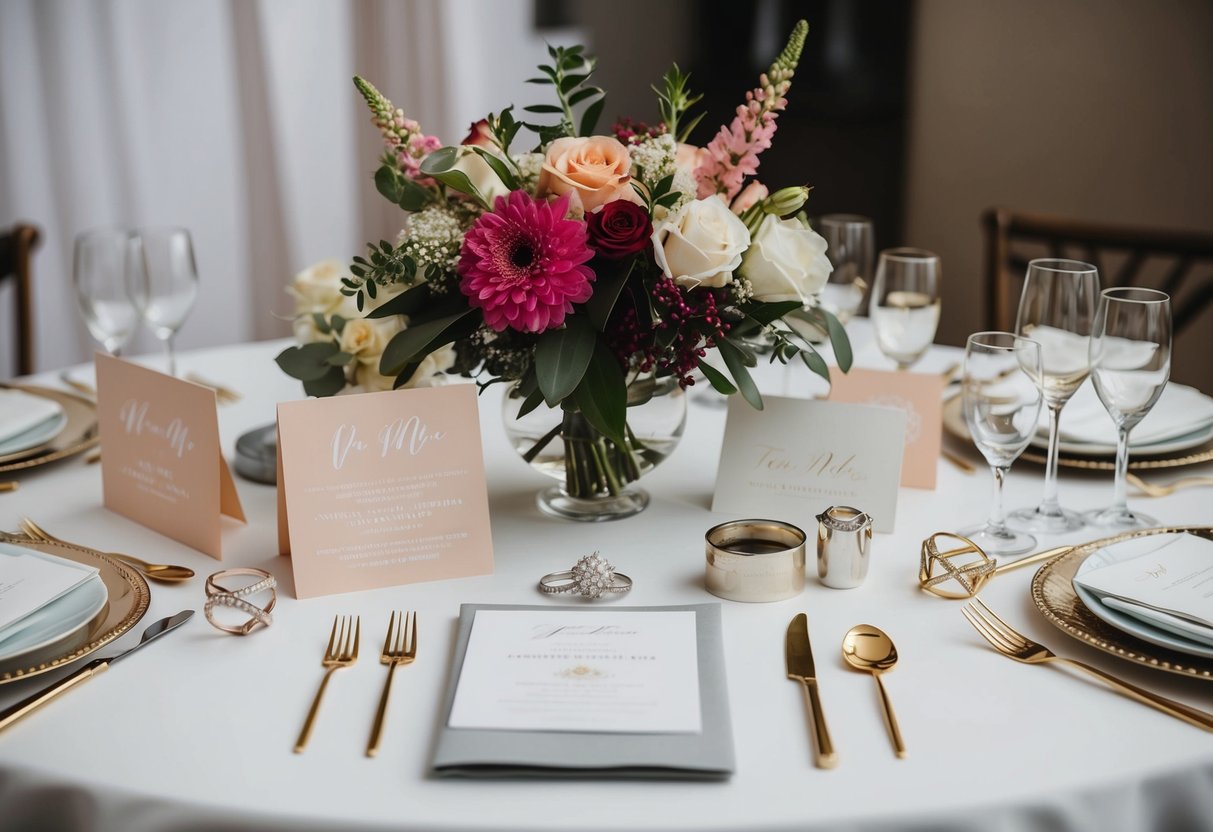
Selecting your wedding date and finding the right wedding venue are two of the most important choices you will make. These decisions shape the feel of your day and set the stage for the celebrations to follow.
Selecting Your Wedding Date
Choosing the right wedding date is crucial. Start by considering any significant dates for you and your partner, such as anniversaries or family events.
Next, think about the season. Spring and fall are popular for good weather, while winter may offer unique charm and festive décor.
Check for any holidays or local events that might affect venue availability or guest attendance. Confirm your date with key family members and friends who are essential to your day.
If you’re considering a destination wedding, research the climate and travel considerations for your chosen location. Once you have a date, don’t forget to book vendors early to secure availability.
Finding the Perfect Wedding Venue
Finding the right venue sets the tone for your wedding. First, decide whether you want an on-site wedding or a venue that requires travel. Both options have unique benefits.
When exploring venue options, consider the style that reflects you as a couple. Is it rustic, elegant, or beachy? Visit several locations to see them in person.
Make a list of your must-haves, such as guest capacity, catering options, and accessibility. Ask about packages and any restrictions or extra fees.
If you have a specific theme, ensure the venue complements it. For destination weddings, evaluate accommodations for you and your guests.
By taking these steps, you can choose a date and venue that truly resonate with your vision for the big day.
Designing Your Wedding Experience
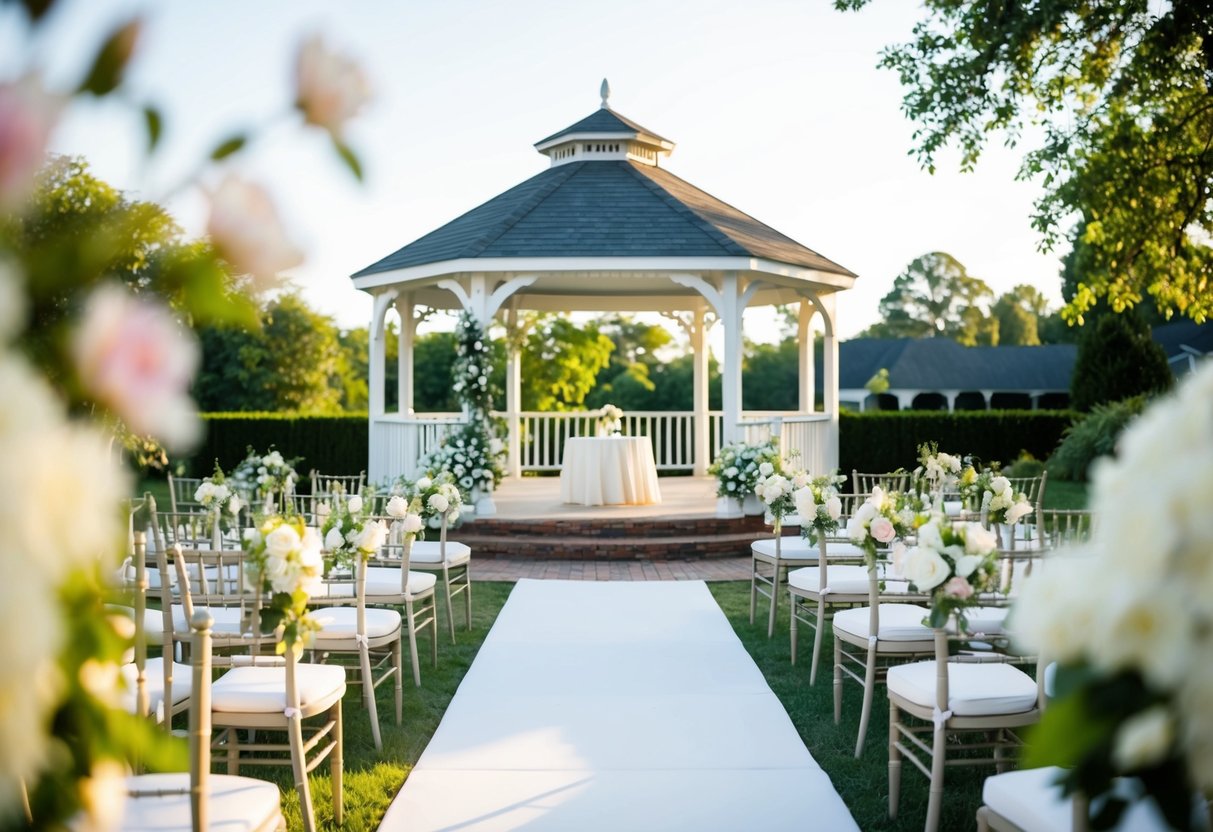
Creating a memorable wedding experience involves careful planning and attention to detail. From choosing a theme to managing your guest list and selecting the perfect attire, these elements work together to reflect your unique love story.
Creating a Theme and Style
Your wedding theme sets the tone for the entire event. Think about what reflects your personality as a couple. Popular themes include rustic, vintage, elegant, or beachy.
Consider these elements when crafting your theme:
- Color Palette: Pick 2-3 main colors that you love.
- Decor: Use items that match your theme, like flowers, centerpieces, and lighting.
- Venue: Ensure the location aligns with your theme. For instance, a garden wedding works well for a romantic theme.
This consistency creates a beautiful atmosphere that your guests will remember.
Sending Out Invitations and Managing the Guest List
Wedding invitations are your first chance to show off your theme. Choose designs that reflect your style, using the same colors and fonts.
When creating your guest list, consider these steps:
- Make a List: Write down everyone you want to invite.
- Prioritize: Split the list into must-invite and optional guests.
- Track RSVPs: Use a spreadsheet to manage who’s coming and who can’t make it.
This organization will simplify the process and ensures you have a clear idea of how many people will attend.
Picking Out Attire and Rings
Selecting wedding attire is exciting but can be overwhelming. Start by deciding on the style for you and your partner. Should it be formal, semi-formal, or casual?
Consider these tips:
- Dress and Tuxedo: Research styles that suit your body type and preferences. Don’t forget the fitting sessions!
- Accessories: Choose items that complement your outfit, like shoes, jewelry, and veils.
Rings are another crucial part of your attire. Think about what metal and style you both prefer. Classic, modern, or unique options are available. Make sure the rings symbolize your love and commitment.
Finalizing Details and Celebrations
At this stage, you’ll focus on the essential services and celebrations leading up to your big day. Hiring the right vendors and planning pre-wedding events can make your wedding experience smoother and more enjoyable.
Hiring Vendors and Setting Up Services
Finding and hiring reliable vendors is crucial for your wedding’s success. Start by determining your budget and researching local options. Key vendors to consider include a wedding planner, photographer, and caterer.
When it comes to the photographer, check their portfolio to ensure their style matches your vision. Don’t forget about hair and makeup artists; schedule consultations to discuss looks that enhance your natural beauty.
It’s also wise to arrange wedding transportation for the couple and invitees. Coordination with venue staff ensures that services run on time. Confirm all details with each vendor to guarantee everyone is aligned on expectations.
Planning Pre-Wedding Events
Pre-wedding events add excitement as you approach your wedding day. Start by planning an engagement party and a bridal shower for more intimate gatherings with friends and family.
Consider a bachelorette party that reflects your style. Discuss the location and activities with your bridal party for a fun outing.
Don’t overlook the rehearsal dinner. It usually takes place the night before the wedding. Choose a venue where you can relax and enjoy the company of close friends and family.
Lastly, if you have out-of-town guests, securing a hotel room block can make their stay easier. A designated block offers comfort and convenience for everyone.