
If I Invite 180 People to My Wedding: Expected Attendance
If you invite 180 people to your wedding, plan for about 135 to 153 guests at a local wedding, using an estimated attendance rate of 75% to 85%.
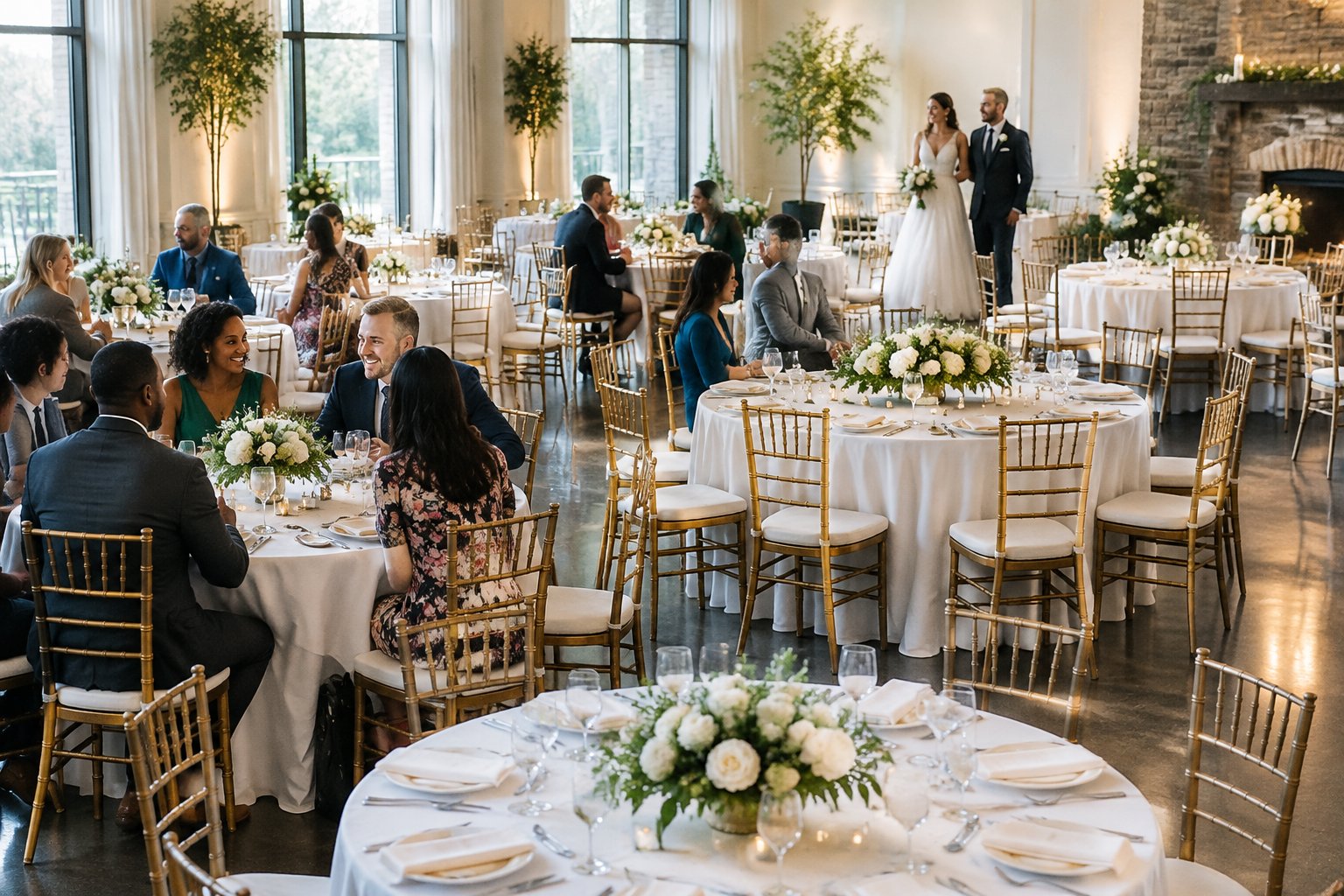
Your final count depends on how many guests live nearby, how close they are to you, and whether travel is part of the plan. Start with a person-by-person wedding guest list and mark who will need to travel. That gives you a useful first estimate for your budget and venue plans.
Quick Estimate: Around 135–153 Guests for a Local Wedding
For a local wedding, a 75% to 85% attendance estimate puts your expected headcount at about 135 to 153 people. Your guest mix and wedding plans can shift that range.
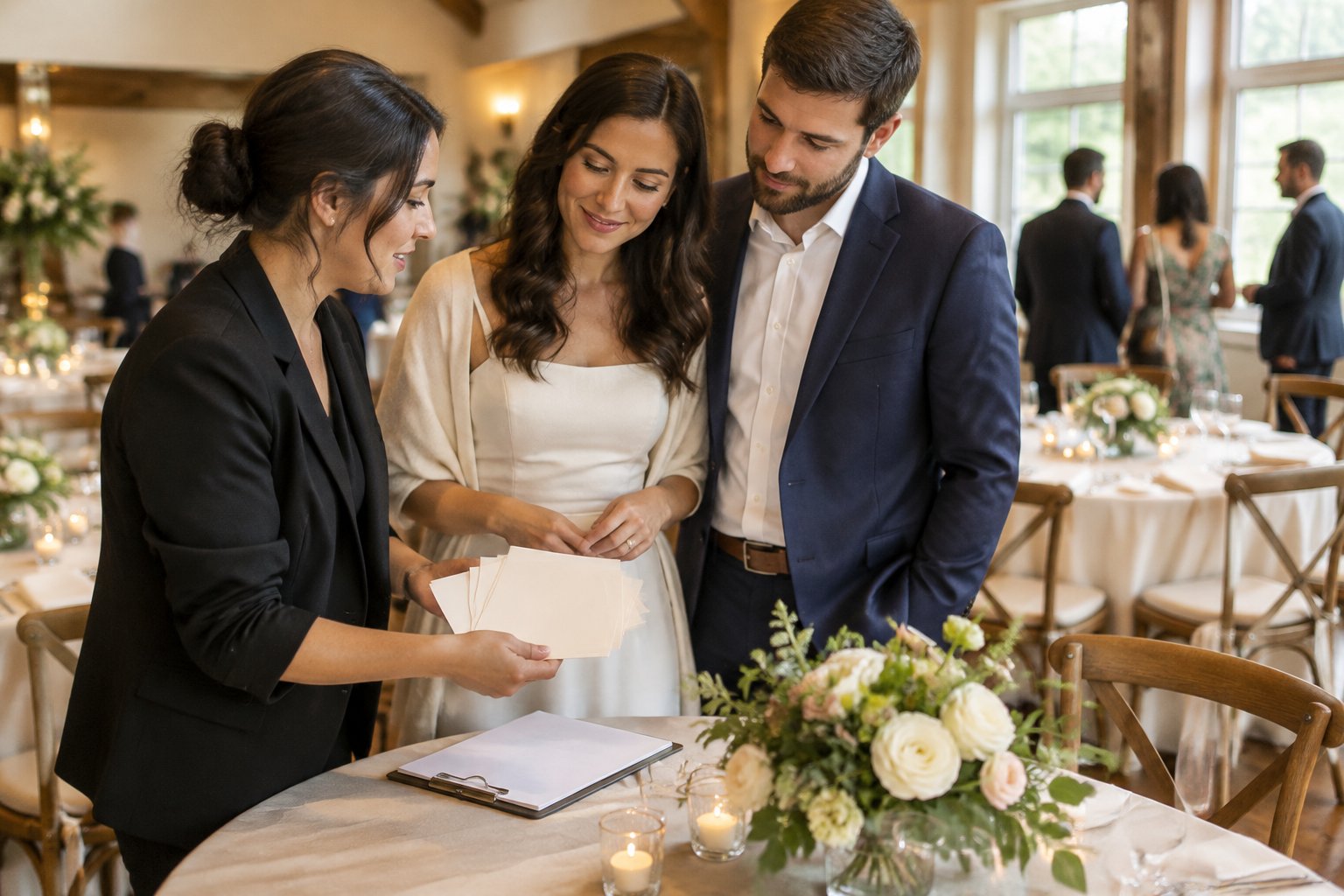
The lower end allows for declines from guests with schedule conflicts or less convenient travel. The upper end fits a list with many nearby guests and close family and friends. You can use the range as an early planning guide, then update it as RSVPs arrive.
What Changes for a Destination Wedding?
A destination wedding often draws a smaller share of invitees because guests need to budget for travel, lodging, and time away from work. With a 50% to 70% attendance estimate, 180 invitations could bring about 90 to 126 guests.
A wedding that is easy to reach, with convenient lodging and clear travel details, may help guests commit. Still, build your early budget around a lower expected headcount if most invitees must travel.
Why This Is a Range, Not a Guarantee
Your wedding’s acceptance rate reflects your specific guest list and date. A list made up mostly of local relatives may land near the high end, while a list with many distant guests may fall lower. You can compare the estimate with guidance on what percentage of invited guests come to a wedding, then adjust it to fit your plans.
The estimate also counts invitations that turn into yes RSVPs. A smaller number of confirmed guests may miss the event because of illness or an emergency, so keep the RSVP count separate from the number you expect to see on the day.
How Do You Calculate Expected Attendance?
Multiply the number of invited people in each guest group by that group’s estimated acceptance rate, then add the results. This gives you a more useful expected attendance figure than applying one rate to every name.

As you build the estimate, count each person on your wedding guest list and make room for plus-ones and children who are invited. You can then revise your forecast as guests respond.
Count People, Not Invitations
An invitation may cover one person, a couple, or a family. If your 180 invitations include households, first count every individual invited. Include each plus-one and child who has a place on the invitation, so your starting wedding guest count reflects the people you could host.
For example, 100 invitations might represent 180 people if many are addressed to couples or families. A clear count of individuals keeps your acceptance rate and expected attendance calculation on track.
Apply Different Acceptance Rates to Guest Groups
Separate your list into groups such as local close family, local friends, and out-of-town guests. Estimate each group’s acceptance rate based on travel distance and how closely you know the invitees. Then multiply each group’s headcount by its rate and add the results. This approach follows the steps in how to estimate how many guests will come.
For instance, if 100 local guests have an estimated 85% acceptance rate, you would expect about 85 yes RSVPs. If 80 traveling guests have a 65% rate, you would expect about 52. Your combined estimate would be 137 guests.
What Can Raise or Lower the RSVP Rate?
Travel demands, the wedding date, and your connection with invitees all shape the RSVP rate. Use those details to adjust your starting estimate for your own wedding.

An estimate based on your guest list gives you a better starting point than a broad average. If you want another reference point, review what the RSVP rate for weddings looks like and compare it with your guest groups.
Travel Distance and Wedding Location
Guests who live nearby can attend without booking a hotel or taking extra days off. Guests who need flights, overnight stays, or complicated transport face more steps and costs, which can lower your acceptance rate.
Include location details and lodging information with your invitation or wedding website. Clear directions and travel plans help guests decide and respond with fewer unanswered questions.
Date, Season, and Guest Relationships
A Saturday date can fit more guests’ schedules than a weekday celebration. Holiday weekends, peak travel periods, and dates that overlap with major events in your circle may reduce attendance.
Your relationships also affect the estimate. Close family and friends have strong reasons to celebrate with you, while distant acquaintances may have competing plans. Consider those ties alongside the calendar when you set your expected attendance range.
How Many Tables and Seats Should You Plan For?
For an estimated 135 to 153 guests, plan roughly 17 to 20 tables if each table seats eight guests. Your venue’s table sizes and floor plan will determine the final arrangement.

Divide your expected headcount by the seats per table, then round up to a whole table. Keep a little flexibility for changes as RSVPs come in and your seating plan takes shape.
Estimate Tables From Your Expected Headcount
For 135 guests at eight seats per table, you need 17 tables after rounding up. For 153 guests, you need 20. If your tables seat 10, the same guest range calls for 14 to 16 tables.
Check how many guests your venue’s tables seat comfortably. You can use the same division method in this guide to estimate tables for 100 guests, then adjust for your own headcount. Add separate seats for the couple, wedding party, or vendors if they will sit at dedicated tables.
Keep Venue Capacity and Budget in Mind
Confirm that your room can fit your expected tables along with the dance floor, bar, and walkways. A venue’s maximum capacity may describe a different setup from a seated dinner, so ask for its seated layout and table plan.
Each additional guest can affect your catering and rental costs. Use the expected attendance range for early budget planning, then update the plan when confirmed RSVPs give you a clearer number.
How Should You Update Your Count as RSVPs Arrive?
Track invitations, yes RSVPs, and expected day-of attendance as separate figures. That record helps you see what is confirmed and what still needs follow-up.
Set an RSVP deadline and check your list regularly so unanswered invitations do not get lost.
Separate Invitations, Yes RSVPs, and Actual Attendance
Keep a record of everyone invited, each guest who accepts, and each guest who declines. Follow up with people who have not replied before treating their silence as a final answer. A friendly reminder can help you close the gap; these tips on what to do if guests don’t RSVP offer practical next steps.
A yes RSVP is your best basis for planning the final headcount, though illness or emergencies can still change attendance. Keep a small amount of seating flexibility for late changes.
Give Vendors Your Confirmed Final Count
Send your caterer and venue the confirmed headcount by the deadline in your contract. Ask each vendor when they need the final number, since deadlines vary. Include vendor meals if your photographer, planner, or entertainment team will eat during the reception.
Update your seating chart and rental plan to match the confirmed count. If guests change their response after your deadline, check with your vendors before changing the order.