
Intimate Wedding Reception Venues for Small Celebrations
For a small guest list, intimate wedding reception venues such as private restaurants, inns, gardens, and cabins give you a welcoming setting where you can spend time with each guest. A compact celebration also gives you room to choose a distinctive space and add personal details that suit your style. If you’re still shaping your guest list, learning what an intimate wedding means can help you set a clear direction.
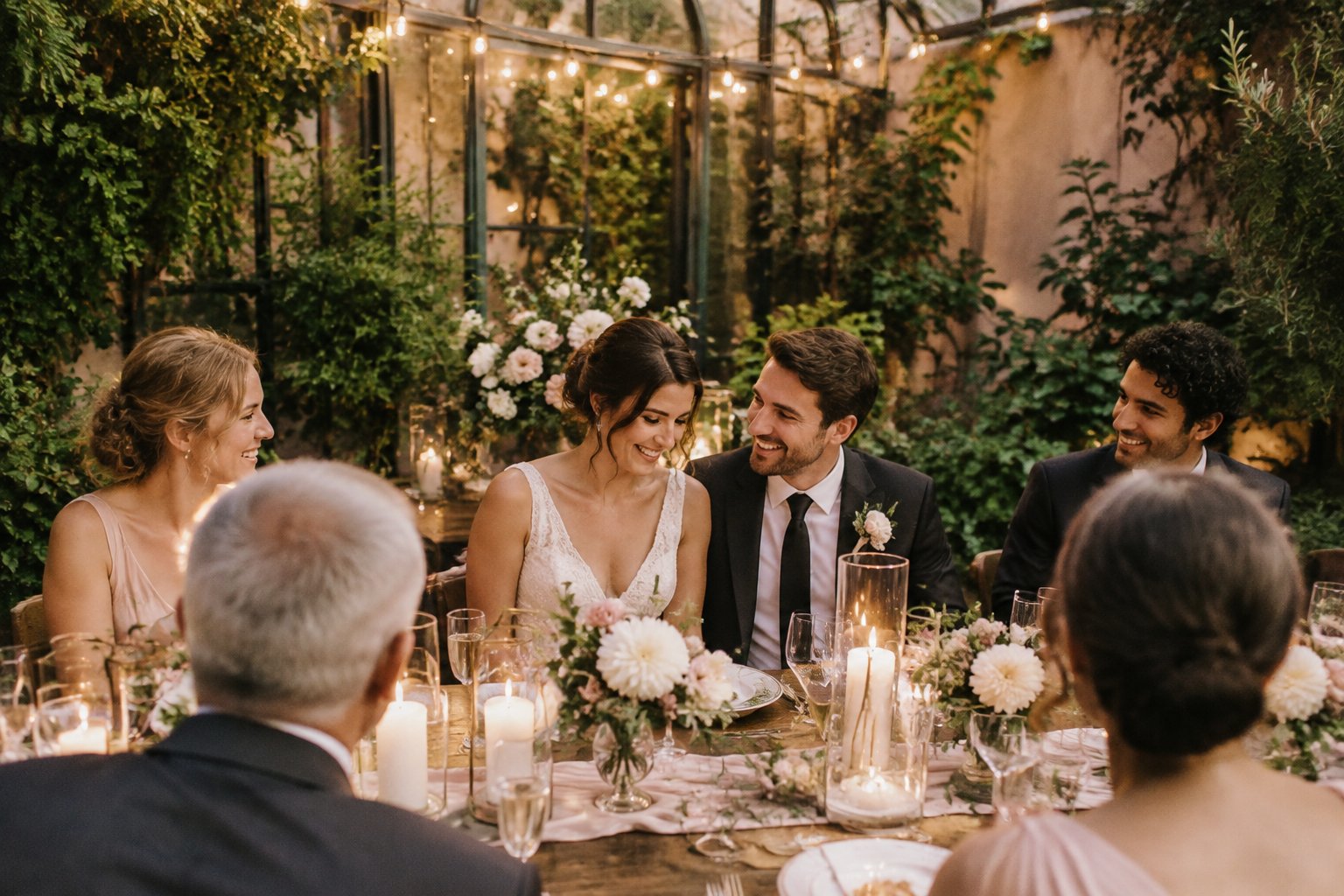
Start with the feeling you want your reception to have, then look for a space that fits your guest count and plans. Choose a couple of venue styles to explore, and ask each place about available dates and seated capacity.
What Venue Styles Suit a Small Reception?
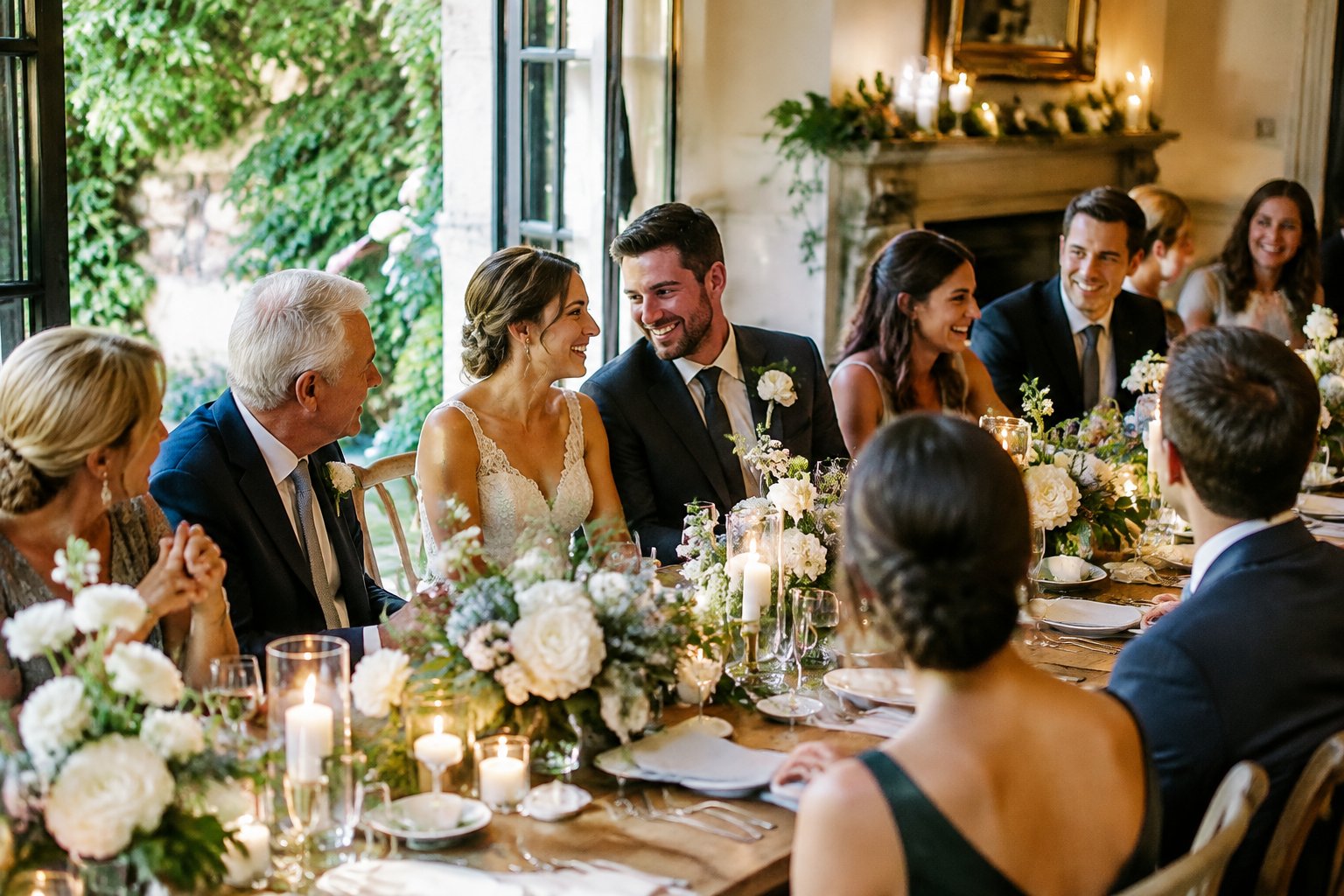
Private dining rooms, inns, gardens, cabins, and thoughtfully scaled traditional spaces all suit a small reception. The best fit gives your guests room to mingle and makes the celebration feel complete at your planned size. Explore different wedding venue ideas as you decide which setting matches your priorities.
Are Private Restaurants and Inns a Good Fit?
A restaurant gives you a ready-made gathering place, with tables, service, and a menu already in place. A private dining room can make a micro wedding feel like a special dinner with your closest people. Ask whether you’ll have exclusive use of the room, how long you can stay, and whether the menu has a food-and-beverage minimum.
An inn can give the reception a relaxed, house-party feel. If guests can stay on-site, you’ll have more time to visit across the weekend. Check whether the event space, guest rooms, and dining areas are all available on your chosen date.
Do Gardens, Cabins, and Outdoor Retreats Work Well?
Gardens suit couples who want flowers, greenery, and an outdoor meal to shape the atmosphere. Cabins and outdoor retreats create a quieter setting and may pair the reception with a longer stay. For either style, ask about a weather backup, restroom access, lighting, and how guests will move between ceremony, dinner, and lodging.
You can use the setting as part of your décor. A garden’s foliage or a cabin’s natural wood details may call for fewer added decorations. Browse venue options with your guest count and reception layout in mind so you can focus on spaces that feel comfortable at your scale.
Can a Traditional Venue Feel Intimate?
A traditional venue can feel close and welcoming when you choose a smaller room or define a dedicated area for your celebration. Ask to see the room set for a group similar to yours, since an open layout can feel different when it holds fewer guests. Long banquet tables, warm lighting, and a lounge area can help the space feel connected.
Standout Venues Across the U.S.
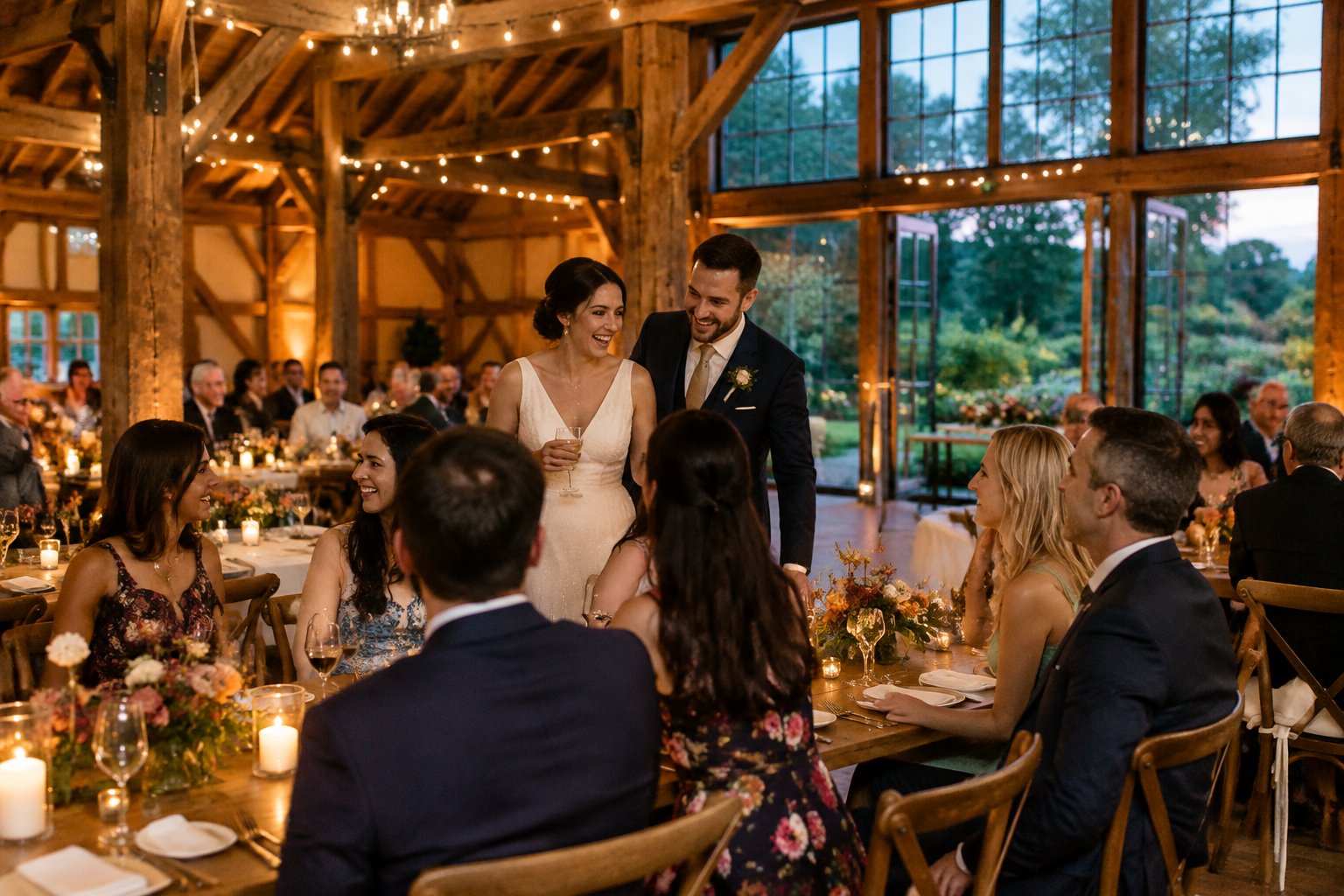
The best micro wedding venues in the U.S. include settings that make the landscape part of your celebration, from wooded retreats to coastal and desert destinations. These examples can help you find a style to search for, though you’ll need to confirm current event options and guest limits directly with each venue.
Where Can You Find Memorable Washington and Oregon Settings?
Washington micro wedding venues and Oregon micro wedding venues offer forest, mountain, and water-inspired backdrops. Treehouse Point in Washington brings a woodland character to a gathering, while Wandering Waters offers another name to explore for a Pacific Northwest celebration. Ask each venue about its reception spaces, event rules, and nearby lodging.
Along the Oregon coast, Crook Point gives you a coastal setting to consider. If you’re drawn to outdoor views, check the season’s weather patterns and ask what indoor or covered options are available. Those details help you plan a guest experience that works across the day.
Which Coastal and Garden Venues Make a Special Backdrop?
Salted Roots is one option to research if you’re drawn to an Alaska setting. For a tropical garden atmosphere, Male’ana Gardens in Hawaii offers a different style of destination celebration. Ask about the permitted event areas, guest capacity, and what vendors you can bring.
The Emerald Forest is another name to explore if a redwood setting appeals to you. For each outdoor venue, review access routes and lighting after sunset. A site visit, or a detailed virtual tour, can help you picture how guests will move around the property.
What Are Some Distinctive Destination Options?
Amangiri offers a desert-resort setting to consider for a destination wedding, while Under Canvas gives you a camping-inspired option to explore. These choices can make the setting a memorable part of the celebration, with travel plans and lodging playing a larger role in your guests’ experience.
Before you commit, confirm event availability, travel times, and the services included in the venue package. If you’re planning a celebration away from home, personalizing a destination wedding can help you add touches that connect the location to your story.
How Do You Choose the Right Space?
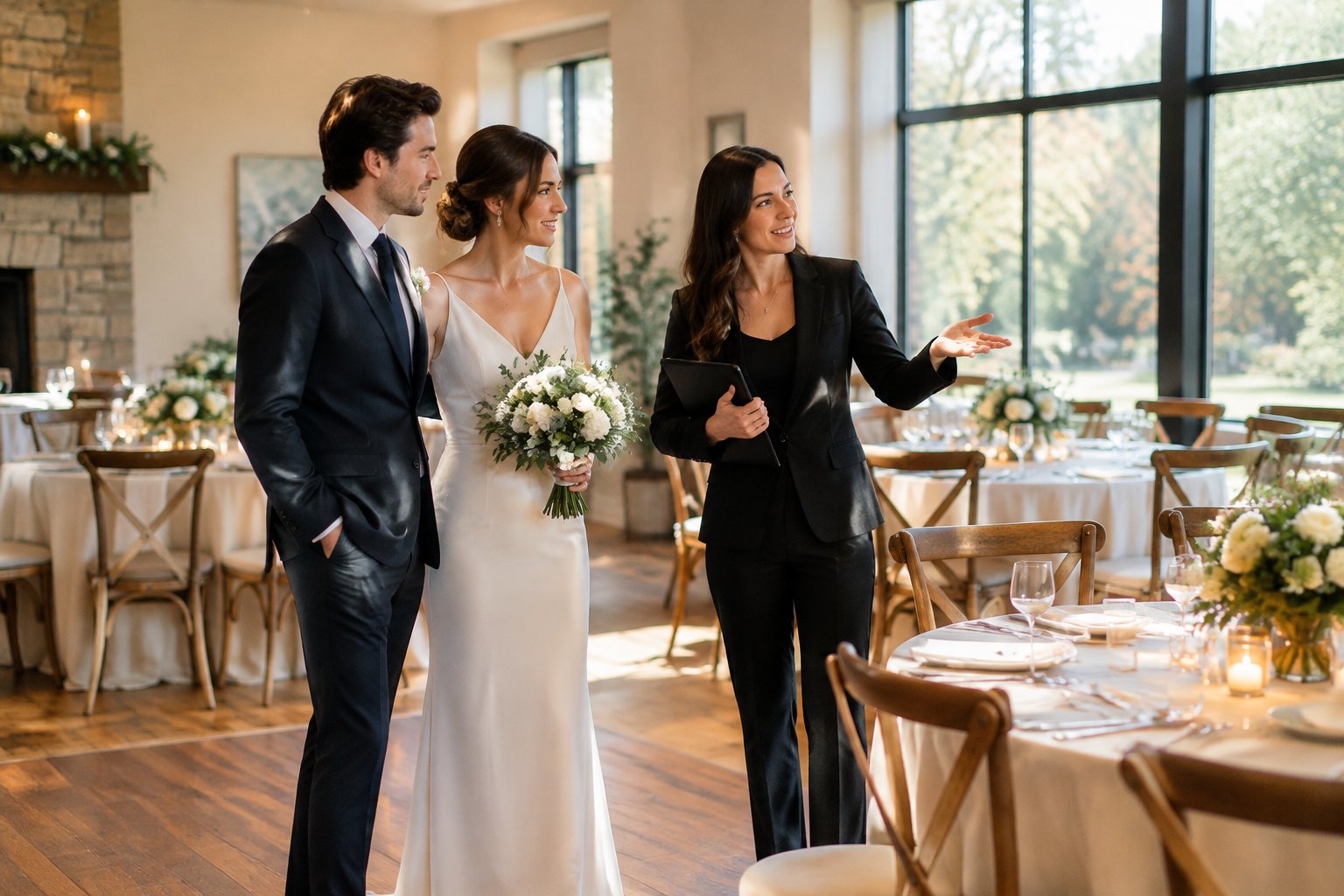
Choose a space that fits your confirmed guest count, the way you want to celebrate, and the practical needs of your guests. A venue tour helps you see how the room feels when arranged for dinner and dancing. Use these tips for choosing a venue for a small wedding to build a focused shortlist.
How Should Guest Capacity Shape Your Search?
Set a working guest count before you book a tour. Ask for the capacity for a seated meal, since a venue’s standing-room limit may not suit your reception layout. Include space for a dance floor, buffet, or lounge seating if you plan to have those features.
Notice how the room feels at your expected headcount. A smaller room can make conversation easier, while a larger venue with separate areas can work when you want different moments throughout the reception. Request a sample floor plan and check whether the venue can arrange the tables to suit your group.
Which Amenities Make the Day Easier?
Ask what’s included in the rental, such as tables, chairs, linens, setup, cleanup, and staff support. Find out whether you’ll have access to a kitchen, sound equipment, and a private space to get ready. For outdoor celebrations, confirm the backup plan for rain, wind, or temperature changes.
Consider accessibility as you compare micro wedding venues. Check the route from parking to the event space, the availability of accessible restrooms, and whether guests can move between areas without stairs. If you have out-of-town guests, ask about nearby hotels and transportation.
How Can You Search for Wedding Venues Near You?
Start with a search for “wedding venues near me” and add a style or setting, such as garden, restaurant, or inn. Use venue websites and local listings to check location, event details, and whether the space hosts gatherings your size. Keep a short list of questions ready before you call or email.
A visit helps you assess the room’s scale, sound, and flow. Bring your guest estimate and a simple reception layout so you can ask specific questions about seating and movement. Take notes after each tour to keep details easy to compare.
What Should You Budget and Plan For?
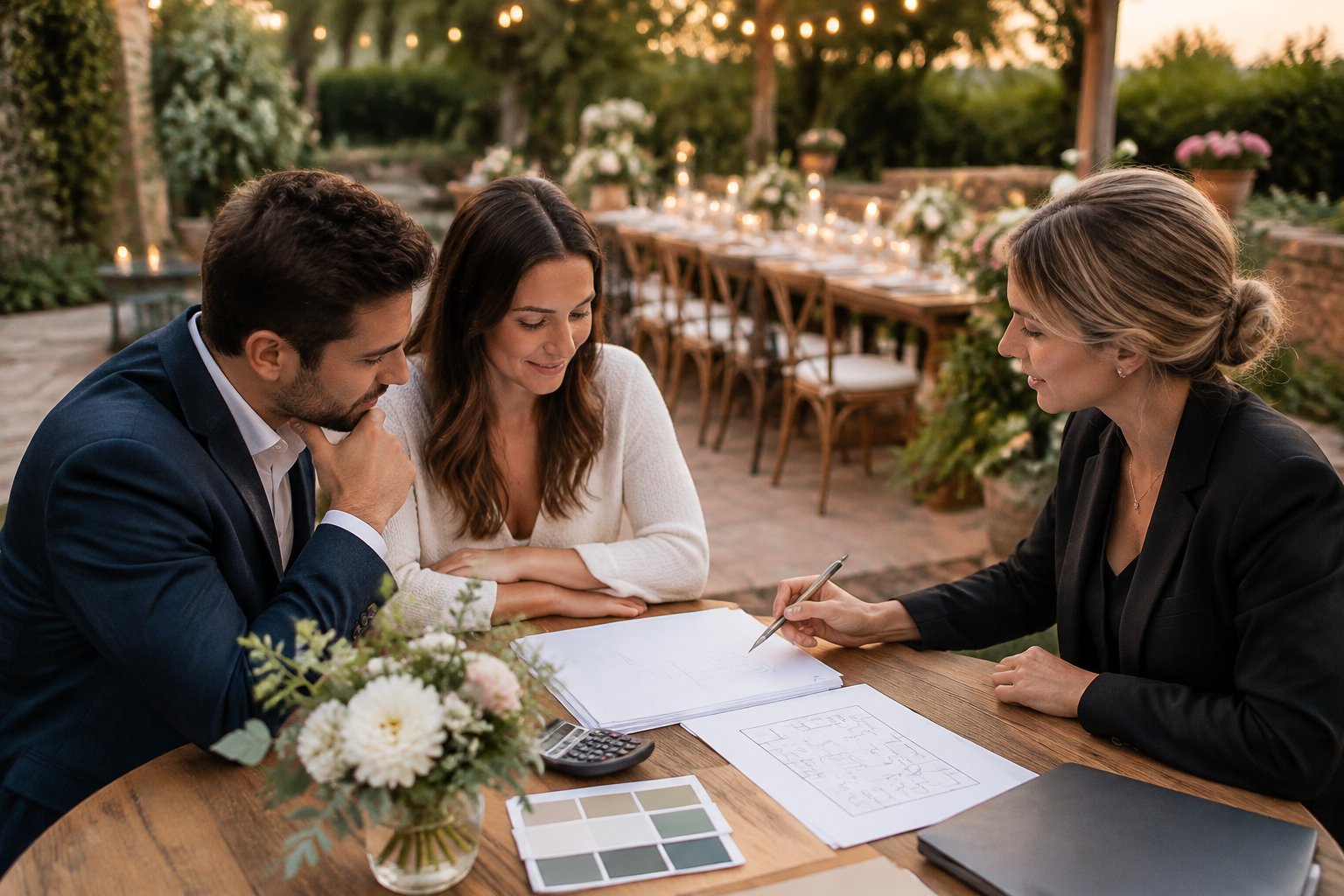
Compare the full event cost, including the venue fee, food, service, rentals, and any required minimum spend. A small guest count can reduce some per-person expenses, while fixed fees and vendor costs still need a place in your budget. Start with a clear wedding budget plan and set aside room for travel or weather-related needs.
Which Venue Costs and Package Details Should You Compare?
Ask for an itemized quote that shows the rental fee, deposit, taxes, service charges, and overtime rates. Check the payment schedule and cancellation terms before you sign. If the venue offers a package, ask which services are included and what choices create added costs.
A package can simplify planning when it bundles useful services, while a venue-only rental gives you more control over vendors. Compare the total cost for the celebration you’re planning, not just the starting rental price. If affordability is a priority, compare affordable wedding reception venues with a similar guest count and set of services.
How Do Catering, Lodging, and Travel Affect the Total?
Food and drink charges may be based on guest count, menu selections, or a minimum spend. Ask if the venue requires in-house catering or lets you choose a licensed outside caterer. Find out whether the quoted price includes staff, service equipment, and cleanup.
For a destination venue, add lodging, transportation, and travel time to your planning notes. Guests may appreciate a hotel block or shuttle details, while on-site rooms can make the schedule easier to manage. Compare all-inclusive small wedding venues if you want several services coordinated through one place.
What Questions Should You Ask Before Booking?
Before you sign, ask who your main venue contact will be and what support is available on the wedding day. Confirm the event hours, vendor arrival times, setup access, and cleanup deadline. Ask what happens if weather affects an outdoor plan.
Also review the rules for music, candles, décor, and alcohol. Get every promise and included service in writing, then check the contract against your notes. A written record helps you track deadlines and avoid surprises as you book vendors.
How Can You Turn the Celebration Into a Wedding Weekend?
A wedding weekend gives you extra time to connect with guests through shared meals, local outings, and a relaxed schedule. A nature-based stay at Treehouse Point or Under Canvas, or a waterside escape at Wandering Waters, can provide a setting for more than the reception itself. Plan a few optional moments so guests can take part at their own pace.
What Shared Activities Help Guests Connect?
Choose an activity that fits the location and your group’s energy. A welcome dinner, casual breakfast, short guided walk, or local tasting can bring guests together before the wedding. Keep the schedule simple and share the details early so people can plan around travel.
A rehearsal dinner gives your closest guests time to gather before the ceremony. Explore intimate wedding rehearsal dinner ideas to find a format that suits the venue, from a shared meal to an informal outdoor gathering.
How Can On-Site Lodging Simplify the Schedule?
On-site lodging can shorten travel between the reception and guest rooms, giving your group more time together. Ask how many rooms are available, when guests can check in, and whether lodging is booked with the event or separately.
Confirm the distance between rooms and reception areas, including the route after dark. Share clear travel details with your invitations or wedding website. Include check-in information, parking instructions, and any shuttle plan.
For a destination celebration, also provide nearby lodging choices for guests who prefer to stay elsewhere.