
Intimate Wedding Venues No Guests: Private Ceremony Ideas
You can exchange vows in private at a courthouse, cabin, garden, beach, or another site that permits ceremonies. A ceremony with no guests lets you set the pace and focus on the commitment you’re making together.
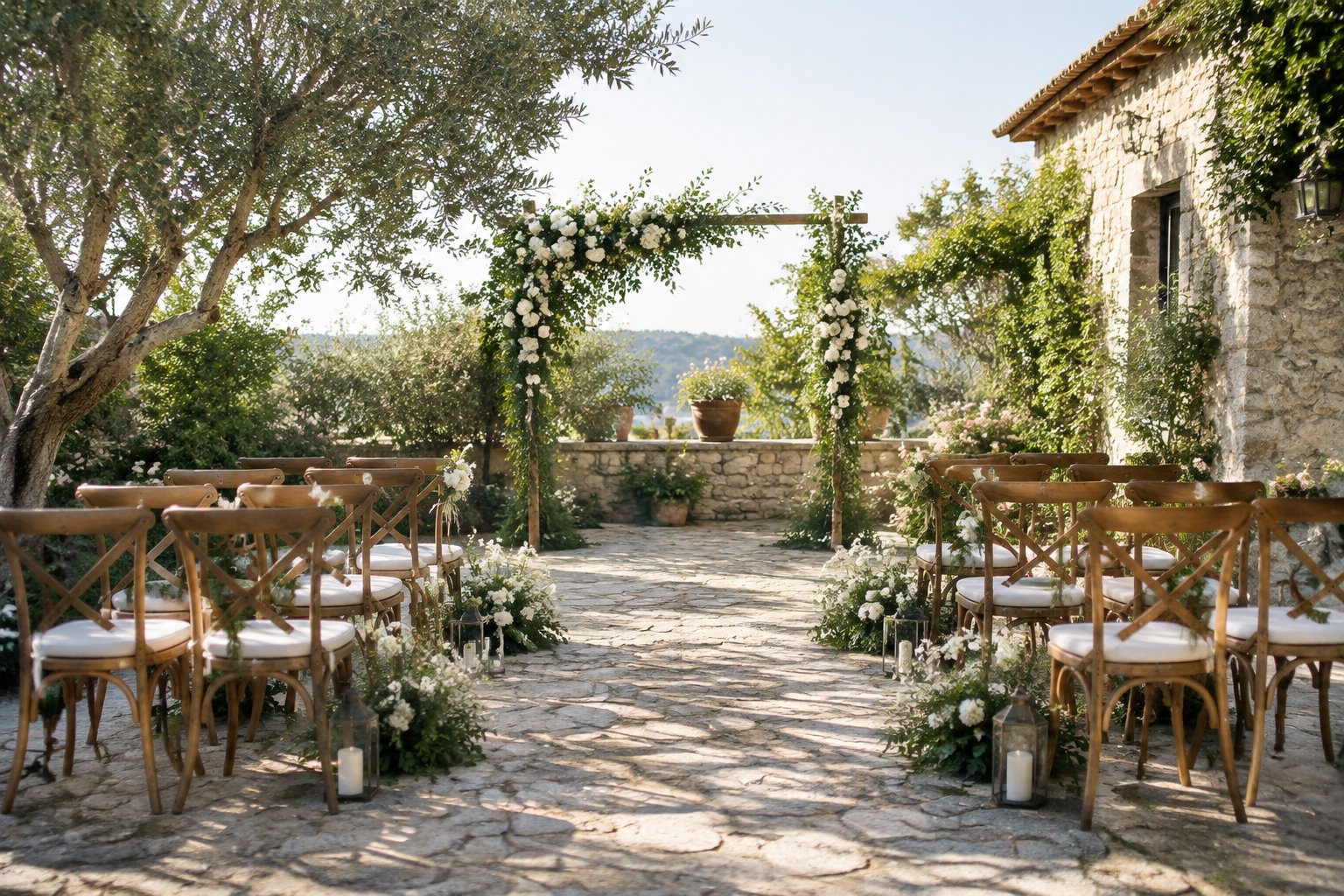
If you’re looking for an intimate wedding with no guests, start by deciding how much privacy and planning you want. You can explore where to get married with no guests and choose a setting that suits your plans, from a quick civil ceremony to a private outdoor celebration.
Where Can You Exchange Vows in Private?
You can hold a private ceremony in a public building, a reserved venue, or an outdoor location where weddings are allowed. Your best fit depends on the feel you want and the rules for using the space.
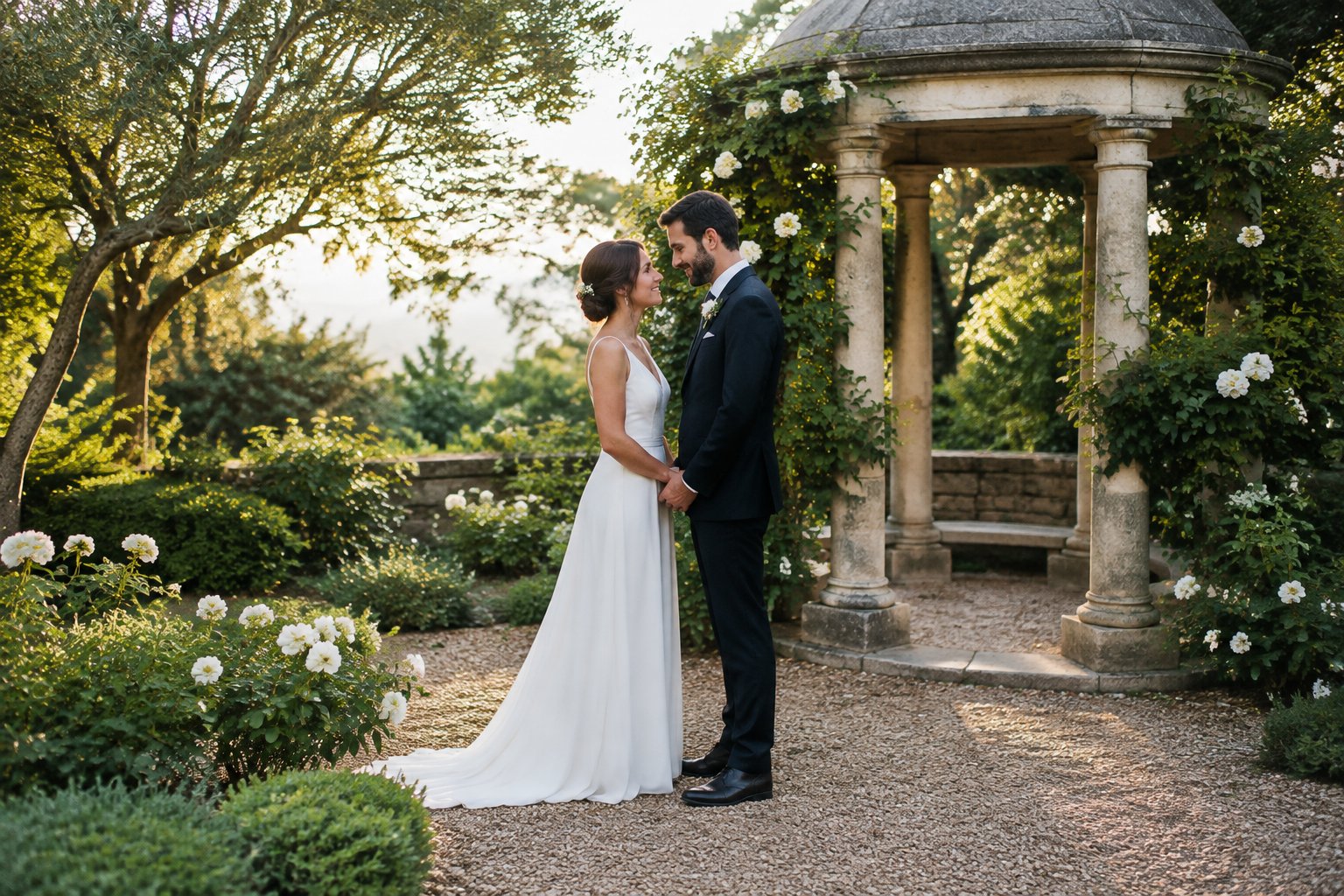
A courthouse wedding offers a simple legal setting, while a cabin or garden gives you more room to shape the experience. For a remote backdrop, check permits, access, and weather before you book.
Courthouse and City Hall Ceremonies
A courthouse or City Hall ceremony is a practical choice if you want a short, structured wedding with minimal setup. Contact your county or city office to ask about appointments, ceremony locations, fees, and the number of people allowed in the room.
Some offices perform weddings on site, while others provide information about authorized officiants. You can make a civil ceremony personal with a meaningful outfit, a few written vows, or a special meal afterward. Check local rules before you plan your wording or timing, since each office sets its own process.
Cabins, Beaches, and Other Outdoor Settings
A cabin wedding gives you privacy and a place to stay before or after the ceremony. Look for a rental that allows weddings, then confirm occupancy limits, noise rules, and whether an officiant or photographer counts toward the property’s guest limit.
A beach, park, garden, or forest clearing can make a peaceful outdoor wedding. Public land often has rules about permits, decorations, group size, and restricted areas. For a secluded spot, plan the route and check whether you’ll need a reservation or special access.
Vineyards, Deserts, and Mountain Backdrops
A vineyard wedding suits you if you want a landscaped setting with a polished feel. Ask whether the venue offers a private ceremony area, what its rental includes, and whether the ceremony must take place during set hours.
For dramatic scenery, consider a desert wedding near Moab or a mountain location in the San Juan Mountains. A destination such as Amangiri offers a remote desert backdrop, so review its event policies and travel details directly before making plans. For any outdoor wedding venue, arrange a weather backup and confirm the ceremony site’s accessibility.
How Do You Choose a Setting That Fits Your Style?
Choose a setting that matches your preferred level of privacy, travel, and planning effort. Your intimate ceremony can be as simple as signing papers in town or as involved as a destination elopement with a photographer and overnight stay.
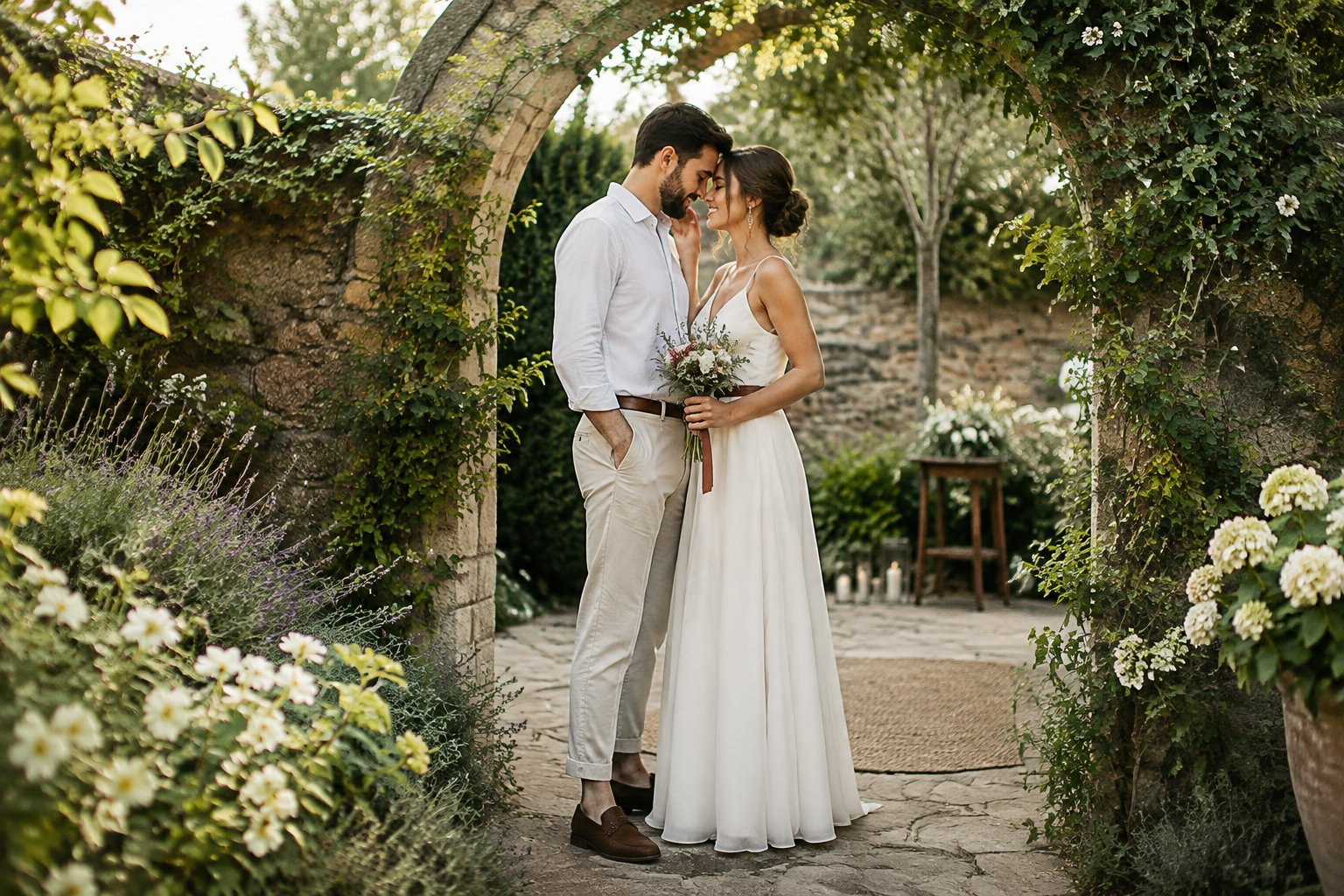
The right small wedding venue gives you a comfortable place to make the moment yours. Before booking, picture how you want the day to feel, then compare the practical details against that vision.
Privacy, Access, and Permits
Ask how private the ceremony space will be during your time slot. A garden may feel secluded while still being open to other visitors, while a booked room or private property gives you more control over who enters.
Check the route, parking, restroom access, and any limits on décor or music. Public beaches and parks may require permits, and a private property owner may have rules about vendors or photography. If you want help defining the look and mood, use these questions to figure out your wedding style.
When a Micro Wedding Venue Makes More Sense
A micro wedding venue can suit you when you want a small number of guests, a meal, or a longer celebration after your vows. Many small wedding venues have rooms or packages designed for compact gatherings, which can help you avoid paying for a space built for a large crowd.
For a ceremony with only you and your partner, a full event venue may feel larger than you need. If you want a private dinner, a restaurant’s private room or a small inn can combine the ceremony and celebration in one place. Compare all-inclusive small wedding venues if you prefer one booking for several services.
Local Celebrations vs. Destination Weddings
A local ceremony keeps travel and lodging simple. You can choose a familiar place, meet with your officiant in person, and return home after the ceremony.
A destination wedding gives you a setting that feels like a getaway, with more travel planning to manage. Check transportation, lodging, seasonal weather, and local ceremony rules before you commit. An elopement at a remote site can be a meaningful choice when you have time to plan permits and travel logistics.
What Legal Details Should You Handle Before the Ceremony?
You need to meet your state and county’s marriage rules for the marriage to be legally recognized. Confirm the license process, witness requirements, officiant rules, and any location permits before you set the ceremony date.
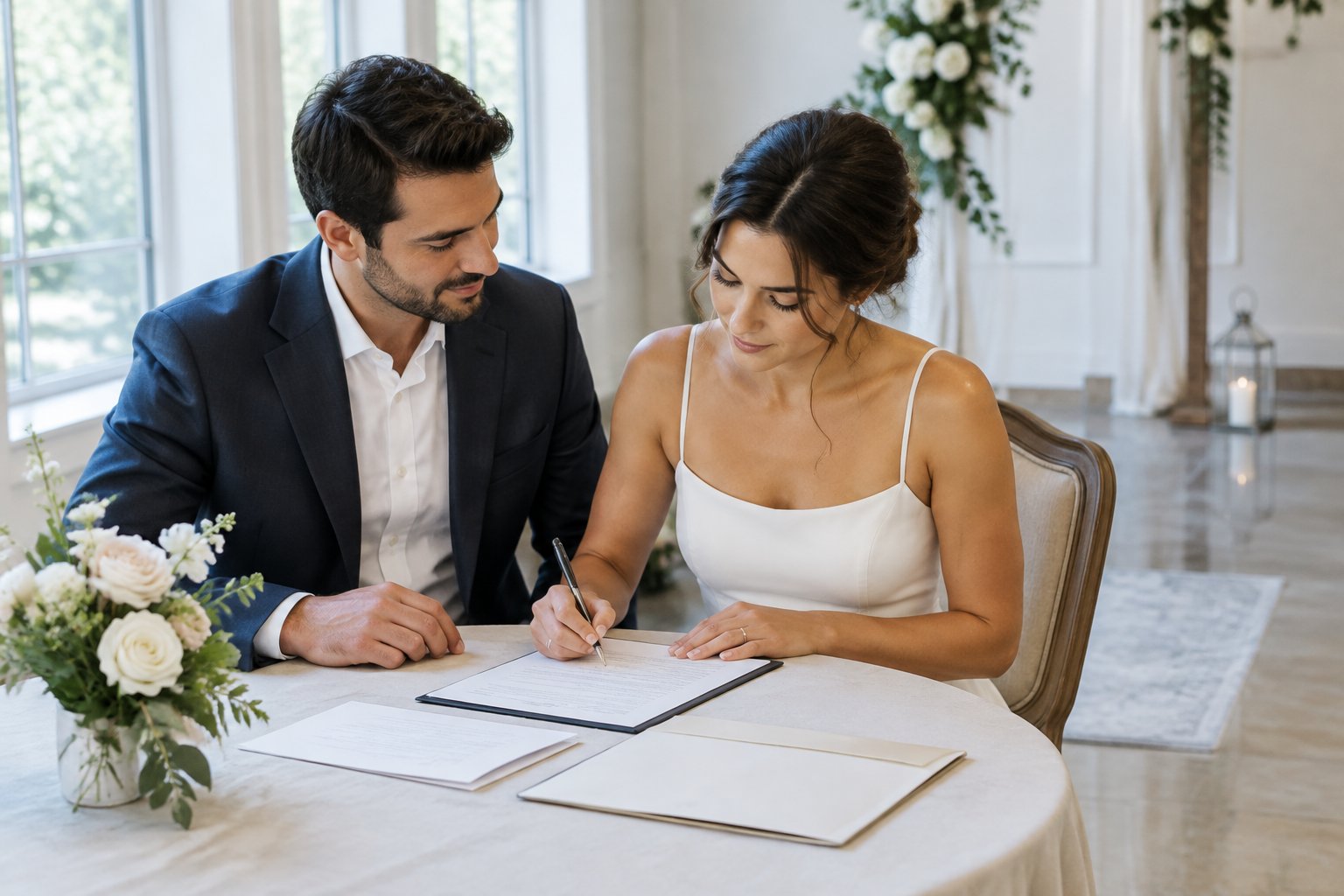
Rules vary by location, so use the county clerk or issuing office as your primary source. Add the required legal steps to your elopement planning checklist, even if the ceremony itself is brief.
Applying for a Marriage License
Contact the county clerk or marriage-license office where you plan to apply. Ask what identification and documents you need, how much the license costs, whether there is a waiting period, and when the license expires.
Some offices require an appointment or in-person application. Confirm where you can use the license and how it must be returned after the ceremony. Keep the license and any required paperwork together, and bring them with you on the wedding day. A marriage requirements checklist can help you organize the questions to ask your local office.
Checking Witness and Officiant Requirements
A private wedding ceremony may still require a witness or an authorized officiant, depending on state law. Ask the issuing office how many witnesses you need and whether the officiant must meet specific qualifications.
If you want only the two of you present, find out whether your state allows that arrangement. Some jurisdictions offer options that change the witness process, while others require witnesses at the ceremony. Confirm the rules before you book a location or travel.
Planning Around Local Rules and Permits
Check ceremony rules for the exact location you have chosen. A courthouse, private venue, national park, and public beach can each have separate requirements for reservations, photography, decorations, and guest limits.
For an outdoor site, ask which permits apply and whether the ceremony area has seasonal closures. Keep a copy of approvals and contact details with your wedding paperwork, and plan a backup location if weather could affect access.
What Does a No-Guest Wedding Cost?
Your wedding costs depend on the location, travel, and services you choose. A courthouse ceremony with a meal nearby has a different budget from a destination elopement with a venue, photographer, and overnight stay.
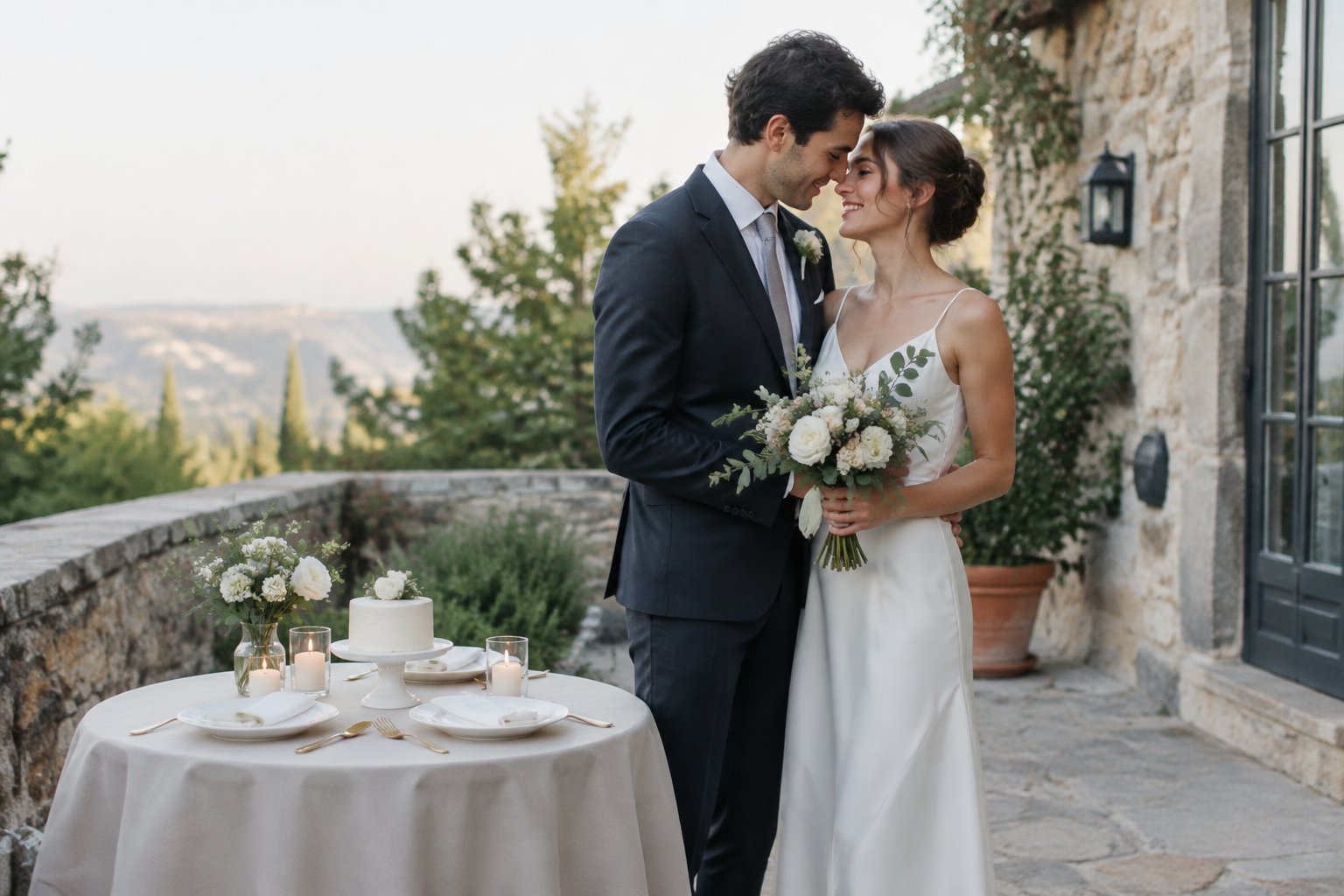
Build your budget from actual quotes and include fees that are easy to miss, such as permits, transportation, and lodging. A simple wedding can stay low-key while still making room for the details you value.
Venue, Travel, and Permit Expenses
List the ceremony site, travel, lodging, and permit fees as separate budget lines. A courthouse may charge a ceremony fee, while a private venue may have a rental minimum or require you to book a set time.
For a destination wedding, include transportation to the ceremony site and any nights you’ll spend nearby. Outdoor locations can have permit costs or restrictions on equipment and setup. Ask each location for a written breakdown of what its fee covers.
Photography, Attire, and Optional Packages
A wedding photographer can document the vows and portraits, with shorter coverage fitting a brief ceremony. Ask about package length, travel fees, image delivery, and whether the photographer can work at your chosen site.
Set an attire budget that fits your plans. Your wedding dress can be formal, simple, or suited to an outdoor setting. Elopement packages may bundle services such as an officiant, flowers, or photography, so compare the included items with the individual quotes you receive.
Where to Spend or Save
Spend on the details that will shape your day and memories. You might choose professional photography, a special dinner, or a comfortable place to stay. Save by keeping décor light, choosing a weekday appointment, or wearing something you already own.
Write down your priorities before you request quotes. This gives you a clear way to compare costs and trim extras that do not fit your plans.
How Can You Make the Day Meaningful and Share the News?
You can make a guest-free wedding meaningful with personal vows, a planned celebration for two, and a thoughtful way to tell loved ones. A private wedding with no guests still leaves space for rituals and keepsakes that reflect your relationship.
Build a simple schedule around the moment you want to remember. You might exchange letters, take a quiet walk, or book dinner after the ceremony.
Personal Vows and a Celebration for Two
Write vows that sound like you and speak to the promises you want to make. You can exchange them during the legal ceremony or set aside a private moment before or after it. If you want to know how private vows fit with public marriage vows, consider which words you want to share with your partner alone.
Add one or two details that feel personal, such as music you both love or a meal from a favorite restaurant. Keep your plans manageable so you have time to be present with each other.
Planning a Honeymoon Around the Ceremony
You can turn the ceremony into the start of your honeymoon by choosing a destination where you can stay and explore afterward. Set your travel dates around the license timeline, venue availability, and any permits you need.
A nearby getaway keeps the trip easy to arrange, while a longer journey gives you more time away. Book lodging and transportation early when your location has limited options, and leave room in your schedule to rest after the ceremony.
Announcing Your Marriage to Loved Ones
Tell family and friends in the way that feels comfortable for you. You can share the news in a personal message, send marriage announcements, or plan a casual gathering after the ceremony.
If you expect questions about your guest-free wedding, agree on a short explanation with your partner before you share the news. A warm note can say that you chose a private ceremony and look forward to celebrating with loved ones in another way. For wording ideas, consider how you want to announce your wedding news.