
Is 10 Minutes Too Short for a Wedding Ceremony? What to Expect
A 10-minute wedding ceremony can feel complete when you keep the plan focused and leave room for each moment to land. Ten minutes is not too short for a wedding ceremony if you include the moments that matter to you and keep a calm pace.
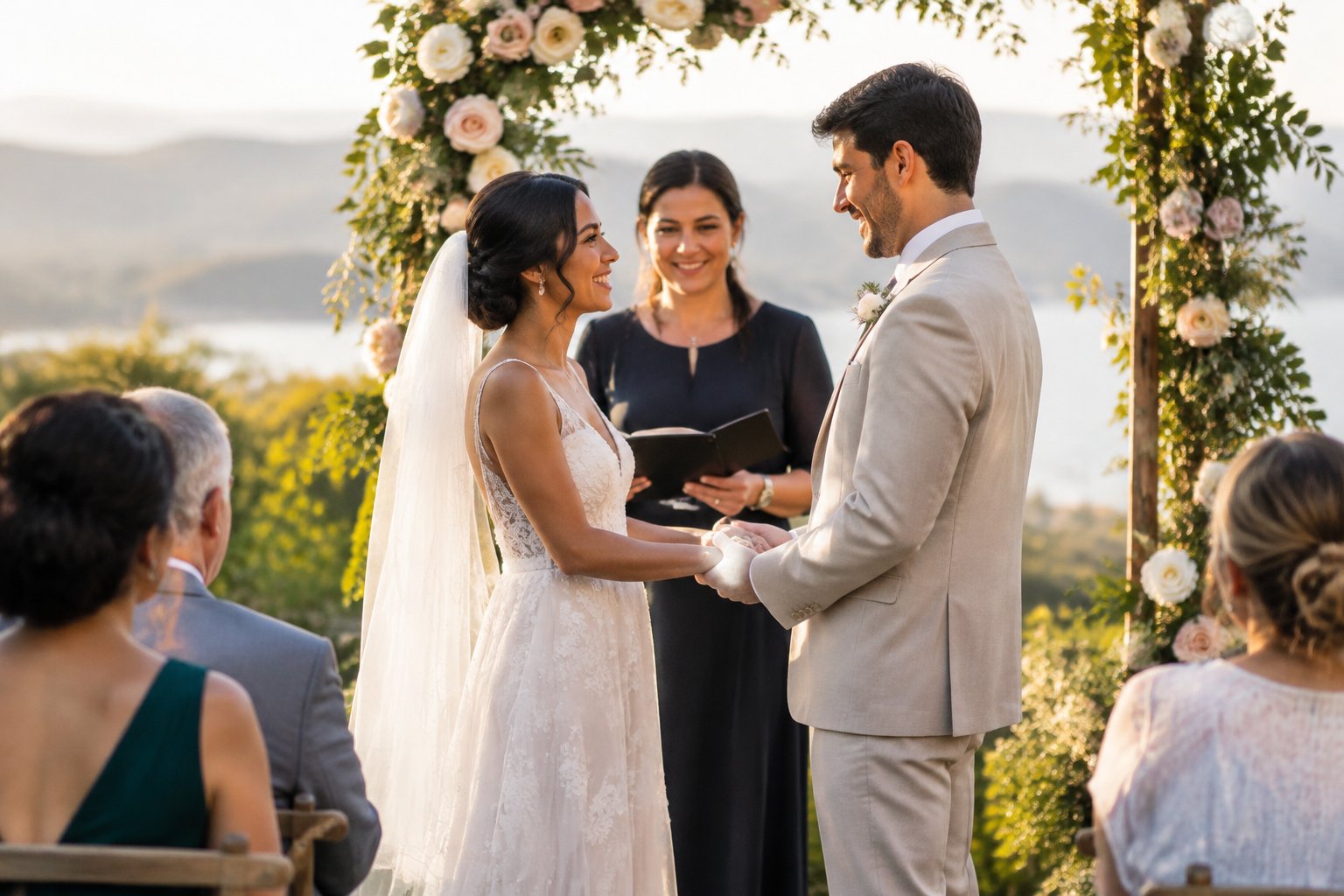
Your ceremony length should fit your plans, your traditions, and the experience you want to share with your guests. If you’re aiming for ten minutes, ask your officiant to time a draft aloud and help you shape a schedule that feels relaxed.
What Can a 10-Minute Ceremony Include?
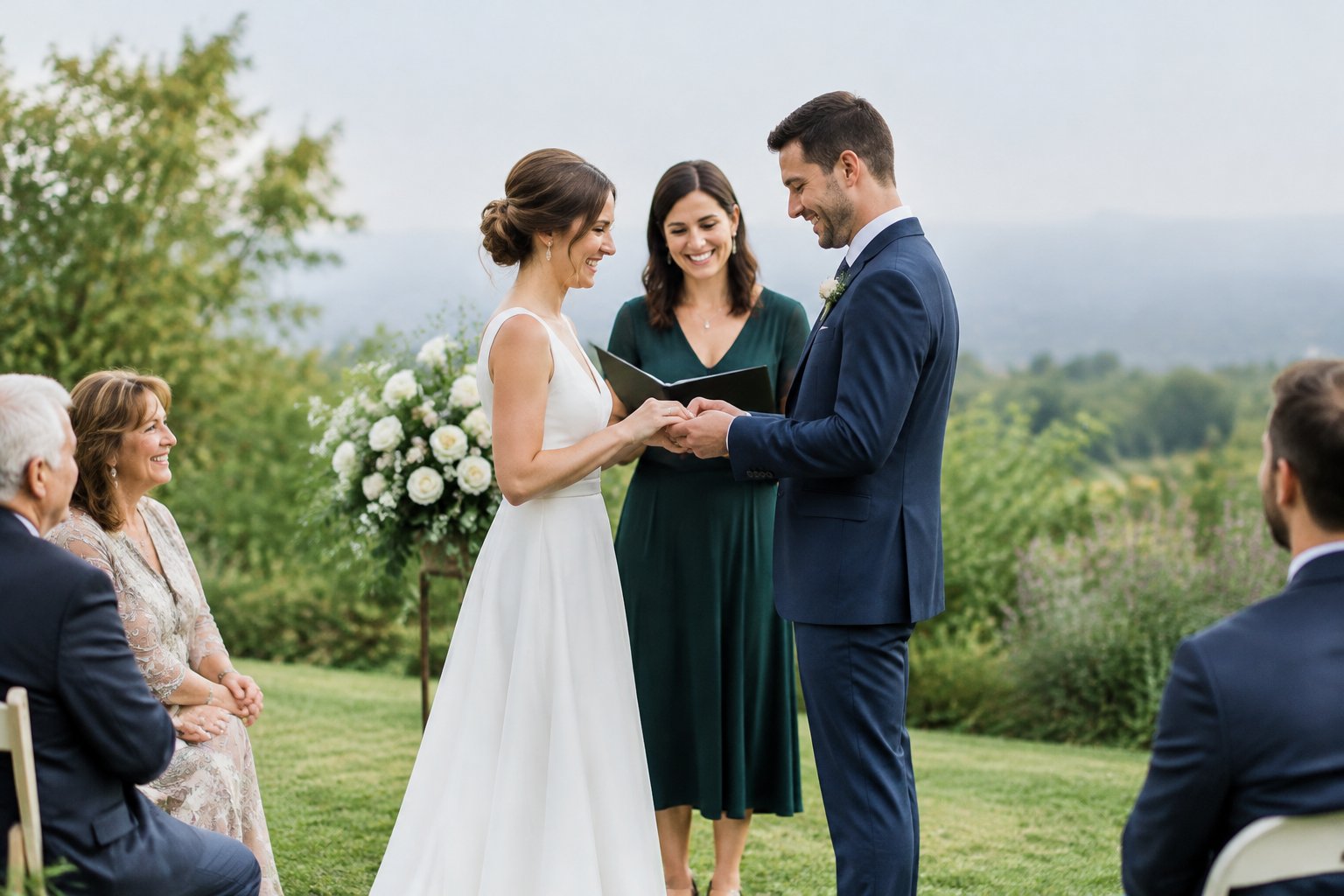
A 10-minute ceremony can include a processional, a welcome, vows, a ring exchange, a pronouncement, and a recessional. Your pace and wedding-party size determine how much time remains for readings or personal remarks, so keep the order simple and rehearse the transitions.
If you’re weighing different short formats, how short a wedding ceremony can be is a useful planning question.
How Much of the Time Goes to Walking Down the Aisle?
The processional and recessional take up part of your ten-minute window. A small wedding party can enter in a few minutes, while more people, a long aisle, or pauses for music and photos add time.
Walk through the entrance during rehearsal and time it from the first person’s cue to the moment everyone is in place. Include the couple’s entrance and exit in your estimate, too. This gives you a realistic amount of time for the ceremony itself.
Can You Fit in Vows and a Ring Exchange?
Yes, you can fit wedding vows and a ring exchange into a 10-minute ceremony when you keep each part concise. Choose personal vows that feel natural to say aloud, then leave a brief pause for the ring exchange and pronouncement.
Practice the full script at speaking pace. Reading silently won’t show you how long pauses, emotion, or a moment to place the rings will take.
Which Moments Are Legally Essential?
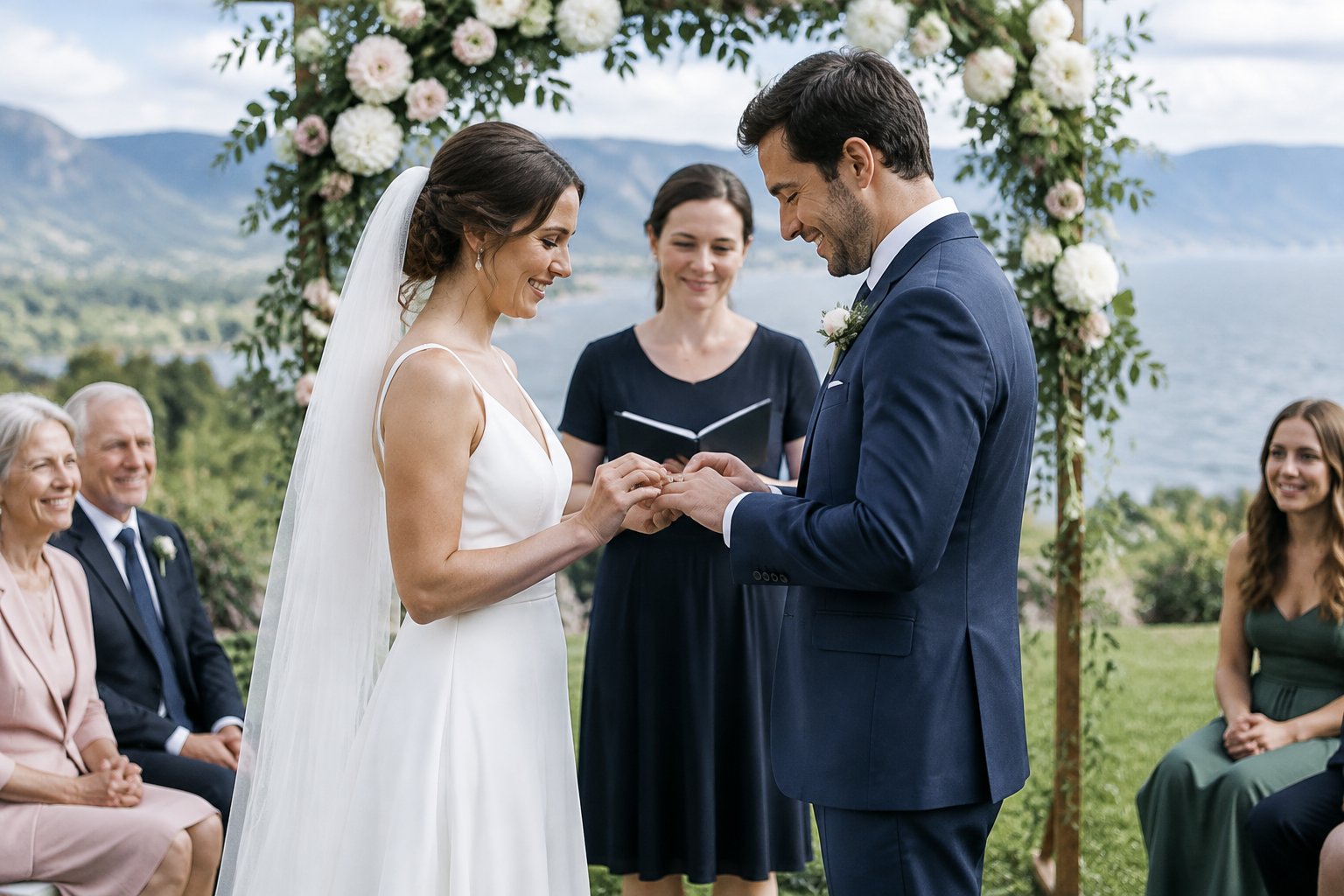
The legal steps depend on your state and local rules, so confirm the requirements with your officiant or county clerk. Your declaration of intent and marriage license have different roles: one is part of the ceremony in many places, while the other is the legal document you obtain and complete as directed.
What Is the Declaration of Intent?
The declaration of intent is the point where you each state that you agree to marry. It may take the form of a brief question and answer, such as “Do you take…?” followed by “I do.”
The exact wording and ceremony rules vary by jurisdiction. Ask your officiant which words your location requires and how they fit into the script. You can also review what you legally need for a wedding as you prepare your questions.
When Do You Need a Marriage License?
You need to obtain your marriage license before the wedding and follow your local instructions for completing and returning it. Rules differ by state and county, including who must sign and when the completed license must be filed.
Ask your county clerk about application timing, identification, fees, and any waiting period. Confirm with your officiant who will handle the paperwork after the ceremony so you know what to expect.
How Can You Make a Brief Ceremony Feel Meaningful?
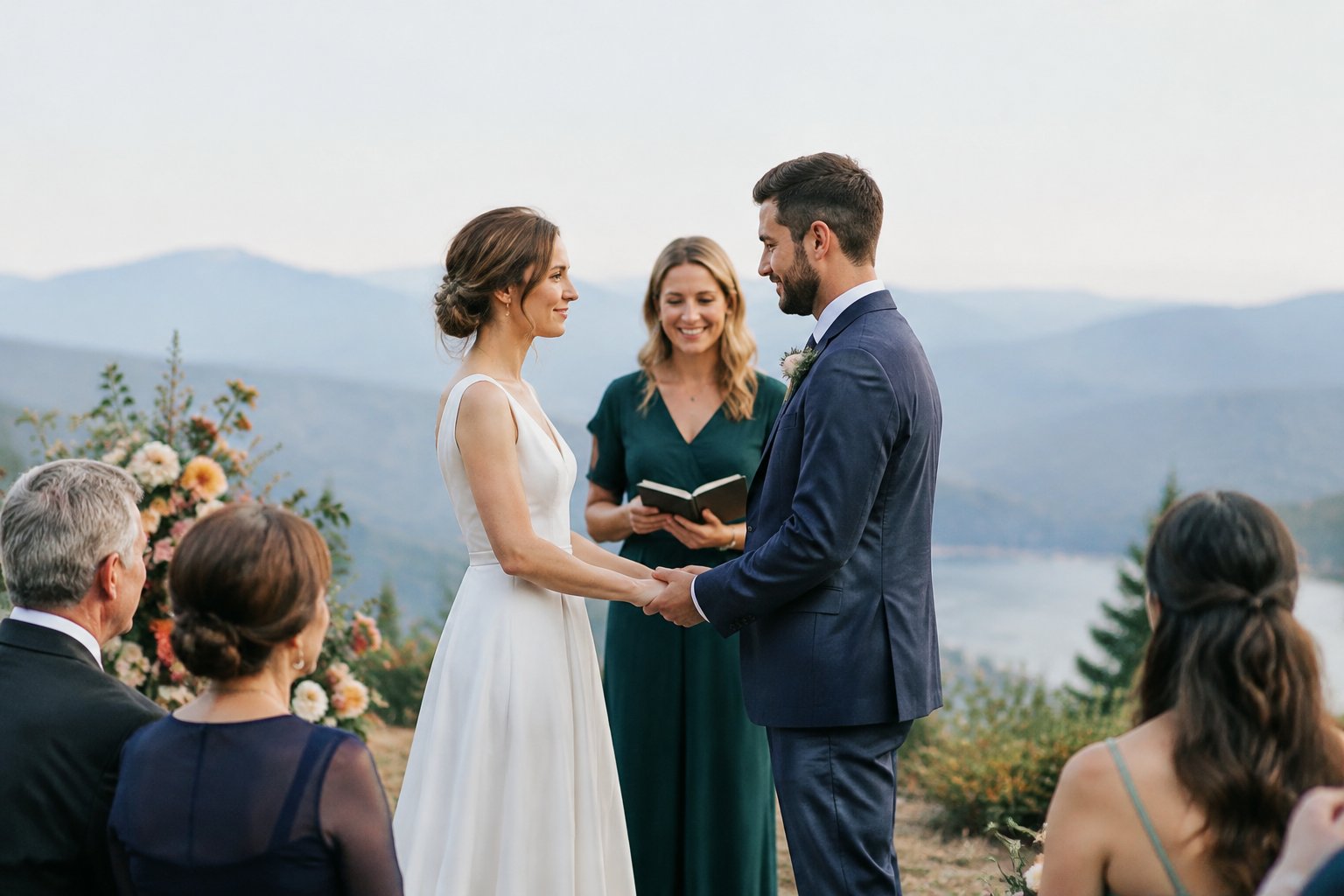
A brief ceremony feels personal when you choose a few details that reflect your relationship and give them space. Your vows, a short welcome, or one thoughtful reading can add warmth without stretching the schedule. A simple wedding ceremony script can help you keep the order clear.
Which Personal Touches Are Worth Including?
Choose the details that sound like you when spoken aloud. You might ask your officiant to share a short note about your relationship, write your own vows, or select music that holds meaning for you.
Keep each personal element focused. If you write your own vows, agree on a similar length so one person’s promises don’t take much longer than the other’s. Read them aloud before the wedding, and mark a pause where you want time to look at each other or take a breath.
Should You Add a Reading or Unity Ceremony?
Add a reading or unity ceremony when it carries meaning for you and fits the schedule. A short reading can involve someone close to you, while a unity ceremony, such as a candle or sand ritual, adds a shared symbolic moment.
Each addition brings its own setup and transition time. Choose one element you care about most, then check the timing with your officiant. A concise ceremony can still feel full when you give that moment your attention.
How Does Ceremony Length Affect the Rest of the Day?
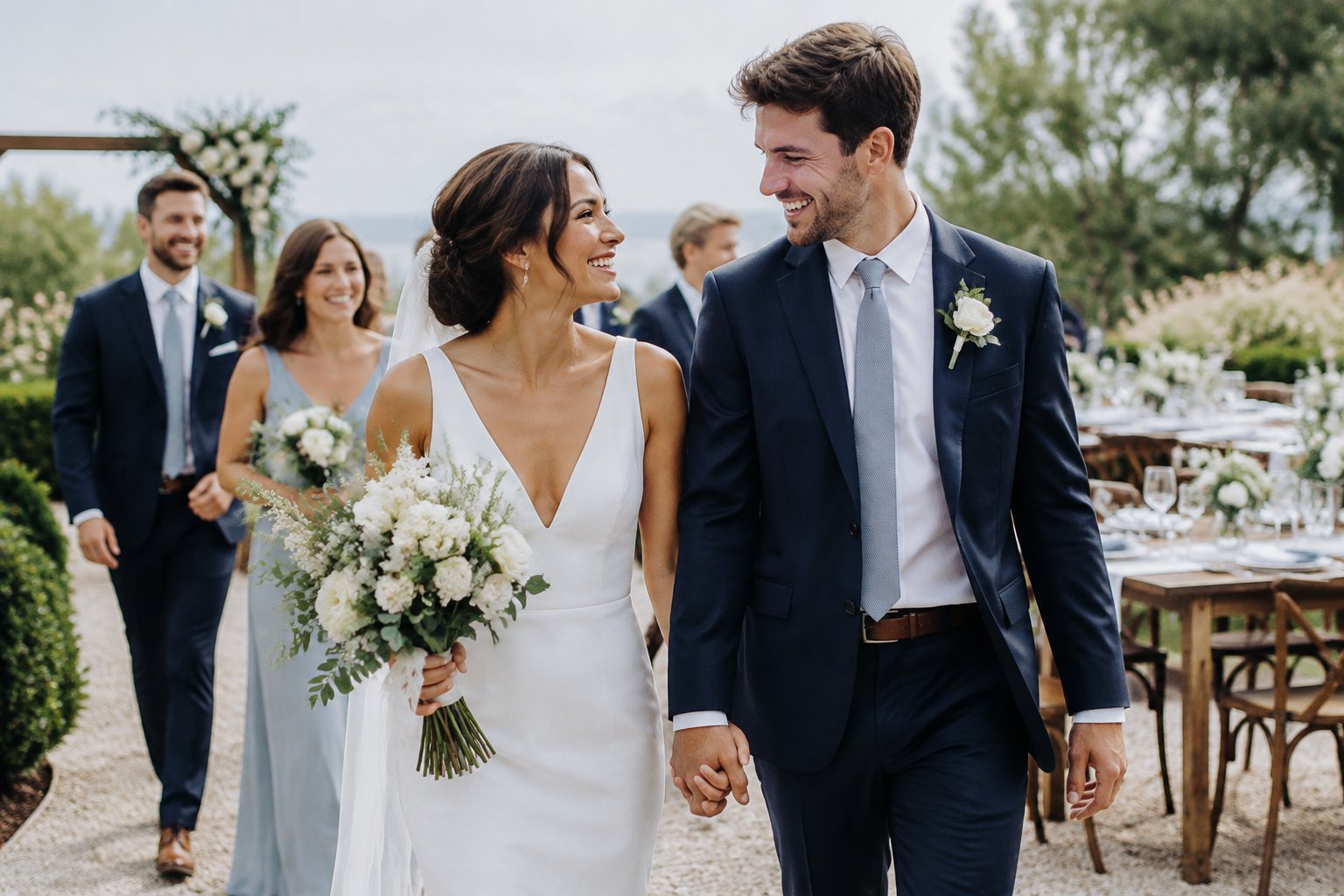
Your ceremony length shapes the wedding day timeline, including guest seating, photos, and the start of cocktail hour. Plan for the full flow of people and vendors, not only the minutes in the script. A wedding timeline can help you coordinate those steps.
How Should You Build the Wedding Day Timeline?
Start with the ceremony start time and work forward through the recessional, family photos, and reception transition. Add time for guests to arrive and be seated, and share the schedule with your officiant, planner, photographer, and musicians.
Include a small buffer for late arrivals, weather, or a slower processional. If the ceremony and reception take place in different locations, account for travel time and directions so guests know where to go.
Can a First Look or Cocktail Hour Help?
A first look can give you and your photographer time for portraits before the ceremony. That may leave more room for greetings and photos afterward, depending on your schedule.
Cocktail hour also gives guests a clear next step after the ceremony while you take portraits or sign paperwork. Set its start time with the venue and caterer, and leave enough time for guests to move from the ceremony space.
How Do You Decide Whether to Add More Time?
How Do Ceremony Traditions Affect the Schedule?
Religious and cultural traditions can include prayers, blessings, songs, or rituals with a set order. Ask your officiant or faith leader how long the ceremony will take and which parts are required for your service.
If you’re combining traditions, review the transitions as well as the rituals themselves. You can ask about ways to add time to your wedding ceremony if you want room for a reading, blessing, or unity ritual.
What Should You Discuss During Wedding Planning?
During wedding planning, share your preferred length with your officiant and ask for a timed draft. Talk through vows, music cues, readings, legal steps, and the processional so you can see where each minute goes.
Then rehearse at a natural speaking pace and adjust any parts that feel rushed. If the ceremony keeps running over, decide together which optional element you’re willing to shorten or remove.