
Is 100 Too Small for a Wedding? Finding Your Ideal Size
A 100-person wedding is not too small; it’s a medium-sized celebration by common U.S. guest-count guidelines, with room for close family and friends. If 100 people feels right for your relationship, budget, and plans, it’s a full and meaningful wedding size.
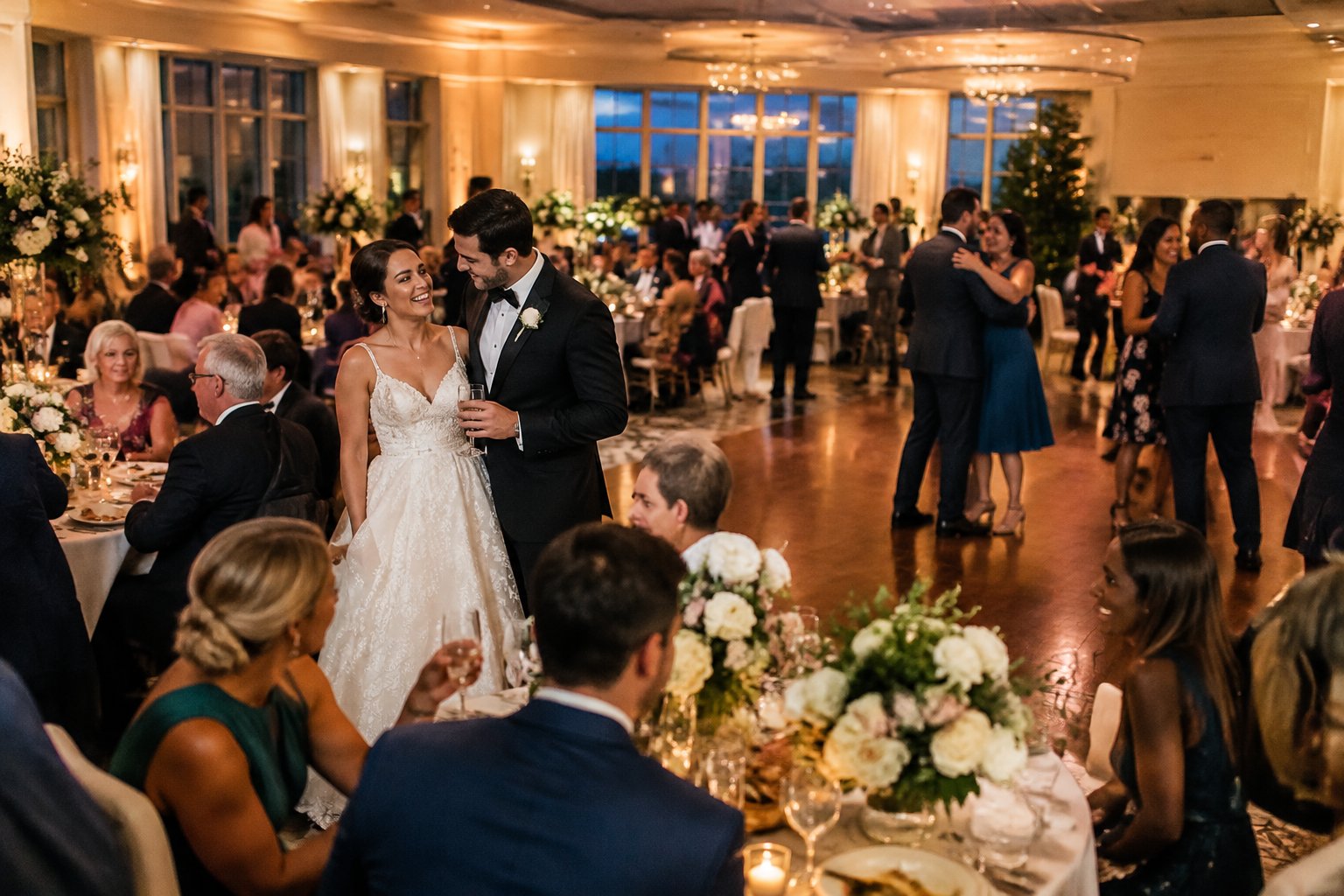
Start by listing the people you most want beside you, then see how that count fits your budget and preferred atmosphere. If you’re ready to plan, use that first list as a starting point and adjust it until the celebration feels like yours.
Where Does 100 Guests Fit Among Wedding Sizes?
A 100-guest wedding sits in the medium range for many U.S. planning guidelines. Your family traditions and social circle can make the same number feel cozy or expansive.
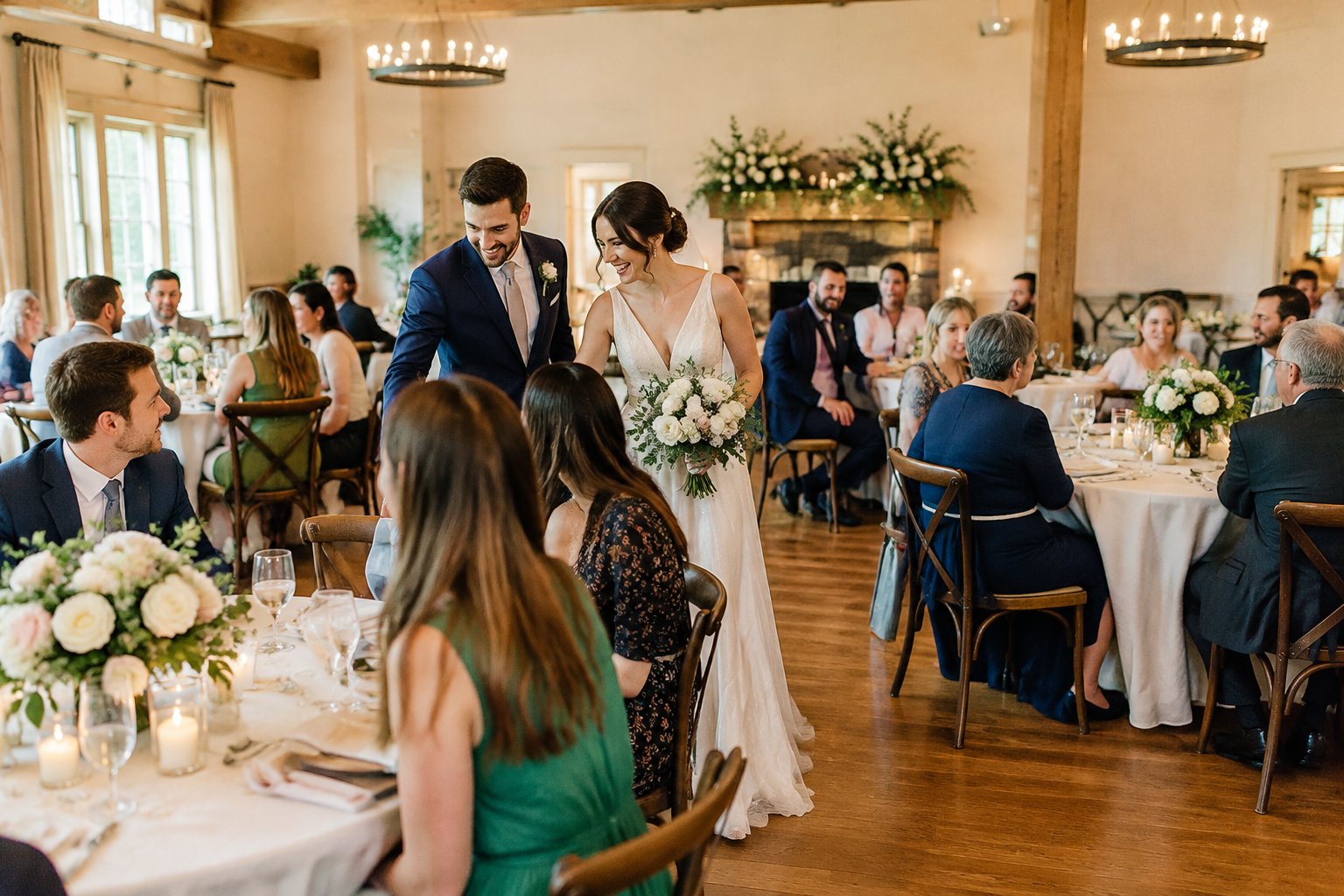
Small, medium, and large are useful labels, though each couple may picture them differently. Comparing your guest count with common ranges can give you a practical starting point.
What Counts as a Small, Medium, or Large Wedding?
A common guide defines a small wedding as 50 guests or fewer, a medium wedding as about 50 to 150, and a large wedding as more than 150. These are flexible ranges, not strict rules. A 100-person wedding falls in the middle category, though the venue and guest mix affect how it feels.
Your own sense of scale comes from what you’re used to. If your family celebrations bring together several hundred people, 100 guests may feel intimate. If you hoped for a tiny ceremony, that same count may seem large. To set a guest-count goal, consider how many guests you need for a wedding based on the people and atmosphere you want.
How Does 100 Guests Compare With the Average Wedding Size?
Recent U.S. estimates put the average wedding size around 115 to 120 guests, so a 100-guest wedding is close to the national norm and a little below it. The average offers context, not a target you need to match.
A list of 100 also gives you room to include close relatives and friends while keeping the gathering manageable. Draft a must-invite list first, then review each addition against your budget and the kind of celebration you want.
What Makes a Guest List Feel Intimate?
A wedding feels intimate when you can connect with your guests and shape the day around the people you care about. The headcount contributes to that feeling, while your priorities and the guest experience give it meaning.
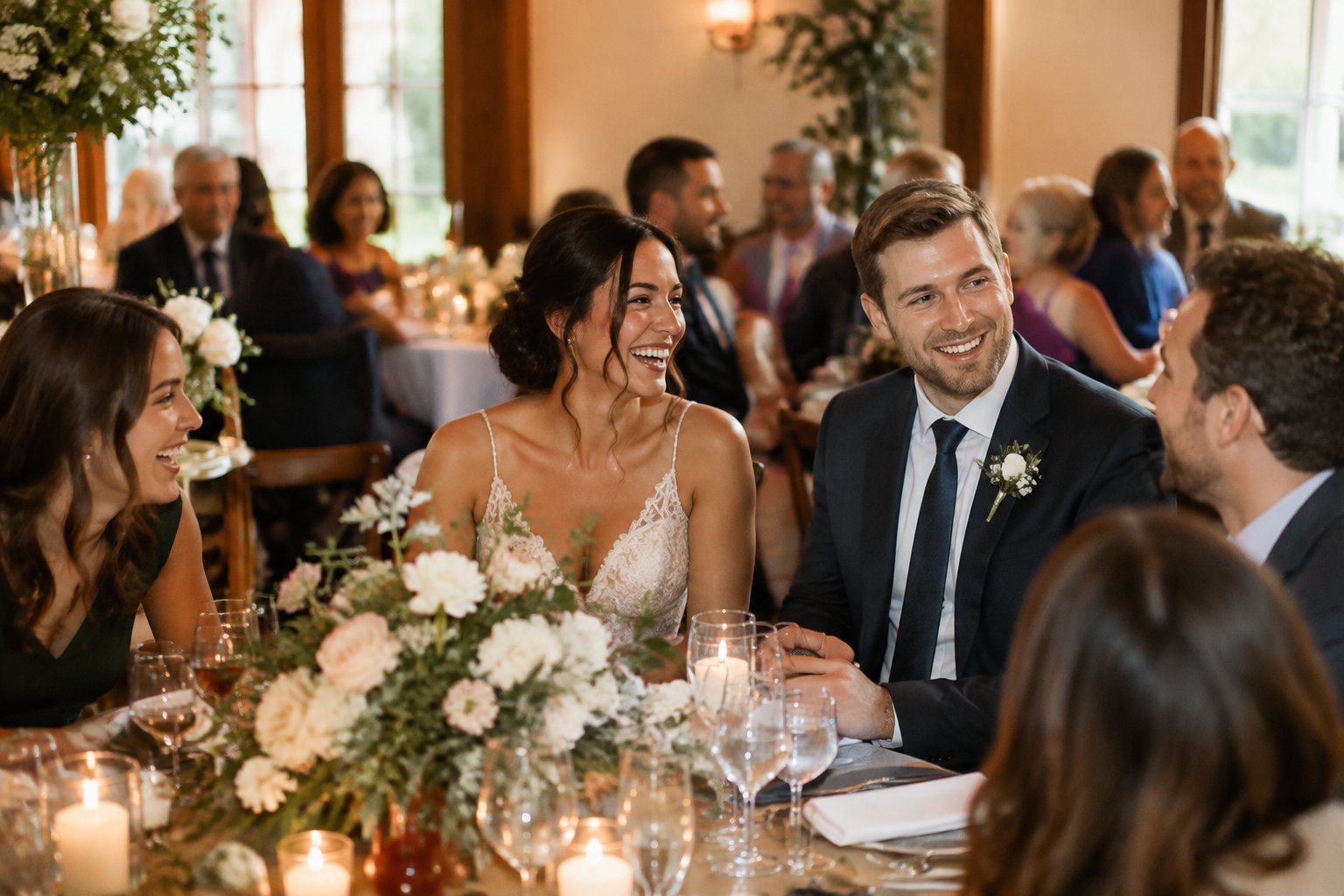
An intimate wedding can have a range of guest counts. Your personal definition may include a 100-person event, a micro wedding, or an elopement with only a few loved ones.
How Do Your Priorities Shape the Right Guest Count?
Your priorities help you decide whether to invite a broad circle or focus on your closest relationships. If you want time to speak with each guest, consider how the schedule and reception layout will support those conversations. A welcoming meal and unhurried mingling can make a 100-person gathering feel personal.
If the guest list feels difficult to shape, set a clear rule, such as inviting immediate family and friends you’ve seen within a chosen time frame. You can use tips for creating a small-wedding guest list to make those choices easier.
When Might 100 Guests Feel Like Too Many?
A 100-person list may feel too large if you’re hoping for a quiet ceremony or want to spend most of your day with a small inner circle. It can also exceed your budget or venue capacity, especially when many guests need travel support or plus-ones.
Look at the names on your preliminary list and ask whether you feel excited to share the day with each person. If you feel pressure to invite people you barely know, trimming the list can help the celebration match your intentions. An intimate wedding can still include a lively reception, with a guest list built around your closest connections.
How Do Guest Count and Budget Affect Planning?
Your guest count shapes major wedding costs because food, drinks, seating, and many rentals are priced per person. A 100-person wedding gives you a clear starting point for comparing quotes and setting spending limits.

Your total budget also includes expenses that stay similar as the guest list changes. Separating per-person costs from fixed costs helps you see which choices will move the total most.
Which Guest-Related Costs Should You Expect?
For each guest, account for catering, beverages, place settings, and any favors you plan to provide. The venue may charge per person or require a food-and-beverage minimum. Ask whether service fees, taxes, and rentals are included in the quote.
Other costs, such as photography, entertainment, and attire, may stay similar across different guest counts. That means cutting guests won’t reduce every line item, though it can lower food and rental expenses. Build your budget around written quotes, then test how the total changes if your list grows or shrinks by ten people. For a planning baseline, consider how much to budget for a 100-person event, then compare it with wedding-specific vendor estimates.
When Can a Wedding Planner Help?
A wedding planner can help you coordinate vendor details, manage timing, and keep decisions aligned with your budget. For 100 guests, support can be useful when you’re hosting several parts of the day or working with a venue that needs a detailed floor plan.
You can choose full planning, partial planning, or day-of coordination based on the help you need. Before hiring anyone, ask what services are included, who will be present on the wedding day, and how the planner communicates with your venue and vendors.
How Can You Choose a Venue and Layout for 100 Guests?
A venue for 100 guests should fit your reception setup, allow comfortable movement, and suit the atmosphere you want. Its advertised capacity is only a starting point, so review a floor plan with tables, the dance floor, and service areas included.
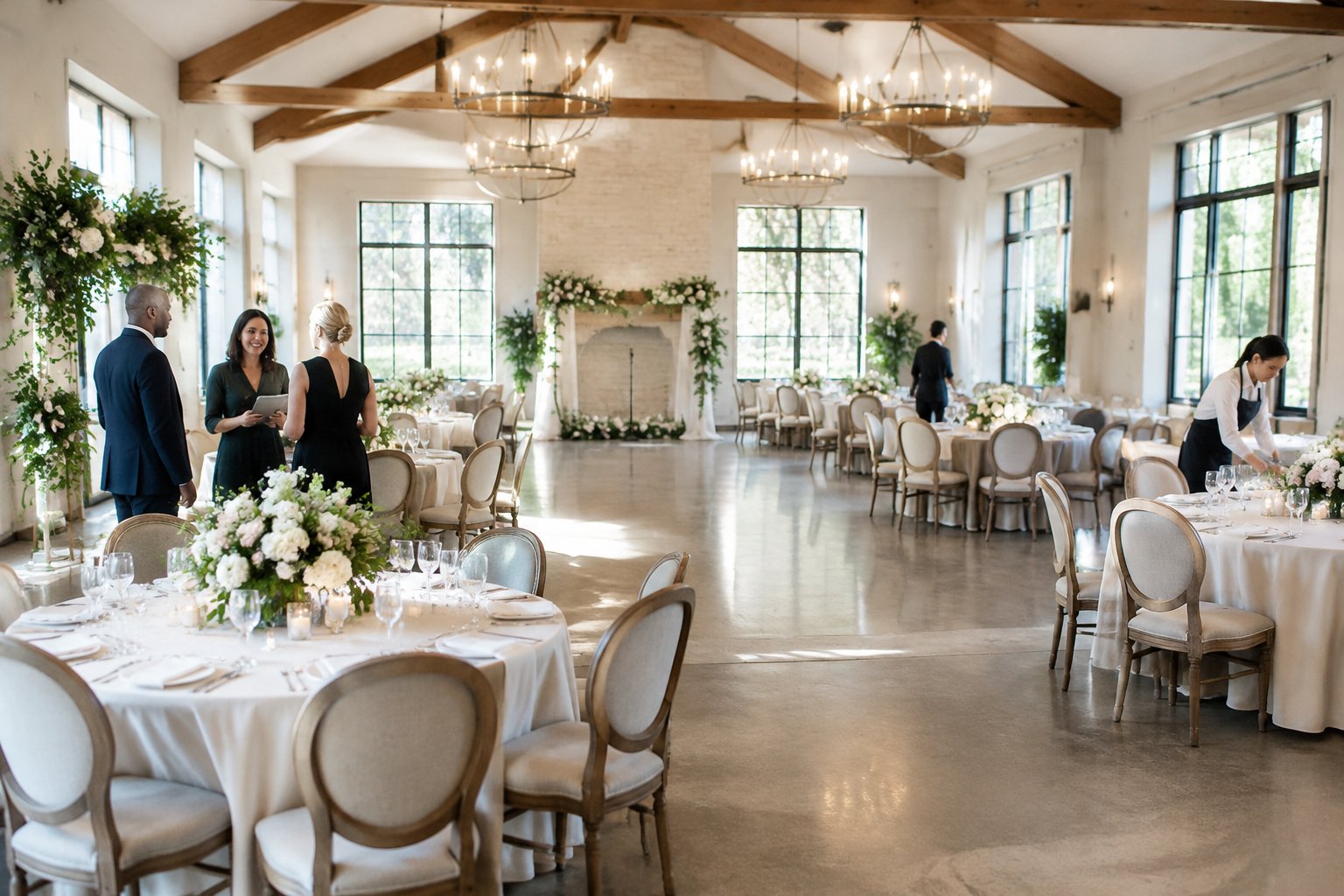
A room can feel crowded when tables block walkways, or sparse when guests sit far apart. Think through the full event setup before you book.
What Venue Size Will Feel Comfortable?
Choose a venue that can fit your expected headcount in the layout you plan to use. A seated dinner with dancing needs room for tables, chairs, a dance floor, catering access, and clear paths between areas. A cocktail-style reception uses a different layout, so ask the venue to show the space arranged for your format.
Confirm whether the quoted capacity applies to a seated meal or a standing event. Check the ceremony space separately if you’re holding both parts of the day at the same venue. A sample table count for 100 guests can help you discuss the floor plan with the venue team.
How Can Seating Arrangements Encourage Conversation?
Arrange tables so guests can see the couple and feel connected to the main celebration. Ten round tables seating ten people each are one possible starting point, while long tables or a mixed layout can suit the room’s shape and your style.
Group guests by the people they know, then make space for relatives and friends who may be arriving on their own. Keep walkways clear for guests and staff, and consider accessibility when assigning seats. Use wedding table layout ideas to compare formats before you finalize the plan.
What Smaller-Wedding Options Could Suit You Better?
A smaller wedding may suit you if you want a closer gathering, a simpler guest list, or more room in your budget for selected details. Options range from a destination wedding to a micro wedding or elopement.
Each format changes the guest experience and planning needs. A destination celebration can limit attendance because travel takes more time and money, while a local micro wedding keeps the gathering small and easier to reach for nearby guests.
Could a Destination Wedding Make the Guest List More Intimate?
A destination wedding can lead to a smaller guest list because travel costs, time away, and logistics affect who can attend. You can make the celebration welcoming by sharing dates and travel details early and choosing a location that works for your closest guests.
The final headcount is less predictable when travel is involved. Ask invitees to respond by a firm date and confirm attendance before making final venue and catering commitments. For planning, use a destination wedding guest-count estimate as a starting point.
What Wedding Trends Are Inspiring Smaller Celebrations?
Recent wedding trends include smaller guest lists, relaxed meal formats, and celebrations shaped around shared experiences. These choices can help you focus on conversation, a favorite setting, or a personal activity with the people you invite.
A micro wedding offers a ceremony and reception for a small group, while an elopement centers on the couple and may include a handful of guests. You can also keep a 100-person guest list and borrow small-wedding ideas, such as handwritten notes or a family-style meal. Choose the format that matches your priorities, then set the guest count and budget before you book.