
Is 2 Hours Enough Time for Wedding Photos? What to Expect
If you’re asking, “Is 2 hours enough time for wedding photos?” Two hours can be enough for a focused set of wedding photos, such as your ceremony, couple portraits, and a short list of family groups, but it rarely covers a full wedding day. Your wedding photographer can help you choose the moments that fit your schedule and plan the time around them.
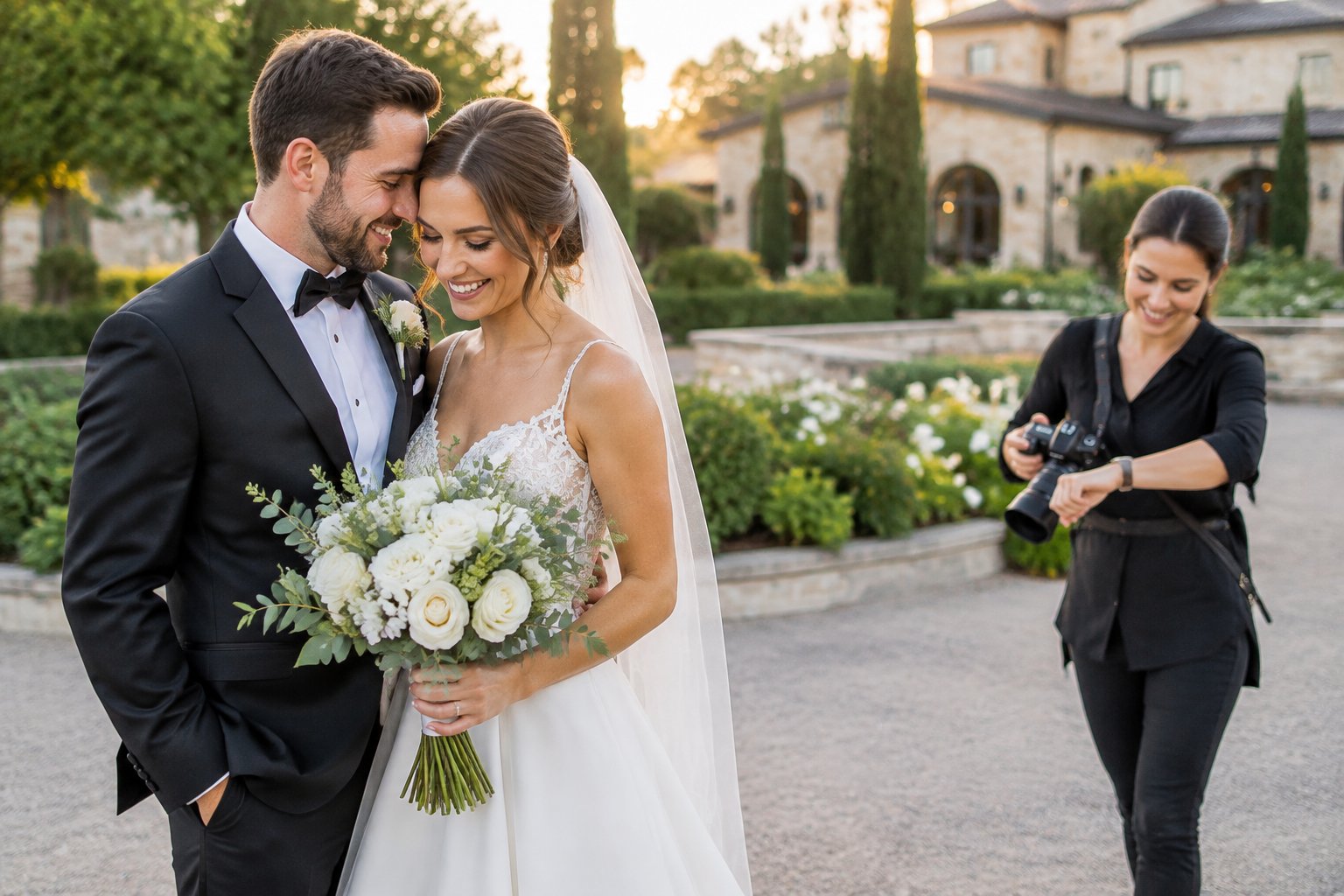
A short photo window works best when your locations are close and your priorities are clear. Share your ceremony time, travel plans, and must-have photos with your photographer, then ask them to draft a two-hour timeline for you.
What Can Two Hours of Wedding Photos Realistically Include?
Two hours can fit a planned portrait session or a small slice of your wedding day, with the exact mix shaped by your guest list and schedule. A first look can move couple portraits earlier, while family formals and wedding party photos need time for people to gather.
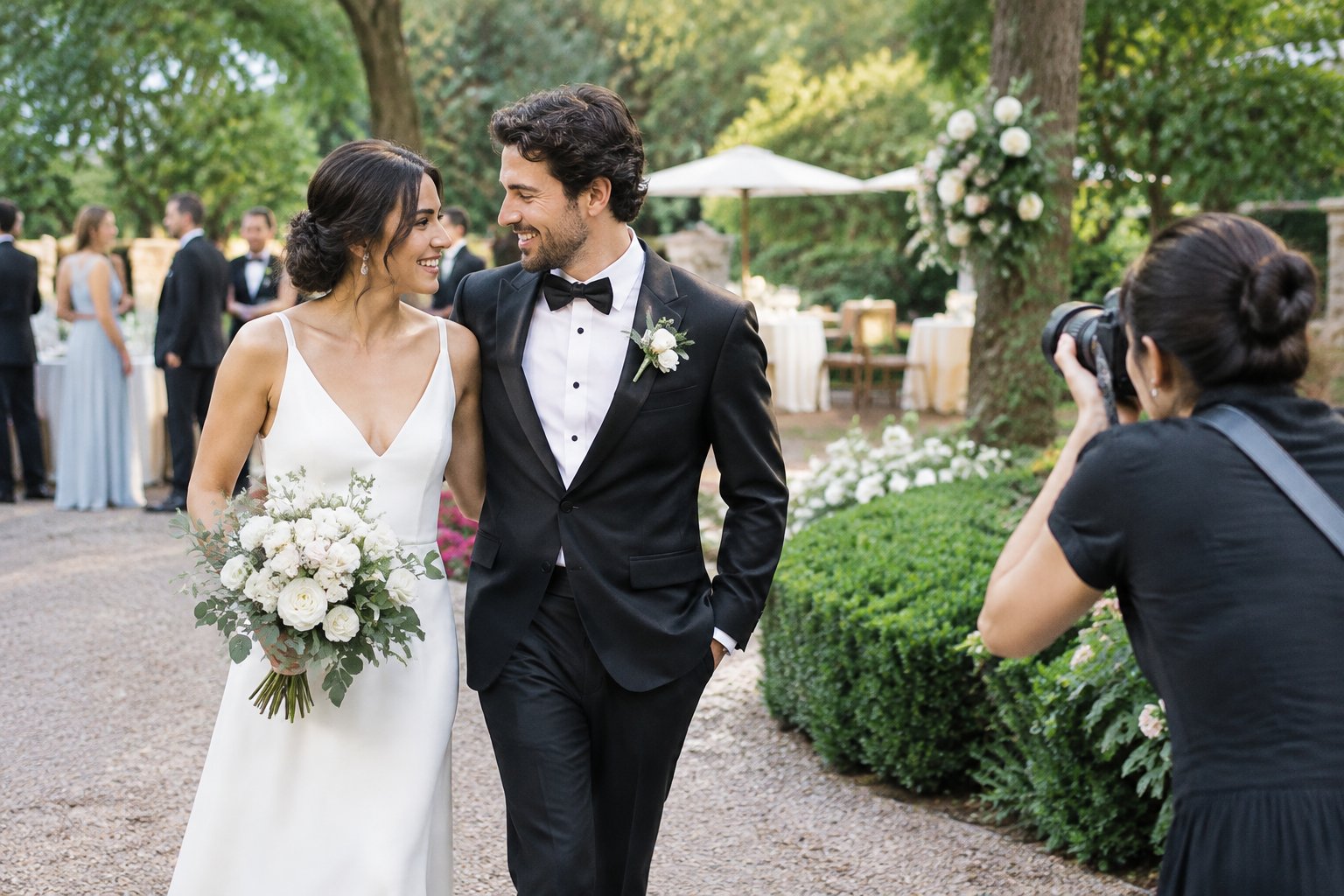
A Sample 120-Minute Photo Timeline
A two-hour portrait block before the ceremony could look like this:
- 0:00–0:10: First look and a quiet moment together
- 0:10–0:35: Couple portraits
- 0:35–0:55: Wedding party photos, including bridal party photos and groom portraits
- 0:55–1:25: Family formals from a prepared group list
- 1:25–1:40: Buffer for walking, touch-ups, or a late group
- 1:40–2:00: Extra portraits or photos of the ceremony space
This plan assumes everyone is dressed and ready at the start, and the photo locations are nearby. A first look can help you finish some group photos before the ceremony. If you’re deciding when to schedule one, consider how a first look can fit into your wedding timeline.
How Much Time Portraits and Group Photos Need
For a focused session, set aside about 20 to 30 minutes for family formals and another 15 to 30 minutes for wedding party photos. Couple portraits can take 15 to 45 minutes, depending on how many locations or looks you want.
Each added grouping takes time to assemble and photograph. Give your photographer a short list in advance, and ask a family member to help call people over. If you want a long portrait session, a large number of family combinations, and photos of both sides of the wedding party, two hours will feel tight.
Photo Session Time vs. Photographer Coverage
A two-hour photo session gives you a set block for planned pictures, while wedding photography coverage is the full time your photographer is booked to document the day. That coverage can include candid moments and scheduled events while you spend time with guests. Check the start and end times in your package so you know which parts of the day fall within it.
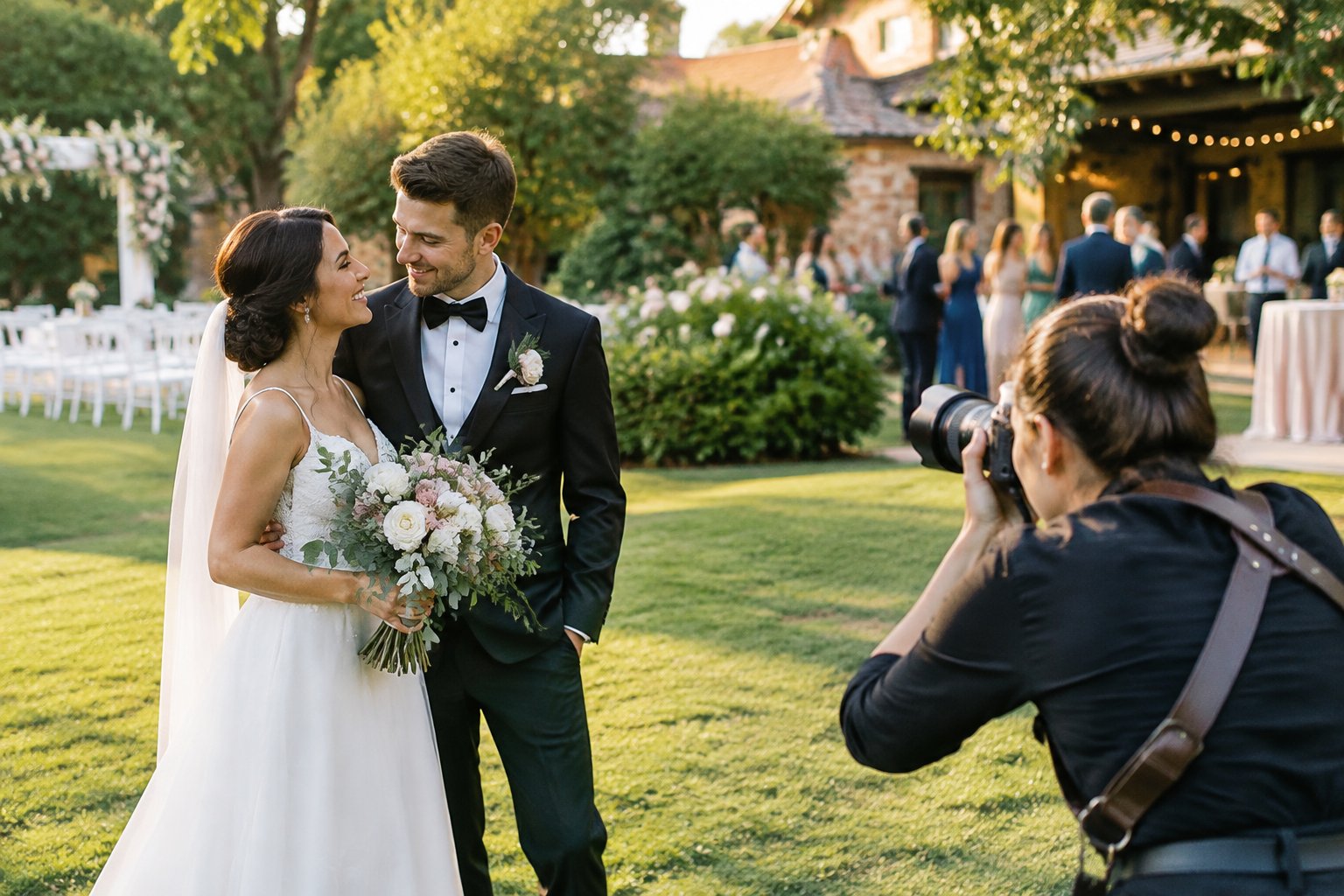
Why Two Hours of Photos Is Not the Same as Two Hours of Coverage
Your photographer can take pictures throughout booked coverage, including arrivals, the ceremony, and reception events. A planned portrait session uses part of that time for posed photographs. Travel, gathering family members, and moving between locations also take up time in your schedule.
Ask how your photographer counts coverage and whether travel between venues is included. If your plan includes a ceremony and reception, a three-hour wedding timeline may help you compare a short event schedule with a two-hour portrait block.
What Eight Hours of Wedding Photography Can Capture
Eight hours of wedding photography can cover a broad part of a traditional wedding day, such as getting ready, portraits, the ceremony, and key reception events. Your exact start and end times decide which moments fit. An early start can include final preparations; a later finish can capture more of the reception.
Eight hours still calls for choices when you have separate venues, a long travel gap, or a late send-off. Review the schedule with your photographer and ask which events will fall inside the booked window. You can also compare your plans with this guide to whether eight hours is enough for a wedding.
Which Wedding Moments May Not Fit?
A two-hour window usually captures one focused part of the day, so moments outside that block will need separate coverage. Getting-ready photos, cocktail hour, and later reception events each require your photographer to be present at a different time.
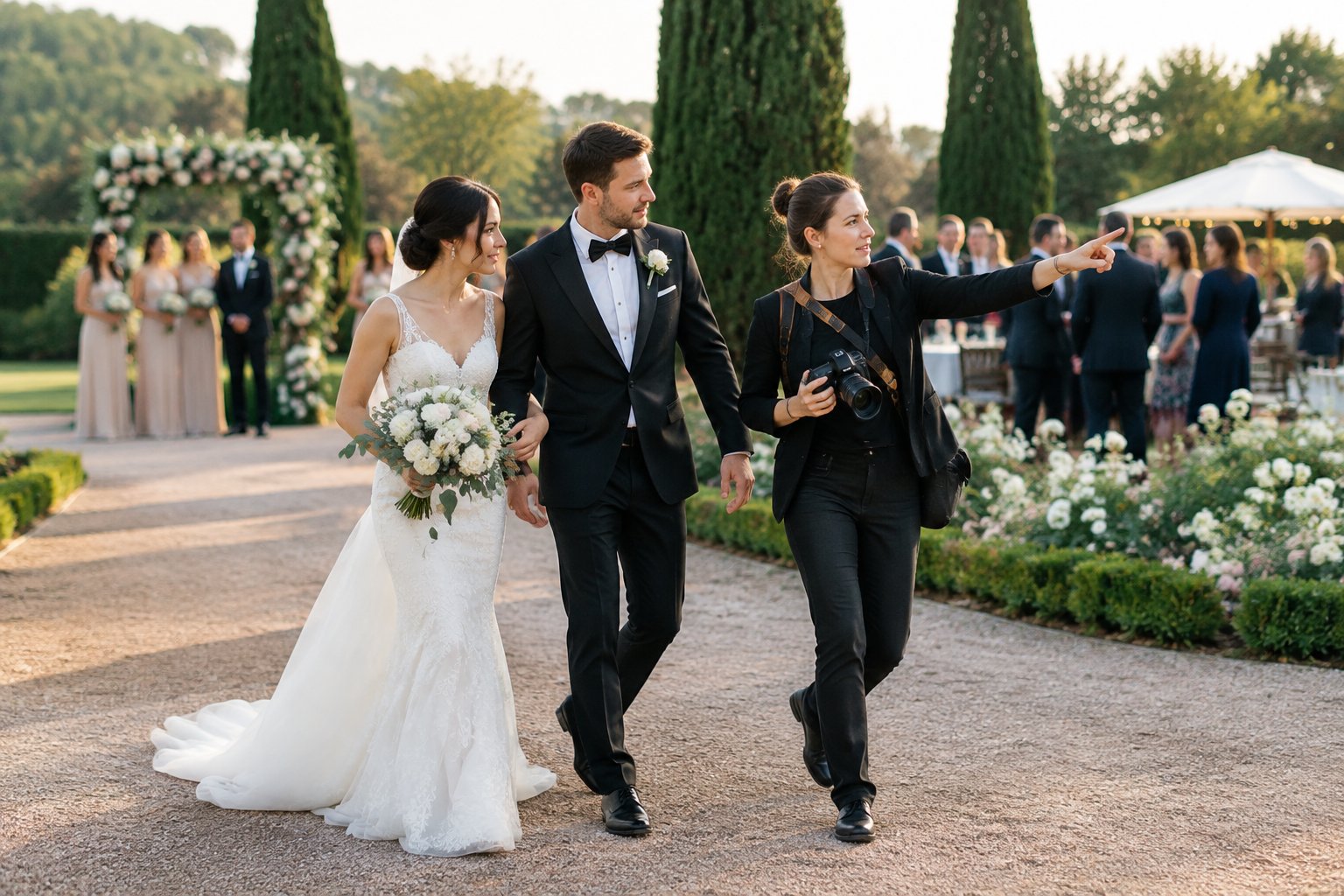
Getting Ready and Cocktail Hour
Getting-ready photos take place before the ceremony and can include details, final preparations, and time with your wedding party. If you want both partners’ preparations documented at different locations, plan for additional coverage or ask whether a second photographer is available.
After the ceremony, family formals and couple portraits can use much of cocktail hour. That leaves less time for candid photos of guests mingling. If the reception is a priority, map out its schedule and decide whether your photographer should stay for the events you care about. This guide to whether photographers stay for the whole wedding can help you think through coverage end times.
Reception Events and the Send-Off
First dance, parent dances, cake cutting, and open dancing may happen hours after a two-hour photo block ends. A sparkler exit also needs to fall within your photographer’s booked coverage to be photographed professionally.
You can choose a short coverage window around one key event, such as your ceremony and immediate family photos, or book a later block for reception highlights. A two-hour wedding reception has its own timing needs, so set the reception schedule before choosing when photography starts and ends.
How Can You Make a Two-Hour Photo Window Work?
You can make a two-hour photo window smoother by choosing your must-have images in advance, keeping travel short, and building in a little schedule flexibility. A clear wedding planning timeline helps your photographer use the available wedding photo time well.
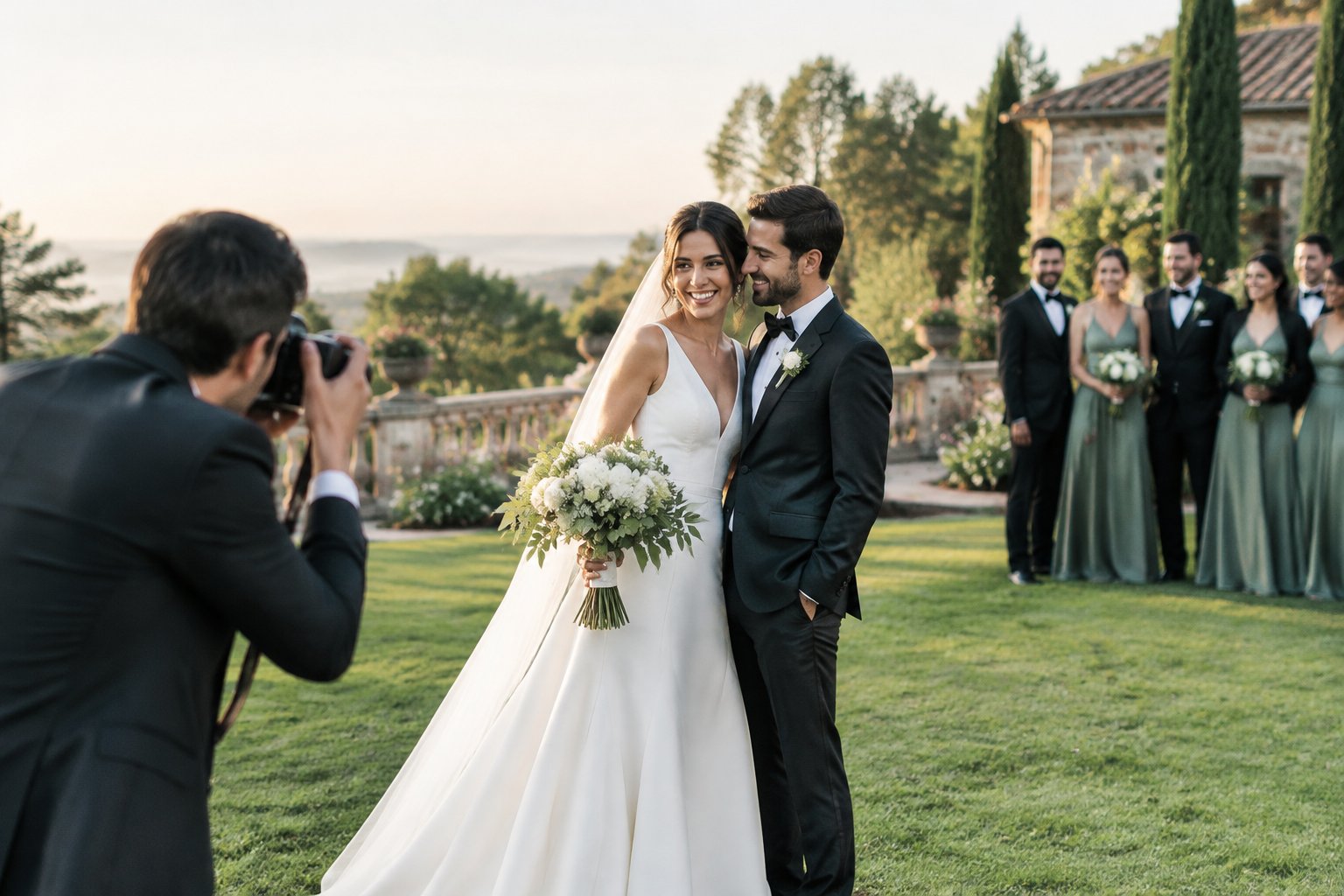
Prioritize Must-Have Photos Before the Wedding
Write down the photos you care about most, then give the list to your photographer before the wedding. Separate essentials from extra requests so your photographer can work through the key images first if the schedule slips.
For family formals, list each group by name and identify anyone who needs help moving or standing. Tell each person when and where to meet, and ask a relative or wedding party member to gather people. If you’re still building the schedule, decide when to start planning your wedding timeline early enough to confirm photo locations and travel time.
Reduce Travel and Group-Photo Delays
Choose portrait spots close to your ceremony or reception site whenever possible. Include walking, parking, and loading time in your schedule, even if the drive looks short on a map. A small travel delay can take time away from portraits.
Have everyone in the wedding party ready before the photo window begins. Keep family groupings concise and ask your helper to stay with the list while the photographer takes pictures. A 5- to 15-minute buffer around transitions gives you breathing room for touch-ups or a late arrival.
Fit Golden Hour Portraits Into the Schedule
Golden hour portraits can give you soft, warm light near sunset, but the timing depends on your wedding date and location. Ask your photographer when sunset falls and whether a brief portrait break can fit between reception events.
You can schedule a short golden hour session as a separate block during your photographer’s coverage. Confirm who will watch the timeline and how long you’ll be away from guests. If sunset falls outside your two-hour window, decide whether that light is a priority before you book.
When Should You Book More Photography Time?
Book more than two hours when you want photos from several parts of the day or your schedule includes multiple locations and events. Your wedding photographer can help match the coverage window to your timeline and the moments you want documented.
Consider Your Timeline, Locations, and Priorities
Start with the first moment you want photographed and the last one you want included. Add time for travel, ceremony length, family formals, portraits, and reception events. If those moments are spread across several hours, a two-hour booking will leave gaps.
A small ceremony at one location with a short portrait list can fit a compact plan. A day with getting-ready photos, a ceremony, and reception traditions needs a longer coverage window. If your estimate lands between two and four hours, compare options such as whether four hours is enough for your wedding.
Decide Which Moments Matter Most to You
Choose the moments you would most like to revisit in your gallery. You might value the ceremony and family portraits, the getting-ready moments, or the energy of the dance floor.
Set your coverage start and end times around those priorities, then ask your photographer to confirm what fits. If two hours covers your main priority, share the plan and ask what transitions need extra time.
If your must-have list spans the morning through the reception, request a longer coverage estimate and check when the photographer’s workday would begin and end.