
Is 200 a Lot for a Wedding? Size, Costs, and Planning
A 200-person wedding is a large celebration by U.S. standards, with a lively atmosphere and a guest list that affects your budget, venue, and planning needs. If you’re asking, “Is 200 a lot for a wedding?” the answer is yes: 200 guests is a large wedding, though it can suit your family, traditions, and vision.
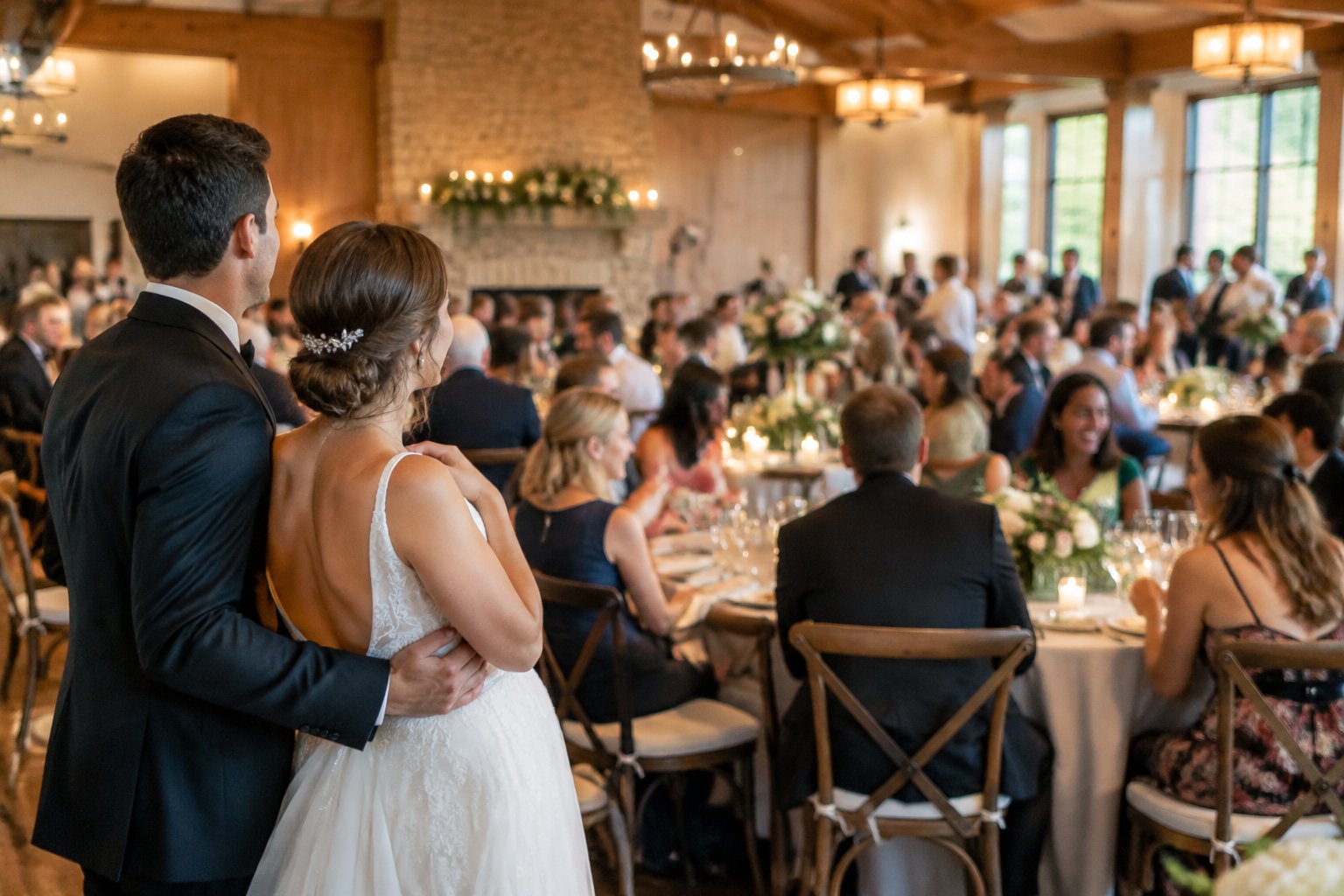
Your guest count shapes the event you can host. With 200 people, you’ll need enough room for dinner, dancing, and smooth movement through the venue, along with a budget that covers guest-related expenses.
Where 200 Guests Falls on the Wedding-Size Scale
A 200-person wedding falls at the large end of the wedding-size scale in the United States. Recent national averages sit around 117 guests, so your celebration would welcome many more people than a typical U.S. wedding.
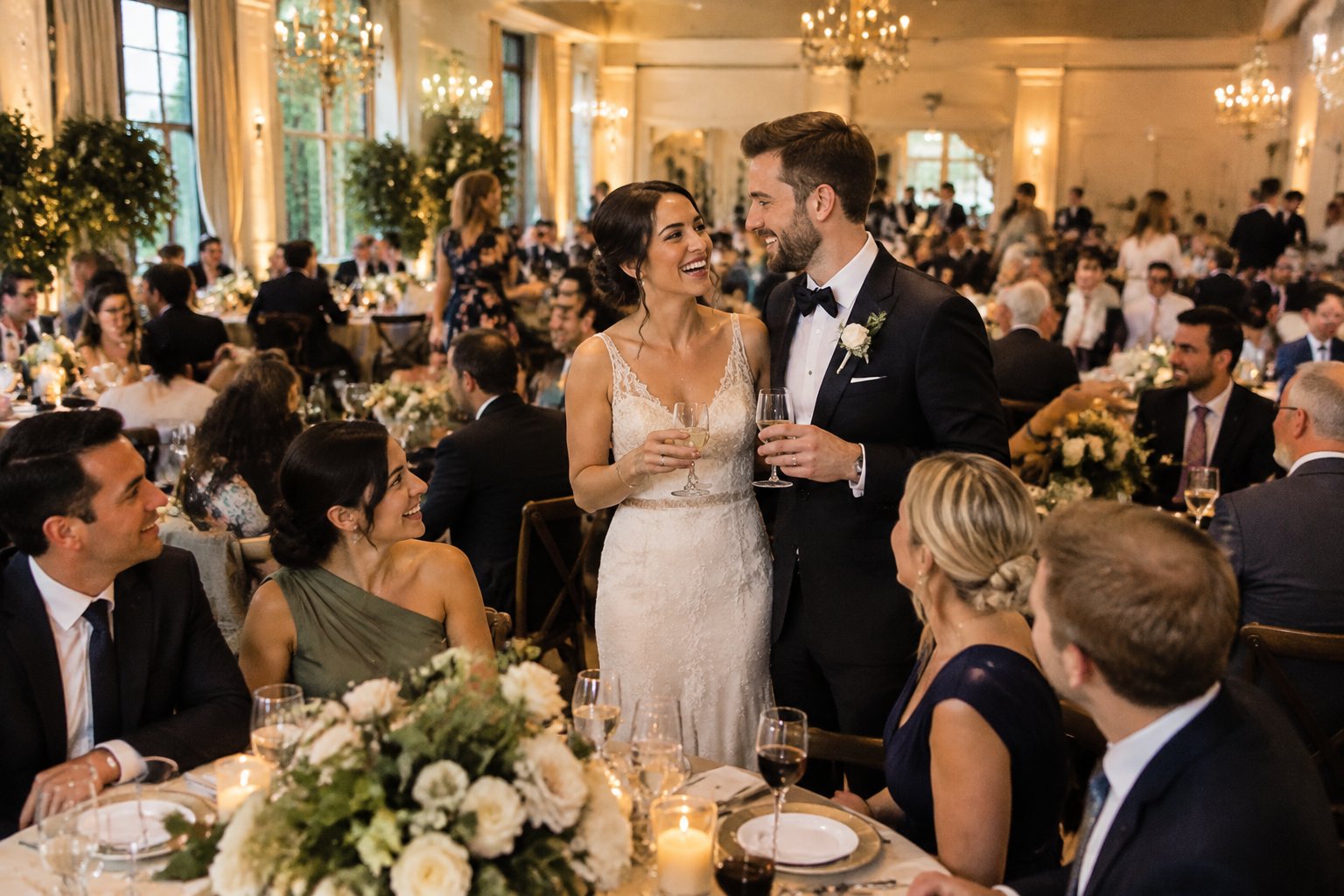
How Does 200 Compare With the Average Wedding Size?
With 200 guests, your wedding would be well above the recent U.S. average of about 117 guests. Guest-count labels vary, though many couples and planners describe weddings with 150 or more people as large.
You can use the average wedding guest list as a reference point, then consider how your own family and social circles compare. A larger guest list may feel natural if you have a wide network or family traditions that bring many people together.
How Do Small, Intimate, and Micro Weddings Differ?
A small wedding often includes around 50 to 100 guests, giving you room for close family and friends while keeping the event more contained. An intimate wedding usually centers on a smaller group, often around 20 to 50 guests.
A micro wedding is smaller still, with a guest count that can range from a handful of people to a few dozen. Those labels are flexible. If you’re weighing a smaller celebration, a small wedding guest count can help you compare the scale with your priorities.
Why Can the Same Guest Count Feel Different From One Wedding to Another?
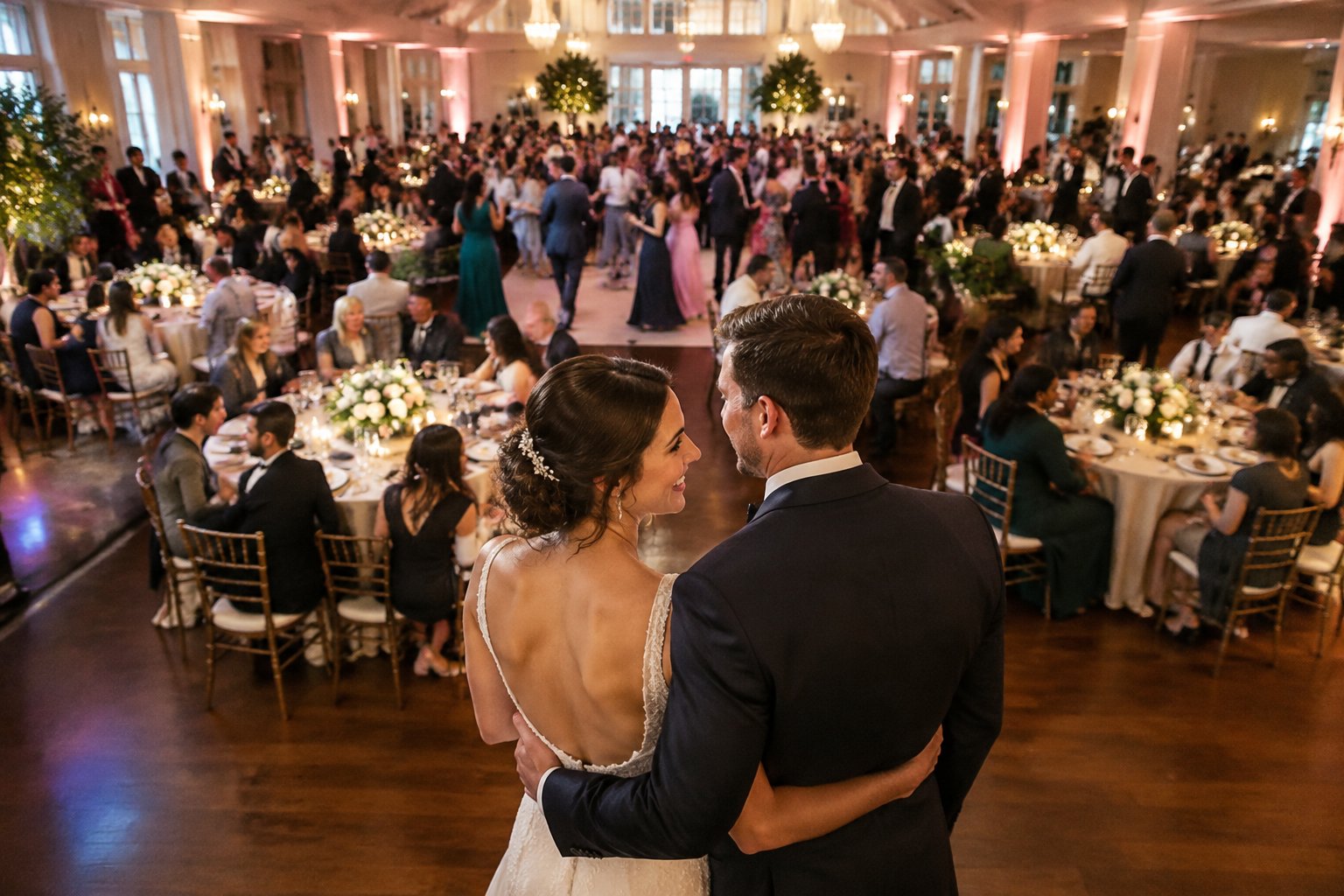
Your venue, seating plan, and event style affect how 200 guests feel in the room. A spacious ballroom with a clear layout can feel comfortable, while a compact venue with a crowded dance floor can feel busy at the same headcount.
The guest list itself also changes the mood. A 200-person wedding with many shared family connections may feel warm and familiar. A list that brings together several separate social groups may feel more like a large community gathering.
How Guest Count Changes the Wedding Budget
A 200-person guest list raises your wedding budget because food, drinks, seating, and other per-person expenses grow with attendance. Your location, menu, and vendor choices shape the final cost, so start with a working estimate for each guest.
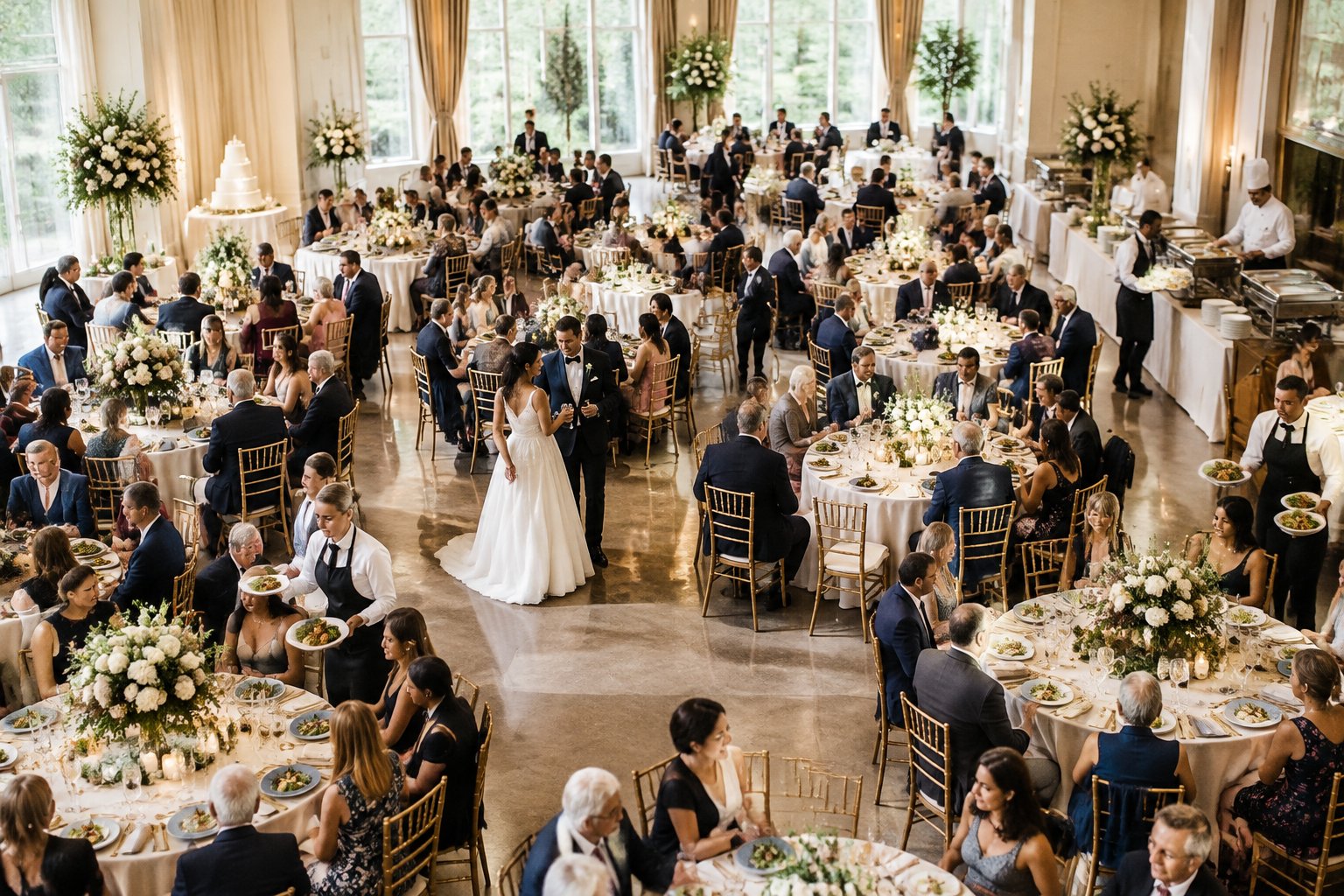
Which Wedding Costs Rise With Each Guest?
Wedding catering and bar service are among the clearest guest-based costs. Each added guest also affects rentals, place settings, printed menus, and seating materials. Favors and welcome gifts add to the bill when you provide one for each attendee.
Some expenses stay fairly steady as your headcount changes, such as photography or attire. Other costs can jump when a larger guest count calls for a bigger room, more staff, extra equipment, or shuttle service. Ask vendors which charges are per person and which are fixed.
How Can You Estimate Costs Before Setting the Guest List?
Start with the amount you can spend, then set a per-person limit for food, drinks, rentals, and other guest-related costs. A wedding budget per person can help you build a rough estimate before you finalize names.
For a simple starting point, multiply your estimated per-guest costs by 200, then add fixed expenses such as photography, entertainment, and attire. Ask vendors about service charges, taxes, and minimums so your estimate reflects the full bill. If the total runs high, review the guest count and your largest per-person choices.
Can Your Venue and Vendors Handle 200 Guests?
A 200-person wedding needs a venue and vendor team prepared for the guest count and the layout you want. Capacity, service flow, and guest access all affect how comfortably the celebration runs.
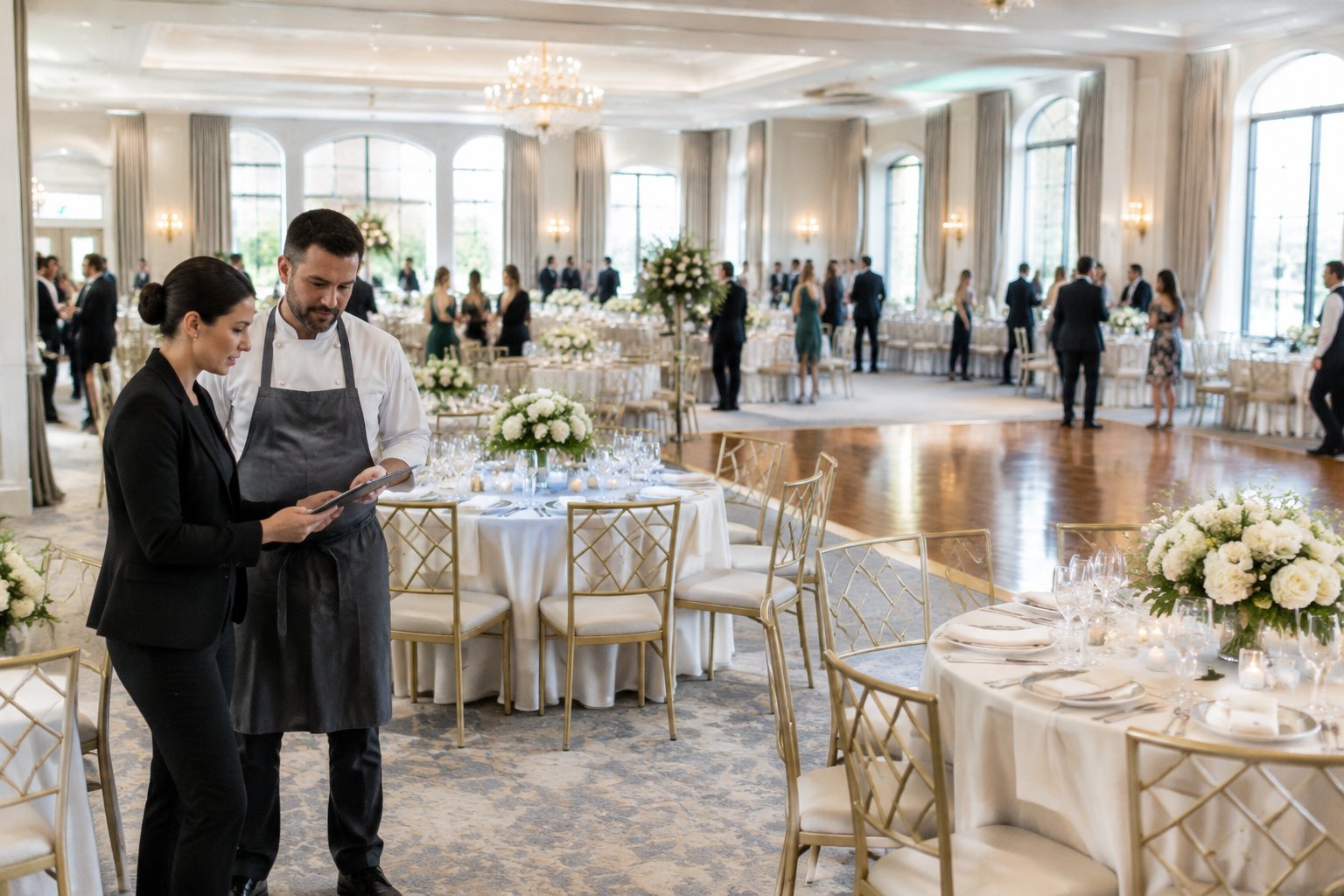
What Should You Check When Choosing a Venue?
Check the venue’s seated capacity for your planned setup, including the dance floor, band or DJ area, bars, and service paths. A venue’s maximum occupancy may not match the number it can seat comfortably for dinner. Ask the venue to show you a floor plan with your table layout and event features included.
If you’re using round tables, the number of tables for 200 guests depends on how many people each table seats. Also ask about heating or air conditioning, restrooms, parking, and any rules for outside rentals.
How Can You Plan Catering, Transportation, and Accessibility?
Give your caterer the expected headcount early and confirm when the final number is due. Discuss meal choices, dietary needs, service style, and the number of staff assigned to your event. A clear plan helps dinner service move smoothly across a large room.
For transportation, share directions and parking details with guests well before the wedding. If the ceremony and reception are in different places, consider how guests will travel between them. Check accessible routes, seating, restrooms, and drop-off areas so guests with mobility needs can take part comfortably.
Will a Large Celebration Match Your Vision?
A large wedding suits your vision when you want to celebrate with a broad circle of family and friends. Your guest experience will depend on how well the event’s scale fits the atmosphere you want.
How Do Traditions and Family Expectations Affect Guest Count?
Family size, cultural customs, and religious traditions can all shape your guest list. You may have relatives who expect extended family to attend, or parents who hope to invite longtime friends. Talk through those expectations with your partner before you set the final count.
If others are contributing to the wedding budget, agree on how guest invitations will be shared. Clear guidelines help you make room for important relationships while keeping the list within your budget and venue capacity.
What Kind of Guest Experience Do You Want?
Think about how much time you want to spend with each guest and what you want the celebration to feel like. A 200-person wedding can bring an energetic reception and a wide mix of guests. With a large group, you’ll need a plan for greeting people and helping them connect.
Table visits, a welcome gathering, or a relaxed brunch can give you more chances to talk with guests. If you want a quieter celebration with more time for each person, a smaller guest list may suit that goal.
How to Keep a 200-Person Guest List Manageable
You can manage a 200-person guest list by setting clear invitation rules and tracking every response in one place. A consistent system helps you share updates with your partner, family, venue, and vendors.
How Should You Set Invitation Rules?
Start with a list of people you both consider essential, then add other guests in groups such as extended family, friends, and coworkers. Decide how you’ll handle plus-ones, children, and invitations for parents’ friends before sending invites.
Agree on the rules with anyone helping pay for the wedding. When you need to set limits, use the same policy for each group and explain it kindly. A clear wedding invite list gives you a consistent way to review names as the count grows.
How Can You Track RSVPs and Plan for Attendance?
Keep guest names, household details, meal choices, dietary needs, and RSVP status in one spreadsheet or guest-management tool. Set a response deadline that gives you time to follow up with guests and send your final count to vendors.
Track invitations by household, since one invitation can cover several people. Follow up with guests who have not replied, then update your seating plan as responses come in. Use your confirmed count, vendor deadlines, and venue layout to guide the final arrangements.