
Is 3 Months Salary Engagement Ring? Exploring the Tradition and Its Relevance Today
When it comes to buying an engagement ring, you might have heard the rule that suggests spending three months’ salary. This idea actually stems from a marketing campaign in the 1930s, and today it’s not a strict guideline you need to follow.
Many couples find that the amount they spend should reflect personal values and financial situations rather than a predetermined formula.
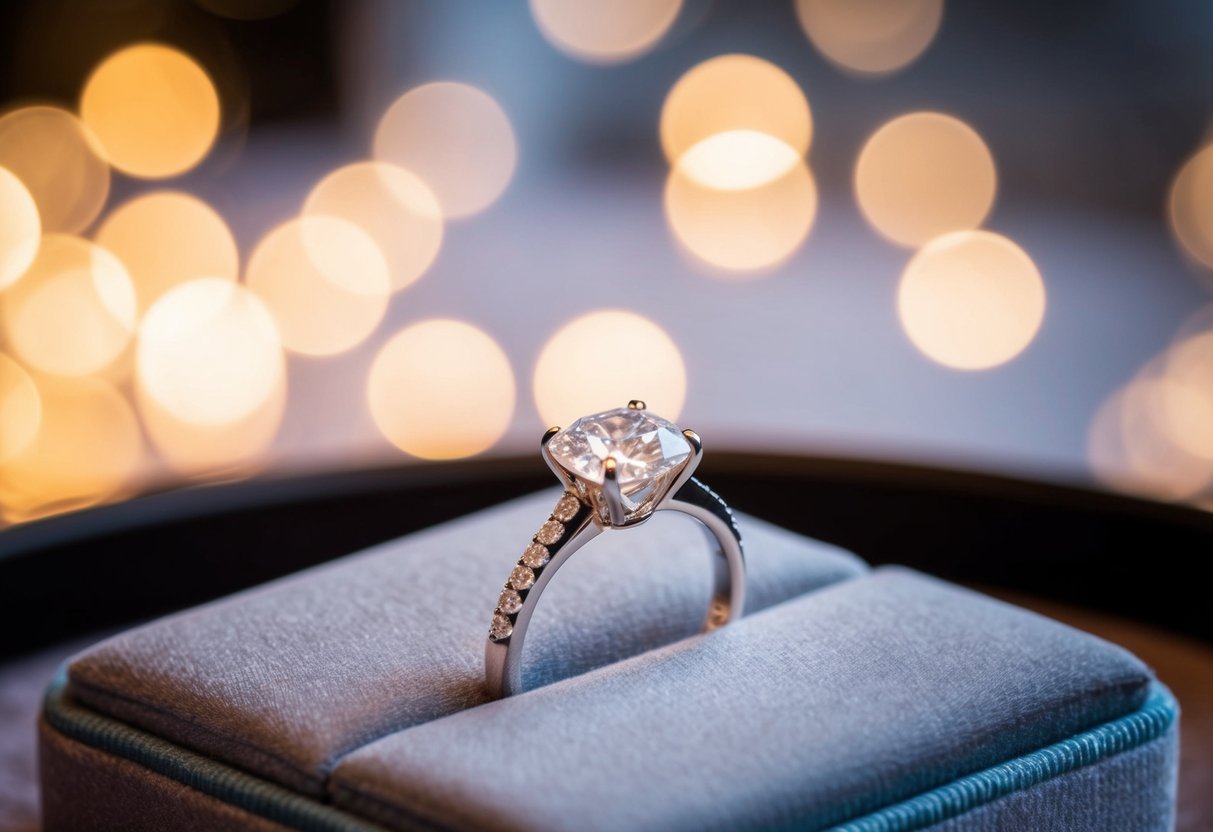
Understanding why this rule became popular can help you make a choice that’s right for you. While some people still believe in spending three months’ salary, many others choose a different approach based on their own preferences and circumstances. Exploring these options can lead to a more meaningful decision.
As you plan for this special purchase, remember that the ring symbolizes your love and commitment, not just its price tag. By focusing on what feels right for you and your partner, you can find a ring that truly represents your future together.
Understanding the 3-Month Salary Rule
The 3-month salary rule for engagement rings suggests that you should spend about three months’ worth of your salary on an engagement ring. This idea has a long history and has changed over time. Let’s explore where this rule came from and how people view it today.
Origins of the Rule
The 3-month salary rule dates back to the 1930s. It began as a marketing strategy by the diamond company De Beers. Their goal was to boost the sales of diamond engagement rings.
At that time, diamonds were not as popular for engagement rings. De Beers wanted to create a standard by suggesting that spending a significant amount on an engagement ring showed love and commitment. This message caught on, and soon, many couples began to follow this guideline.
Modern Perspectives
Today, many people question the 3-month salary rule. Jewelers and experts often agree that it is no longer practical. Most couples are now more focused on personal preferences and budget when choosing rings.
The average cost of an engagement ring is around $5,500, according to recent studies. However, some couples opt for much less. You can choose a ring that fits your financial situation without feeling pressured to stick to a traditional rule. Many agree that what truly matters isn’t the cost but the sentiment behind the ring.
Evaluating Your Financial Situation
When thinking about spending on an engagement ring, it’s crucial to understand your financial situation. Knowing your budget and considering different financing options can help you make a decision that fits your needs.
Creating a Budget
Start by assessing your income and expenses. Track your monthly earnings and where your money goes. Look at essential costs like rent, groceries, and bills. Then, consider how much you can reasonably set aside for an engagement ring.
The average cost of an engagement ring in the U.S. is around $5,500. Decide if you want to follow the traditional three-month salary rule or create a more personalized budget. Think about what feels right for you and your partner.
It’s a great idea to set a specific target. Having a clear number in mind will keep your spending in check and help you avoid any financial stress later.
Alternative Financing Options
If your budget limits what you can afford upfront, explore alternative financing options. Some jewelers offer payment plans that allow you to spread the cost over time. This can ease some of the financial pressure.
You might also consider personal loans or credit cards with low-interest rates. Just be sure to read the fine print and understand any fees involved.
Additionally, you can look for second-hand rings or choose lab-created stones, which can cut costs significantly. Shopping around can help you find the best options within your budget.
Exploring Engagement Ring Options
Choosing an engagement ring involves a lot of exciting decisions. You will need to consider the type of stone, the setting, and whether you want a custom design. Each choice can lead to a unique ring that reflects your style and love story.
Diamonds and Gemstones
When it comes to stones, diamonds remain the classic choice. They symbolize enduring love and come in a variety of shapes and sizes. According to a recent study, diamonds cost around $5,500 on average.
Lab-grown diamonds are an eco-friendly alternative. They are real diamonds but created in a lab, often at a lower price.
Gemstones like sapphires, emeralds, and moissanite can add a unique touch. Moissanite is known for its brilliance and affordability, making it a popular choice among couples looking for something different.
Ring Settings and Metals
The setting holds the stone and can dramatically change the ring’s appearance. Common settings include solitaire, halo, and three-stone designs.
Solitaire settings showcase a single stone, while halo settings feature smaller stones surrounding the center gem for added sparkle.
Next, consider the metal for the band. Options include white gold, yellow gold, rose gold, and platinum. Each metal has its own look and durability. White gold offers a modern feel, while rose gold brings warmth and a romantic touch.
Custom Design Possibilities
Custom engagement rings allow you to create a piece that’s truly unique. You can choose every element, from the stone to the setting, ensuring it reflects your personal style.
Working with a jeweler can help bring your vision to life. Share your ideas and preferences to create a design that matches your love story.
Custom pieces can also incorporate meaningful elements, like a family heirloom or specific gemstones that hold significance to you. This option may require more time, but the result is a one-of-a-kind ring that you will treasure forever.
Deciding on Carat Weight and Quality
Choosing the right carat weight and quality of a diamond is essential when selecting an engagement ring. These factors not only affect the ring’s appearance but also its price. Understanding how to balance these elements helps make a wise choice.
Understanding Carats
Carat weight measures a diamond’s size. One carat equals 200 milligrams. For many, a 1-carat diamond is a popular choice. It’s large enough to make an impression without being overly flashy.
When you consider carat weight, remember that larger stones can cost significantly more. Prices can increase sharply as you go up in carat weight. Think about your budget and how much you’re willing to spend.
You might find that a 0.90-carat diamond looks almost identical to a 1-carat diamond but can save you money. A slight drop in carat weight can lead to big savings!
Balancing Size with Quality
Carat weight is critical, but diamond quality is just as important. Quality depends on the cut, color, and clarity of the stone. A well-cut diamond will sparkle brilliantly, regardless of its weight.
Look for a diamond with a good cut grade, which enhances its brilliance. Color refers to the diamond’s hue, with D being colorless and Z showing noticeable color. Aim for a G-H color grade for a good balance between quality and value.
Clarity measures the presence of inclusions or blemishes. A diamond that is VS1 or VS2 clarity has minor imperfections, almost invisible to the naked eye. Choosing quality over size can make your diamond stand out and create more value in the long run.