
Is 3pm a Good Time for a Wedding? Pros, Cons, and Timeline
Yes, a 3 p.m. wedding is a good choice if you want a relaxed afternoon ceremony followed by an evening reception. It gives you and your guests time to get ready, while leaving room for photos, dinner, and dancing.
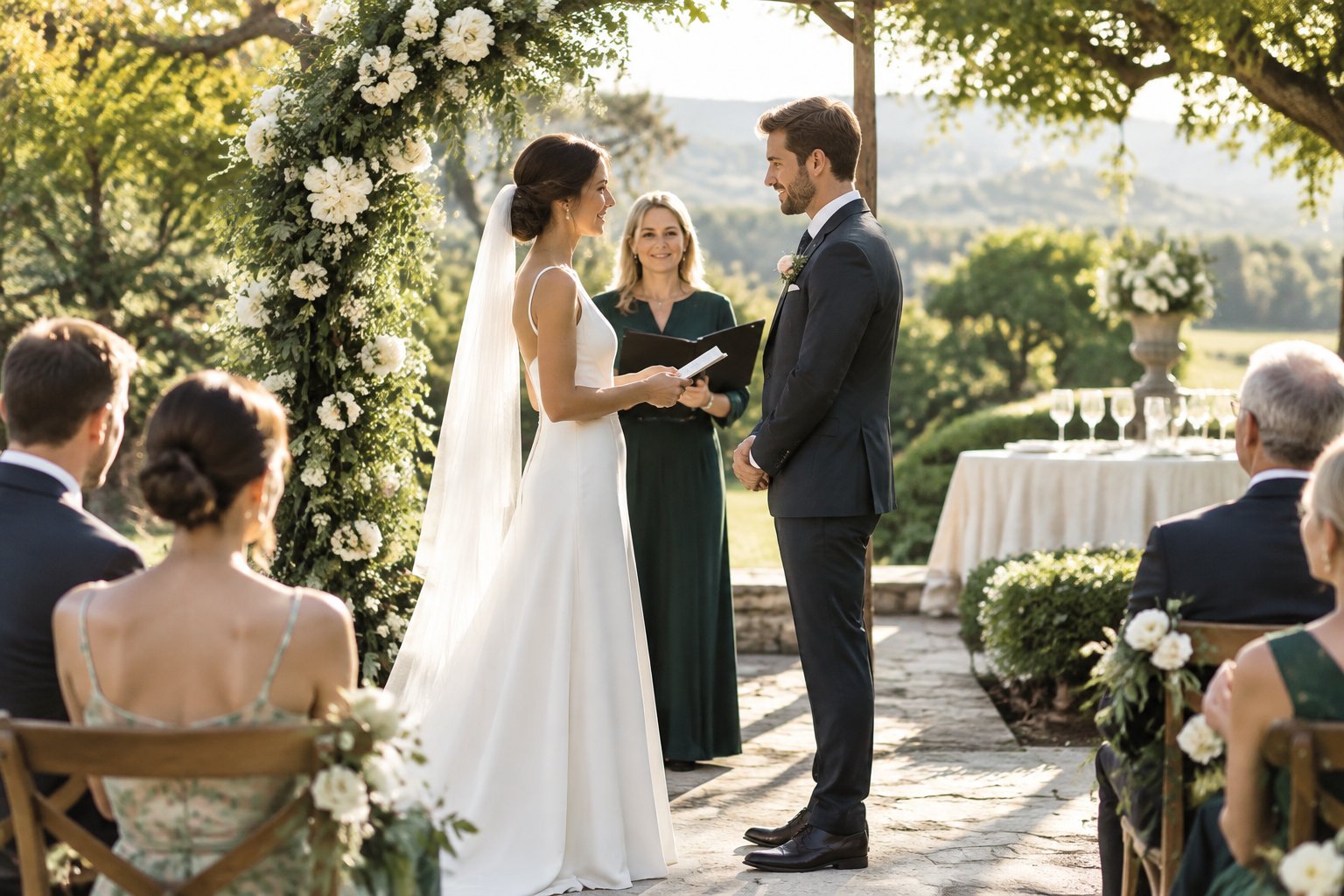
A 3 p.m. ceremony works especially well on a weekend and at a venue with a smooth path from vows to cocktails. Before you settle on the time, check the sunset for your date and confirm when your venue needs the event to end. You can also compare it with other popular wedding start times to see which best fits your celebration.
Why a 3 P.M. Start Can Work Well
A 3 p.m. start gives your wedding day a comfortable pace and leaves plenty of time for an evening celebration. Your wedding planning can account for a restful morning, time for portraits, and a natural transition into the reception.
How Does This Start Time Make the Day More Relaxed?
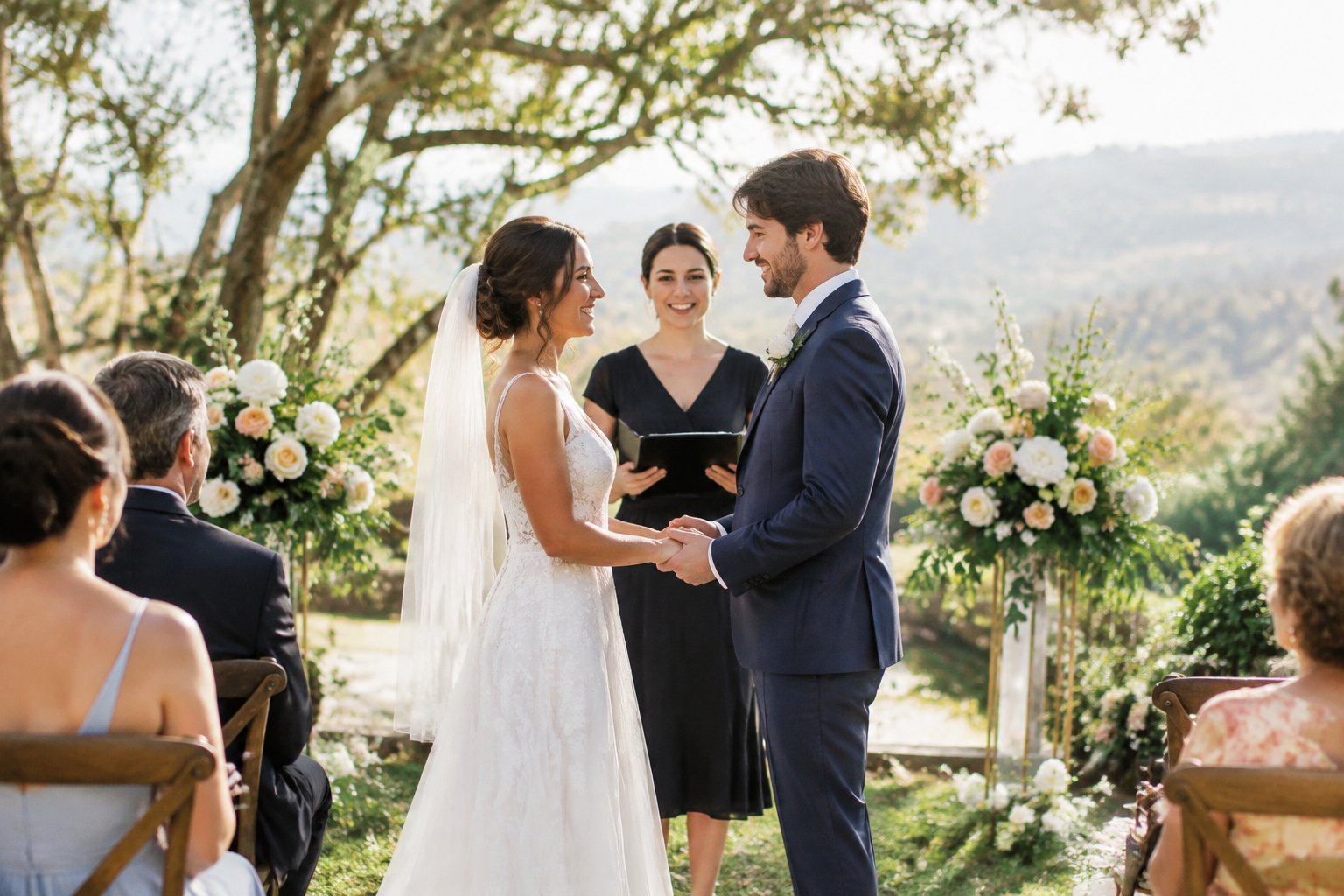
You can start the day with breakfast and getting-ready time before guests arrive. A 3 p.m. ceremony also avoids an early morning start for your wedding party, while giving you time to fit in a first look or family photos.
For guests, the schedule leaves most of the morning free. A weekend afternoon can suit people traveling from nearby, and a ceremony ending around 3:30 p.m. can flow into cocktails and dinner without a long gap.
What Are the Main Drawbacks to Consider?
You’ll need an early start for hair, makeup, and pre-ceremony photos, especially with a large wedding party. Your photographer and other vendors may also need more coverage hours if the celebration runs into the evening.
A 3 p.m. ceremony can feel early for dinner, so make the meal plan clear on your wedding website. In summer, afternoon heat or strong sun can affect an outdoor ceremony. In winter, early sunset may leave little daylight for portraits after the vows.
How to Build a 3 P.M. Wedding Day Timeline
A well-planned wedding timeline gives each part of your day enough time, with a buffer for travel and small delays. Your wedding planner, photographer, and wedding party should all have the same schedule.
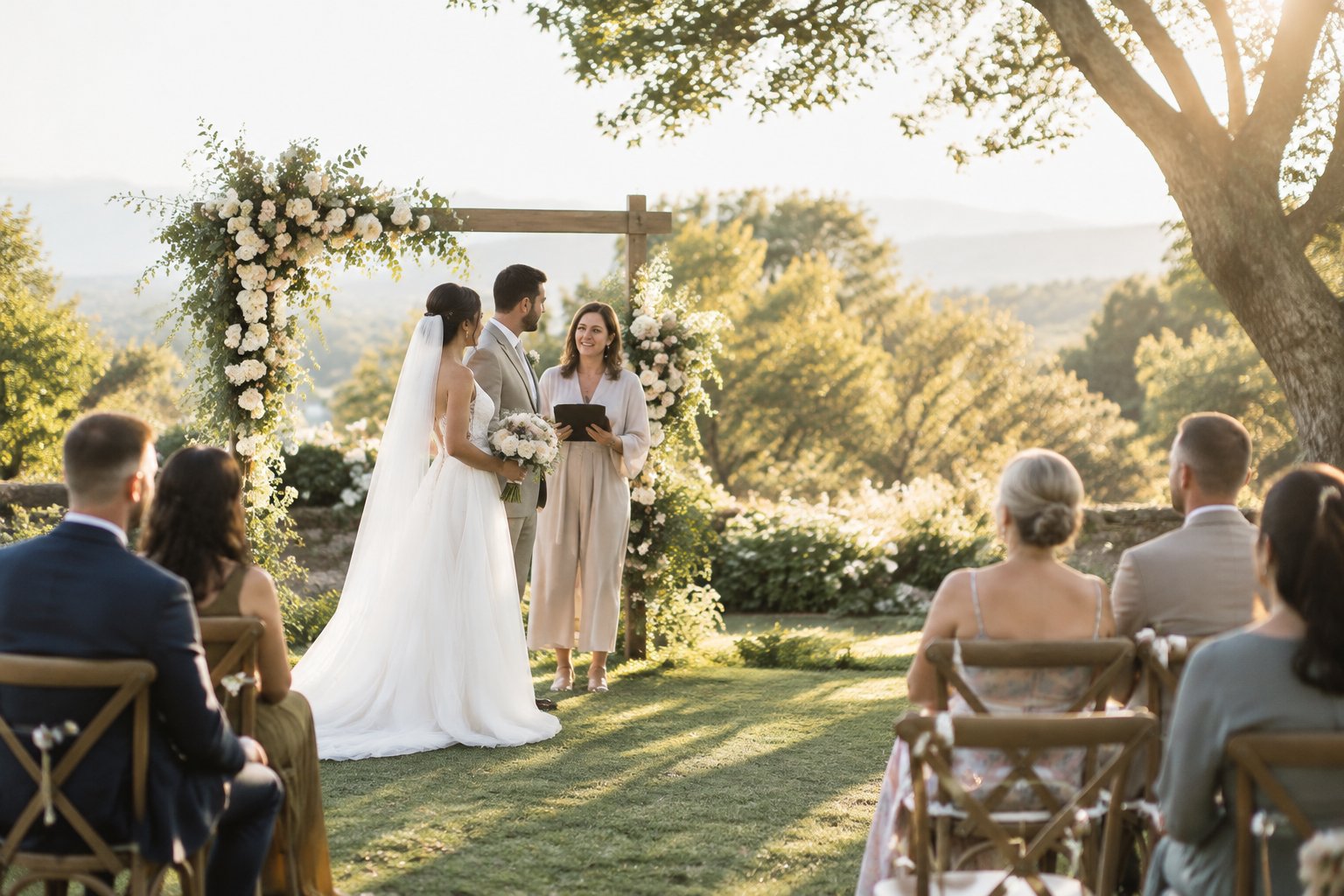
A sample wedding day timeline can help you estimate the flow, then you can adjust it for your venue, ceremony length, and photo priorities. For a closer look at a 3 p.m. wedding day itinerary, use a schedule that reflects your own travel and vendor needs.
What Should Happen Before the Ceremony?
For a 3 p.m. ceremony, getting ready may begin around 8 a.m. Your start time will depend on how many people need hair and makeup, how many stylists you have, and whether your photographer is capturing those moments.
A sample schedule could look like this:
- 8 a.m.: Hair and makeup begin.
- 11:30 a.m.: Photographer arrives for getting-ready photos.
- 12:30 p.m.: You get dressed and finish touch-ups.
- 1 p.m.: First look and couple portraits, if planned.
- 2 p.m.: Wedding party and family photos.
- 2:30 p.m.: Guests arrive; you take a quiet break and prepare for the ceremony.
- 3 p.m.: Ceremony begins.
Your ceremony length and venue layout will shift these times. Build in travel time between locations, and share the finished schedule with your vendors and wedding party. A clear wedding timeline helps everyone know where to be and when.
Should You Schedule a First Look?
A first look gives you time for couple portraits before the ceremony. You can also take wedding party photos before guests arrive, leaving more of cocktail hour free for greeting people.
Plan the first look early enough to allow for portraits, touch-ups, and any travel to the ceremony site. Your photographer can help set the length based on your preferred photo list and the locations you’ve chosen.
How Does the Schedule Change Without a First Look?
Without a first look, you’ll usually take couple portraits after the ceremony while guests enjoy cocktails. Keep family and wedding party photo lists organized so you can move through them promptly.
A 3:30 p.m. ceremony end could leave about an hour for cocktails and portraits before the reception. If daylight is limited, prioritize the essential group photos and schedule a short couple session later when the light is softer.
How Will the Ceremony Time Shape the Reception?
A 3 p.m. ceremony sets up an early evening reception with time for cocktails, dinner, and dancing. Your wedding reception timeline should account for meal service, special dances, and the venue’s end time.
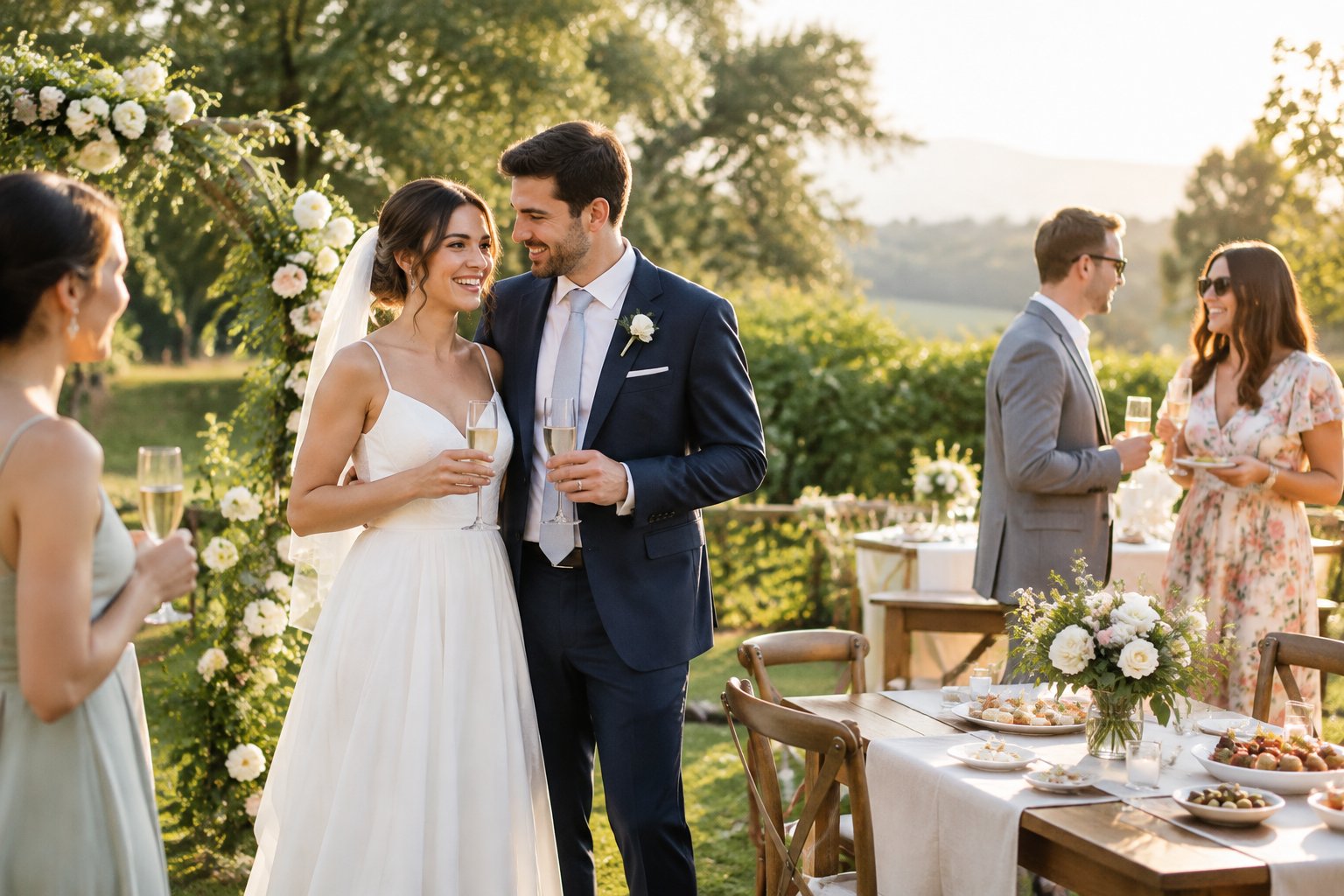
Tell guests when the reception begins and what kind of meal to expect. Clear timing helps them plan around the gap between the ceremony and dinner.
When Should Cocktail Hour and Dinner Begin?
If your ceremony ends around 3:30 p.m., you can start cocktail hour soon after. A 60-minute cocktail hour puts your reception entrance around 4:30 p.m., with dinner service beginning near 5 p.m.
A 3 p.m. wedding may call for a full dinner, especially if dancing continues into the evening. If you’re planning a lighter menu, explain the food plan on your wedding website; meal ideas for a 3 p.m. wedding can help you choose an option that fits the timing. Some traditions call the post-ceremony meal a wedding breakfast, though your guests will appreciate knowing whether to expect lunch, dinner, or substantial appetizers.
How Can You Make the Evening Reception Flow Well?
Set the reception pace with a grand entrance, dinner, and toasts, then schedule your first dance and open the dance floor. You can place cake cutting before dancing or during a brief pause, depending on the atmosphere you want.
A sample schedule might begin with a 4:30 p.m. reception entrance, dinner at 5 p.m., and dancing around 7 p.m. Leave room for speeches and transitions, and check how long your venue allows for the evening reception. A typical wedding reception schedule can help you compare the order of events.
What Should You Check Before Choosing 3 P.M.?
Before choosing a 3 p.m. wedding ceremony, check the sunset time, outdoor conditions, and guest comfort for your date and venue. Those details affect photo timing and the experience of sitting through an afternoon ceremony.
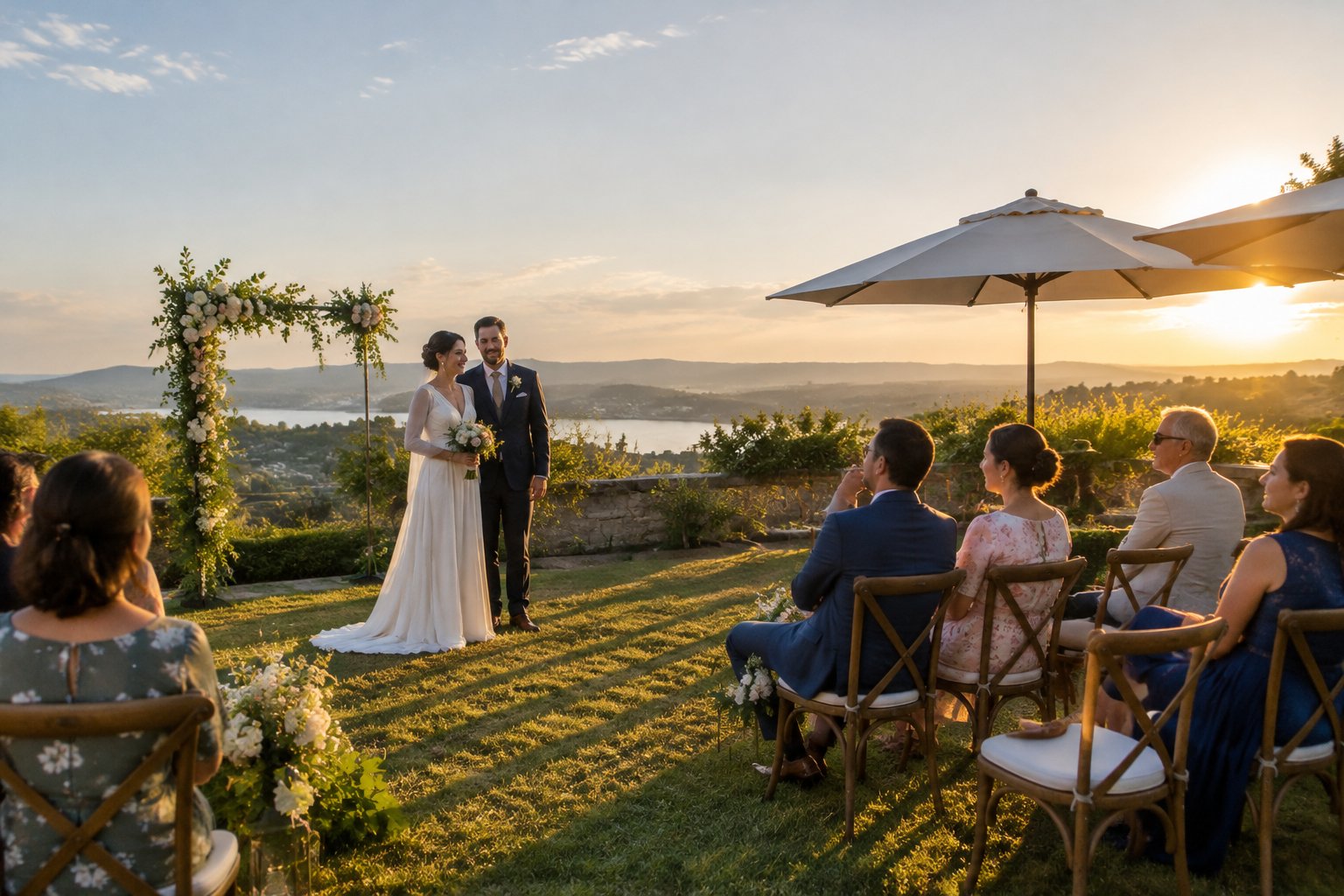
Your location and season shape how much daylight you’ll have after the vows. Ask your photographer and venue coordinator to review the schedule with you before you print invitations.
How Do Season and Sunset Affect Photos?
Check sunset for your exact date and location before you confirm the ceremony time. In summer, sunset comes later, while fall and winter dates can lose daylight earlier. A 3 p.m. start may give you time for portraits before dusk, though the available window changes by season.
Ask your photographer when to plan golden hour photos and sunset portraits. If sunset comes early, take key portraits before the ceremony or move couple photos into cocktail hour. Save a little time for a brief portrait session during the reception if you want softer evening light.
What Should You Plan for an Outdoor Ceremony?
Visit the ceremony site around 3 p.m. if possible, and note where the sun falls across the seating and altar. Positioning guests out of direct glare can make the ceremony more comfortable and help you avoid harsh shadows in photos.
Check for shade, a rain plan, and access to water. Confirm how long setup takes and whether vendors need time to move equipment from the ceremony to the reception space.
How Can You Keep Guests Comfortable?
Let guests know when to arrive and where to go, especially if the ceremony site is a walk from parking. For an outdoor event, provide shade or a sheltered seating option and keep water available as guests take their seats.
If your ceremony takes place in hot weather, choose a shaded location and keep the service concise. For a cooler date, tell guests whether the ceremony is outdoors so they can dress for the conditions. A clear note on your invitation or wedding website helps guests plan for the afternoon.