
Is 50 People at a Wedding Too Small? A Planning Guide
A 50-person wedding is a small, intimate celebration, and 50 people at a wedding is not too small if the guest list feels right to you. You can share the day with a close circle of loved ones and shape the celebration around the way you want to spend it.
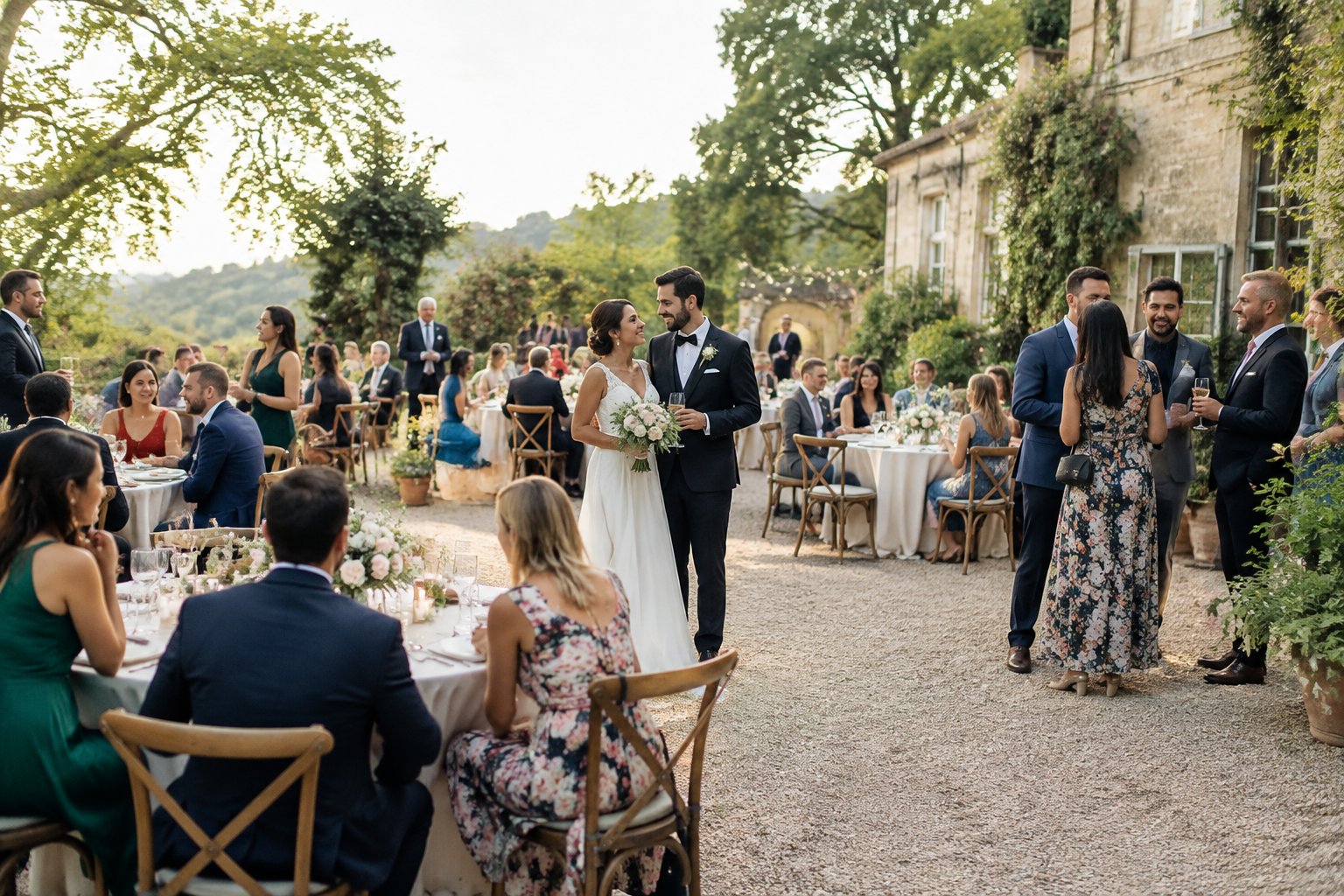
Your guest count will influence your venue, budget, and the time you get to spend with each person. If a 50-person celebration feels right, start by listing the people you most want beside you and comparing that number with your budget and venue options.
Where 50 Guests Fits on the Wedding-Size Spectrum
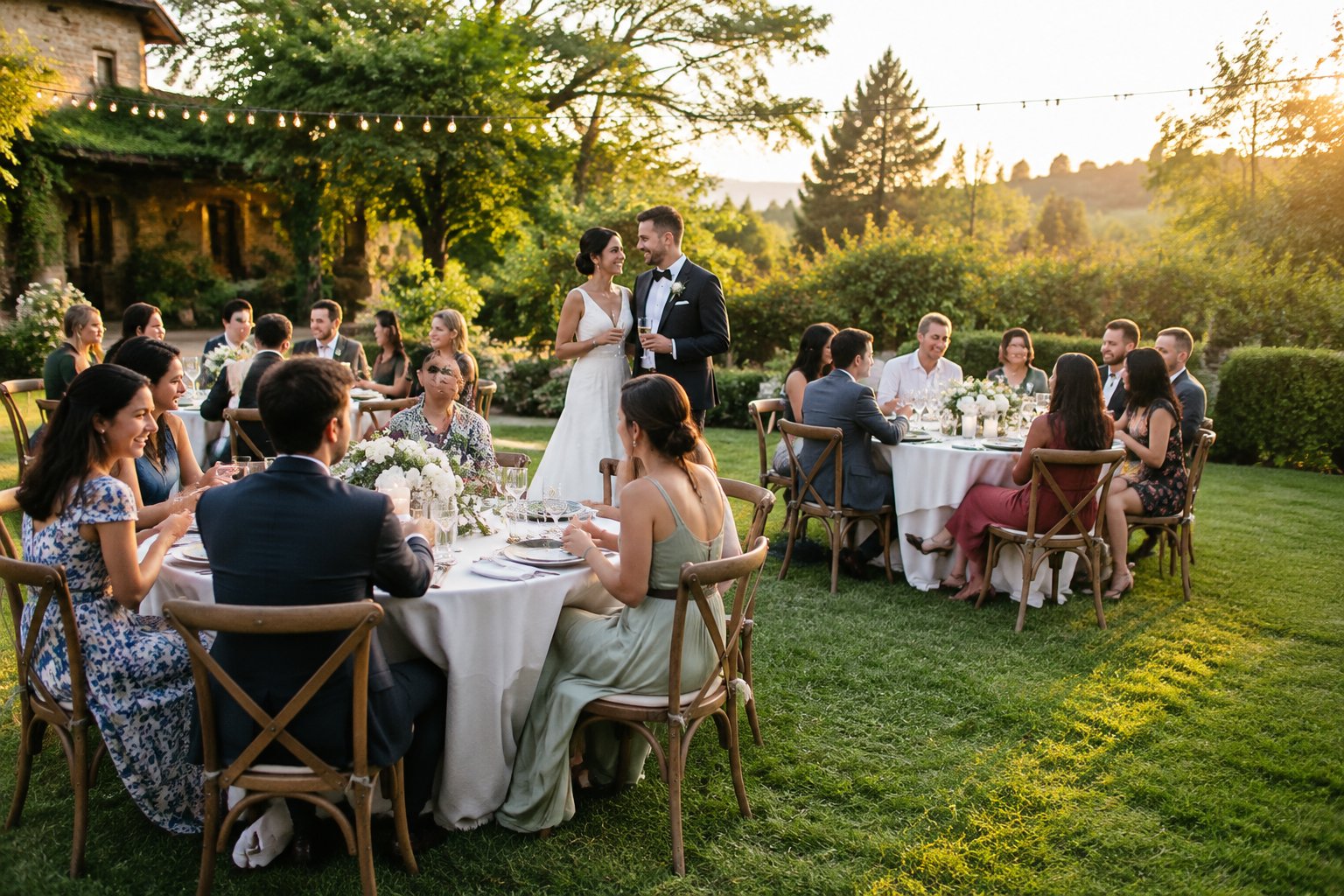
A 50-person wedding usually falls at the small end of the wedding-size spectrum, though the labels vary from one planning guide to another. Your guest count alone does not determine how intimate the day feels; your venue, traditions, and guest mix shape the atmosphere too.
How Wedding Size Categories Are Commonly Defined
Many planning guides use 50 guests or fewer as a rough marker for a small wedding. A medium wedding is often placed somewhere around 50 to 150 guests, while a large wedding tends to mean more than 150.
These are loose categories, not firm rules, so a 50-person event might be described as small or intimate. If you want a clearer sense of where your guest list falls, explore how big a small wedding can be.
Your event can include the familiar parts of a larger wedding, such as a ceremony, dinner, and dancing, at a more personal scale.
Why 50 Guests Can Feel Large or Small Depending on the Couple
Your 50-person wedding may feel spacious if your circle is close-knit and your venue is compact. The same count may feel small if your family traditions include a wide circle of relatives, friends, and community members.
Think about the room and the people who will fill it. A garden, private dining room, or small event space can bring guests together, while a large ballroom can make the gathering feel more spread out.
Your sense of wedding size comes from the experience you want to create.
What Are the Benefits and Tradeoffs of a Smaller Celebration?
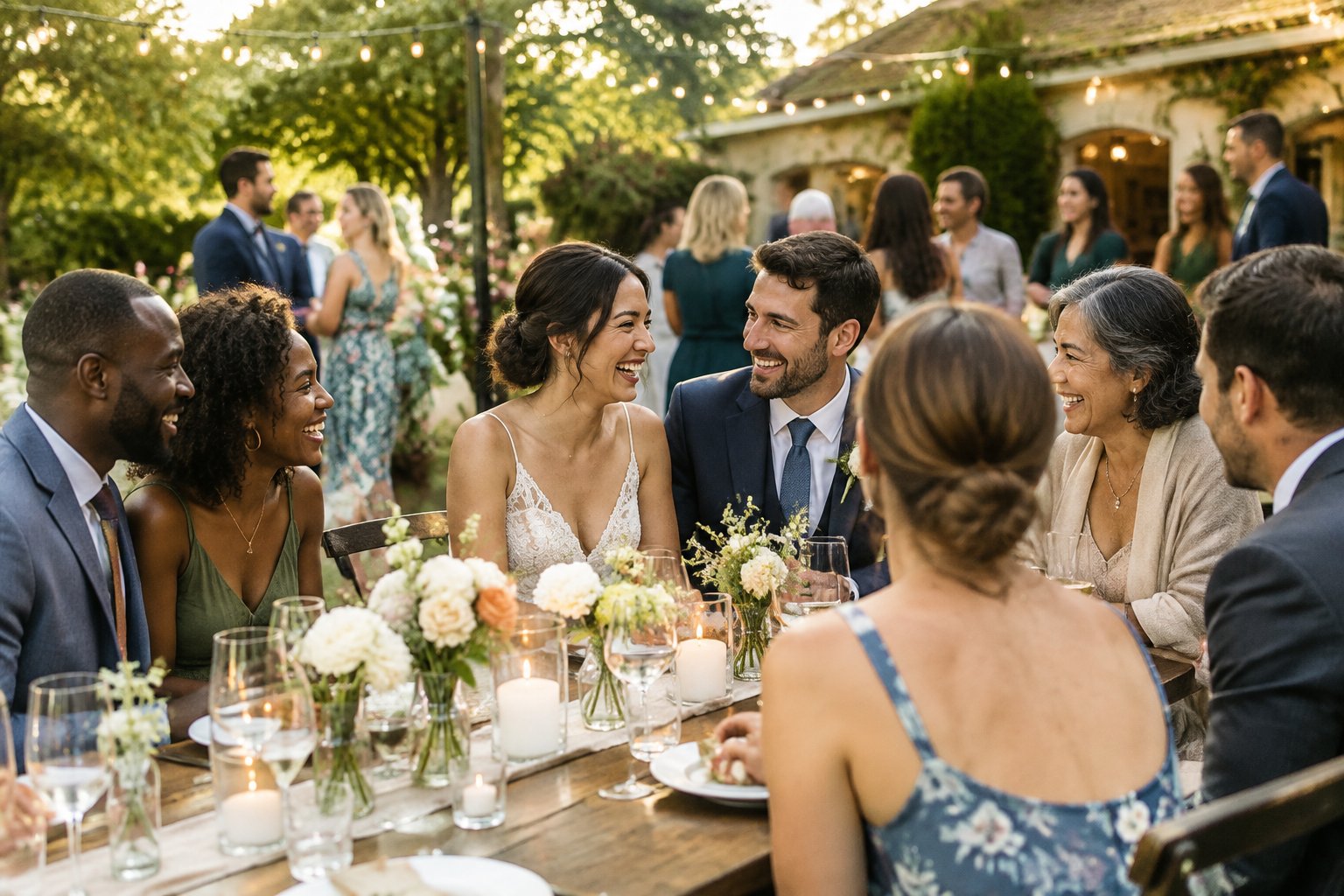
A small wedding gives you more chances to connect with each guest and make personal choices about the day. It also asks you to set clear guest-list limits, which can lead to difficult conversations with people you care about.
More Time for Meaningful Connections
With fewer guests, you can build time into the day for real conversations. You might be able to greet everyone without rushing from table to table, and your guests have more chances to spend time together.
That close-knit feeling can shape the whole guest experience, from a relaxed meal to shared stories during toasts. If you want to weigh the feel of a smaller celebration against a larger one, consider whether a small wedding is a good fit for you.
Greater Flexibility and Personalization
A smaller guest list gives you more venue choices, including restaurants, private gardens, and homes. You can also put more attention into details such as a custom menu, thoughtful place cards, or a playlist built around your favorite songs.
Your budget may stretch further on guest-based costs like food, drinks, and favors. Fixed costs, such as photography or a venue fee, can remain similar at different guest counts, so build your budget around both types of expenses.
The Challenge of Leaving People Off the Guest List
A limited guest list means you may need to leave out people who expect an invitation. Decide together how you will explain your plans, and keep your message warm and consistent.
You can say you are keeping the celebration small and that the guest count reflects the kind of day you want. If you want to celebrate with a wider circle, plan a casual gathering after the wedding.
That gives you another way to share the news and spend time with people outside your ceremony and reception.
How Do You Choose Guests for a 50-Person Wedding?
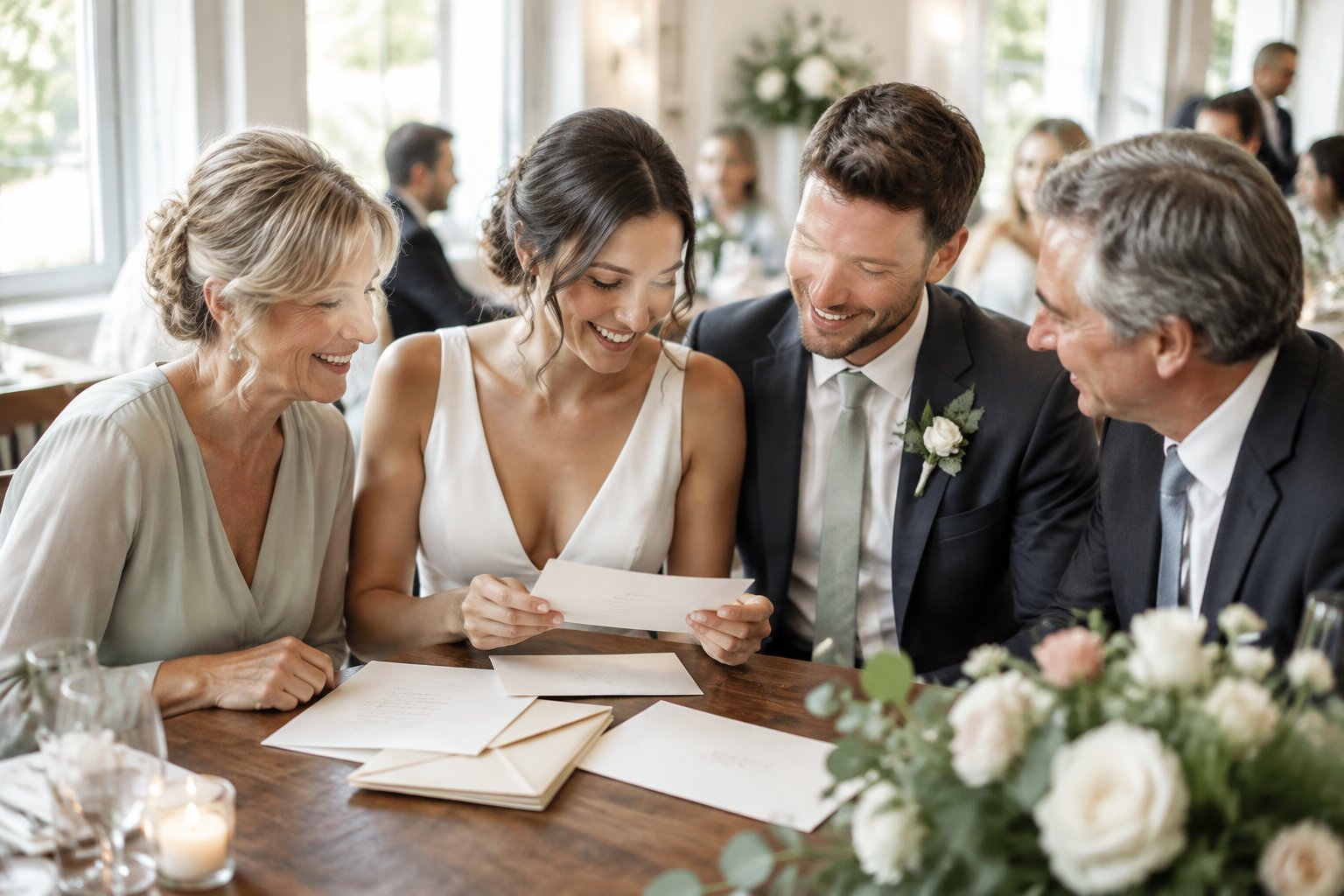
You can build a manageable guest list by agreeing on your priorities before you send invitations. Set the rules as a team, then apply them consistently to relatives, friends, and plus-ones.
Set Guest-List Priorities as a Couple
Start by writing down the people you both feel must be there. From that group, add guests who are central to your lives now, then check the total against your target of 50.
This gives you a practical way to make decisions when the list grows. You can organize names by relationship, such as immediate family, close friends, and extended family.
For more guidance on making those choices, use these ideas for who to invite to a 50-person wedding.
Navigate Family Expectations and Plus-Ones
Talk with family members early if they expect to invite guests of their own. You can explain your headcount and budget, then agree on a fair process for suggestions.
If family members are contributing money, clarify how much say they have before the guest list is finalized. Set a plus-one rule that feels fair to both of you.
For example, you might invite established partners and give plus-ones to guests who would otherwise arrive without knowing anyone. A clear policy helps you manage the headcount and answer questions with confidence.
What Should You Prioritize When Planning a Small Wedding?
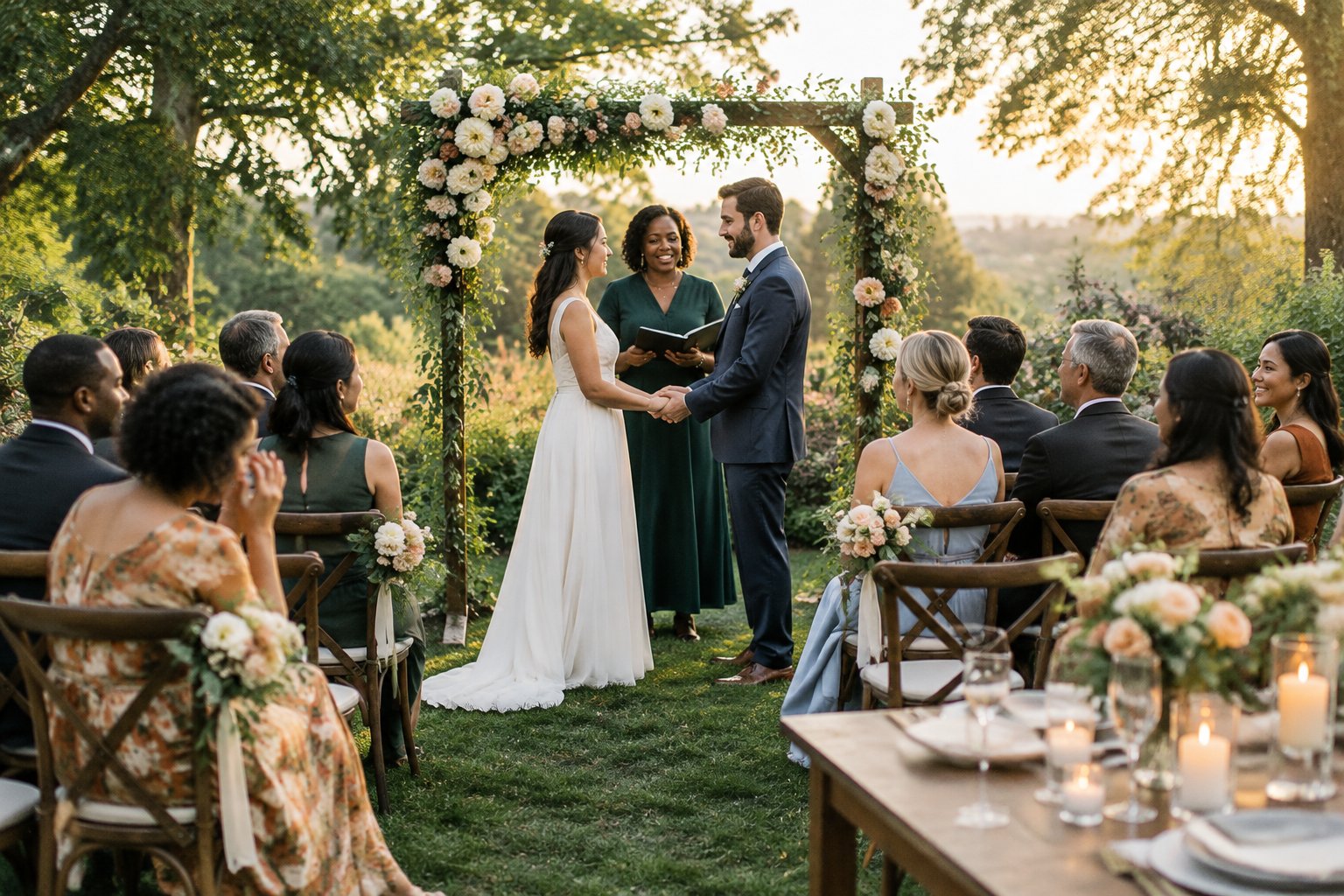
For a small wedding, prioritize a comfortable venue, a budget that reflects your goals, and food and details that suit the gathering. Your guest count gives you room to focus on the parts of the day you value most.
Find a Venue That Feels Right for 50 Guests
Choose a space that fits your guest count and the activities you have planned. Check how the room works for the ceremony, dinner, and dancing, and ask about weather plans if you are hosting outdoors.
A venue that is too large can feel empty, while a tight layout can make dining and mingling uncomfortable. Restaurants, private homes, gardens, and smaller event spaces can all work for a 50-person wedding.
Use these tips for choosing a small wedding venue as you compare capacity, layout, and rental details.
Allocate the Budget to What Matters Most
Build your budget around your priorities and the costs tied to your guest count. Catering, drinks, rentals, and printed materials may change with the number of guests.
Venue fees, photography, and other vendor costs can stay similar even with a smaller group. Decide where you want to spend more and where you are comfortable keeping things simple.
If good food tops your list, you might choose a seated meal with a menu you love. If the setting is your priority, you might direct more of your budget toward the venue.
Choose Food and Details That Suit an Intimate Setting
A smaller gathering makes it easier to offer a meal that feels personal, from family-style dishes to a carefully chosen plated menu. Ask your caterer about options that work for your guest count and any dietary needs.
Choose details that help guests feel welcome. Handwritten notes, place cards, or a small dessert tied to your story can add warmth without crowding the schedule.
You can focus on a few thoughtful touches that suit the way you want the day to feel.
How Can You Make the Day Memorable for Every Guest?
A memorable intimate wedding makes each guest feel welcome, comfortable, and included. You can support that feeling through the way you arrange the day, choose entertainment, and add personal details.
Create Comfortable Opportunities to Connect
Make it easy for guests to talk and spend time together. Arrange seating that encourages conversation, leave room for mingling, and give people clear directions between the ceremony and reception.
If guests are traveling, share practical details about parking, transportation, and nearby places to stay. A welcome note or a simple schedule can help guests know what to expect.
For an outdoor celebration, plan for shade, water, and seating that suits the weather.
Match the Entertainment to the Group
Choose entertainment that fits your guests and the atmosphere you want. A small live music setup can create a relaxed mood, while a DJ can help keep the dance floor moving.
You can also make space for speeches, a photo station, or lawn games during the reception. Think about how your guests like to spend time together.
A quieter group may enjoy a long dinner and conversation, while a lively group may want dancing and a late-night snack.
Use Personal Details to Make Guests Feel Valued
With fewer guests, you can add personal touches that recognize the people who came to celebrate with you. Write a short note for each place setting, choose favors connected to your story, or invite a loved one to take part in the ceremony.
Keep the details useful and sincere. A favorite local treat, a personal toast, or a shared family tradition can give guests a meaningful connection to the day.