
Is $5,000 a Good Budget for a Wedding? Cost Guide
Yes, $5,000 can be a good budget for a wedding if you plan an intimate celebration, keep venue and meal costs low, and set aside money for fees. Your guest count and local prices will shape how much room you have for extras.

A smaller guest list and a flexible date help you put more of your budget toward the parts of the day you value. Set a firm spending limit, then decide what makes a good wedding budget for you before you start booking vendors.
What Can $5,000 Realistically Cover?
A $5,000 budget can cover a simple ceremony and reception, with costs kept in check through a modest venue, affordable food, and a short guest list. Your location and wedding date affect how far the money stretches.
How Many Guests Can You Invite?
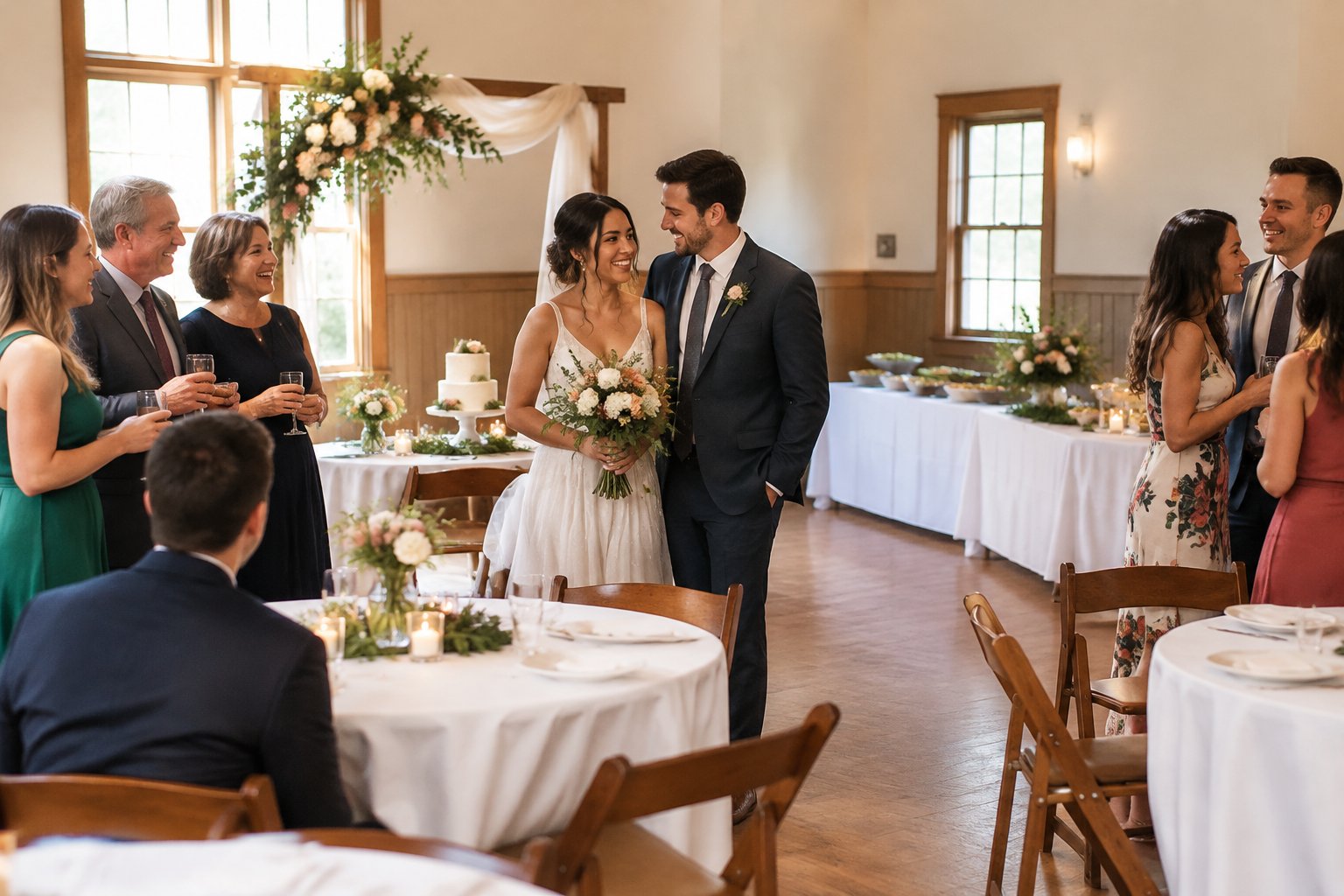
For many couples, a $5,000 wedding budget is most workable with about 20 to 50 guests. A smaller gathering leaves more money for food, seating, and other per-person expenses, while a larger crowd calls for simpler choices across the event.
For more ideas on shaping an intimate celebration, explore these tips for designing a budget-friendly small wedding.
Think through the whole guest experience before you set the number. A meal, drinks, chairs, and table settings add up for every person you invite. A ceremony followed by cake and light refreshments can fit more guests than a full dinner reception.
Which Costs Vary Most by Location and Date?
Venue and food costs can take the largest share of your budget, and both change with location and timing. A room in a small town may cost far less than a private venue in a major city. Saturday evenings in peak wedding months also bring more competition for popular spaces.
Ask venues for the full price, including taxes, service charges, required rentals, and cleanup fees. Compare a weekday or off-season date with your first choice, then use written quotes to see which option fits your spending limit.
How Should You Allocate the Money?
A clear wedding budget breakdown gives every dollar a job before you sign contracts or buy supplies. Keep your priorities visible, and include fees and a contingency fund in your first draft.

What Does a Sample $5,000 Budget Look Like?
Use this $5,000 wedding budget breakdown as a starting point, then adjust the amounts to match your guest count and priorities. This example covers a modest reception and ceremony; it leaves out rings, travel, and a honeymoon.
| Expense | Sample amount |
|---|---|
| Venue | $550 |
| Food and drinks | $1,450 |
| Photography | $650 |
| Attire | $550 |
| Ceremony and marriage license | $300 |
| Flowers and décor | $250 |
| Music | $100 |
| Cake or dessert | $200 |
| Invitations | $50 |
| Rentals and supplies | $350 |
| Contingency | $550 |
| Total | $5,000 |
For practical steps on setting category limits, use this guide to allocate a wedding budget. If rings need to come out of the same $5,000, decide which other categories you can reduce before making purchases.
Which Expenses Need a Contingency Fund?
Reserve about $500 of a $5,000 budget for costs that surface during planning. Your contingency can cover a delivery fee, extra chairs, a permit, or a tax or service charge that was missing from an early quote.
Track deposits and remaining balances in one place. When a new cost comes up, record it right away and choose which category will cover it. This keeps small add-ons from quietly pushing your total past the limit.
Which Choices Make a Small Budget Work?
A small wedding budget works best when you choose a few priorities and build the rest of the day around them. A flexible date, a shorter event, and a short list of traditions to keep can help you protect those priorities.

How Can You Set Spending Priorities?
Choose the three wedding details you care about most, such as good food, meaningful photos, or a favorite setting. Give those categories room in your budget, then set a spending cap for each remaining expense.
If your top priority is a professional photographer, for example, a simple playlist and minimal décor can help make space for that cost. Check each purchase against your plan before you commit. If an expense does not support a priority or a guest need, leave it out or find a lower-cost option.
A micro wedding plan that helps you handle guest-list feelings can also help you keep the celebration small with care.
When Can a Weekday or Off-Peak Date Save Money?
A weekday or off-peak date can lower venue costs when a space offers reduced rates for less popular times. Ask about Friday, Sunday, and winter dates, then compare the full price with a Saturday during peak season. Check that the date also works for the guests you most want there.
A morning or lunchtime event may also reduce food and drink costs. If a spring wedding appeals to you, consider these spring wedding ideas on a budget while comparing dates and settings.
Which Traditions Can You Skip?
You can shape the celebration around traditions that feel meaningful to you. Wedding favors, printed programs, elaborate signage, and several outfit changes are optional expenses. Keep traditions that carry personal or cultural value, and choose simple versions of the rest.
Where Can You Celebrate for Less?
A low-cost venue helps you reserve more of your $5,000 for food, photos, and guest comfort. Look at places that already offer a pleasant setting or useful basics such as tables and chairs.
Can a Backyard Wedding Fit the Budget?
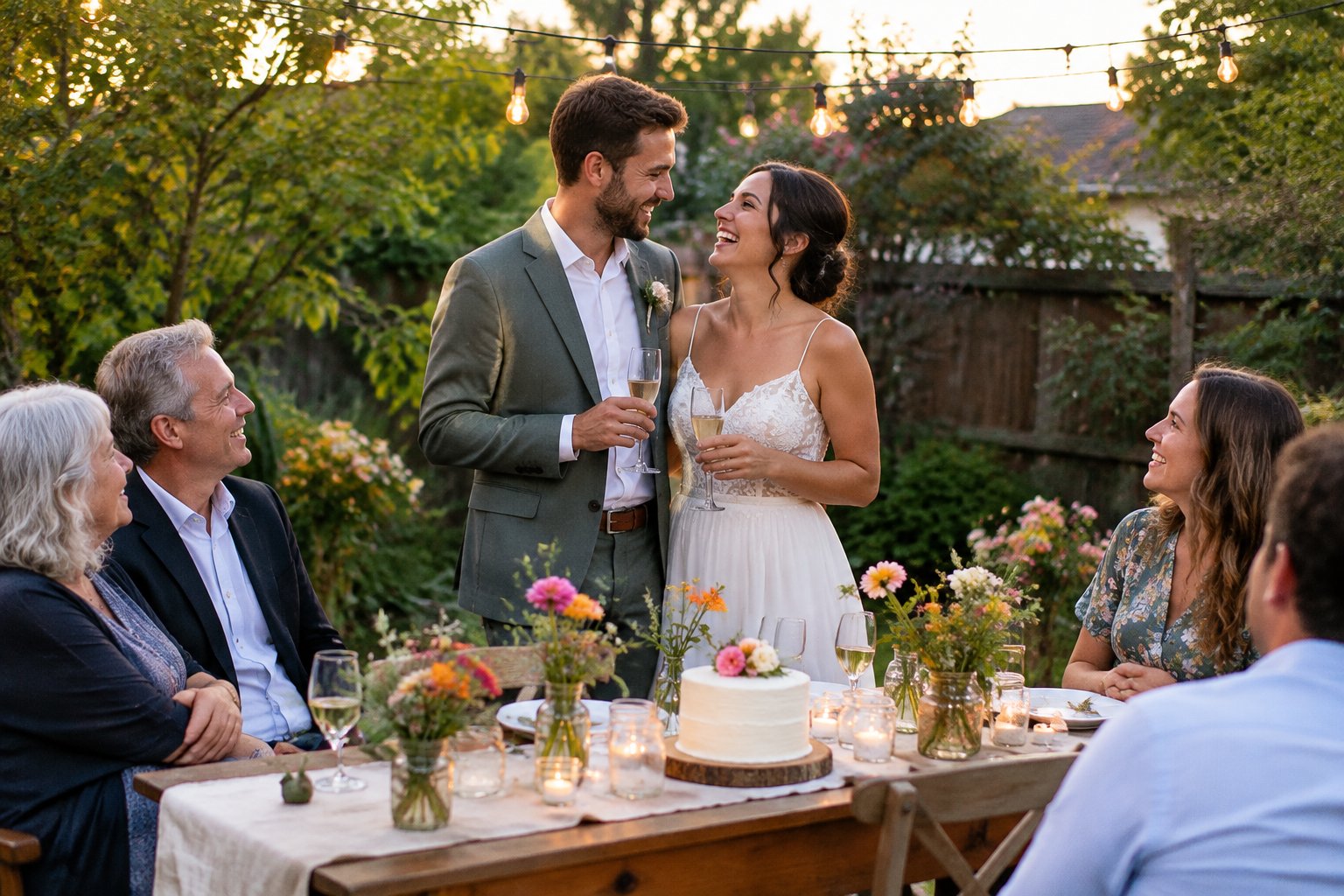
A backyard wedding can fit a $5,000 budget when the space is available at little or no rental cost and the guest list suits the property. A home setting also gives you control over the schedule and décor.
Include practical needs in your estimate. You may need to rent tables, chairs, lighting, or a tent, and a larger event may call for portable restrooms or extra parking arrangements. Ask about local rules for noise, gatherings, and food service before inviting guests.
What Should You Know About Parks and Community Venues?
Parks, community centers, and church halls can offer lower rental costs than private wedding venues. Check the rules and total costs for each place, including permits, cleanup, access to restrooms, and whether you can bring your own food.
This guide to low-cost places to get married can help you think through venue options. For an outdoor site, make a weather plan and confirm what the permit allows. Community spaces may include tables or kitchen access, so ask for an itemized list of what comes with the rental before you book.
How Can You Save Without Losing What Matters?
You can keep a wedding on a budget personal and welcoming by simplifying service, choosing practical attire, and focusing your spending on the parts guests will experience. Get written prices for the essentials before adding decorative extras.
What Are Affordable Food and Drink Options?
A brunch, lunch, buffet, or meal from a local restaurant can cost less than a formal plated dinner. You could also serve appetizers and dessert for a shorter reception, as long as the timing and invitation make the food plan clear to guests.
Choose a drink setup that fits your event and local rules. A limited selection, nonalcoholic drinks, and water stations can make service easier to price. Confirm whether your venue allows outside food and drinks, and include any serving supplies or staff in your estimate.
How Can You Keep Attire, Flowers, and Décor Costs Down?
Set a clothing budget that includes alterations, shoes, and accessories. Off-the-rack, rented, or secondhand outfits can help keep attire costs manageable, and clothing you can wear again adds value after the wedding.
For flowers and décor, choose seasonal blooms or greenery and focus arrangements on the ceremony or dining tables. Borrow décor from family, reuse ceremony flowers at the reception, and choose a venue whose existing look needs few additions.
What Are Practical Photography and Music Alternatives?
A shorter photography package can preserve key moments while keeping the cost within your plan. Ask what the package includes, how many hours are covered, and when you’ll receive your photos. Keep a clear agreement with your photographer so you know what to expect.
For music, use a playlist and a speaker for a casual reception, or hire a DJ for a shorter block of time if dancing is a priority. Check the venue’s sound rules and arrange a trusted person to manage the playlist, volume, and announcements.