
Is 6 Hours Too Long for a Wedding? Reception Timing Guide
If you’re asking, “Is 6 hours too long for a wedding?” A six-hour reception is a comfortable length for many weddings when you balance dinner, formal moments, and open time to celebrate. A packed schedule can make that stretch feel rushed, while long gaps can leave guests waiting for the next part of the evening.
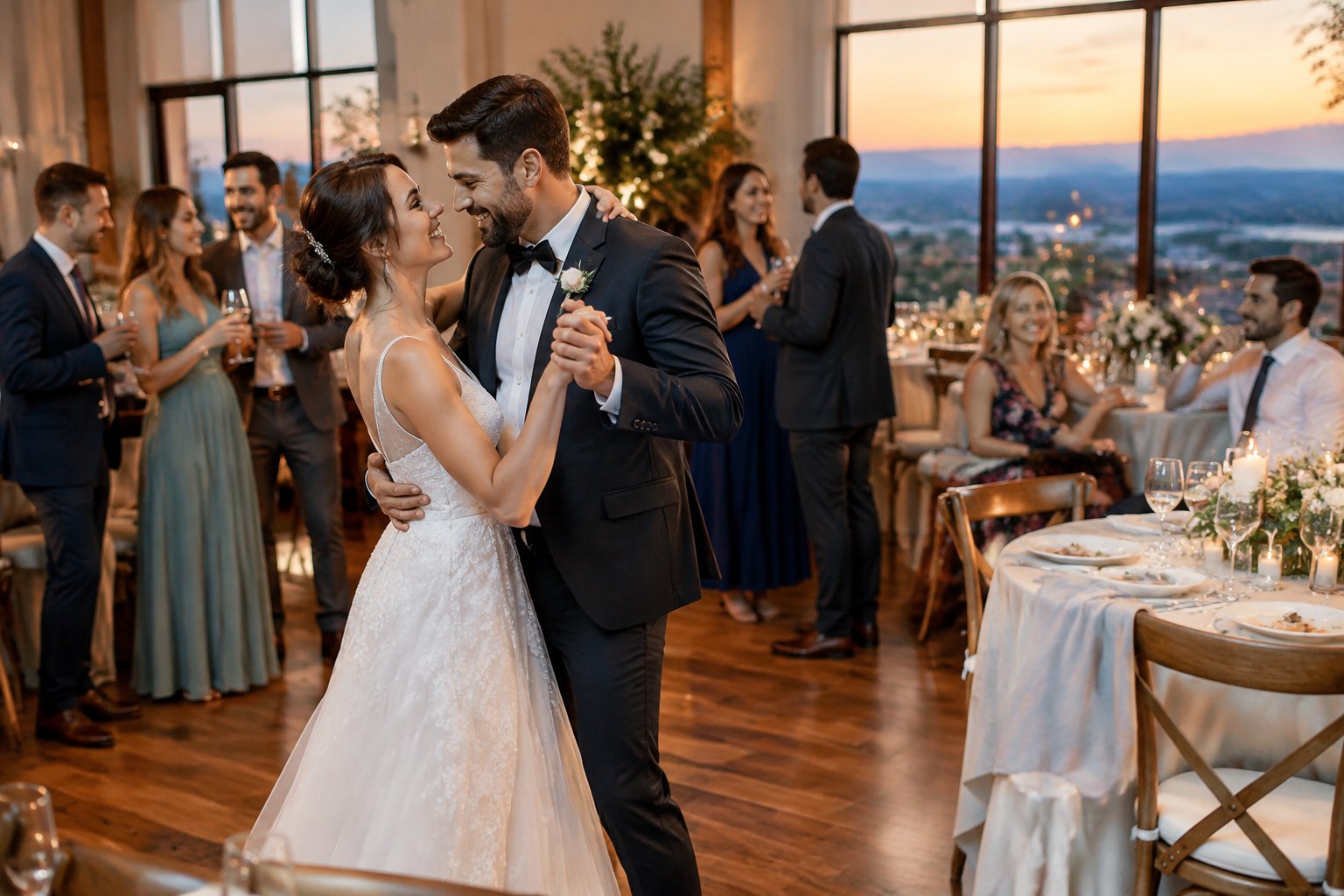
Before you settle on a start and end time, check your venue’s rules and think about how much time you want for dancing. Then sketch a timeline that leaves room for the moments you care about.
How Long Should You Set Aside for the Reception?
A reception lasting four to six hours gives you room for a meal, special moments, and time to visit with guests. Your plans and venue schedule will shape where your reception fits in that range.
A common reception length gives you a useful starting point, but you’ll want to count the time from the first planned reception activity to the official end.
How Does Reception Time Compare With the Full Wedding Day?
Your wedding reception is only one part of the day. The wedding ceremony, portraits, travel, and cocktail hour can add several hours before the main reception activities begin.
If you schedule a ceremony at a different location, include travel time and a cushion for delays in your full-day plan. Be clear about what your six hours includes.
Some couples count cocktail hour as the beginning of the reception; others start the clock when guests enter the dinner or dancing space. Your invitations and timeline should use times guests can follow, such as “cocktail hour begins at 5 p.m.” and “the reception ends at 11 p.m.”
When Can a Six-Hour Reception Work Well?
Six hours works well when you have a full evening of events and enough variety to keep the pace comfortable. A plated dinner, several toasts, family dances, and a lively dance floor can use the time naturally.
A larger guest list may also need extra time for seating and meal service. A smaller gathering with a short program may feel complete in less time.
Think about the experience you want: if dancing is a priority, save a generous block for it; if conversation and dinner are the focus, give those parts room to breathe.
How Can a Six-Hour Schedule Flow?
A six-hour wedding timeline flows best when you group formalities into a few clear blocks and leave open time between them. Your cocktail hour, grand entrance, meal, and dances can build toward the last dance without frequent stops.
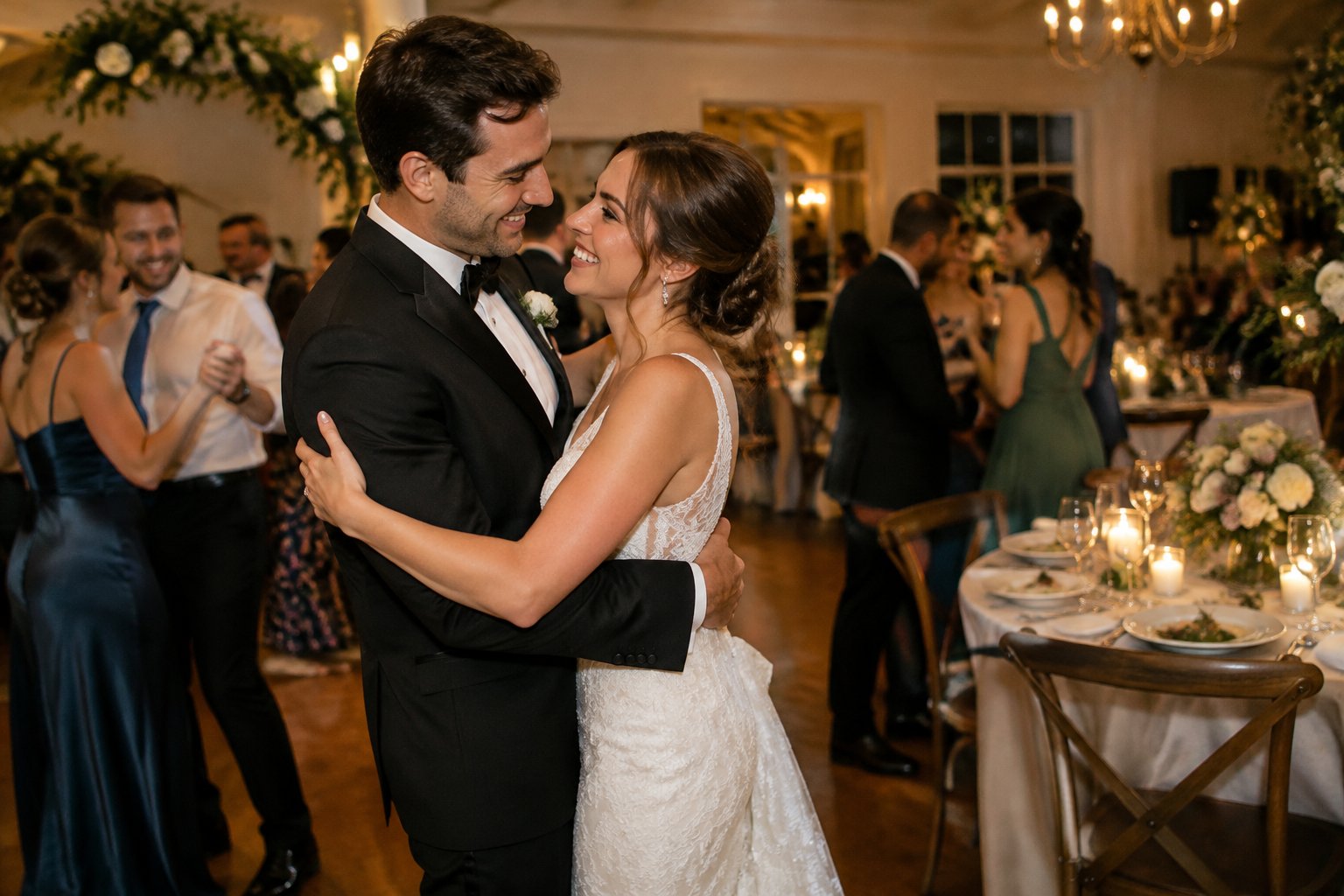
Use the sample below as a starting point, then adjust it for your meal service and venue. A strong reception flow gives guests a clear sense of what’s happening while leaving space to mingle.
How Much Time Should You Allow for Each Part?
For a reception running from 5 p.m. to 11 p.m., you could plan:
- 5:00–6:00 p.m.: Cocktail hour and guest arrival
- 6:00–6:20 p.m.: Grand entrance and welcome
- 6:20–7:45 p.m.: Dinner, with brief speeches during or between courses
- 7:45–8:00 p.m.: First dance and parent dances
- 8:00–10:45 p.m.: Open dancing and mingling
- 10:45–11:00 p.m.: Last dance and guest send-off
Treat those times as guideposts, not a minute-by-minute script. Your caterer’s service plan, room layout, and guest count affect how quickly the evening moves.
Build in a little transition time for guests to find their seats or move from dinner to the dance floor.
Where Do Dinner and Speeches Fit?
Dinner takes up a large share of the reception, so coordinate its timing with your caterer. A plated meal may have several courses, while a buffet needs time for each table to be called.
For a closer estimate, consider your menu and how long dinner should be at a wedding reception. Speeches fit neatly between courses or just before the meal, when guests are already seated.
Ask each speaker to keep their toast brief, and share the speaking order with your DJ or emcee. If speeches happen during dinner, coordinate with the catering team so servers and guests can hear one another.
Which Traditions Fit Without Slowing the Party?
You can include the traditions that feel meaningful to you and keep the program moving by grouping related moments together. Short, well-timed formalities leave more room for guests to enjoy dinner and dancing.
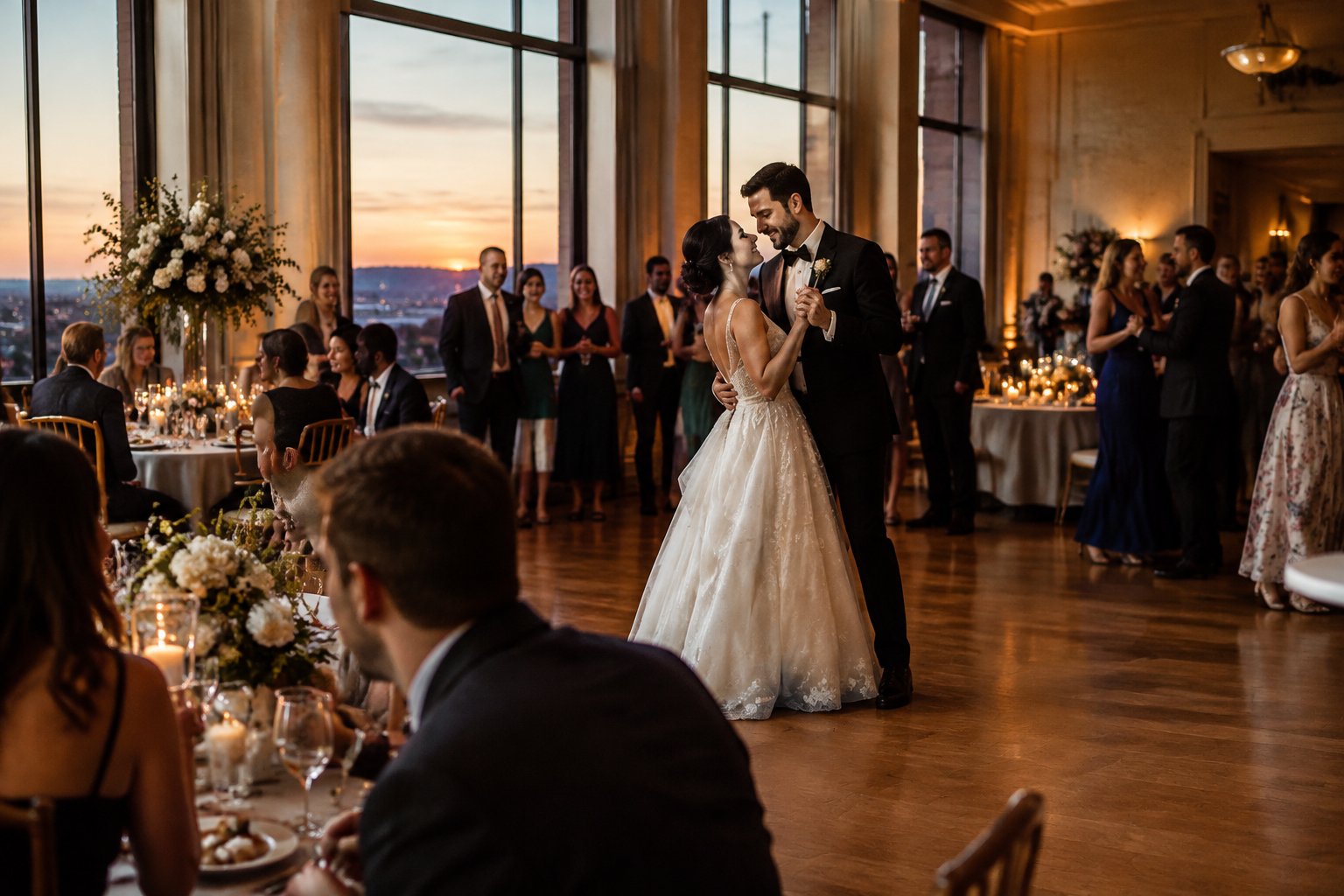
Your wedding reception traditions can be adapted to fit your schedule and style. Choose the moments you want guests to share, then decide when each one will happen.
When Should You Schedule the Cake Cutting Ceremony?
Schedule your cake cutting ceremony before dessert service or during a natural pause, such as after the grand entrance. That gives your photographer a clear moment to capture and gives your catering team time to prepare the cake for serving.
If you want guests to enjoy cake, tell your caterer when you plan to cut it and how dessert will be served. Cutting the cake earlier also means you can return to the dance floor without stopping the party near the end.
How Can You Make Room for Dances and Tosses?
Group your first dance and parent dances together to keep the formal part of the evening focused. You can invite guests onto the dance floor as soon as the final special dance ends, which creates a smooth start to open dancing.
A bouquet toss or garter toss adds another pause, so include one only if you’re excited about it. You can also shorten a song, skip a toss, or dedicate the bouquet to someone important to you.
Your reception plan should reflect the traditions you value, with enough open time for guests to enjoy themselves.
What Can Make a Reception Feel Too Long?
A reception feels long when guests spend too much time waiting, formalities interrupt the party repeatedly, or the schedule ignores your venue’s limits. A steady rhythm helps guests stay comfortable from arrival through the last dance.
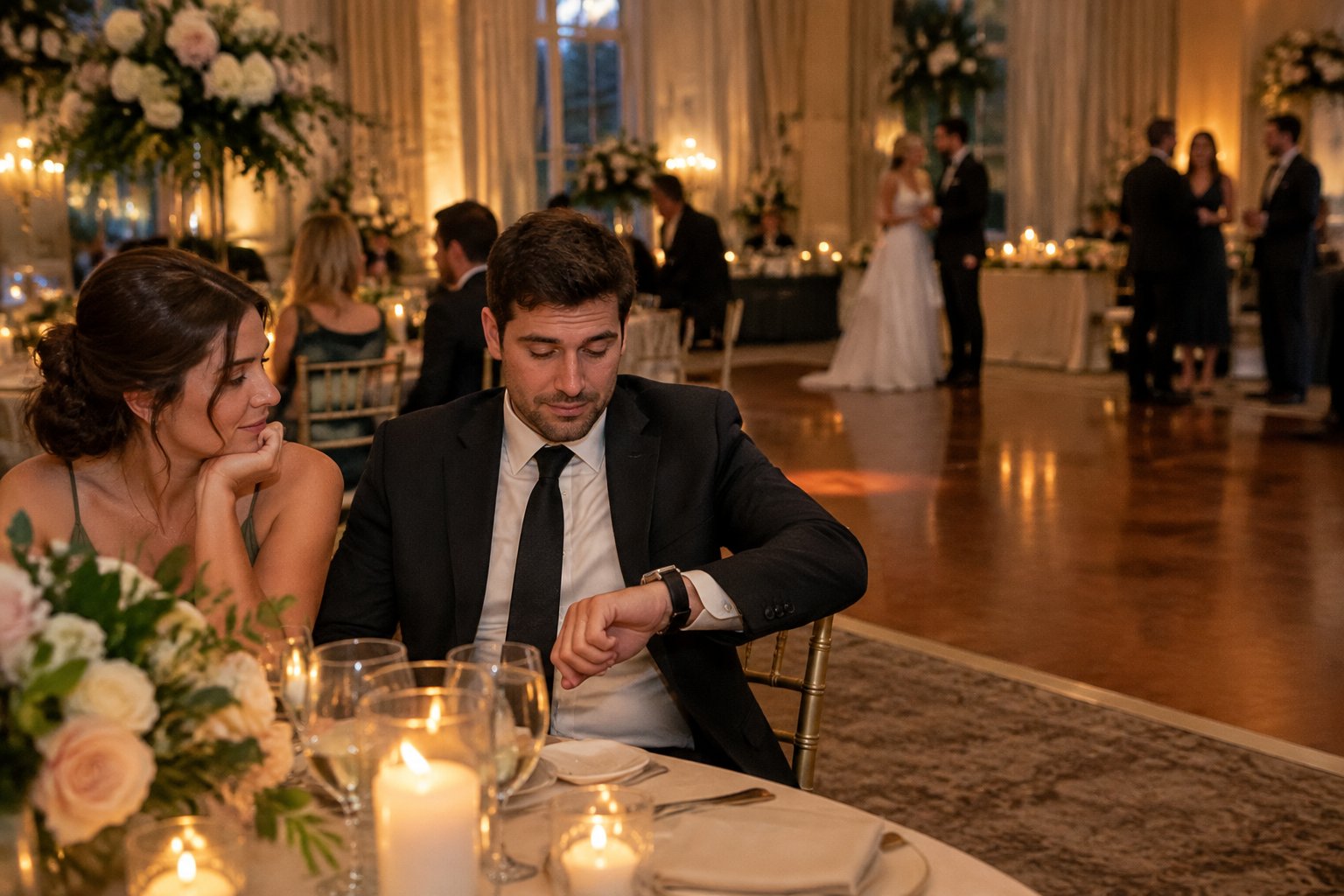
Your wedding reception length should account for guest energy and the practical details of the space. Plan breaks and transitions so guests can relax without losing track of what’s happening.
How Do Guest Energy and Travel Affect the Pace?
Think about when guests arrive and how long they’ve already been on their feet. An early ceremony, a long drive, or a gap between the ceremony and reception can leave guests tired before dinner begins.
Provide clear directions and share the schedule so guests know when they can eat, sit, and join the celebration. A good meal, comfortable seating, and a lively playlist help your guests settle in.
Give them room to chat between planned events, and keep announcements short. If dancing is central to your evening, a gradual start can help get guests onto the dance floor.
Which Venue Rules Should Shape Your End Time?
Check your contract for the required end time, music cutoff, cleanup window, and overtime fees. Ask your venue when vendors need to finish breakdown and whether guests must leave the property by a set time.
These details help you choose a final dance and plan a clear exit. Your DJ, caterer, and planner should all have the same timeline.
Share the end time with them early so they can coordinate music, final service, and guest departures. If your venue has a firm closing time, let guests know when transportation will leave.
How Can You Keep the Celebration Going on Your Terms?
You can extend your time with guests by moving some portraits earlier in the day or planning a separate after-party. These choices let you shape the wedding day around your priorities and energy.
Your wedding planner can help coordinate the schedule with your photographer and venue. If you don’t have a planner, assign a trusted person to keep vendors updated and help the evening run on time.
Can a First Look Give You More Time With Guests?
A first look gives you and your partner a private moment before the wedding ceremony, and it can make room for portraits before the ceremony begins. With some photos completed early, you may have more time to greet guests during cocktail hour or join the reception sooner.
Talk with your photographer about the portraits you want and how long they’ll take. You can still keep your ceremony reveal if that moment is important to you; the choice comes down to how you want to spend the hours around the ceremony.
When Does an After-Party Make Sense?
An after-party makes sense when you want extra time with guests and your venue has an early closing time or a set music cutoff. You can host it at a nearby bar, hotel lounge, or another space that suits your group.
Share the location and transportation details before the wedding so guests can decide whether to join. Keep the after-party relaxed and optional.
Your reception can end at the planned time, and the smaller gathering can give energetic guests a chance to continue the celebration. If you’re planning a formal send-off, coordinate it with your reception ending so guests know where to go next.