
Is 6 PM Too Late for a Wedding? Timeline Tips
A 6 PM ceremony can be a comfortable start for your wedding when you plan enough time for dinner, photos, and the reception you want. The timing works especially well for an evening wedding, though sunset, travel, and your venue’s closing time all shape the schedule.
Your ceremony time sets the pace for the whole day. Start by checking your venue’s end time and the local sunset, then build your evening wedding start time around those fixed points.
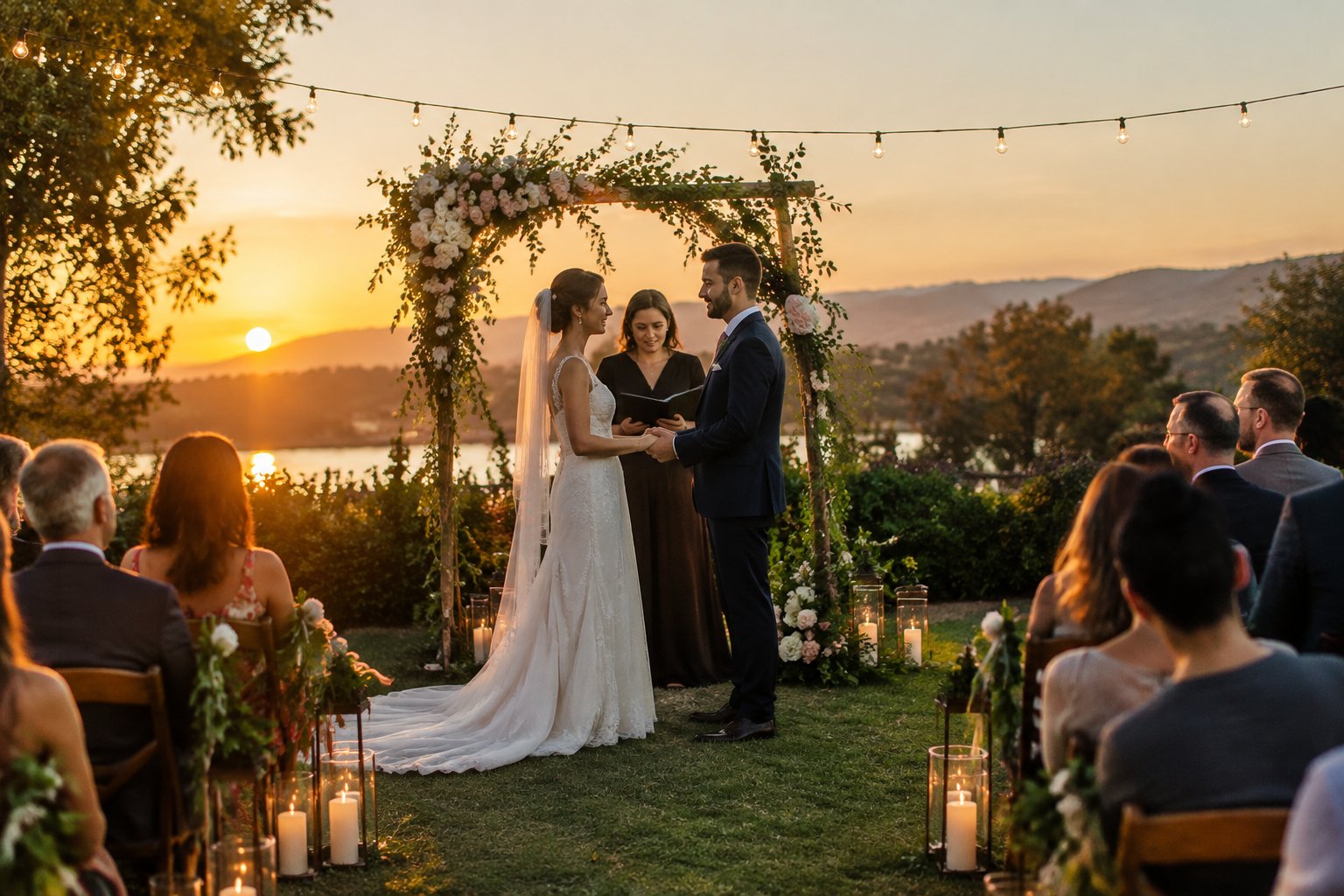
What a 6 PM Start Means for the Rest of the Day
A 6 PM ceremony puts your reception in the evening, so the time available for photos, dinner, and dancing depends on your venue’s end time. A clear schedule gives each part of the celebration enough room and helps you spot tight transitions early.
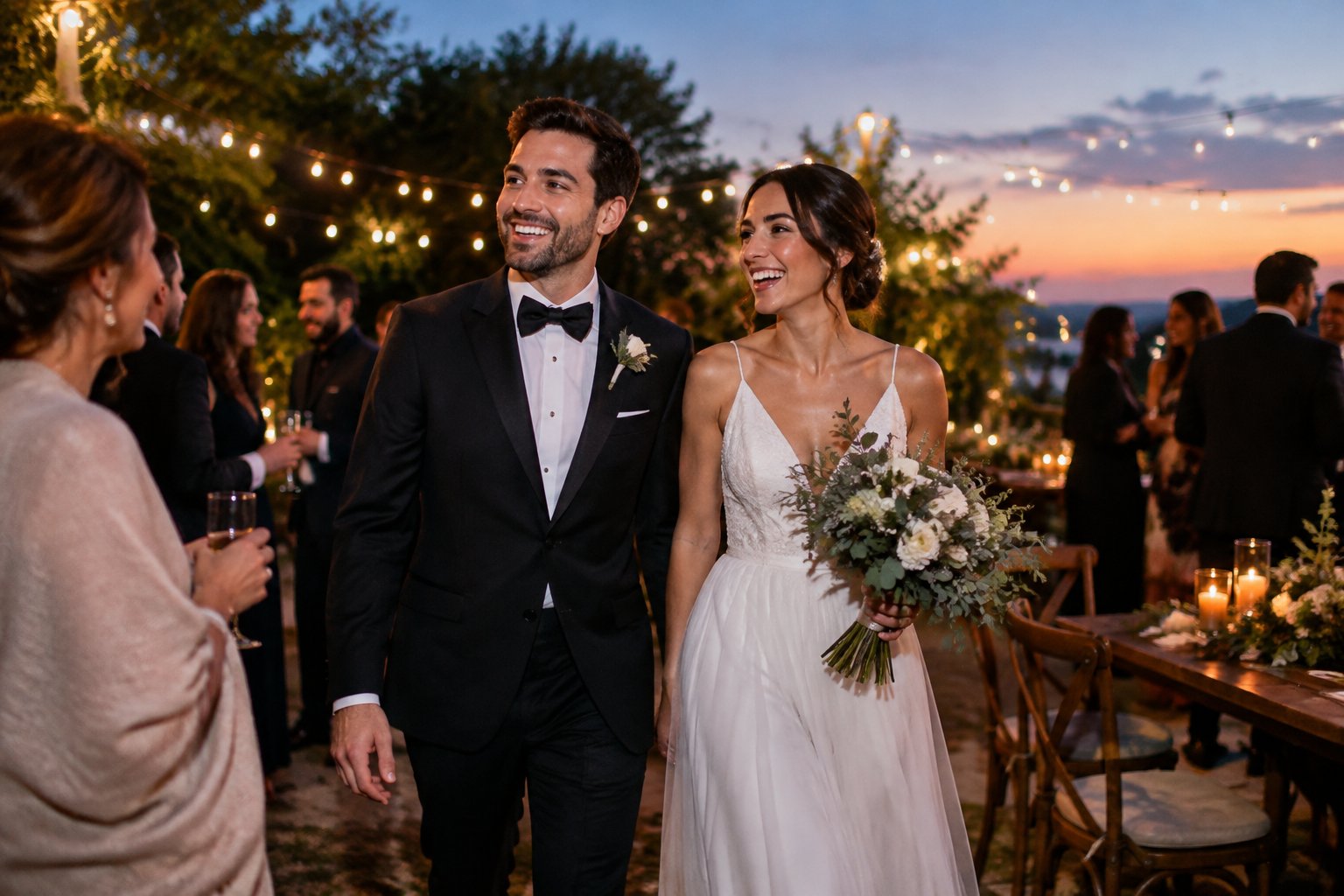
How Much Time Is Left for the Ceremony and Reception?
For a 20- to 30-minute ceremony, you can plan on guests moving into cocktail hour around 6:30 PM. A one-hour cocktail hour puts dinner near 7:30 PM, followed by toasts, cake, and dancing. If your venue closes at 10 PM, that leaves roughly two and a half hours for dinner and reception events.
Your venue’s end time shapes the schedule as much as your ceremony start. Work backward from the required end of music, cleanup, or guest departure, and include time for the final send-off. A longer reception gives you space for more dancing; a shorter one can still feel complete when you focus on the moments you value most.
When Might a Later Start Feel Rushed?
A 6 PM start feels tight when your venue has an early curfew, your ceremony and reception are in separate locations, or you want a long cocktail hour and a full evening of dancing. Travel and group photos can take extra time, especially when guests need transportation between venues.
If you want a relaxed dinner and several hours on the dance floor, check that the reception end time supports both. A later wedding start can work when the event has a generous end time and the schedule gives guests a clear path from ceremony to reception.
How Do Season and Sunset Affect the Start Time?
Season and location determine how much daylight remains at 6 PM, which affects outdoor ceremony lighting and portrait plans. Check the sunset time for your wedding date and venue, then decide which photos you want in natural light.
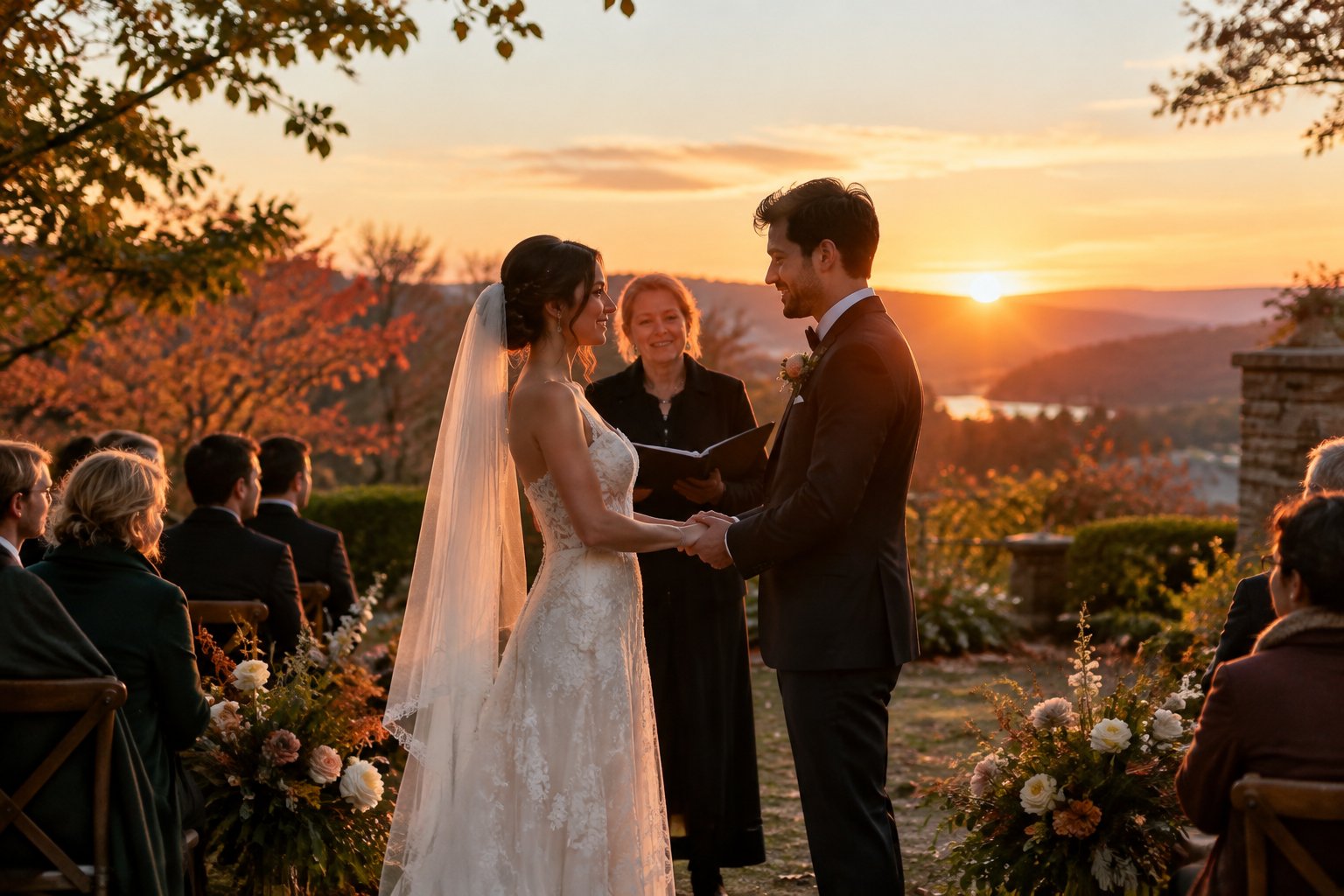
What Should You Consider for Summer and Winter Weddings?
Summer evenings bring longer daylight in many parts of the US, which can make an outdoor 6 PM ceremony bright and warm. Shade, water, and a covered seating option help guests stay comfortable. Local terrain also affects light: trees, hills, and buildings can block the sun before the official sunset.
Winter sunsets arrive earlier, so a 6 PM outdoor ceremony may take place in darkness. Plan for strong ceremony lighting and a well-lit path for guests. If natural-light portraits are important to you, schedule them earlier in the day or consider a first look. Your date and location help you choose a suitable summer wedding start time.
How Can You Plan Around Sunset Photos?
Use the local sunset time to reserve a short portrait window, then share that window with your photographer and planner. Golden-hour light occurs before sunset, and the exact timing shifts with the season and location.
For a 6 PM ceremony, you might take couple portraits before the vows, during cocktail hour, or for a brief break during the reception. If sunset comes before the ceremony ends, plan outdoor portraits earlier or use a well-lit indoor location. A backup photo spot keeps the schedule ready for rain or strong wind.
How Can You Build a Timeline Around a 6 PM Ceremony?
A realistic wedding day timeline gives the ceremony, portraits, meal, and reception activities enough time to flow without crowding one another. Start with fixed points such as the ceremony time and venue curfew, then add travel and transition buffers.
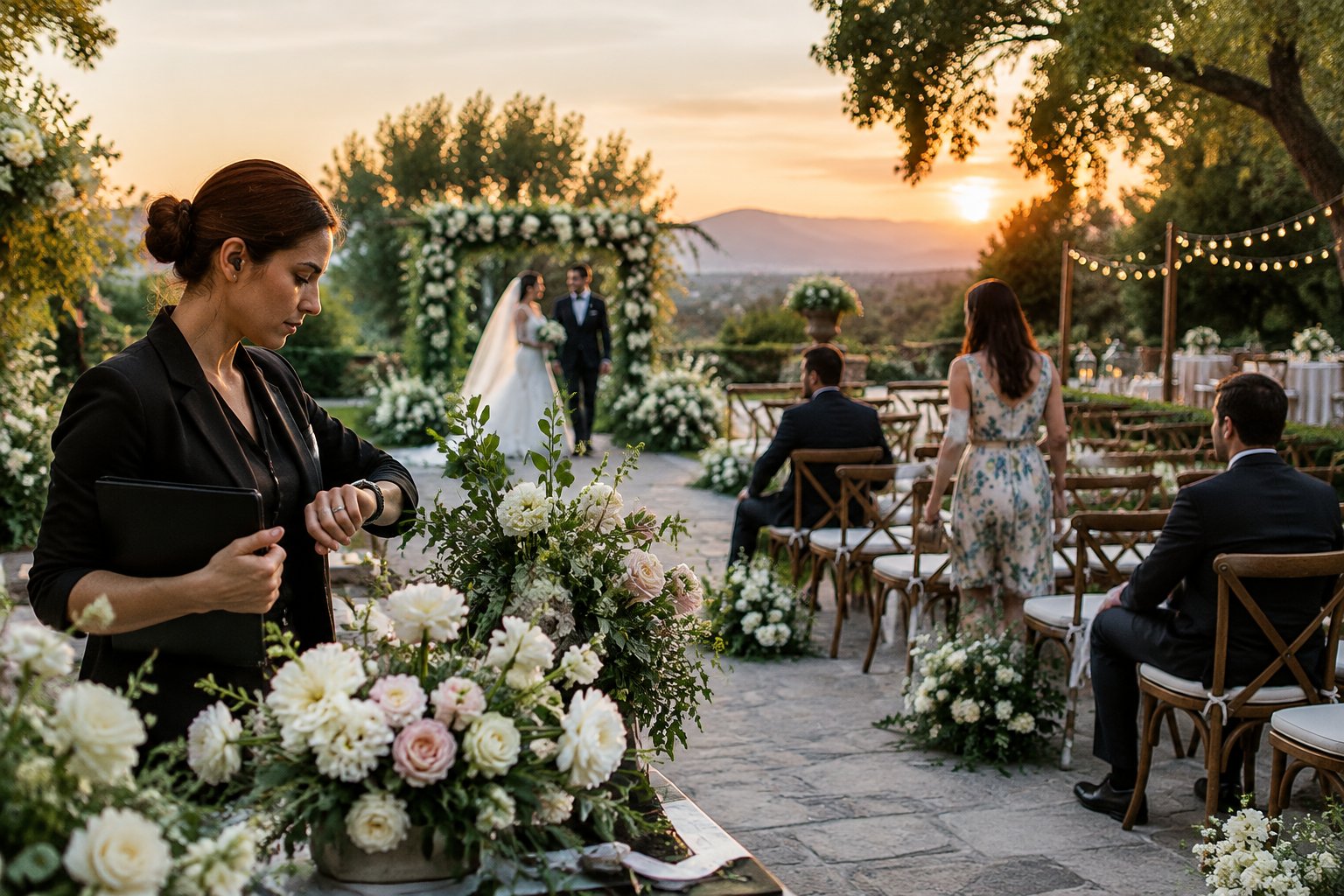
Should You Schedule a First Look?
A first look gives you a private moment together before the ceremony and opens time for portraits before guests arrive. It can also reduce the amount of photo time you need during cocktail hour, leaving you more time with your guests.
If you prefer to see each other for the first time at the ceremony, arrange wedding-party and individual portraits earlier when possible. Discuss your photo priorities with your photographer so the schedule reflects the images you care about. A wedding timeline plan helps you fit those photo blocks around the ceremony.
When Should You Take Family Photos?
Make a short family photo list before the wedding and give it to your photographer. Schedule group portraits before the ceremony if you want to join cocktail hour, or take them immediately after the ceremony while family members are still gathered.
Ask a trusted relative to help call people into place. This keeps the photo session moving and lets your photographer focus on the shots. Leave a small buffer after the ceremony for hugs, movement between locations, and any group that takes extra time to gather.
How Much Time Should You Allow for Cocktail Hour and Dinner?
A one-hour cocktail hour gives guests time to mingle while you finish photos, and passed appetizers help bridge the wait before dinner. If your reception window is short, consider a cocktail hour closer to 45 minutes and have the dinner space ready for guests as it ends.
For a 6 PM ceremony, a sample schedule could place cocktails around 6:30 PM, dinner at 7:30 PM, and dancing after dinner and toasts. Confirm meal timing with your caterer, since service time depends on your guest count and meal style. Include a full dinner when guests are arriving around the usual evening meal hour.
Where Do the Cake Cutting and Dancing Fit?
Place the cake cutting after dinner or near the start of dancing, based on your reception flow. Coordinate the moment with your photographer and DJ so guests know when to gather and the cake is ready to serve.
If your venue has an early end time, combine formal events thoughtfully. You might schedule toasts during dinner and move directly into the first dance afterward. Keep a few open blocks in your wedding day schedule for dancing and time with guests, then set a firm cue for the last song.
How Can You Make a Later Start Comfortable for Guests?
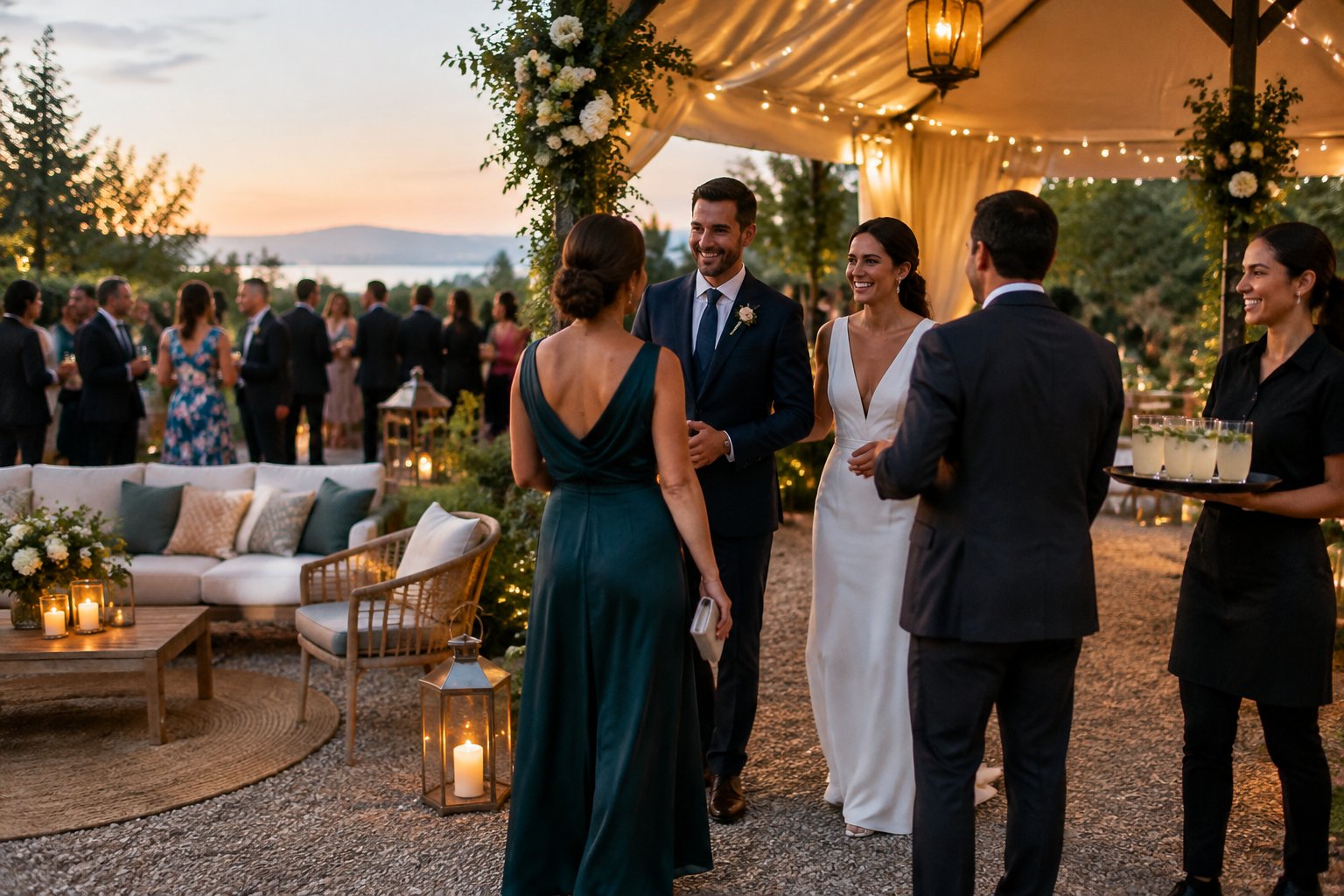
Clear arrival details and a thoughtful meal plan help guests feel prepared for an evening ceremony. Tell them when to arrive, where to park, and when dinner will be served.
What Should Invitations Say About Arrival Time?
List the ceremony start time clearly and encourage guests to arrive 20 to 30 minutes early for parking and seating. If your ceremony begins at 6 PM, an arrival time around 5:30 PM gives guests a reasonable window to find their seats.
Include the venue address and any useful parking or entrance details on your invitation or wedding website. If the ceremony and reception are at different locations, state the travel plan and provide directions. This small amount of guidance helps guests plan their evening.
How Can You Plan Dinner, Transportation, and the End of the Night?
Let guests know whether dinner follows the ceremony and when to expect it. If dinner is scheduled around 7:30 PM, appetizers during cocktail hour help keep guests comfortable. Share nearby food options with out-of-town guests who may arrive well before the ceremony.
Arrange transportation with the full schedule in mind. Confirm pickup locations and departure times, and give guests a clear plan for getting back to their hotels or homes. If your venue has a curfew, tell guests when the reception ends and allow time for loading, cleanup, and the final ride.
How Can Your Planner and Vendors Keep the Day on Track?
A shared timeline and one day-of point person help your wedding planner and vendors coordinate each transition. When everyone has the same schedule, the photographer, caterer, DJ, and transportation team can prepare for key moments.
What Should You Confirm With Your Wedding Planner?
Review the ceremony time, venue end time, photo schedule, dinner service, and transportation plan with your planner. Ask them to identify tight transitions and build in time for moving guests between spaces. A wedding planner can also manage questions and timing changes so you can stay present during the celebration.
Give your planner a list of the people who can make day-of decisions, along with important family contacts. Confirm who will cue the wedding party, guide guests, and approve timeline adjustments. Keep the couple out of routine vendor coordination during the event.
Which Vendors Need the Final Timeline?
Send the final schedule to every vendor whose work connects to the event flow. Your photographer needs portrait times and family groupings; your caterer needs guest seating and meal-service cues; and your DJ needs the order of announcements, dances, and cake cutting.
Include vendor arrival and setup times, venue access details, and the planner’s contact information. Confirm the schedule with each vendor in the final planning check-in, especially the ceremony start, dinner service, and venue end time. When a detail changes, have your planner share the update with the whole team.