
Is 60 People Too Small for a Wedding? Guest Count Guide
A 60-person wedding is a complete, small-scale celebration with room for a ceremony, dinner, and dancing. You can invite close family and friends while keeping the day personal and easier to manage.
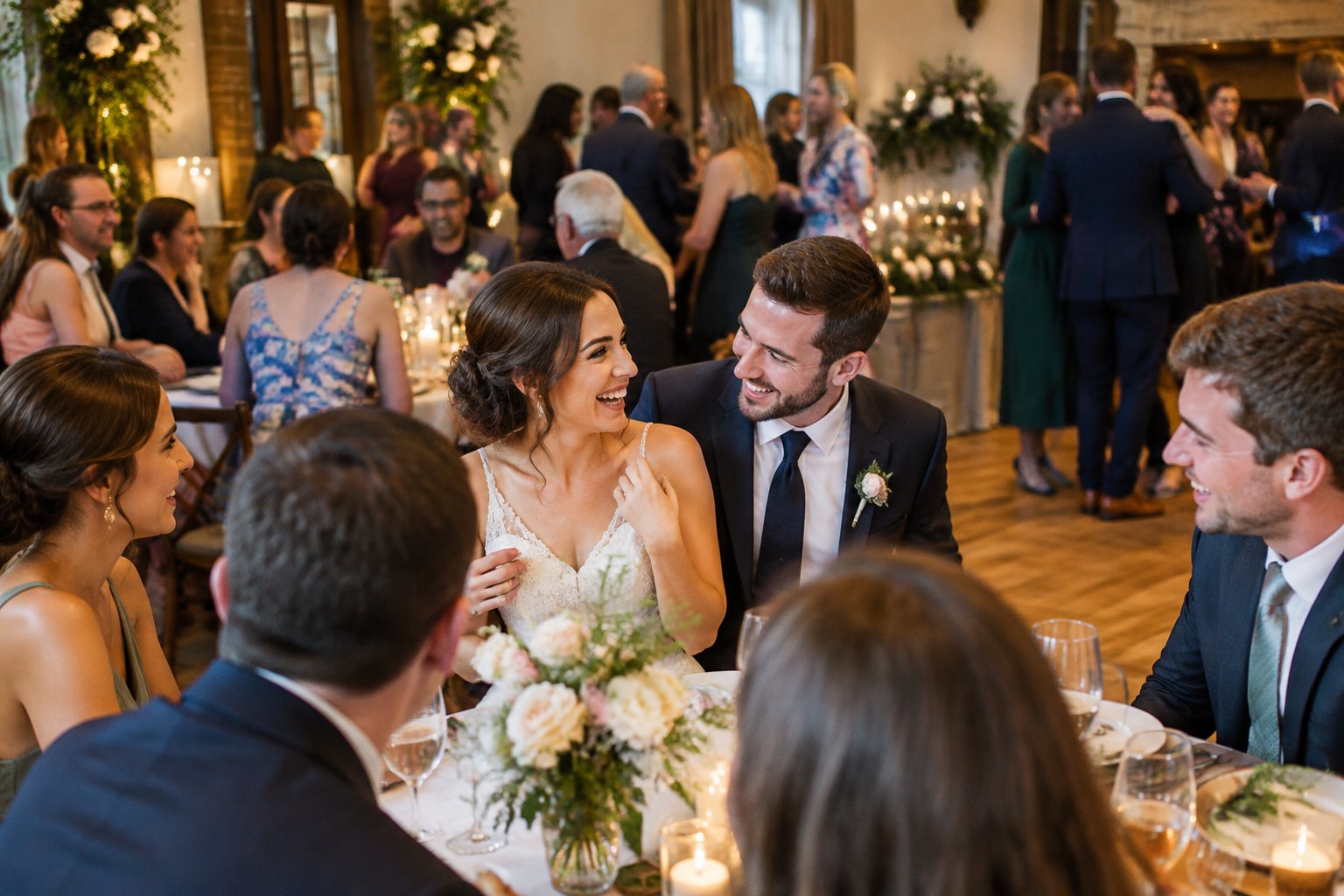
Your guest count shapes the venue, budget, and feel of the day, so it helps to set a target before you start writing names. Talk with your partner about the people you most want beside you, then use that number as a practical starting point.
Where 60 Guests Falls on the Wedding-Size Spectrum
A 60-person wedding fits comfortably within the small-wedding range, though some couples may describe it as medium-sized. Wedding size labels are flexible, and family traditions and local expectations can shape how your guest count feels.
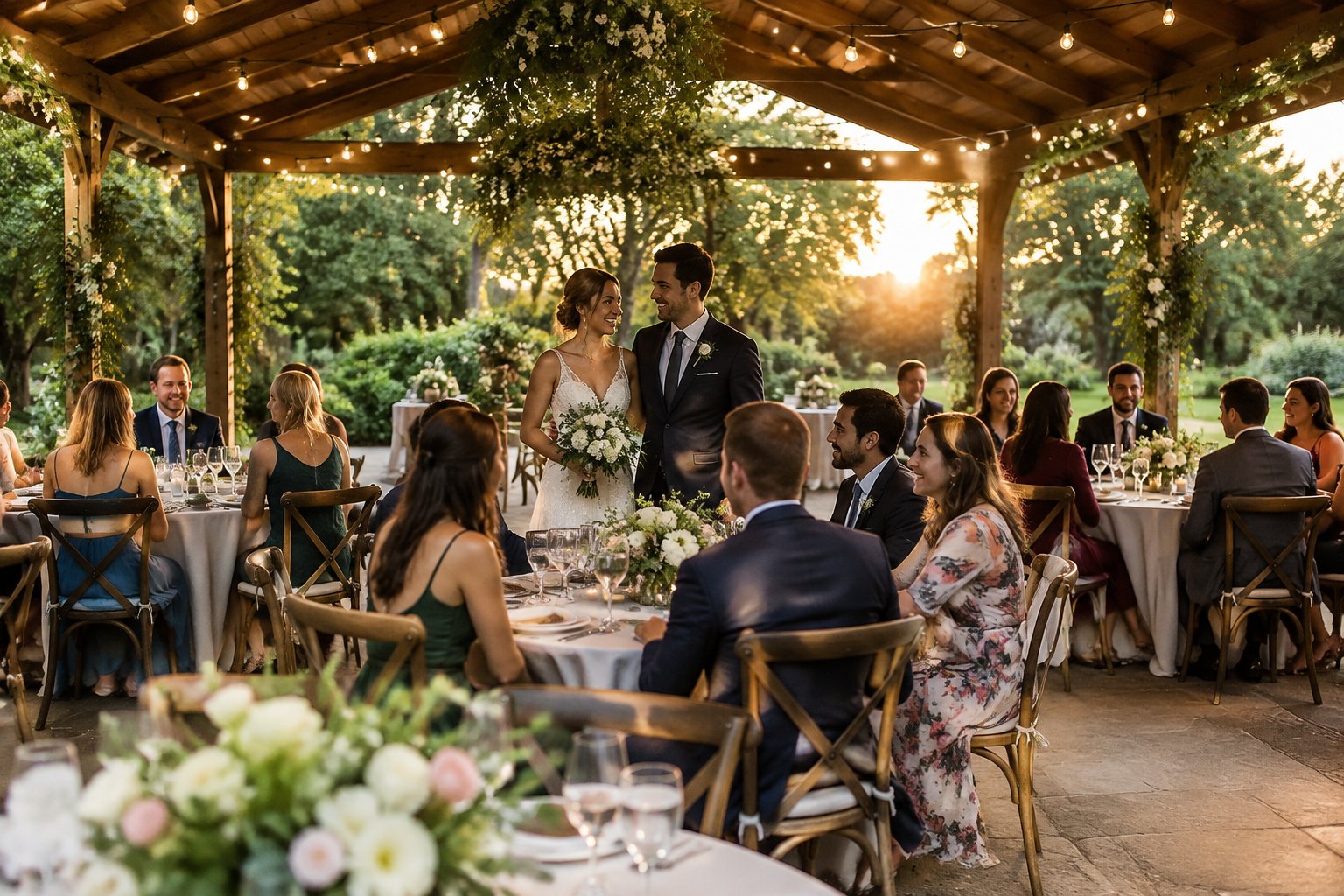
How Do Small, Medium, and Large Weddings Compare?
Small weddings often have about 30 to 75 guests, medium weddings about 80 to 150, and large weddings more than 150. These ranges are useful planning guides, not firm rules.
A 60-person celebration sits near the upper end of some intimate-wedding definitions and within many descriptions of a small wedding. You can compare the common ranges for a small and medium wedding as you decide what label fits your plans.
A micro wedding has a much smaller guest list, often fewer than 20 people. An elopement may include only the couple and a few witnesses. With 60 guests, you have space for a traditional ceremony and reception, plus a broader circle of loved ones.
Is a 60-Person Celebration Considered Intimate?
Yes, 60 guests can still feel intimate when you know most of the people in the room and plan ways to connect with them. A shared meal, personal vows, or a relaxed schedule can give the day a close-knit feel, even with a full guest list.
Your own family size and social circle also shape your perspective. If 60 feels small beside your extended family, it may feel generous compared with a courthouse ceremony or micro wedding. You can use guest count ranges for a wedding as a reference, then choose the size that suits your relationships and plans.
What Does a 60-Guest Celebration Feel Like?
A 60-person celebration gives you a chance to spend time with many of your guests while still creating the energy of a full wedding reception. The room feels lively, and the guest experience depends on how you organize the time and space.
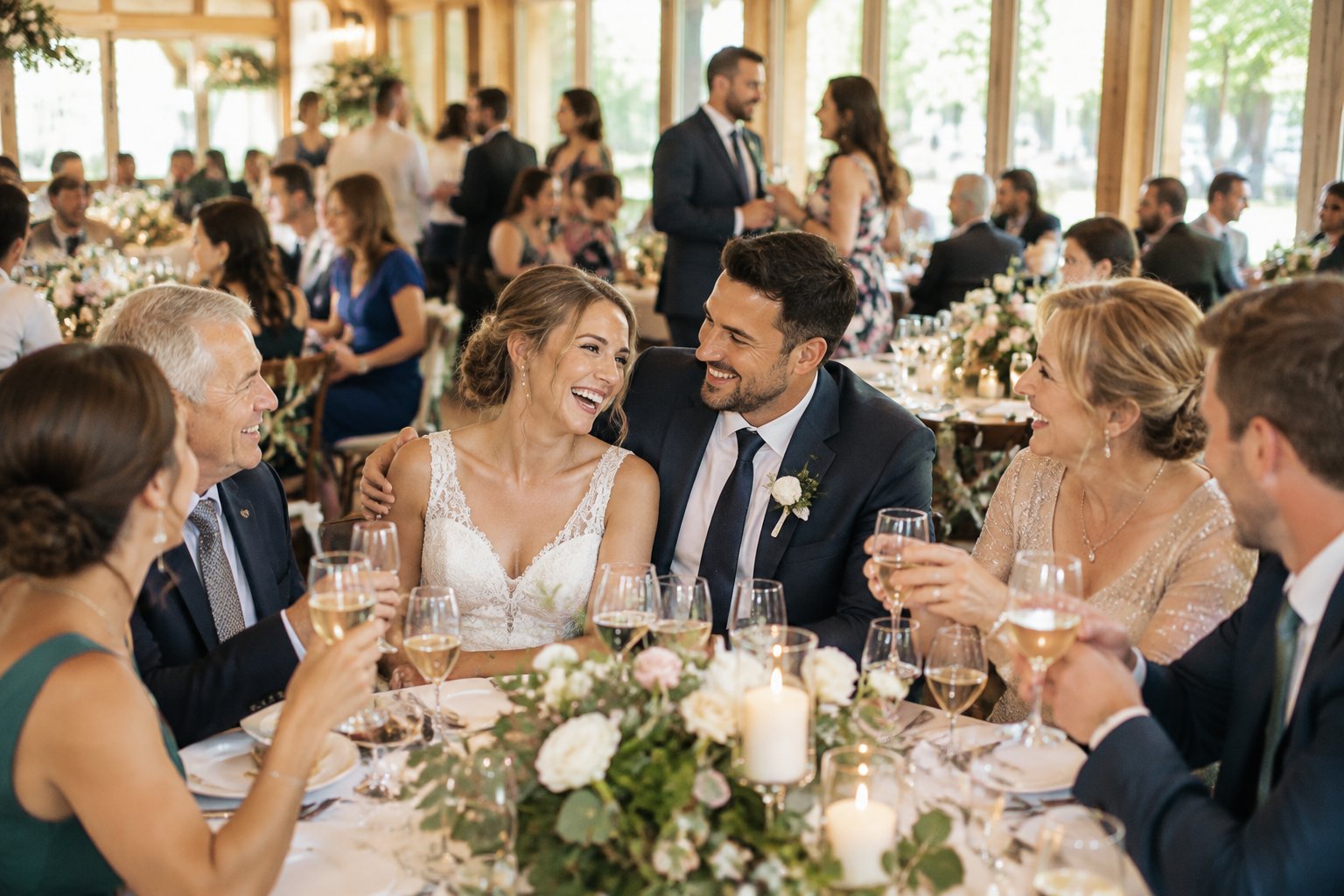
How Can a Smaller Guest List Improve the Guest Experience?
With fewer guests, you have more chances to talk with people beyond a quick greeting. You can sit with family during dinner, greet friends during cocktail hour, and make personal touches feel relevant to the people attending.
A smaller group also gives you flexibility with the event flow. You might host the ceremony and dinner in the same venue, offer a family-style meal, or add a shared activity during the reception. When your guest list includes people who know one another, conversation can start easily across tables.
What Are the Trade-Offs of Keeping the Wedding Intimate?
The hardest part may be choosing who receives an invitation. Extended family, coworkers, and friends from different parts of your life may not all fit your limit, so clear rules help you make decisions fairly.
A small guest count also leaves some fixed expenses in place. Photography, music, and venue costs may stay similar even when you host fewer people. Your per-person spending may rise if you choose premium food or a special setting, while the total budget can still benefit from fewer meals and rentals.
How Can You Shape a Guest List of 60?
You can shape a 60-person list by setting a firm cap, agreeing on invitation rules, and applying those rules consistently. Start with the people you both most want present, then add guests in order of priority.
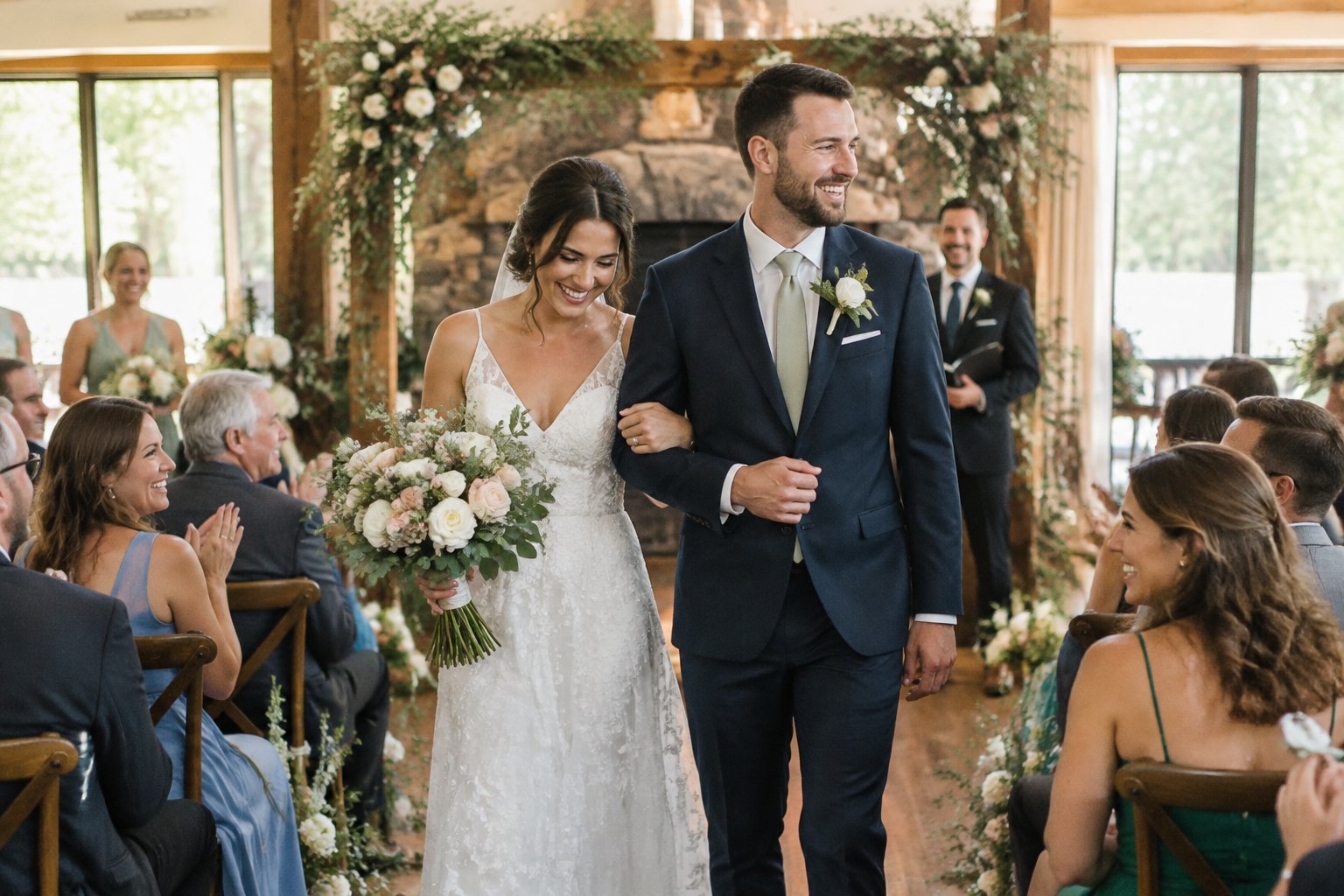
Who Should Make the Final Invitation List?
You and your partner should make the final decisions together. Begin with immediate family and close friends, then consider extended relatives, longtime friends, and other meaningful connections. A shared list of criteria keeps choices focused on your relationships and the celebration you want.
Decide how you will handle plus-ones, children, and coworkers before sending invitations. For example, you might invite all established partners or apply the same children policy to every guest. A written approach can make it easier to build your wedding invite list without making each decision from scratch.
How Can Couples Handle Family Expectations?
Tell family members your guest limit early and explain that you are planning a 60-person celebration. If relatives are contributing money, discuss their guest suggestions as part of the budget conversation and agree on how many invitations each household can offer.
You can be warm and direct when someone asks about an invitation. Explain that the celebration is intentionally small and that the limit applies across your circles. If you want to make decisions by group or family, a clear method to divide a wedding guest list can help everyone understand how invitations are allocated.
How Does Guest Count Affect the Wedding Budget?
Your guest count mainly changes costs tied to each person, while several vendor and venue expenses remain fixed. A smaller wedding can free money for your priorities, though the savings depend on your location, vendors, and service choices.
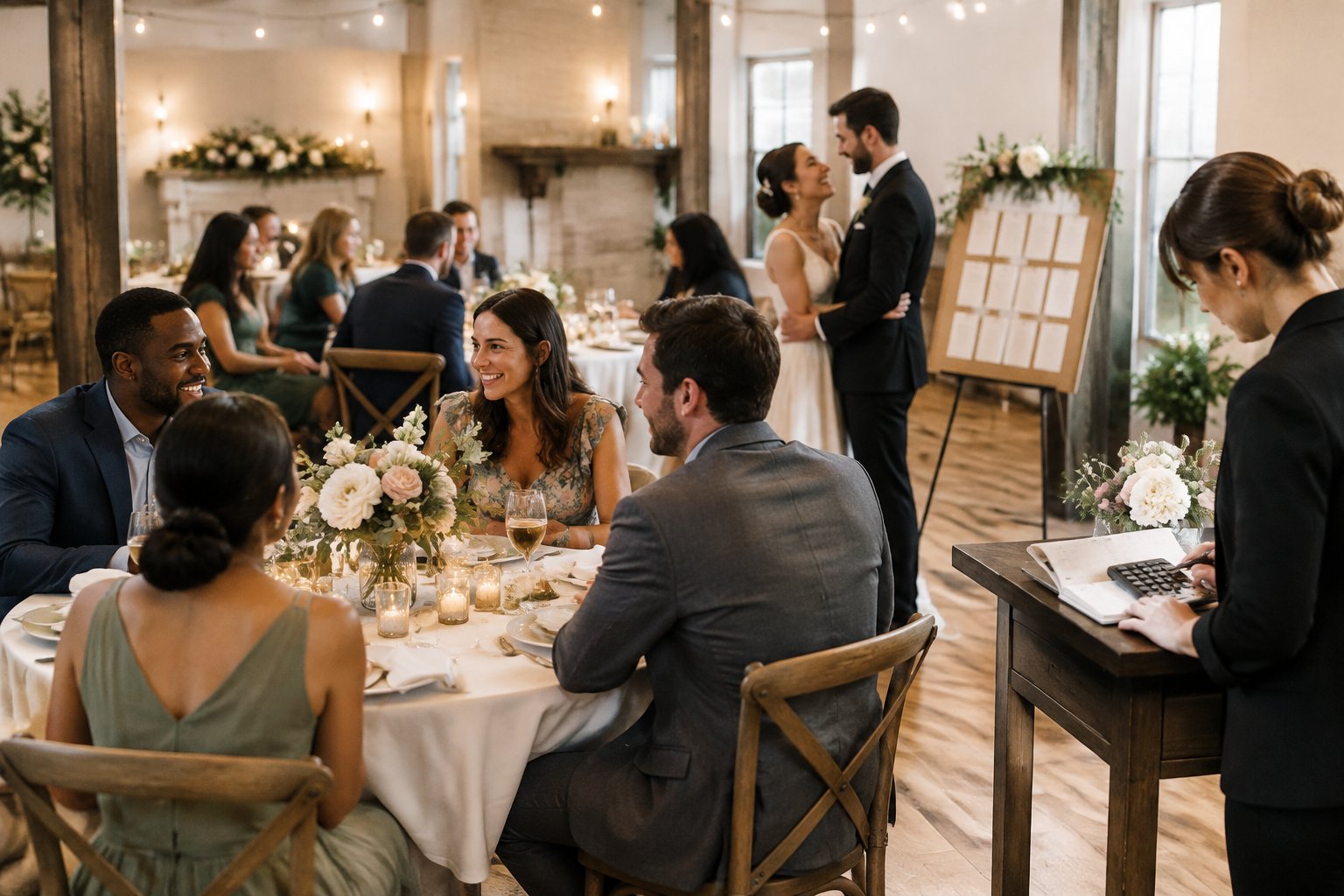
Which Costs Usually Change With the Number of Guests?
Food and drinks are the clearest per-person expenses. More guests also require additional place settings, chairs, linens, favors, and sometimes service staff. A larger headcount may push you into a different room size or catering package, so ask vendors how their prices change at specific guest-count thresholds.
Photography, attire, ceremony fees, and entertainment may stay close to the same price across different guest counts. Ask for an itemized estimate that separates fixed charges from per-person costs. A realistic wedding budget per person helps you compare meal and bar options using local quotes.
Where Can a Smaller Guest List Free Up Budget?
Fewer guests can reduce spending on catering, bar service, rentals, and printed items. You could put that money toward a more personal menu, better lighting, live music, or a longer celebration. Compare the savings with venue minimums and service fees before making a final plan.
A small wedding does not guarantee a low total cost. A private venue may have a rental fee that stays the same for 60 or 100 people, and premium food can raise the bill per guest. Set your priorities first, then adjust the list or services to fit the amount you can spend.
What Venue Works Well for 60 Guests?
A venue that suits 60 guests gives you comfortable room for the ceremony, dining, and mingling without leaving large empty areas. Restaurants with private rooms, garden venues, boutique event spaces, and smaller halls can all work well.
How Can You Tell if a Space Will Feel Comfortable?
Ask the venue for a floor plan showing the layout for your event, not just its maximum capacity. A room’s standing capacity may differ from its seated capacity, especially when you add a dance floor, a band, or a buffet.
During a tour, check how guests will move between the ceremony and reception areas. Look at restroom access, parking, accessibility, and the space available for vendors. If you plan to use one room for multiple parts of the day, ask how much time the venue needs to reset it.
What Layouts Help Guests Mingle?
Round tables support small-group conversation, while long tables create a shared-dinner feel. A mix of seating and open space gives guests options for catching up, getting a drink, and taking a break from dancing.
Think about the paths between tables, the bar, and the dance floor. Keep walkways clear and place the couple’s table where you can see and greet guests. A thoughtful wedding seating arrangement can make the room feel welcoming while helping guests find familiar faces.
How Can You Plan a Memorable 60-Person Reception?
A memorable 60-person reception comes from a comfortable pace, personal details, and activities that suit your guests. You have room to make the gathering feel connected without filling every moment with formal events.
Which Meal and Seating Options Suit a Smaller Gathering?
A plated dinner gives the evening a clear structure, while a buffet lets guests choose their food and serving time. Family-style dining brings dishes to the table and encourages conversation. For any format, confirm dietary needs and service timing with your caterer before finalizing the menu.
Choose seating that matches your reception style. Assigned tables help guests settle in quickly, while open seating feels relaxed when guests already know one another. You can also reserve a few seats for older relatives or anyone who needs easy access to the dining area.
How Can You Keep the Celebration Lively and Personal?
Build in a few moments that bring your guests together, such as a toast, a first dance, or a short welcome from the couple. Personal readings, meaningful music, and table details tied to shared memories can make the reception feel like yours.
Give guests time to talk between planned activities. A cocktail hour, dessert station, or late-night snack offers a natural pause before dancing picks up. Ask a trusted friend or coordinator to handle timing and vendor questions so you can stay present with your guests.