
Is a 70-Person Wedding Too Small? A Guest Count Guide
If you’re asking, “Is a 70 person wedding too small?” A 70-person celebration can feel intimate while still giving you a lively reception. Your guest count is large enough to bring close family and friends together, yet small enough to make personal conversations part of the day.
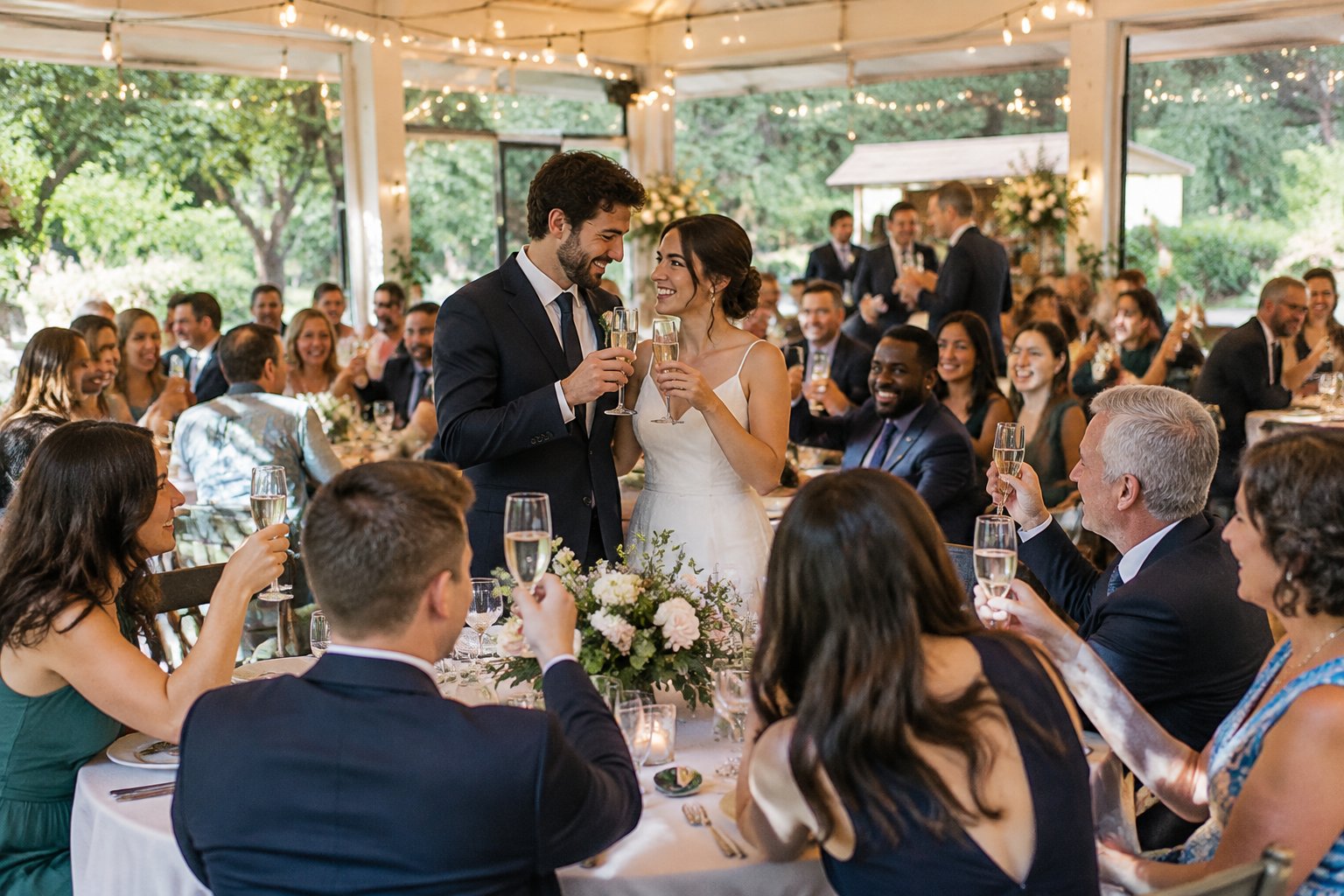
Your wedding should fit the people you want beside you, the atmosphere you enjoy, and the budget you can manage. Start by listing the guests you most want to celebrate with, then ask venues how their spaces work for a seated dinner of about 70.
Where Does a 70-Guest Celebration Fit?
A 70-person wedding falls between common small and medium wedding ranges, so you can describe it as small-to-medium or intimate. Labels vary, and the people attending and the space you choose shape how the event feels.
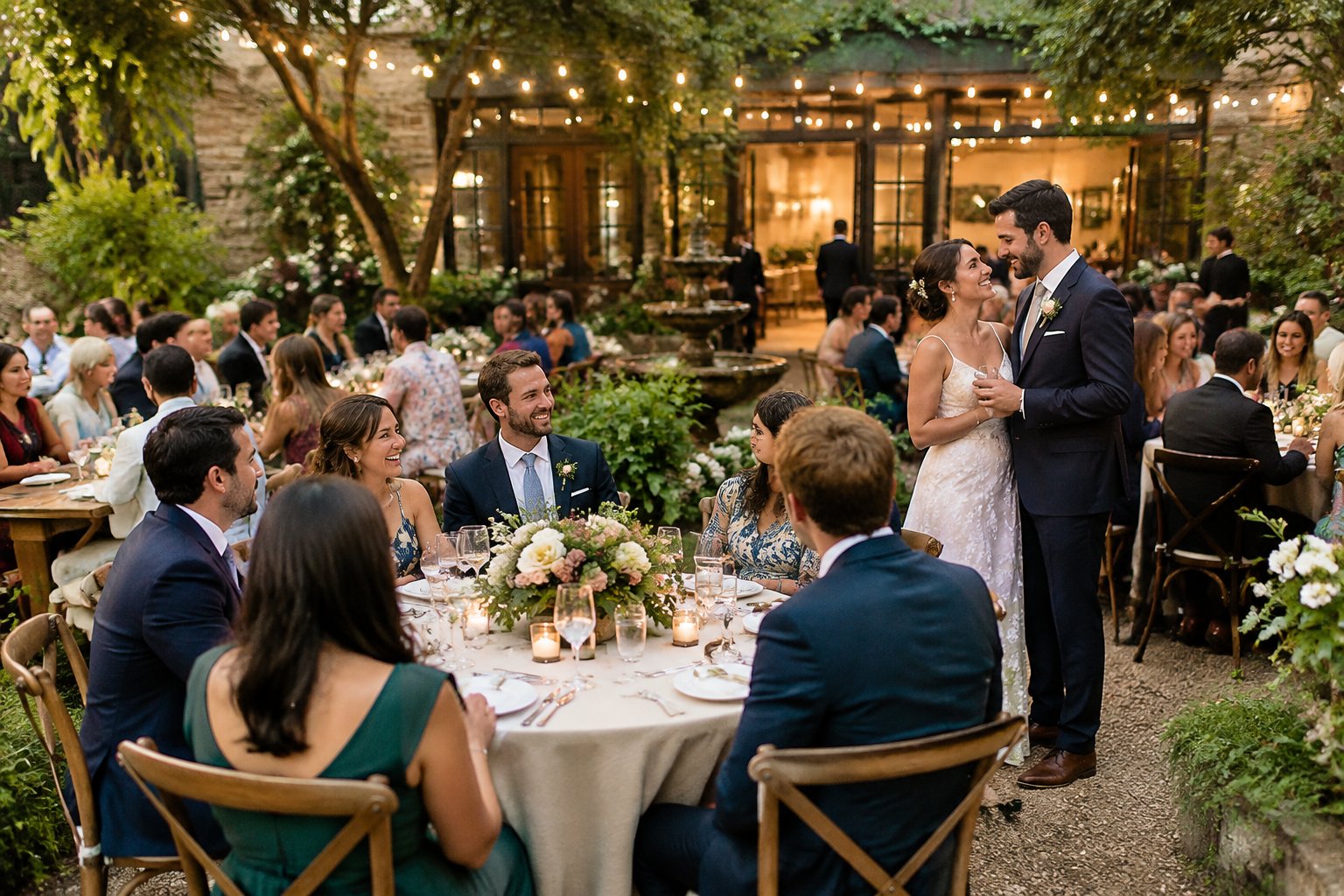
What Guest Counts Usually Define Small, Medium, and Large Weddings?
A common guide counts weddings of 50 guests or fewer as small, 50 to 150 as medium, and more than 150 as large. A micro wedding often has 20 guests or fewer, though some couples use the term for gatherings of up to 50.
By those ranges, 70 guests puts your wedding in the medium category. In everyday conversation, many people still call that a small wedding, especially when the guest list is limited to close friends and family. You can also compare your plans with what a 100-person wedding feels like as you decide what size suits you.
Why Do Wedding Size Labels Vary?
There is no fixed rule that sets the boundaries for wedding size. Your family traditions, community, and past experience all affect what feels small or large to you. A 70-person wedding might feel generous in a close-knit family, while a couple used to larger celebrations may see it as intimate.
The label also says little about the day’s mood. Seventy guests in a compact restaurant room can feel lively and close; the same number in a vast ballroom can feel more spread out. Your layout and guest mix help set the tone.
How Does 70 Compare With a Typical Wedding?
A 70-person guest list is below the U.S. average reported in recent wedding surveys, which places it in the smaller range compared with many traditional celebrations. It still gives you enough guests for a full reception, with dinner, dancing, and a broad mix of loved ones.
If you’re trying to picture where your count sits, it helps to look at how many guests are considered a big wedding. That comparison can help you see that wedding size is a spectrum, not a pass-or-fail label.
Will 70 Guests Feel Intimate on the Day?
Seventy guests can feel intimate when your setting supports conversation and your list centers on people you know well. Your room layout and the way you spend time with guests will shape that feeling.
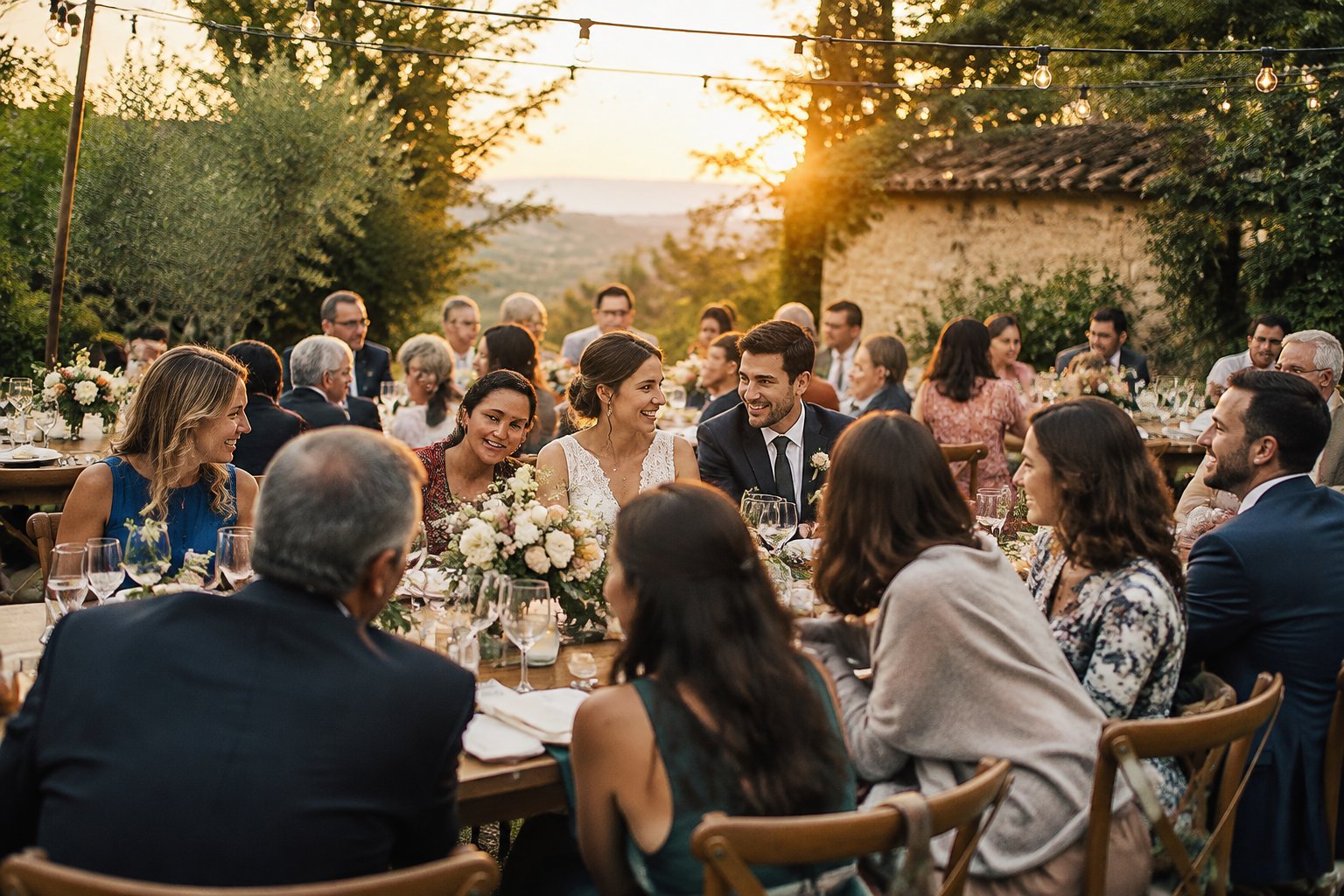
How Do Your Guests and Setting Shape the Atmosphere?
Your guests’ relationships with you influence the mood as much as the headcount. A list made up of close relatives, longtime friends, and people who know each other can feel warm and connected. A mix of guests from different parts of your life can bring a more energetic, party-like feel.
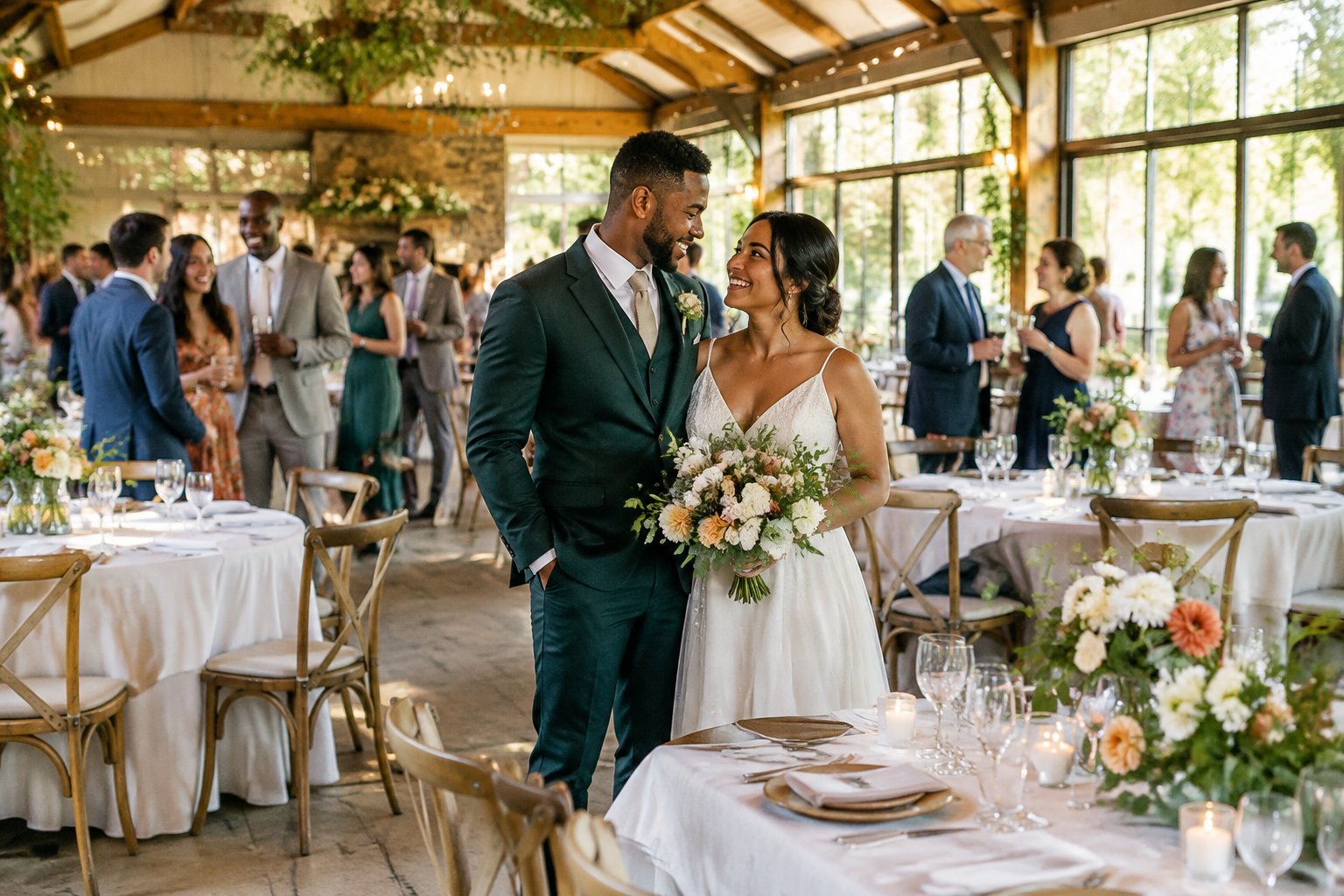
Choose a space sized for your plans. A private dining room, garden, or small event venue can make 70 guests feel gathered together. In a larger hall, use a more compact seating plan or create distinct areas for dinner and conversation so the room feels welcoming.
Can You Spend Meaningful Time With Everyone?
You have a better chance of speaking with most guests at 70 people than at a much larger wedding, though your schedule still affects how much time you get. A receiving line, table visits, and a relaxed cocktail hour can create natural moments to connect.
Plan time for those conversations before filling the schedule with activities. If you want a longer visit with each person, keep formalities brief and ask your wedding party to help you move between groups. An intimate wedding means you can make personal connection part of the plan, not leave it to chance.
What Should Guide Your Guest List?
Build your guest list around the people you want present, then check that the total fits your budget and venue. Agreed rules for family requests, children, and plus-ones can help you make decisions with less stress.
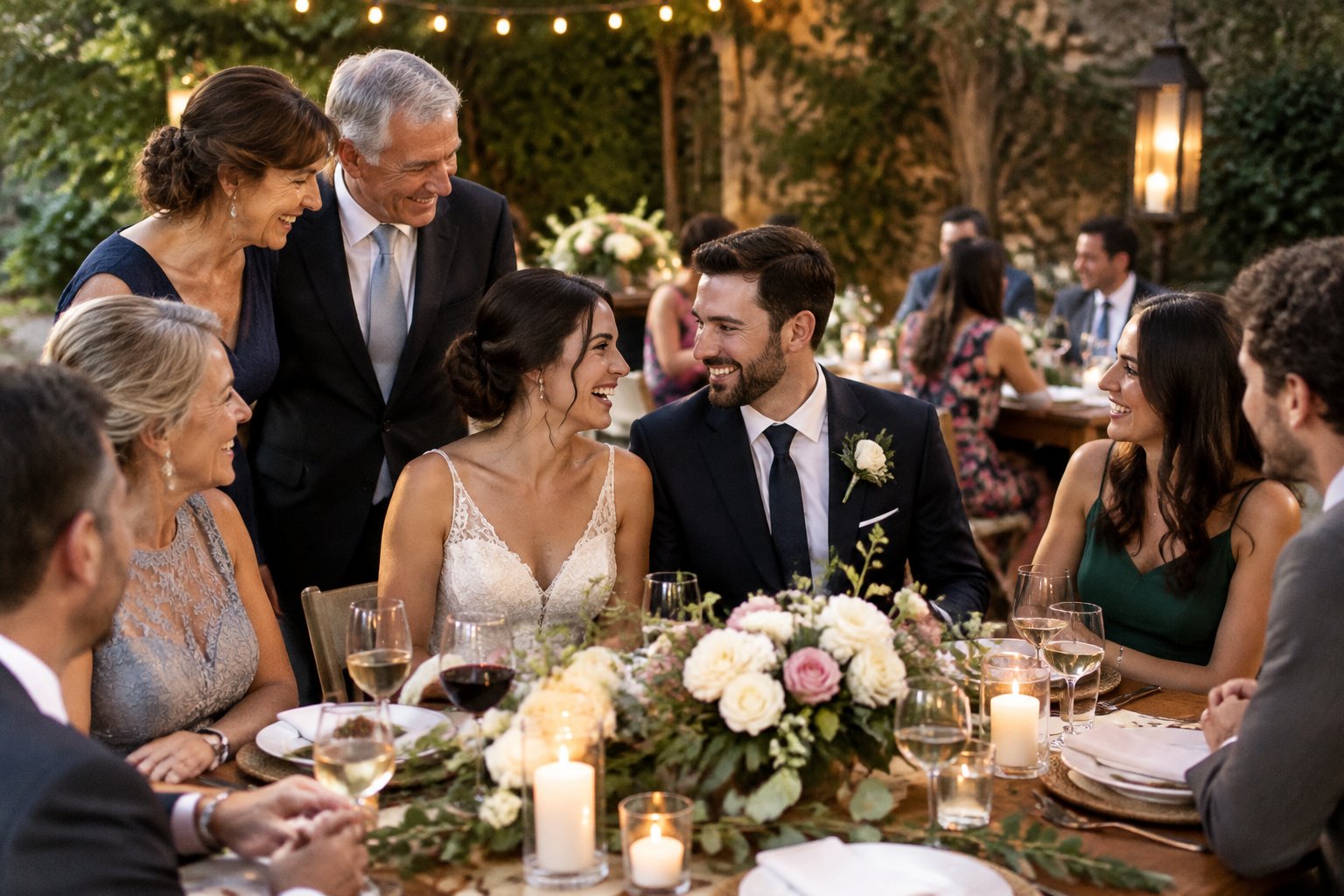
How Can You Set a Guest Limit Together?
Start with a number you can afford and a venue capacity that works for your preferred setup. Then list the people you each consider essential. If the count grows beyond your limit, sort remaining names by how close you feel to them and how active they are in your lives.
A shared spreadsheet can help you track each guest, their relationship to you, and their RSVP. If you need a fair way to split the available seats, decide how to divide your wedding guest list before adding extended family or friends. Set the rules together before you invite others to suggest names.
For more ideas on choosing guests for a smaller celebration, use these small-wedding guest list tips as a starting point. Keep the final list focused on people whose presence feels important to you both.
How Should You Handle Family Expectations and Plus-Ones?
Talk with family early about the size you have chosen and the reasons behind it, such as budget or venue space. If parents are contributing money, agree on how many invitations they can suggest before you finalize the list. A clear seat limit gives everyone a practical boundary.
Apply consistent rules to plus-ones and children. You might invite partners of married or long-term guests, for example, and make one clear choice about whether children are included. If family members disagree about who gets an invitation, explain the shared rule instead of singling out individuals.
You and your partner should make the final choices together. If you’re unsure how to set those boundaries, consider who decides the wedding guest list as you discuss each person’s role in the process.
How Do Guest Count, Budget, and Venue Choices Connect?
Your guest count shapes your wedding budget and the venue setup, so settle on a realistic range before you sign a contract. For 70 guests, compare each venue’s seated-dinner capacity and layout, not just its advertised maximum.
Where Can a Smaller Guest List Save Money?
A smaller list reduces costs that rise with each guest, such as meals, drinks, place settings, and some rentals. You may also need fewer tables, chairs, and printed invitations. These savings can leave room in your wedding budget for priorities like photography or a more personal menu.
Some costs stay similar across guest counts. Venue rental, music, attire, and photography may not fall much when you invite fewer people, so a smaller wedding does not guarantee a lower total bill. Ask vendors how pricing changes at 70 guests, including any food-and-beverage minimums or staffing fees.
What Venue Options Work Well for 70 Guests?
A restaurant private room, garden, small banquet space, or well-sized backyard can suit a 70-person wedding. Look for a space that fits your ceremony and reception plans, with room for guests to move between tables and reach the bar or buffet.
Ask for a floor plan showing the dinner layout, dance floor, and service areas. A venue’s legal capacity may differ from its comfortable seated capacity, especially when you add a DJ, band, buffet, or ceremony seating. Confirm that your setup leaves clear paths for guests and vendors.
If you’re still deciding what number to plan around, use this guide to estimate how many guests you need for a wedding. A working range can make it easier to compare venue quotes.
When Can a Wedding Planner Help?
A wedding planner can help you match your guest count to the venue, schedule, and budget. For a 70-person event, a planner can also coordinate layout details, vendor needs, and family input while you make the key decisions.
You might hire a planner for full-service support or ask about help with specific tasks, such as venue selection or day-of coordination. Before booking, ask what services are included and how the planner’s fee fits your budget.
Would a Different Wedding Format Suit You Better?
A 70-person reception works well if you want a close-knit gathering with a full celebration, while other formats suit couples who want fewer guests or a different setting. Your preferred guest experience can help you choose between a micro wedding, elopement, minimony, or destination wedding.
When Might a Micro Wedding or Elopement Be a Better Fit?
A micro wedding suits you if you want a small guest list and more time with each person. Definitions vary, but the format often includes up to 50 guests. An elopement usually centers on the couple, with a small number of guests or just witnesses, and may include a larger celebration later.
These formats can work well if a 70-person list feels too large for your budget or the kind of day you want. You can also plan a ceremony with immediate family and close friends, then host a casual gathering with a broader circle at another time. For more possibilities, explore non-traditional wedding ideas.
Could a Minimony or Destination Wedding Work for Your Plans?
A minimony is a small ceremony with a limited guest list, often followed by a larger reception or anniversary celebration. It can suit you if you want the ceremony to feel personal and prefer to bring more people together later.
A destination wedding can create an intimate group because travel costs and time away affect who can attend. Before choosing one, estimate travel needs and ask guests for early feedback. You can use a destination wedding guest-count estimate to plan around likely attendance, then choose a location and format that work for the people you most want there.