
Is a Videographer Worth It for a Wedding? What to Weigh
If you’re asking whether a videographer is worth it for your wedding, professional video is worth the investment if you want to hear your vows and family speeches again and relive the movement and atmosphere of the day. Your photographer preserves moments in still images, while video records voices, reactions, and the way events unfold.
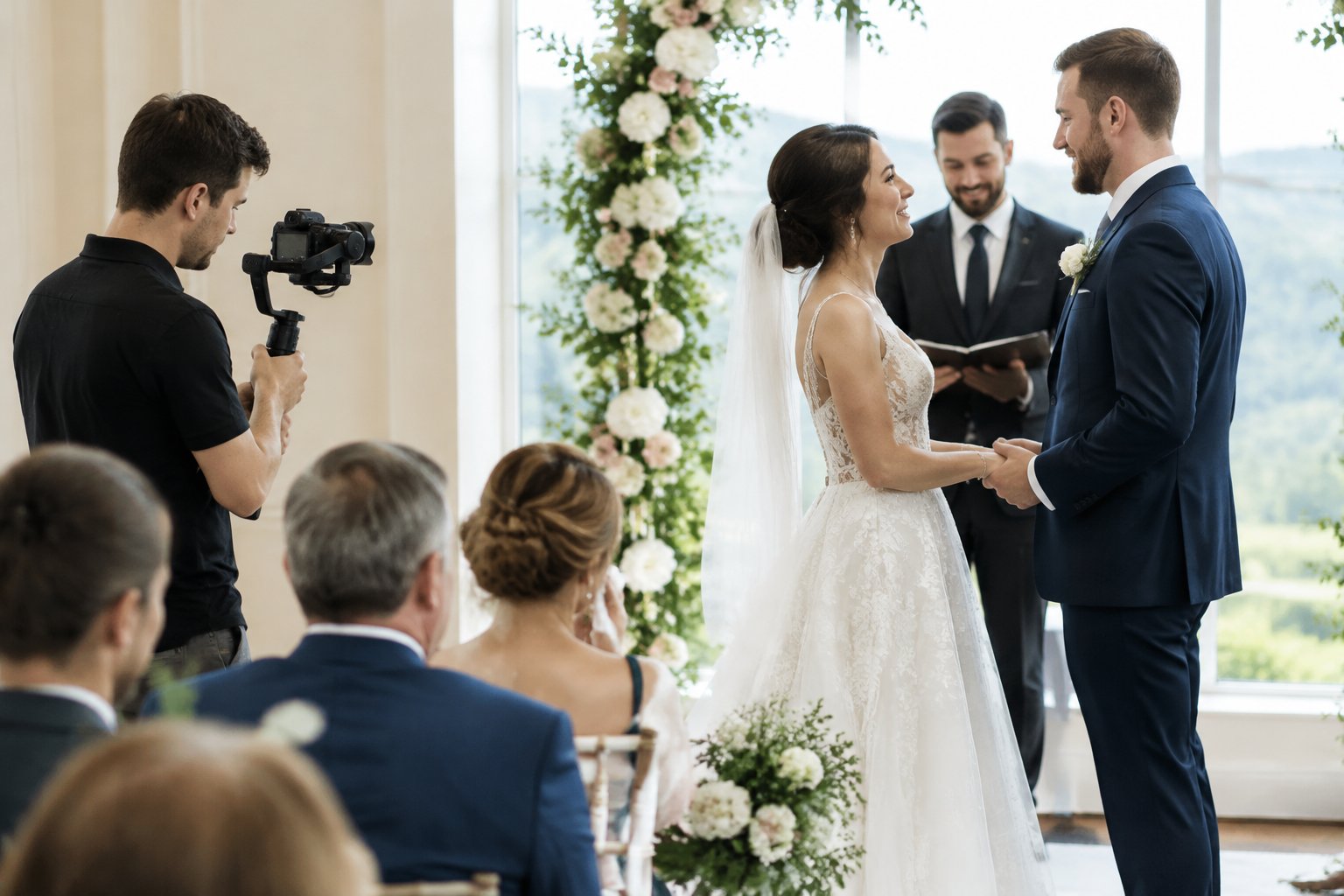
Your wedding film becomes a record you can revisit long after the flowers are gone and the day has passed. If video feels important to you, start by watching full films from a few videographers and noting which moments you most want preserved.
What Can a Wedding Video Preserve?
A wedding video preserves sound and motion alongside the moments you may be too busy to notice as they happen. You can revisit the words, music, reactions, and small exchanges that make your day personal.
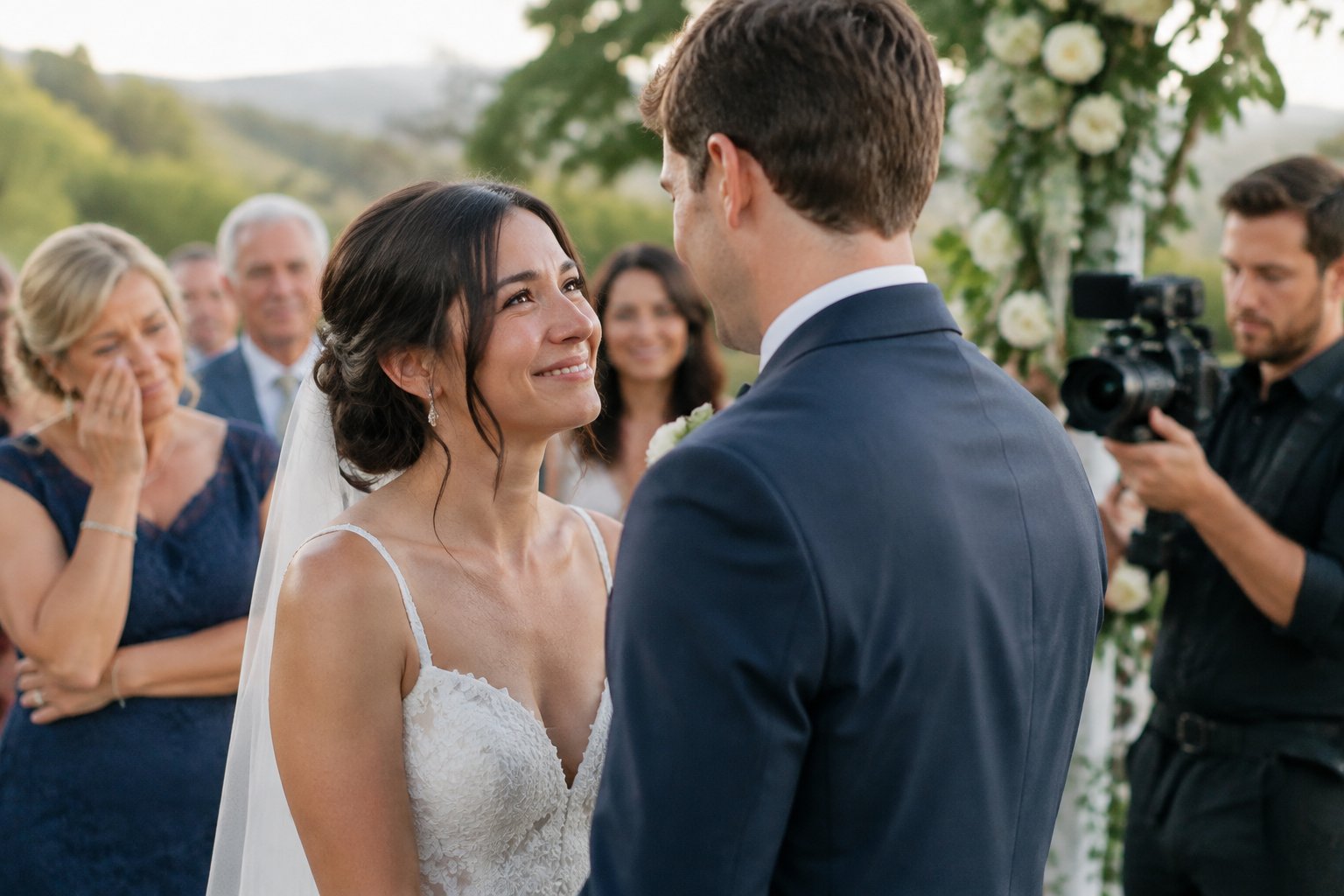
Hear the Wedding Vows, Toasts, and Family Voices Again
Wedding videography lets you hear the tone and emotion in your wedding vows, speeches, and family conversations. Your film can hold the pause before a promise, a loved one’s laughter, or the way your partner’s voice sounds during the ceremony.
Ask how your videographer records audio. Many use microphones for the couple and connect to the officiant’s sound system when available. Clear audio takes planning, so share your ceremony setup and any must-have speakers with your videographer before the wedding.
You may also want to preserve cultural traditions, readings, or words from relatives who traveled to celebrate with you. Those details give your wedding film a personal feel and can turn it into a keepsake for your family.
Relive the First Dance, Parent Dances, and Moments You Missed
Video lets you revisit the movement and energy of your first dance and parent dances. You can watch your guests’ reactions, hear the music, and notice the small moments happening around you.
Your wedding day moves quickly, and you can’t be in every room at once. A videographer may capture your guests during cocktail hour, a relative’s reaction to the ceremony, or a quiet exchange while you’re greeting people. Those scenes add context to the moments you experienced firsthand.
If you’re choosing keepsakes, a film can sit alongside printed photographs and other wedding keepsake ideas. Your video gives you a way to revisit the sounds and motion connected to those memories.
How Video and Wedding Photography Work Together
Wedding photography and videography offer different ways to remember the same day. Photos give you finished images to frame or place in an album; a wedding film adds sound, motion, and the changing pace of the celebration.
Your photographer and videographer can coordinate to cover key moments while giving each other room to work. Share your timeline with both, and ask how they plan to move during the ceremony and special dances. If you’re weighing the role of each service, consider how wedding photos preserve meaningful moments and whether a wedding photographer is worth the cost for your plans.
How Much Does Wedding Videography Cost?
Wedding videography cost depends on your location, coverage hours, team size, and finished videos. A national study from The Knot reported an average wedding videographer cost of $2,300, though your quote may fall above or below that figure.
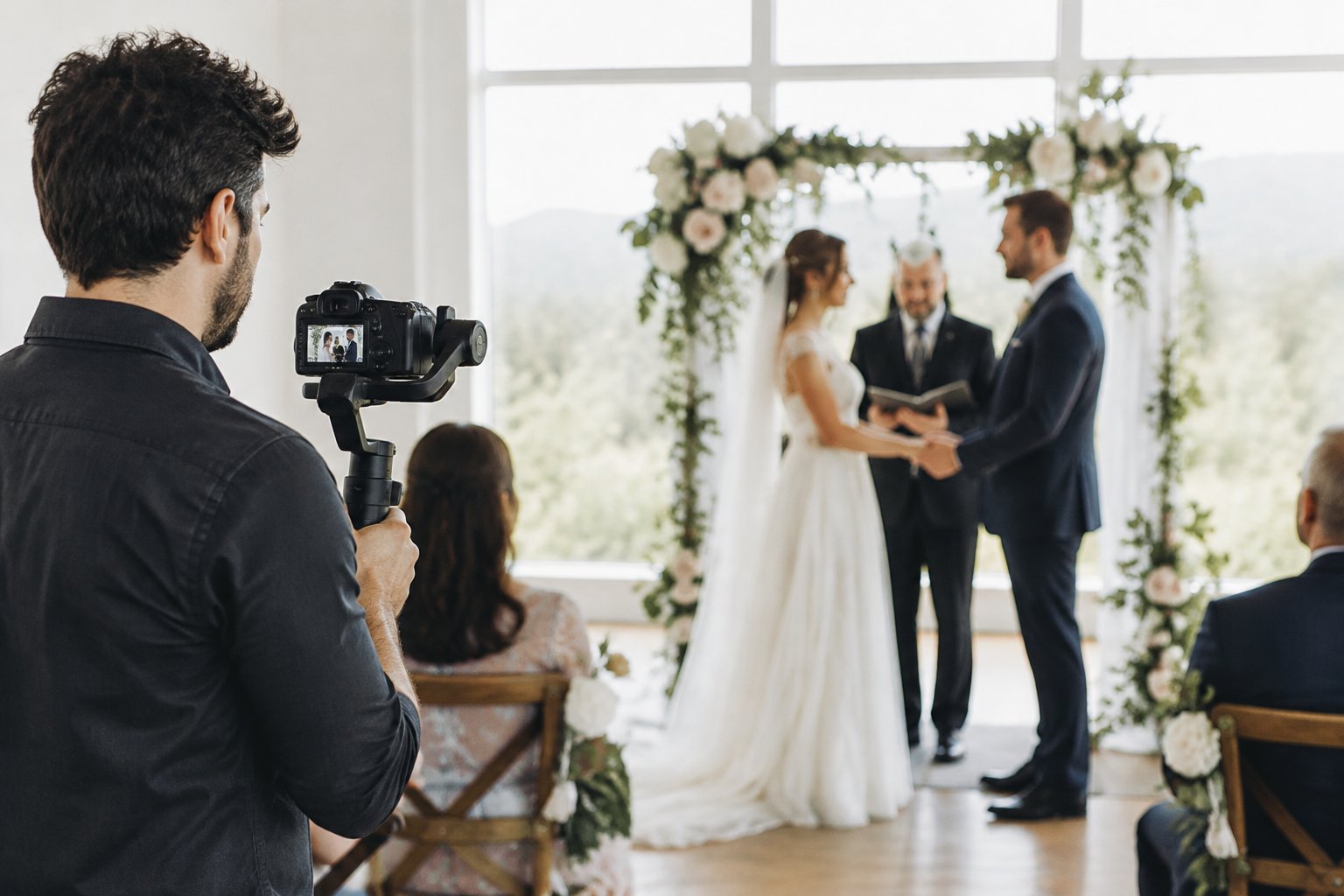
Your wedding budget can shape how much coverage you choose, so compare the package details alongside your other vendor costs. A shorter booking that covers the ceremony and reception highlights may fit your plans better than full-day coverage.
What Different Wedding Videographer Packages May Include
Packages can include different coverage windows and final products. Check the contract for the number of filming hours, the number of videographers, and exactly what you’ll receive after the wedding.
Common deliverables include:
- A short highlight film for sharing
- A longer edited wedding film
- Ceremony or speech recordings
- Short social media clips
- Raw footage, if offered
Add-ons such as extra coverage, a second shooter, or a same-day edit can raise the price. Editing also takes time after the event, so compare delivery dates and revision terms before you book. Request an itemized quote to see which features fit your priorities.
How to Weigh Video Against Other Wedding Budget Priorities
Start with the moments you want preserved, then decide how much of your wedding budget you can set aside for video. If hearing your vows and toasts again feels important, look for a package that covers those events and records clear audio.
You can also adjust the coverage window. For example, you might book a videographer for the ceremony through the first dances, then skip the getting-ready portion or late-night reception. Compare that cost with other budget items and your expected traditional wedding costs before making a choice.
Who Benefits Most From Professional Coverage?
Professional wedding video suits you if sound, movement, and family memories are high on your keepsake list. A professional wedding videographer plans coverage and audio, then edits the footage into a film you can watch and share.
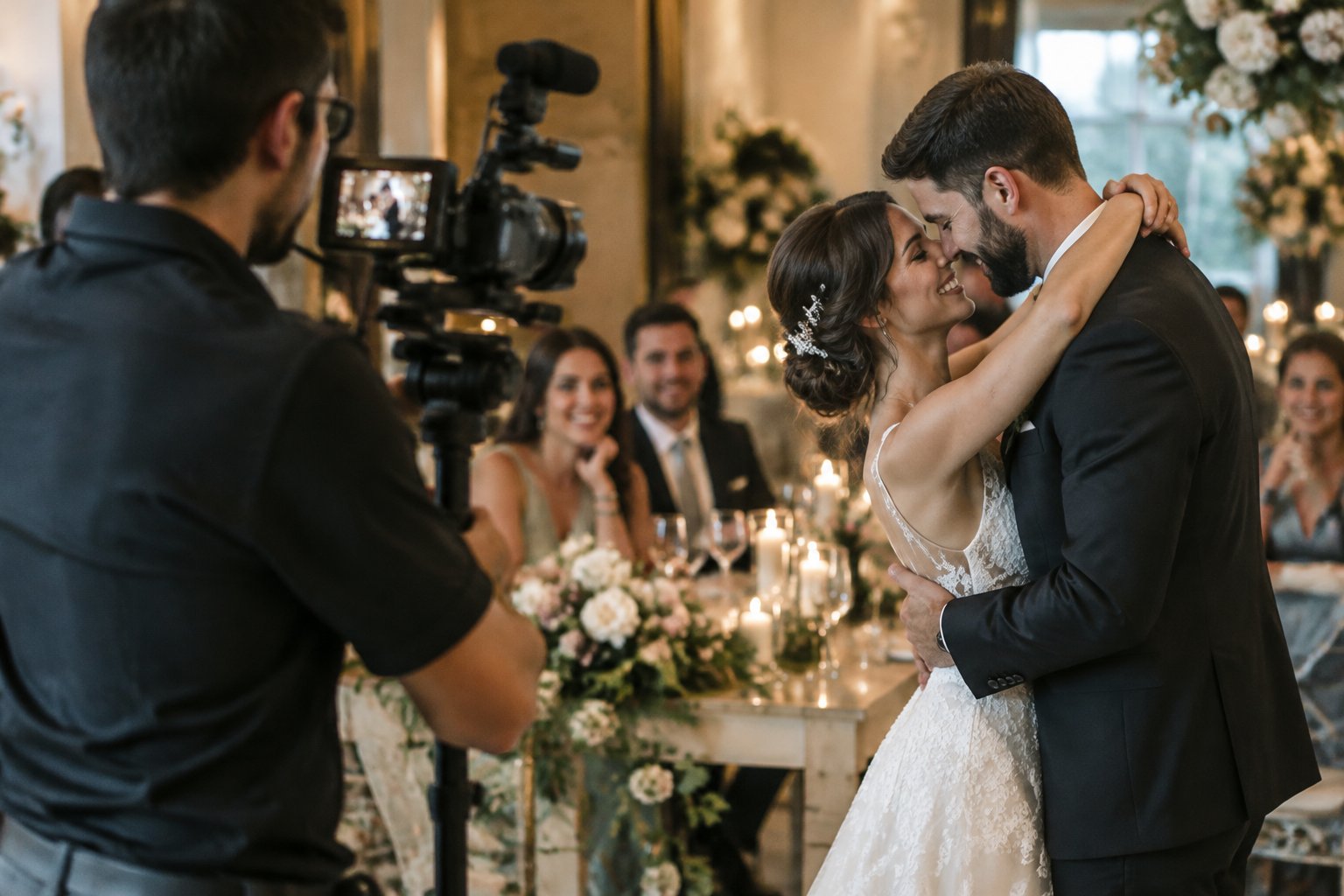
Think about how you want to revisit the day: a short highlight, full ceremony footage, or a longer film with speeches and reception moments. Your preferred viewing experience can help you choose the right level of coverage.
Couples Who Value Audio, Movement, and Family Memories
Professional wedding video can suit you if you want to hear the words spoken during your ceremony and speeches. It also captures movement, such as the processional, your first dance, and guests celebrating on the dance floor.
You may value video if relatives or friends who matter to you can’t attend. A finished film gives you a way to share parts of the day with them later. You might also enjoy revisiting family members’ voices and reactions as time passes.
If you love remembering an event through sound and motion, consider what you’d want to replay on an anniversary or share with loved ones. Your answer can help you decide whether a wedding film belongs among your wedding keepsake choices.
When a Shorter or Simpler Package May Be Enough
A shorter package may fit if your main priorities are the ceremony, vows, and a few key reception moments. You can ask about ceremony-only coverage or a shorter booking that ends after the first dances.
A simple package can also give you a finished film without add-ons you don’t plan to use. Focus your questions on coverage time, audio, and the final edit. If those needs are met, you may not need extra shooters or multiple video formats.
When Is It Reasonable to Skip Video?
Skipping video can be a reasonable choice when your wedding budget is committed to higher priorities or you don’t expect to watch a film later. You can still preserve memories through photography and personal recordings from your guests.
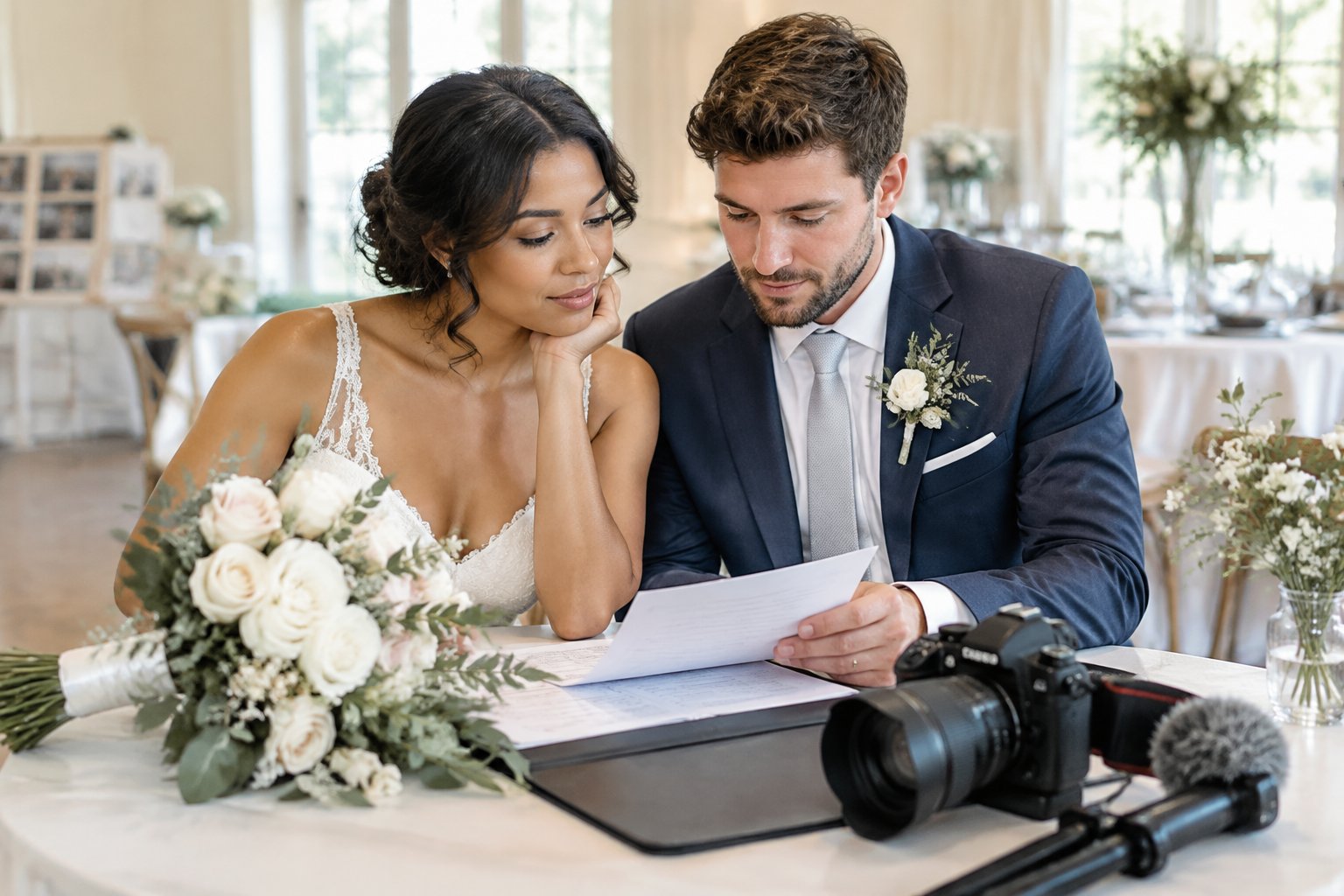
Your decision can reflect the kind of keepsake you’ll use and the amount you want to spend. If your plans lean toward still images or a smaller celebration, videography may not be a necessary part of your vendor team.
Budget, Priorities, and Other Practical Reasons
You might skip hiring a wedding videographer if paying for coverage would put pressure on essential costs. You may also prefer to spend that portion of your wedding budget on another service or detail that has greater meaning for you.
Your plans can make video less useful, too. A short ceremony with no formal speeches or special dances gives you fewer events to record. If you feel content with photographs and written memories, that preference is a valid reason to leave video out.
Before you decide, name the specific moments you would want in a film. If you can picture yourself replaying those moments, compare a basic package with your budget. If you can’t, put the money toward another priority or a different way to make your wedding memorable.
Why DIY Guest Footage May Not Replace a Finished Film
Guest footage can give you spontaneous clips and personal points of view. The results depend on where guests stand, how steady they hold a phone, and whether their recordings capture clear sound.
A professional brings planned coverage, equipment, and editing to create a finished film with a clear beginning and flow. Guest clips can still be a fun extra. If you rely on them, ask a trusted person to record a few key moments, such as the ceremony or a toast, and check that your venue allows phones or tripods in those areas.
How to Choose a Wedding Videographer
Choose a wedding videographer whose full films show the style, audio quality, and coverage you want. A strong match also communicates clearly and works smoothly with your photographer and other wedding vendors.
Review Full Films, Audio Quality, and Editing Style
Watch at least one full wedding film, not only short highlight reels. A full film shows how the videographer handles transitions, quiet moments, and longer speeches. Listen for clear vows and toasts, and look for steady footage in both bright and dim settings.
Consider the editing style you enjoy. Some films follow events with a documentary feel, while others use music and carefully shaped scenes. If the music matters to you, ask how the videographer selects licensed tracks and whether you can share preferences. Your choice of soundtrack can shape the feeling of the film, so think about choosing a song for your wedding as part of that conversation.
Match Coverage Hours and Deliverables to Your Timeline
Write down the moments you want covered, then compare them with the package’s start and end times. Include travel between locations, the ceremony, speeches, special dances, and any late reception events that matter to you.
Ask who will film your wedding and whether the package includes a second shooter. A second person can record moments happening at the same time, such as each partner’s reaction during the ceremony.
Ask how the team plans to capture those moments and how many cameras they use; a discussion of camera needs for a wedding video can help you compare coverage plans.
Before signing, confirm the delivery window, final formats, overtime charges, and any added fees in writing. A clear agreement lets you know exactly which events are covered and what you’ll receive afterward.