
Is an 11am Wedding Too Early? Planning Tips
An 11 a.m. ceremony gives you time for a daytime celebration and an afternoon finish, with an early start for you and your wedding party. An 11 a.m. wedding is not too early for you if you plan for morning preparations and give guests clear arrival details.
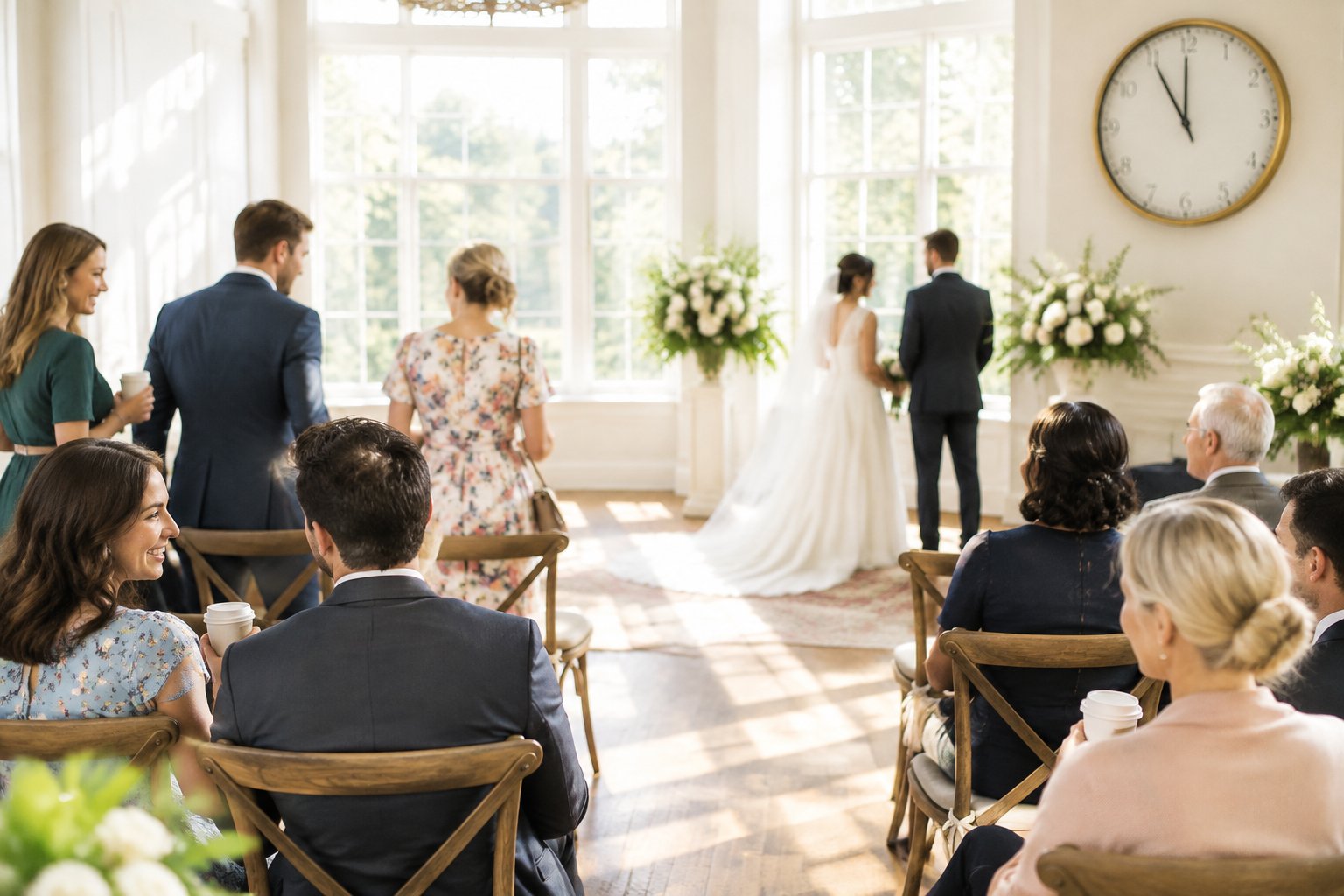
A morning wedding works well if you want a relaxed lunch reception and plenty of daylight for your celebration. Compare wedding start times as you decide whether the pace and timing fit your plans. Talk with your venue and wedding party before you settle on the schedule.
How an 11 a.m. Start Can Shape the Celebration
An 11 a.m. ceremony sets up a daytime celebration with a lunch reception and an earlier finish. You can make the meal feel festive and give guests time to connect, while still leaving room for a toast, dancing, or a relaxed afternoon.
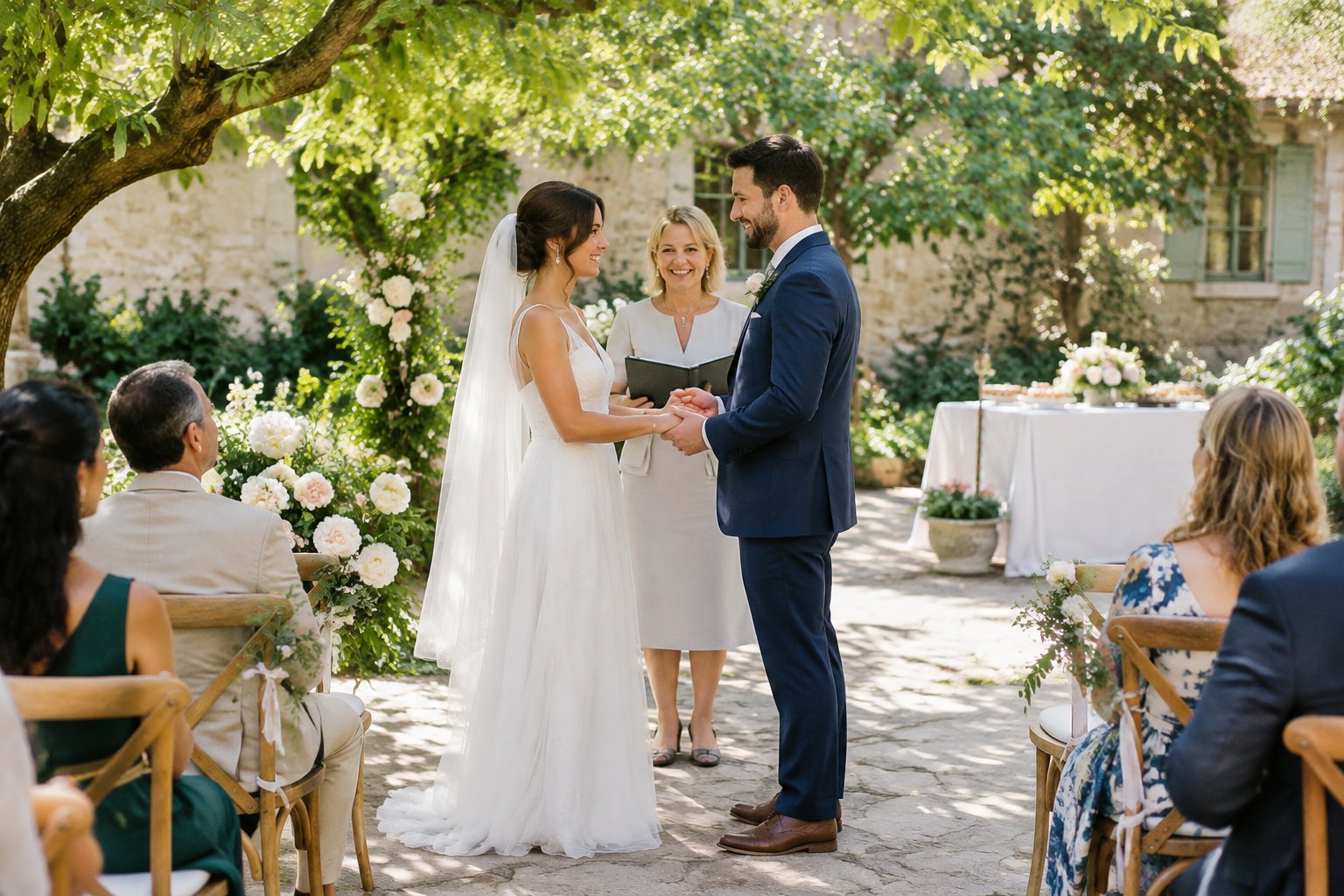
A Lunch Reception Can Set a Relaxed, Daytime Mood
A lunch reception gives you a natural way to carry the celebration forward after the wedding ceremony. Plan a menu that suits the hour, such as a plated lunch or a brunch spread with eggs, pastries, and fresh fruit. Coffee, tea, and a few brunch cocktails can help guests settle in.
Your daytime setting can feel warm and polished, with table linens, flowers, and music that fits the mood. If dancing is part of your plans, build in a meal and time to mingle before opening the dance floor.
An Earlier Finish Leaves Guests More of the Day
With an 11 a.m. start, your reception can wrap up in the afternoon, leaving guests free for evening plans or a restful trip home. You can also use the extra time for a quiet break with your new spouse or an informal gathering with close family.
Set an end time that fits your venue agreement and the reception activities you want. A clear schedule helps guests know when the meal, toasts, and send-off will take place.
Which Early-Start Trade-Offs Should You Weigh?
An early ceremony asks you and your wedding party to begin the day sooner, while guests need enough time to travel and arrive. Your choice works best when the schedule feels manageable for the people closest to you and suits the plans you want for the rest of the day.
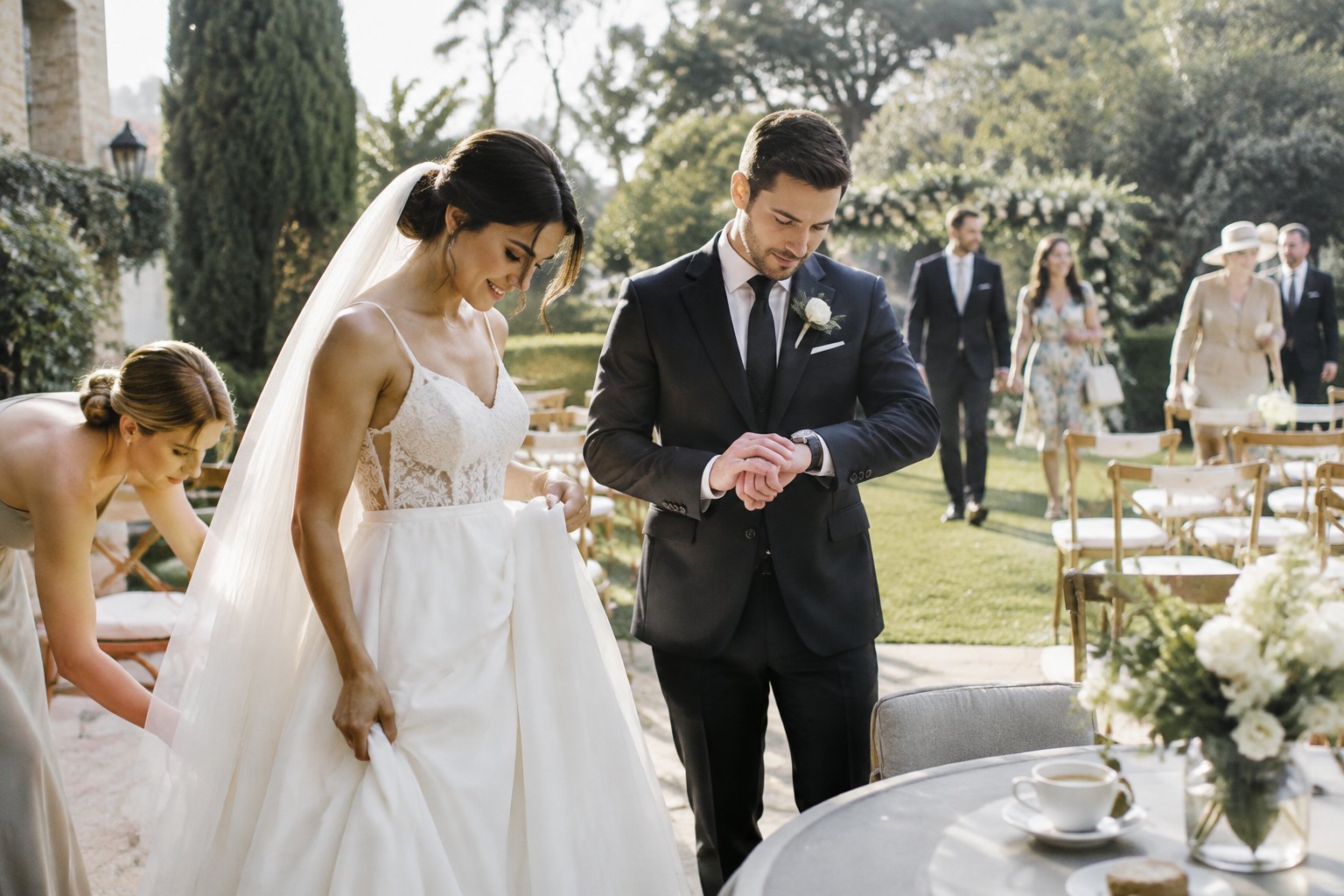
Allow for Early Hair, Makeup, and Travel
An 11 a.m. ceremony can mean hair and makeup start around 6 a.m., especially if several bridesmaids are getting ready with you. Ask your beauty team how long each service takes, then set a finish time that leaves room to get dressed and travel.
Give your attendants the schedule well in advance so they can prepare for the early call time. If the getting-ready space and ceremony site are in different locations, include travel and parking time. Your getting-ready order can help you decide who should be in the chair first.
Consider Guests’ Schedules and Evening Plans
Think about how guests will reach the venue, especially if they are traveling from out of town or need to arrange childcare. A Sunday morning start can affect guests who need to travel home that day, while a weekday ceremony can overlap with work schedules.
You can ask a few close family members and friends whether the timing creates a major issue. Their feedback can help you choose a date and ceremony time that suit the people you most hope to have there.
How Do You Build a Practical Morning Timeline?
Build your wedding timeline backward from the ceremony, with time for each preparation step and a buffer for delays. A clear schedule helps you, your bridesmaids, and your vendors know where to be and when.
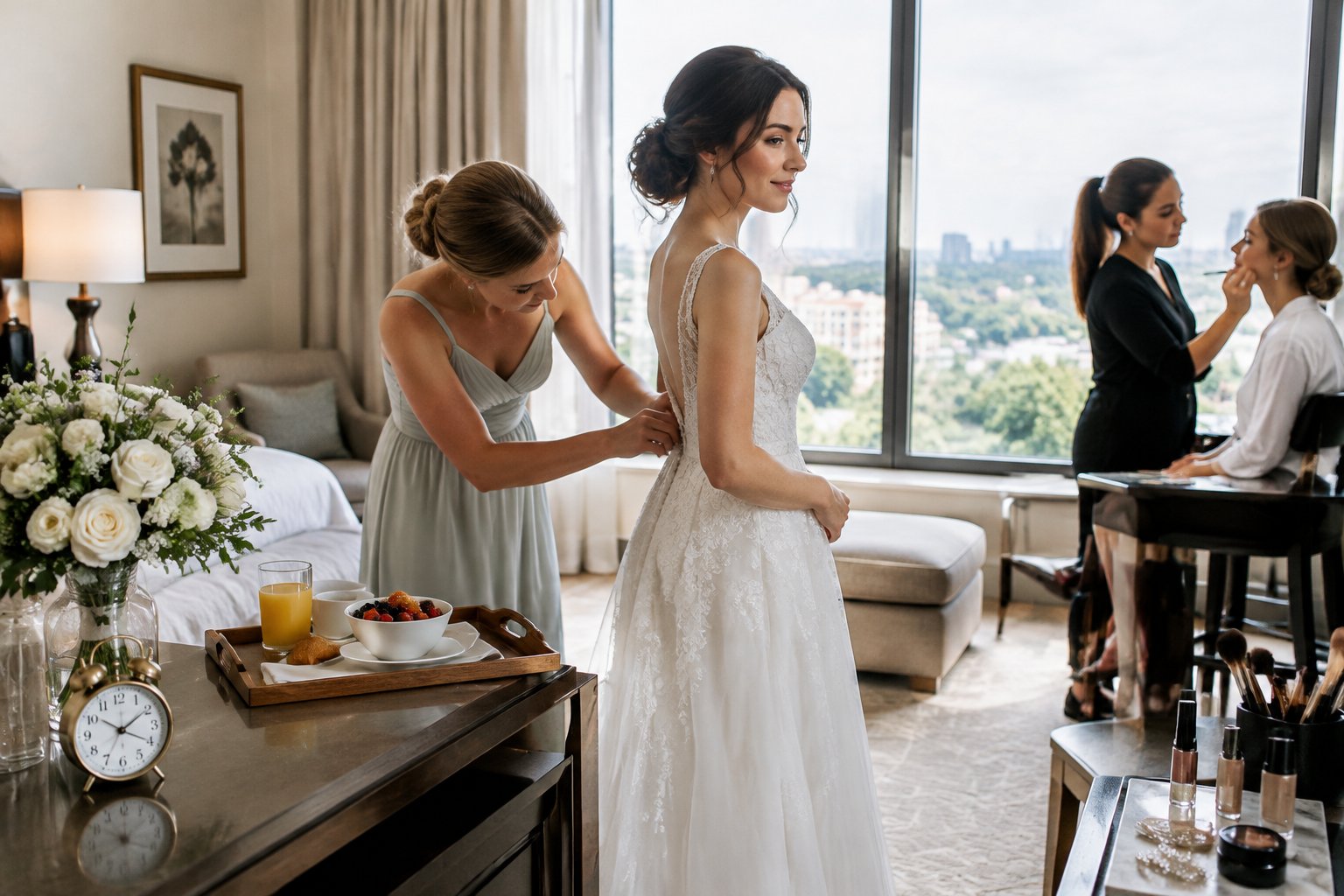
Set Realistic Getting-Ready and Arrival Times
Start by confirming how long hair and makeup will take for everyone receiving services. The total time depends on the number of people and the size of your beauty team, so ask your artists to create a service order. Add time for breakfast, getting dressed, travel, and final touch-ups.
For an 11 a.m. ceremony, you might plan for guests to arrive around 10:30 a.m. and set an earlier arrival time for your wedding party and vendors. Share the schedule with everyone who has a role in the morning. Use a wedding schedule to organize the main events and leave breathing room between them.
Decide Whether to Schedule a First Look
A first look gives you and your partner a private moment before the ceremony and creates a chance to take portraits earlier in the day. It also leaves more post-ceremony time for your guests.
If you prefer to see each other for the first time at the ceremony, plan your portraits around that choice. Ask your photographer how much time to reserve for each photo group, then place those blocks in your timeline.
How Should You Schedule Photos and Post-Ceremony Events?
Plan your photo schedule with enough room for family photos and a smooth transition into cocktail hour. A detailed list and clear meeting point help you keep portraits organized while guests move on to the reception.
Leave Enough Time for Family Photos
Write down the family groupings you want before the wedding day and share the list with your photographer. Ask a family member or wedding party attendant to gather people for each photo, especially relatives who may be unfamiliar with one another.
Set aside at least 30 minutes for family photos, then adjust the time for the number of groupings and the distance between locations. A reception schedule can help you fit those portraits around the meal and other planned events.
Plan the Transition Into Cocktail Hour
Decide whether guests will head straight to lunch or enjoy a cocktail hour after the ceremony. If you choose a cocktail hour, have drinks and light bites ready while you finish portraits. Your guests can mingle as your photographer works through the photo list.
Tell your wedding party where to go after the ceremony and who will guide guests to the reception area. If the ceremony and reception are at separate sites, include travel time and directions in your schedule.
How Can You Make an Early Wedding Guest-Friendly?
You can make an early wedding easier for guests by sharing practical details ahead of time and offering refreshments when they arrive. Clear communication helps guests plan their travel and understand the flow of the celebration.
Share Arrival Details and Travel Information Early
Include the ceremony start time, venue address, parking details, and any shuttle information with your invitations or wedding website. Let guests know when doors open and when you expect the ceremony to begin, so they can plan their arrival. You can also share lodging suggestions with guests coming from out of town.
A brief reminder close to the wedding can help guests check their route and account for traffic. Your wedding etiquette guidance should make it easy to arrive on time without asking people to wait at the venue for a long stretch.
Offer Refreshments and Set Clear Expectations
Since guests may leave home early or skip breakfast, offer coffee, tea, water, or a light snack as they arrive. Make sure your meal plan provides enough food for a lunch-hour event, and tell guests whether the reception includes a full meal.
Use your invitation or wedding website to explain the dress code and reception end time. When guests know what to expect, they can plan their morning, meals, and travel home with confidence.