
Is It Bad Luck to Wear a Wedding Veil? Debunking Myths and Traditions
Wearing a wedding veil is a long-standing tradition, but many brides wonder if it brings bad luck. Throughout history, various cultures have held different beliefs about wedding attire, especially the veil. Some claim that wearing a veil can protect you from evil spirits, while others think it might attract bad omens.
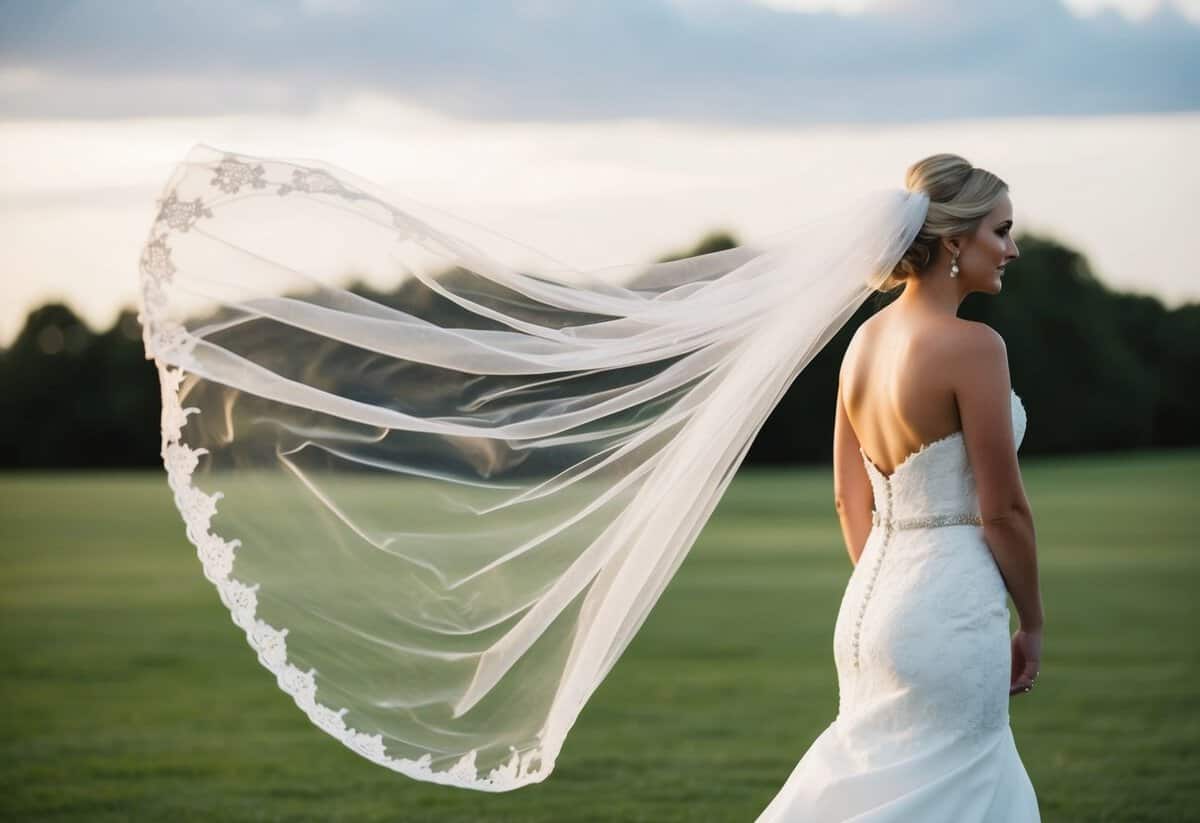
Whether or not wearing a wedding veil is bad luck largely depends on personal beliefs and cultural traditions. Many superstitions about wedding day practices can influence your decision. Some brides choose to forgo the veil due to these superstitions, while others embrace it as a meaningful part of their big day.
As you plan your wedding, consider how these beliefs resonate with you. Exploring the origins of these superstitions can help you make a choice that feels right for you.
Your wedding day should reflect your style, whether that includes a veil or not!
Origins of Veil Tradition
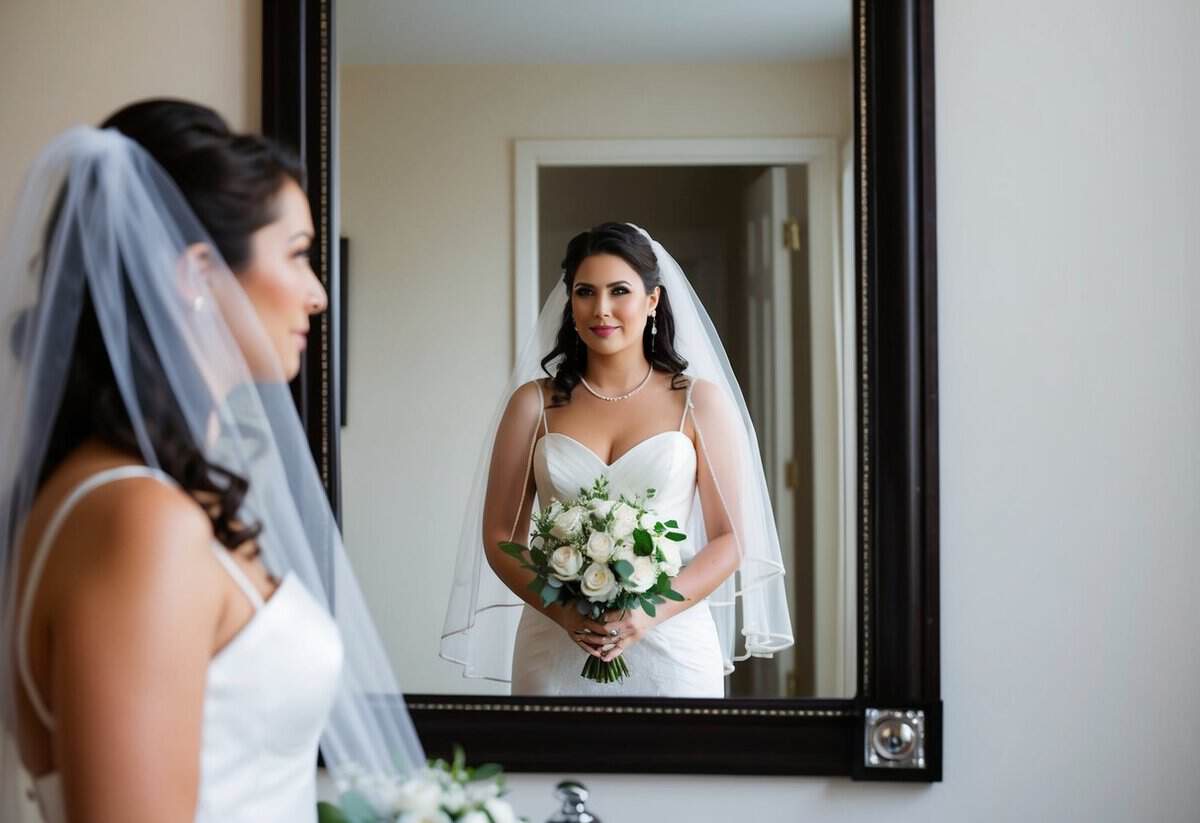
The tradition of wearing a wedding veil has deep historical roots and significant symbolism. It’s a practice that connects brides to their ancestors while also reflecting cultural beliefs about protection and purity.
Historical Roots of Wearing a Veil
Wearing a veil dates back centuries and spans many cultures. Originally, veils served a practical purpose. In ancient times, brides wore them to shield themselves from evil spirits.
These spirits were believed to target brides on their special day, aiming to bring misfortune. Veils acted as a protective barrier. In addition, they also signified modesty and family honor.
The use of veils in weddings transcends religious and cultural boundaries. Many societies incorporated them into marriage rituals. This shows how deeply embedded this practice is in human history.
Symbolism Behind the Bridal Veil
The bridal veil carries rich symbolism that varies by culture. It often represents purity and new beginnings.
For example, in some traditions, the veil conceals the bride’s face until the groom lifts it. This act signifies the groom’s commitment to protect her.
Additionally, the veil symbolizes the bride’s transition from girlhood to womanhood. Wearing a veil can indicate respect for tradition and family ties.
In modern times, while some brides wear veils for aesthetic reasons, many still honor the historical significance. The veil remains a cherished component of wedding attire, reflecting both personal style and cultural heritage.
Common Wedding Superstitions
Weddings are filled with customs and beliefs meant to bring good luck or ward off bad vibes. Many couples follow these superstitions to ensure their big day is joyful and smooth. Let’s explore some of the most notable ones.
Veil and Good Fortune
Wearing a wedding veil dates back to ancient times. It was believed to protect brides from evil spirits who might envy their happiness. Today, many brides still wear veils to symbolize their modesty and purity.
A popular superstition states that if the groom sees the bride in her dress before the wedding, it brings bad luck. This is why many couples keep wedding attire a secret until the ceremony.
Additionally, rain on your wedding day is often viewed as a sign of renewal and good luck in many cultures. It suggests a strong marriage, as rain symbolizes growth and prosperity.
Clothing and Accessory Superstitions
Brides often incorporate the “something old, something new, something borrowed, something blue” tradition into their outfits. Each item is thought to bring specific blessings:
- Something old: links the bride to her family and her past.
- Something new: symbolizes optimism for the future.
- Something borrowed: represents borrowing happiness from a happily married friend.
- Something blue: signifies fidelity and love.
Another belief is that carrying a silver sixpence in your shoe brings wealth and prosperity to the marriage.
Plus, breaking glass is often celebrated at weddings, especially in Jewish traditions. It symbolizes good luck and the fragility of relationships.
Lastly, the act of carrying the bride over the threshold is thought to protect her from evil spirits lurking at the entrance of their new home. By carrying her, the groom ensures she does not stumble into bad luck.
Cultural Perspectives on Veil Superstitions
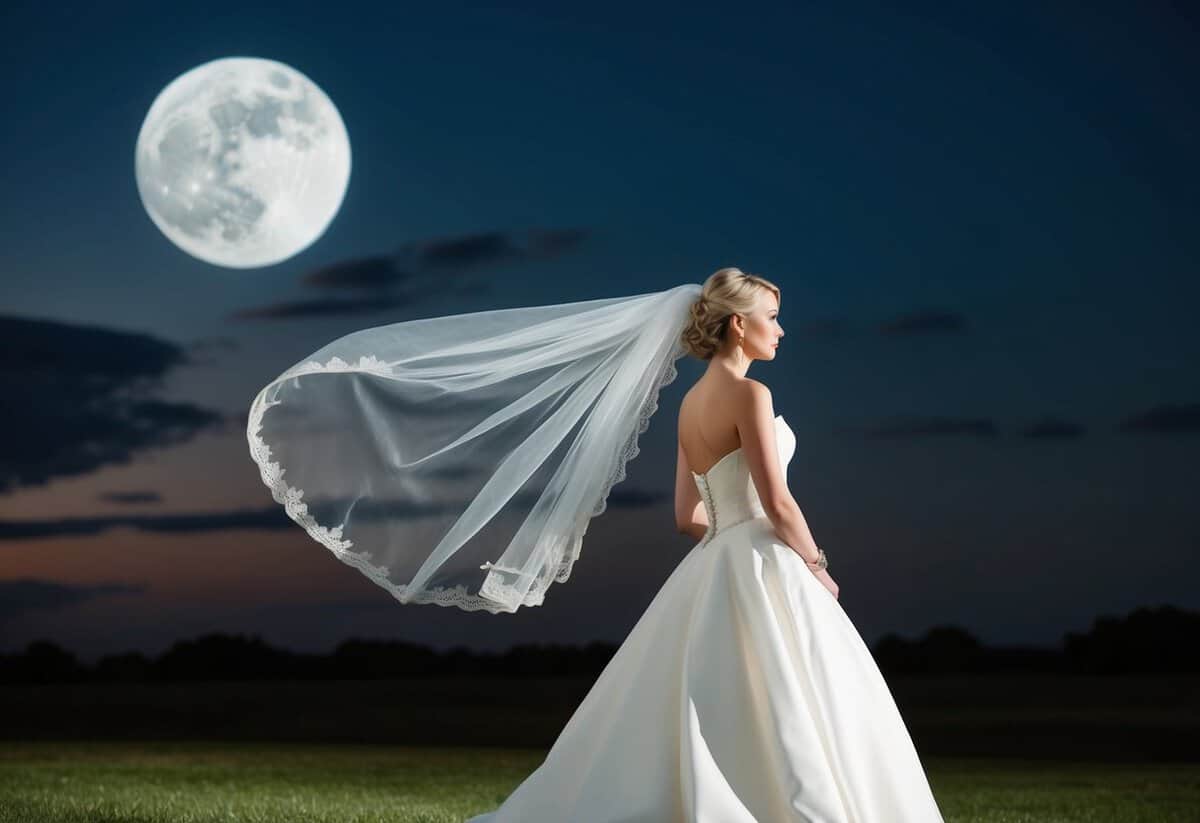
Many cultures have specific beliefs about wedding veils and their meanings. These superstitions often reflect deep-rooted traditions that can influence how brides choose to wear a veil. Understanding these perspectives can help you navigate your own wedding choices with confidence.
Global Wedding Superstitions
In some cultures, wearing a veil is thought to provide protection for the bride. For example, in Italy, a veil is believed to hide the bride from jealous spirits that may wish her harm. This idea connects to the broader theme of protection, where the veil symbolizes a barrier between the bride and negative energies.
In various parts of the world, brides may also face specific superstitions. Some believe that if a spider lands on their wedding dress, it represents good luck, signifying a happy life. Many cultures emphasize fertility during weddings, with traditions that celebrate the couple’s ability to conceive.
Bridal Veils in Modern Weddings
Today, bridal veils are often chosen for their beauty and style rather than their superstitious meanings. The variety of veil types, such as the popular birdcage veil, allows brides to express their personal style. Wearing white symbolizes purity and new beginnings, connecting to age-old traditions.
While many modern brides may not focus on superstitions, some still hold onto traditions, like avoiding dropping wedding rings during the ceremony, as it represents bad luck. Each tradition offers insights into the rich history behind wedding customs, allowing you to choose what resonates with you on your special day.
Choosing the Right Veil for You
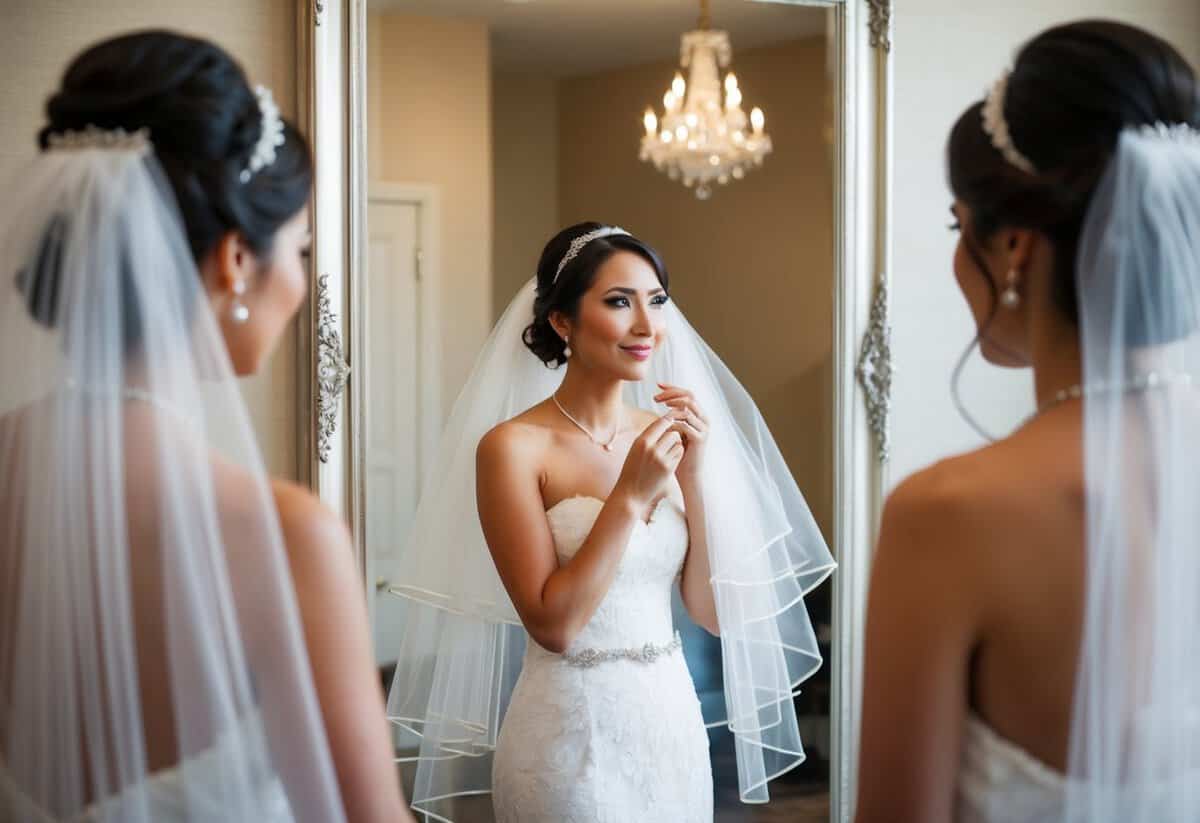
Selecting a wedding veil is an important part of your bridal look. Your choice reflects your style and can complement your gown beautifully. Consider different types of veils and decide on the appropriate length and style that best suits your vision for the big day.
Types of Wedding Veils
There are various types of wedding veils you can choose from, each offering a unique style. Here are a few popular options:
- Birdcage Veil: This short veil is typically made of netting and sits close to the face. It’s great for a vintage or retro look.
- Cathedral Veil: This long veil trails behind you, creating a dramatic effect. It pairs well with elegant gowns.
- Elbow-Length Veil: This veil falls just to your elbows and adds a classic touch without overwhelming your look.
- Fingertip Veil: Elegant and versatile, this veil reaches your fingertips and is a popular choice for many brides.
Consider how these options fit with your gown and personal style.
Deciding on Veil Length and Style
When choosing the length and style of your veil, think about your wedding dress. The veil should enhance, not cover, your gown.
If your dress has intricate details, like an open back, consider a shorter veil like a birdcage or elbow-length to showcase those features.
Make sure the veil complements your hairstyle. If you plan to have an updo, you might prefer a longer style that cascades down the back.
For a loose hairstyle, a shorter veil may look beautiful and easier to manage.
Do not forget about your bridesmaids! Their accessories should coordinate with your look.
Ultimately, select a veil that makes you feel confident and aligns with your vision for your special day.