
Is It Cheaper to Have a Destination Wedding? 2026 Cost Guide
A destination wedding can cost less for you when a smaller guest list and bundled venue expenses outweigh travel and lodging costs. If you’re asking, “Is it cheaper to have a destination wedding?” the answer is yes for some couples, especially when you keep the celebration intimate and choose a package that fits your plans.

Your total depends on what you include: the ceremony and reception, your travel, and any extra days or events. Set a spending limit before you choose a location, then compare the full cost with a local wedding quote.
What Do Destination and Local Weddings Cost?
Destination wedding costs can be lower than a local celebration, though travel and lodging change the total for you and your guests. A useful comparison includes the same expenses on both sides, such as the reception, vendor services, and any honeymoon plans.

How Much Does a Destination Wedding Cost on Average?
For early planning, many couples set aside about $10,000 to $30,000 for a destination wedding, with smaller resort celebrations at the lower end and customized events at the higher end. Your destination wedding cost can include your wedding package, flights, hotel stay, and add-ons. A luxury property or several hosted events can push the total above that range.
Some all-inclusive resorts offer a basic ceremony package at no cost or for a small fee when you meet booking requirements. Check the fine print for guest minimums, room-night rules, service charges, and paid upgrades before you use a low starting price in your budget.
For a closer estimate by guest count, compare destination wedding costs per person. Your final figure will depend on your travel dates and the services you choose.
How Does That Compare With a Traditional Wedding?
A U.S. traditional wedding cost is commonly estimated around $30,000 to $36,000, though a small local wedding can cost much less. Destination wedding costs may fall below that range when you host fewer people and select bundled services. The comparison changes when your destination plans include a long stay, premium travel, or a large reception.
| Cost factor | Destination wedding | Local wedding |
|---|---|---|
| Common planning range for the couple | About $10,000-$30,000 | About $30,000-$36,000 |
| Guest count | Often smaller | Can be larger |
| Venue and catering | May be bundled | Often separate costs |
| Couple’s travel | Add to budget | Usually lower |
| Guest travel | Flights and lodging | Local transport or nearby hotel |
Use these ranges as a starting point, since one estimate may include travel while another covers only the event. A detailed destination-versus-local wedding cost comparison can help you line up matching expenses.
What Does the Average Cost for a Destination Wedding Include?
An average cost for a destination wedding can cover the ceremony site, basic décor, a coordinator, a cake, and a reception meal. Your wedding package may also include a bouquet, a toast, or a private dinner, while photography, live music, and upgraded décor can cost extra.
Ask the venue for an itemized list of included services. Then check whether the quote includes taxes, service charges, transportation between locations, and fees for outside vendors.
Where Can a Destination Wedding Save Money?
You can save on a destination wedding by hosting fewer people, choosing wedding packages with clear inclusions, and combining the celebration with your honeymoon. Your savings come from the full event plan, not the venue price alone.
How Does a Smaller Guest List Affect the Total?
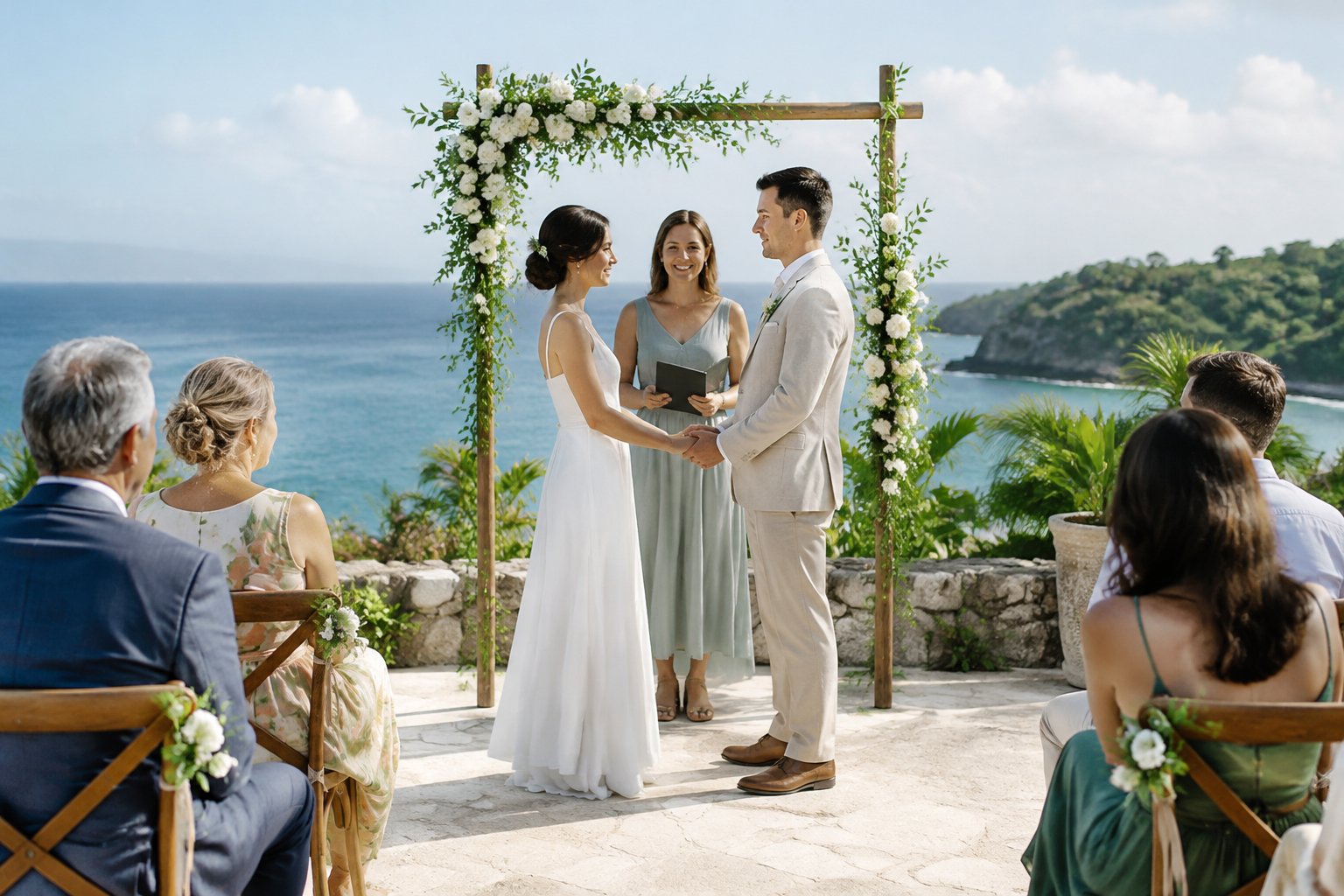
A smaller guest list reduces costs tied to meals, drinks, seating, favors, and rentals. Destination celebrations commonly draw fewer guests because each person needs to arrange time off and travel. That smaller head count can make a beautiful venue or upgraded meal affordable for the people who attend.
Start with the guests you most want beside you, then ask about their travel limits before committing to a date. If an intimate event suits you, small wedding ideas on a budget can help you make the celebration feel personal without adding unnecessary extras.
Can Bundled Packages Lower Venue and Catering Costs?
Wedding packages can lower your event costs by combining services under one contract. An all-inclusive destination wedding package may include the ceremony space, basic décor, a coordinator, and food for a set number of guests. Larger all-inclusive destination wedding packages may add a private reception, photography, music, or extra events.
Compare the package price with separate quotes for the same services. Confirm the guest limit, menu choices, event length, and fees for upgrades. A package with a low starting price can rise quickly when you add a private venue or premium catering.
How Can the Setting and Honeymoon Plans Reduce Spending?
A scenic location can provide a memorable backdrop with less décor, while an off-peak date may bring lower room rates. You can also extend your stay for a honeymoon, which saves you from planning a separate trip. Look at the full price for the season and the number of nights you plan to stay.
If a beach ceremony is part of your vision, compare destinations by flights and hotel costs as well as venue rates. These budget-friendly beach wedding locations can give you a useful starting point for your search.
Which Expenses Can Raise the Final Cost?
Travel, lodging, vendor charges, local rules, and extra celebrations can raise your destination wedding budget beyond the package price. Set aside room for those costs early so a low venue quote does not give you an incomplete picture.

What Travel and Accommodation Costs Should Couples Expect?
You’ll need to budget for your own flights, hotel, local transportation, and any extra nights before or after the wedding. Your guests pay for their own travel and rooms in many cases, though couples sometimes cover a welcome meal, shuttle, or group activity.
Flight prices vary by departure city, season, and how early you book. Give guests clear information about hotel choices and expected costs. A breakdown of what guests pay for at a destination wedding can help you set expectations before invitations go out.
How Do Vendor Fees, Legal Rules, and Taxes Add Up?
Outside-vendor fees can apply when you bring a photographer, florist, or musician who is not on the venue’s approved list. Shipping supplies, currency exchange, local taxes, and service charges can also add to the bill. Ask for written prices and payment deadlines before you sign.
Legal marriage rules vary by destination. You may need specific documents, extra appointments, or a waiting period, which can affect your travel schedule and costs. Some couples handle the legal paperwork at home and hold a symbolic wedding ceremony at their destination.
What Extra Events and Guest Support Might Cost More?
A welcome party, rehearsal dinner, farewell brunch, and group excursions can turn a one-day celebration into a multi-day bill. You can keep the required schedule simple and make optional activities clear, so guests choose what fits their time and budget.
Guest support can add costs for airport transfers, welcome bags, or help with travel arrangements. Choose the support that solves a real need for your group, then include it as a separate line in your wedding expenses.
How Can You Build a Realistic Wedding Budget?
A realistic wedding budget includes the event, your travel, extra activities, and a reserve for unexpected charges. Give every cost a place in your plan before you compare destination wedding packages.

What Belongs in a Destination Wedding Budget Breakdown?
Build a wedding budget breakdown that shows both fixed costs and costs that change with your guest count. Include:
- Ceremony and reception package
- Flights, lodging, and local transportation for you
- Food, drinks, and any hosted guest events
- Photography, music, décor, and beauty services
- Legal paperwork, taxes, service charges, and vendor fees
- Honeymoon nights or extra travel days
- A reserve for last-minute changes
Use a spreadsheet or planning tool to track quotes, deposits, and due dates. If you need a starting method, building a realistic wedding budget can help you set a limit before you book.
How Can You Compare Package Prices Fairly?
Compare packages with the same guest count and service level. Check the ceremony location, meal format, private event time, décor, and any photography or music included. Then add the taxes, fees, and upgrades each venue lists separately.
Get an itemized quote from each property and mark which costs are fixed and which rise with attendance. When you allocate your wedding budget, reserve money for the services you value most before adding optional extras.
Which Costs Fall to the Couple and Which Fall to Guests?
You’re responsible for the wedding events and any travel or lodging you choose to pay for. Guests commonly cover their own flights, accommodation, meals outside hosted events, and activities. Make the split clear on your wedding website and invitation details.
If you decide to pay for guest transportation or a group dinner, add those expenses to your own budget. A room block can give guests a clear booking option, while each guest still chooses and pays for their room.
How Do You Choose the Best Fit for Your Guests?
A destination wedding is cheaper for you when a smaller event and bundled services reduce your spending by more than travel adds. Your guests’ travel costs, access needs, and ability to take time off also shape whether the plan works for your group.
When Is a Destination Wedding Cheaper for the Couple?
A destination wedding can cost less when you invite a smaller group, choose a reasonably priced location, and select a package that covers several services. The savings are strongest when your plans stay close to the package inclusions and you avoid multiple hosted events.
Before choosing a venue, estimate your likely attendance and total event cost. This guest-count estimate can help you plan for a realistic head count.
When Might a Local Celebration Be the Better Value?
A local wedding may offer better value when most of your guests live nearby, you want a large gathering, or travel costs would stretch your budget. You can also compare hometown venues and vendors in person and avoid paying for your own flights and extended stay.
Consider the full traditional wedding cost, including meals, drinks, rentals, and entertainment. A local venue with a small guest list may cost less than either a large hometown reception or a destination trip.
How Should Guest Travel and Accessibility Shape the Decision?
Choose a location your guests can reach within their budgets and travel limits. Direct flights, a range of hotel prices, and simple ground transportation can make attendance easier. Give guests advance notice and share expected costs before they commit.
Think about guests who need step-free access, medical support, or flexible travel plans. If a destination trip would keep important people from attending, a local wedding or a small hometown gathering after your ceremony may suit your plans better. Use a local-or-destination wedding decision guide to compare the options against your budget and guest needs.