
Is It Custom for the Bride’s Parents to Pay for the Wedding? Exploring Tradition and Modern Practices
Tradition has a strong role in wedding planning, and one common question arises: what is the bride’s family’s financial responsibility? The bride’s parents usually cover many of the wedding expenses, including the ceremony and reception costs. This practice has historical roots, often symbolizing support and unity within the family.

While the bride’s family traditionally takes on the majority of the expenses, the groom’s family may also contribute. Understanding these traditional roles can help you navigate the planning process and expectations. As you learn more about these customs, you may find ways to adapt them that suit your unique situation.
Understanding Wedding Financial Etiquette
Understanding who pays for what in a wedding can help ease confusion and stress. Traditions have changed over time, and knowing the historical context and modern shifts will guide you in making informed decisions.
Historical Context of Wedding Expenses
Traditionally, the bride’s family took on the majority of wedding expenses. This custom stems from the historical practice of dowries, where the bride’s family provided gifts to the groom’s family. Back then, it was a significant financial responsibility.
The bride’s family typically covered costs such as the wedding venue, catering, and flowers. On the other hand, the groom’s family usually handled the rehearsal dinner and sometimes the honeymoon. This structure formed the foundation of traditional wedding etiquette, where the bride’s family was seen as the primary host.
Modern Shifts in Wedding Traditions
In today’s weddings, financial responsibilities are shifting. Many couples now prefer to share costs, reflecting values of financial independence. Instead of solely relying on one family, you may find couples dividing expenses based on comfort and ability.
For example, the bride and groom might cover specific costs together or involve both families in the planning. According to some studies, 2015 data indicated that 45% of weddings were funded by the bride’s parents while 42% were covered by the couple. This illustrates a modern trend towards shared responsibilities for wedding expenses.
Breaking Down the Wedding Budget
Planning a wedding involves understanding various costs and how they are distributed among parties involved. Knowing what comprises the wedding budget can help you manage expenses, ensuring a smoother planning experience.
Key Elements of Wedding Costs
When considering your wedding budget, several key elements typically contribute to the total costs. Start with the venue, which often takes up the largest portion of your budget. This includes rental fees, catering, and any decorations.
Other important expenses are photography, entertainment, attire, and flowers. You may want to account for additional costs such as invitations, transportation, and wedding favors. Budgeting for these components allows for better financial planning and can help avoid surprise expenses.
It’s also wise to include a contingency fund, around 10% of your budget, for any unforeseen costs that might arise during the planning process. This gives you peace of mind as you prepare for your special day.
Allocating Expenses: Who Pays for What?
Traditionally, the bride’s family pays for the bulk of wedding expenses. This usually covers the reception, ceremony, and bridal party costs. According to common customs, the groom’s family might take care of the rehearsal dinner and, often, the honeymoon.
In modern times, many couples choose to share or redefine these financial responsibilities. It’s becoming more accepted for the couple themselves or both families to contribute to costs. This flexibility allows for a more personalized approach.
Be sure to discuss and agree on who will cover which expenses early in the planning. Clear communication can prevent misunderstandings and ensure that everyone is on the same page. Knowing your options helps you prioritize what matters most in your big day.
Specific Costs Covered by the Bride’s Family
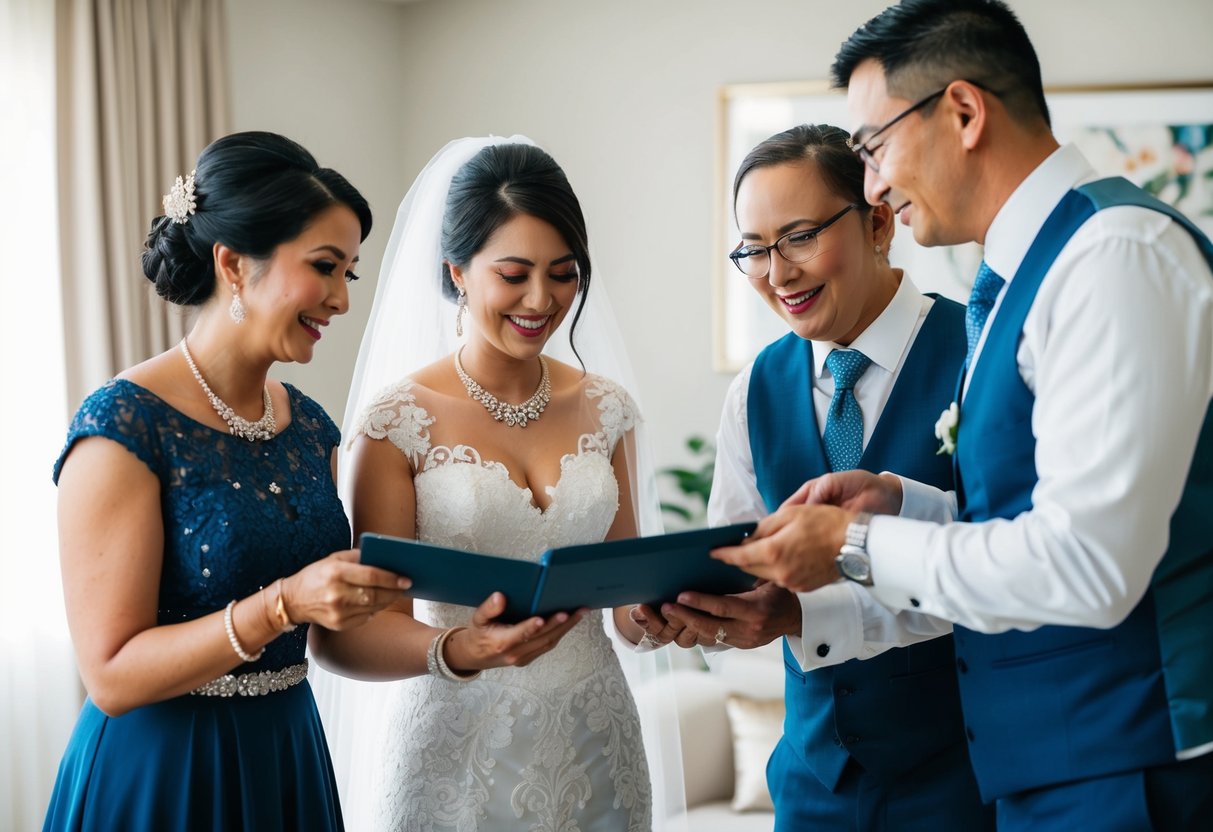
When planning a wedding, the bride’s family often takes on several key expenses. These typically include the wedding dress, attire for the bridal party, and essential costs for the ceremony and reception. Let’s dive into the specific areas they usually cover.
The Wedding Dress and Attire
The wedding dress is one of the most significant purchases for the bride. You can expect your parents to help cover this cost, which can range from a few hundred to several thousand dollars.
In addition to the dress, they often pay for the attire of the bridesmaids and flower girls. This includes dresses, accessories, and sometimes hair and makeup for the bridal party.
You might also see costs for alterations or customizations that enhance the look. It’s common for your parents to contribute to these expenses, ensuring you feel beautiful on your big day.
Reception and Ceremony Essentials
Your parents typically handle many key elements of the ceremony and reception. This often includes the floral arrangements for the wedding, including bouquets for the bride and bridesmaids, as well as floral decorations for the venue.
They may also cover the costs of the wedding rings, which symbolize your commitment. During the reception, expect them to help with expenses like the wedding cake and catering services.
Invitations are another major part of the budget. Your family often takes on the printing and mailing costs, making sure your guests have all the details for your special day.
Planning the Perfect Wedding
Planning a wedding involves many important steps. You need to make choices that reflect your style while keeping your budget in mind. Let’s look at selecting the right wedding planner and putting together the final touches for your big day.
Selecting the Right Wedding Planner
Choosing a wedding planner can make the process smoother and less stressful. You want someone who understands your vision and can handle the details. Start by asking for recommendations from friends or family.
Review their portfolios to see their previous work. Make sure to discuss your budget and see how they can stretch your funds for items like floral decorations or guest transportation.
When you meet with potential planners, ask about their experience with various wedding venues. Knowing how to work with different locations can be very helpful. Also, discuss vendor relationships, especially for photography and videography, as this can impact the final look of your day.
Final Touches for the Big Day
As the big day approaches, focus on details that make your wedding unique. Confirm logistics for wedding day transportation. You need to arrange rides for your guests. Clear communication here is key.
Don’t forget about reception alcohol. Discuss options with your planner to ensure everything runs smoothly. You may also want to think about thoughtful touches like bridesmaids gifts or wedding party gifts. Show appreciation to those who have supported you.
Finally, consider planning for your honeymoon expenses. Budget for this adventure to make sure it’s a truly memorable experience. Small details come together to create a wonderful wedding day!