
Is It Inconsiderate to Have a Destination Wedding? A Fair Guide
A destination wedding asks your guests to spend money, use time off, and travel to celebrate with you. A destination wedding is not inherently inconsiderate; it becomes inconsiderate when you pressure guests or ignore the costs and access needs your plans create.
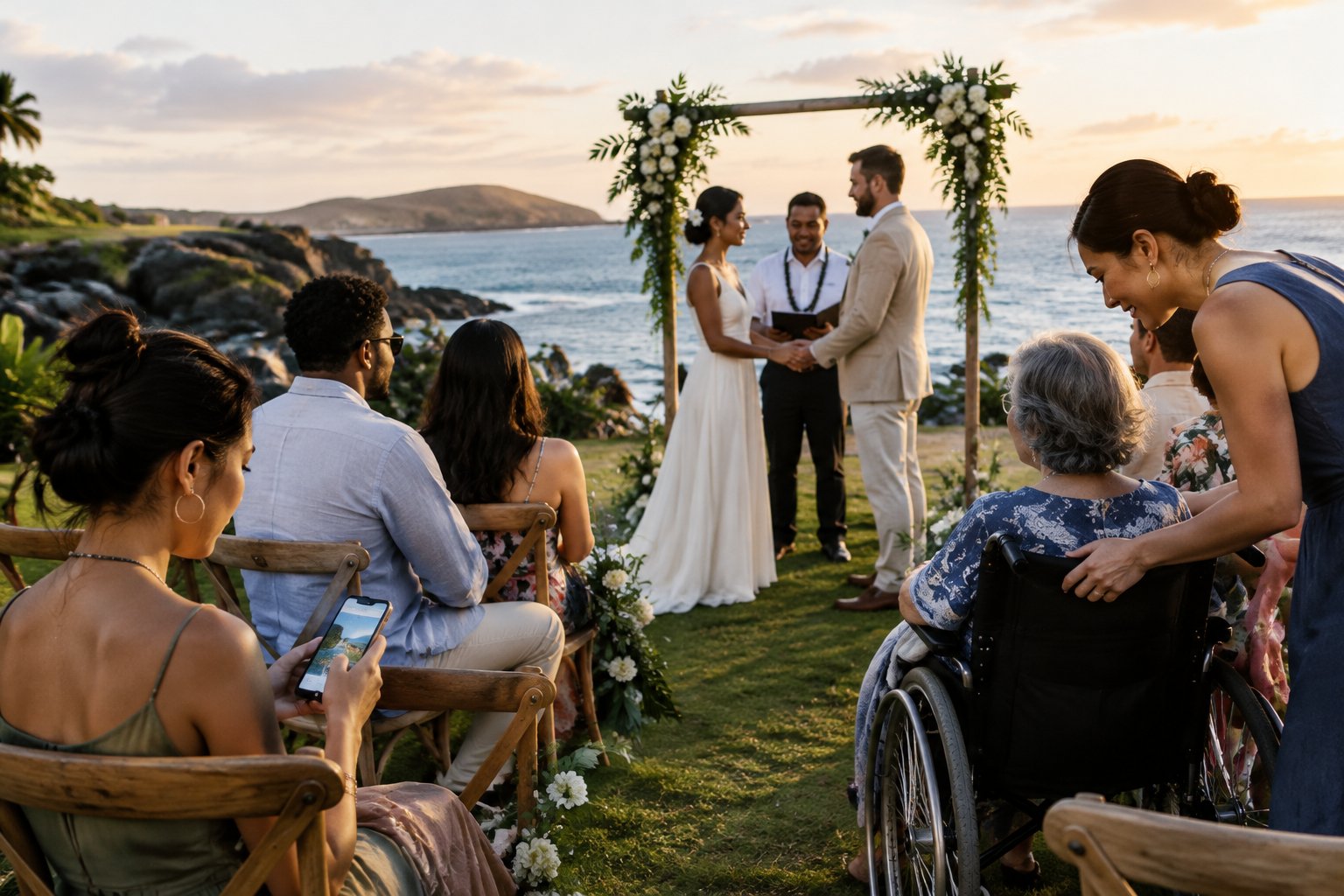
You can choose a location that feels meaningful while giving loved ones clear information and room to make their own choices. If you’re still weighing a hometown celebration against a trip, how to decide between a local or destination wedding starts with the people you most hope to have there.
When Can a Destination Wedding Feel Inconsiderate?

Your plans can feel inconsiderate when guests are made to feel obligated to attend or when the location and date create barriers you could have anticipated. Clear expectations and a thoughtful choice of place help guests decide without guilt.
Does the Invitation Put Pressure on Guests?
An invitation should give guests a choice, not make attendance feel like a test of their love for you. Be warm when you invite them, and avoid language that implies they must attend, spend beyond their means, or arrange their lives around your plans.
Give guests a clear way to decline, and accept their answer without asking them to defend it. You can also avoid linking attendance to gifts or wedding-party duties. If you’re hoping for a smaller gathering, choose your guest list openly instead of relying on travel costs to limit it.
Can the Location or Timing Exclude Loved Ones?
A location or date can prevent loved ones from joining you because of mobility needs, health concerns, caregiving duties, work schedules, or travel documents. Before you book, think about the guests whose presence matters most and ask whether the trip is workable for them.
A nearby airport, a manageable transfer, and a venue with accessible rooms can ease some barriers. If your date falls during a busy work season or a school break, share it early so guests can check their schedules and plan.
What Costs and Commitments Are Guests Being Asked to Take On?

Guests may need to budget for much more than a flight, so you should look at the trip from their point of view before setting expectations. Lodging, meals, local transport, childcare, and time away from work all shape the real commitment.
How Do Travel, Lodging, and Time Off Add Up?
A guest might pay for airfare, several nights in a hotel, ground transport, meals, and care for children or pets. A long weekend can also require multiple vacation days, especially when flights are limited or the destination is far from home.
Share expected dates and likely costs as early as you can. If your guests will cover their own travel and rooms, make that clear. For a closer look at what guests pay for at destination weddings, consider each expense beyond the ceremony itself.
What Other Needs Should Couples Consider?
Your guests may have dietary needs, require medication or mobility support, or need a quiet place to rest. Families may need childcare, while some guests may feel more comfortable with a companion or a shorter stay.
Ask about practical needs privately and give guests a contact person for travel questions. If you’re hosting extra events, cover the costs of the events you organize and make optional activities easy to skip. You can help with group transport or share a range of places to stay, while keeping each choice voluntary.
What Can Make a Destination Celebration Worthwhile?
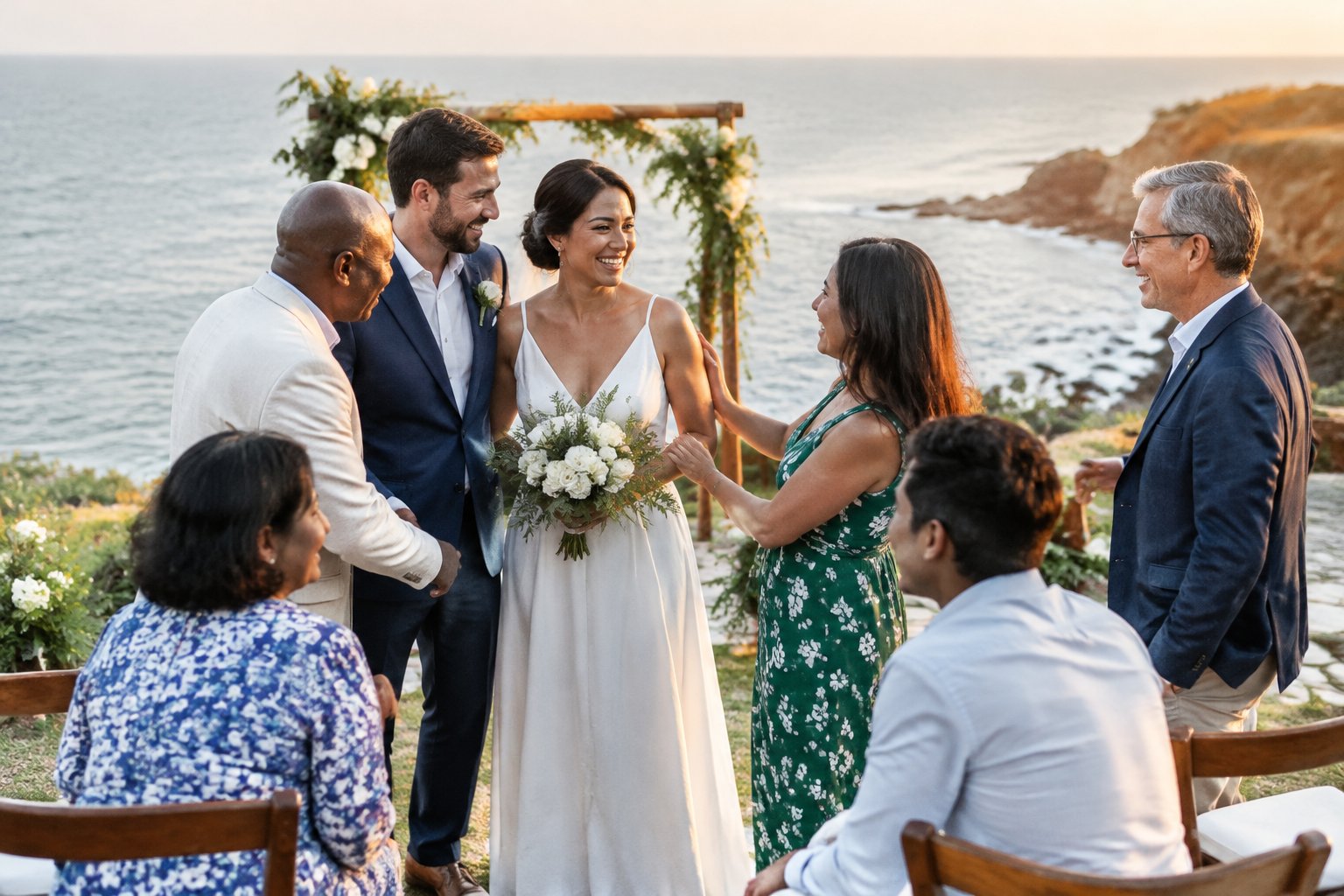
Destination weddings can give you a close-knit celebration and more relaxed time with loved ones. The experience works best when guests have space to enjoy the trip on their own terms.
How Can a Smaller Gathering Create More Time Together?
A smaller guest list can give you more chances to talk with each person and share moments beyond the ceremony. You might plan a casual welcome gathering or a meal where people can catch up without a packed schedule.
Keep some time open so guests can rest or spend time together informally. If a smaller destination gathering means some loved ones stay home, you can plan a separate celebration after you return.
Can Guests Enjoy the Trip Beyond the Wedding?
Guests can enjoy a destination when they have useful local information and freedom to shape their own visit. Share nearby places to eat, transport details, and optional activities, then let people choose what fits their budget and energy.
If you’re planning a group outing, explain what it costs and how long it lasts. You can also build in free time for guests who want to explore on their own or simply relax at their lodging.
How Can Couples Make the Plans More Considerate?

You can make a destination wedding easier to attend by sharing details early, offering a range of travel choices, and answering practical questions plainly. Guests should be able to estimate the commitment before they RSVP.
How Much Notice Should Guests Get?
Give guests as much lead time as you can, especially when they need flights, passports, or several days away from work. Save-the-dates sent around a year ahead give people time to plan; six months is a useful minimum for many trips.
Send the date and destination before guests make other plans, then follow up with booking details as soon as you have them. If your location or schedule changes, tell guests promptly so they can adjust travel arrangements.
How Can Couples Offer Flexible Travel and Lodging Options?
Offer several lodging choices at different price points, including options beyond a hotel block when available. Share the distance from each choice to the venue, plus information about airport transfers and local transport.
If your budget allows, you can arrange a shuttle or help with lodging for guests who need it. Ask the venue about accessible rooms and routes, and pass along accurate details before guests book.
What Details Should a Wedding Website Explain?
A useful wedding website gives guests the information they need to plan without having to ask for every detail. Include the full schedule, venue address, travel routes, lodging choices, dress guidance, and any costs for hosted events.
Explain which events are optional and list a contact for questions. If guests need passports or travel documents, mention that early. You can also share local services, weather expectations, and a clear RSVP date.
What If Someone Cannot Attend?
A guest who cannot make the trip should be able to decline without guilt, and you can still include loved ones from home in a way that feels sincere. Treat attendance as a personal choice and respond with kindness.
How Can Guests Decline Kindly?
If you can’t attend, reply by the RSVP deadline and thank the couple for inviting you. A brief note is enough; you can say that travel, cost, work, or family needs prevent you from joining. You don’t owe a detailed explanation, and wedding etiquette for declining an invitation supports a gracious response.
If you’re unsure how to phrase it, say you’re happy for the couple and send your best wishes. A thoughtful card or message can show your care without asking you to stretch your budget.
How Can Couples Include Loved Ones at Home?
You can celebrate with guests who stay home by hosting a casual gathering after the trip or sharing a livestream when the venue and schedule allow. Make any second event welcoming and keep gifts separate from the invitation.
For a home celebration, choose a format that suits your budget, such as a brunch or backyard party. Send the date and details to loved ones who could not travel, and let them join without pressure.