
Is It Legal to Get Married at Home? Everything You Need to Know
Getting married at home can be a cozy and personal way to tie the knot. Many couples wonder about the legality of this option, especially in today’s world where traditional ceremonies may not always be feasible. In most places, you can get married at home, but you need to follow rules to ensure your wedding is recognized.
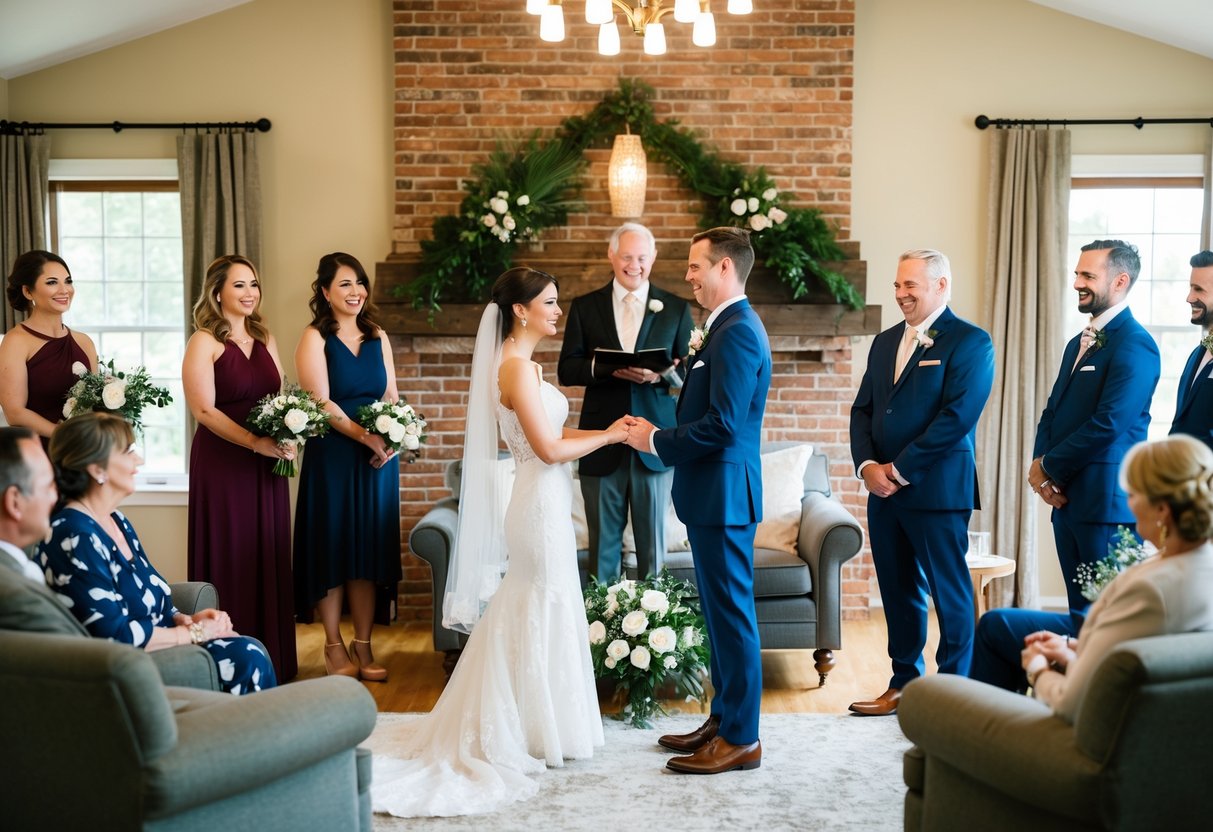
Before you dive into planning your home wedding, it’s essential to check local laws regarding marriage licenses and officiants. Some states allow online marriage ceremonies, while others may require specific licenses or documentation. Understanding these requirements can help you avoid any headaches down the road.
By exploring the different legal aspects of getting married at home, you can enjoy a joyful ceremony that reflects your personality. Whether it’s an intimate gathering with close friends and family or a simple exchange of vows in your living room, knowing the legal steps can make your special day even better.
Legal Requirements for At-Home Marriages
Getting married at home can be a personal and meaningful choice. However, you must follow certain legal requirements to ensure your marriage is recognized. Specifically, you need to understand the role of a marriage license and the officiant in your home wedding.
Understanding Marriage Licenses
To get married, you must first apply for a marriage license. This license is a legal document that allows you to marry. You can usually obtain it from your local government office.
The steps for obtaining a marriage license typically include:
- Filling out an application: This often requires personal information, such as your names and addresses.
- Paying a fee: Most places charge a fee for processing the application.
- Waiting period: Some states have a waiting period after you apply before the license is issued.
After the ceremony, your officiant will ensure your marriage certificate is filed with the state. Make sure to check if you need an apostille for international recognition, especially if you are moving abroad.
Role of an Officiant
An officiant is someone who conducts the wedding ceremony. They play a key role in making your marriage official.
In most states, the officiant must meet certain requirements, which may include:
- Being a licensed or ordained individual: This varies by state, so confirm the specific regulations.
- Being present during the ceremony: The officiant must witness the exchange of vows.
After the ceremony, your officiant will complete and sign the marriage certificate. This step is crucial for your marriage to be legally recognized. Always check if your officiant can file the certificate for you or if you need to handle it.
Exploring Online and Virtual Wedding Options
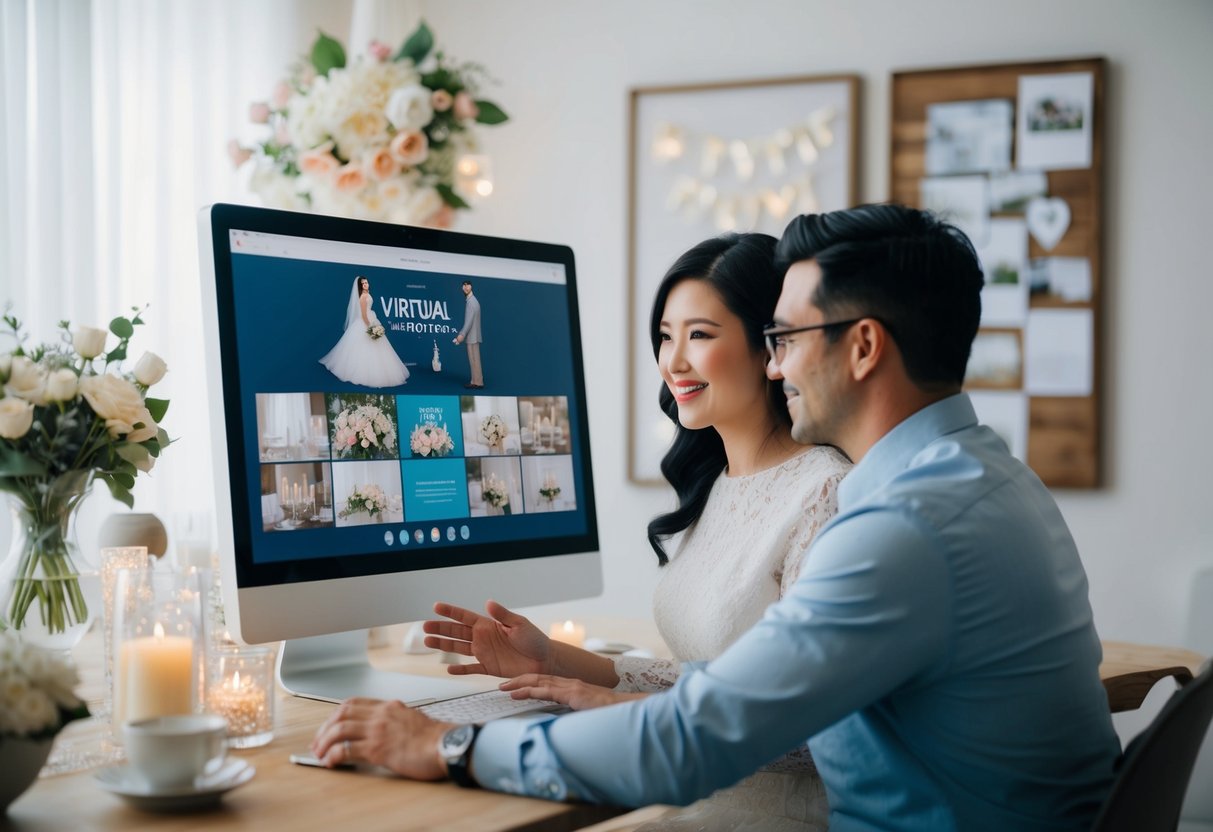
More couples are choosing to tie the knot online. This method can be convenient, especially for those facing challenges with traditional ceremonies. You can celebrate your love in a way that fits your situation.
Planning Your Online Wedding Ceremony
Planning an online wedding ceremony can be exciting and straightforward. You can use platforms like Zoom to connect with your guests. Choose a date and time, and send out digital invitations.
Make sure to check the requirements for an online marriage license in your state. Some states require both partners to be present in the same location during the ceremony. Others allow you to manage this completely online.
Consider hiring an officiant experienced in virtual weddings to guide the ceremony. They can make sure everything goes smoothly. Include personal touches, like vows written by each partner or special music, to make it memorable.
Legality of Virtual Marriages
The legality of virtual marriages varies by state. Some states have adapted to allow online marriage services, especially during the pandemic. For example, states like Colorado and Idaho have made it easier to get married online. This means you don’t need to travel to a specific location.
You must ensure that your marriage is recognized by your state. Research the specific laws regarding virtual marriage ceremonies in your area. Often, after the online ceremony, you can receive a marriage certificate through a digital process, easing the paperwork.
Accessibility for Military and International Couples
Online weddings offer unique advantages for military and international couples. If one partner is stationed far away, a virtual wedding makes it possible to celebrate together. Plus, it helps to avoid the travel costs and time associated with traditional ceremonies.
Choose a platform that allows for group calls, like Zoom, to include family and friends from different locations. Make sure everyone knows how to use the technology for a smooth experience.
To make the event special, consider sending digital wedding favors or creating a shared online photo album. This way, you can include loved ones who may not be able to attend in person.
Special Considerations for Different Types of Marriages
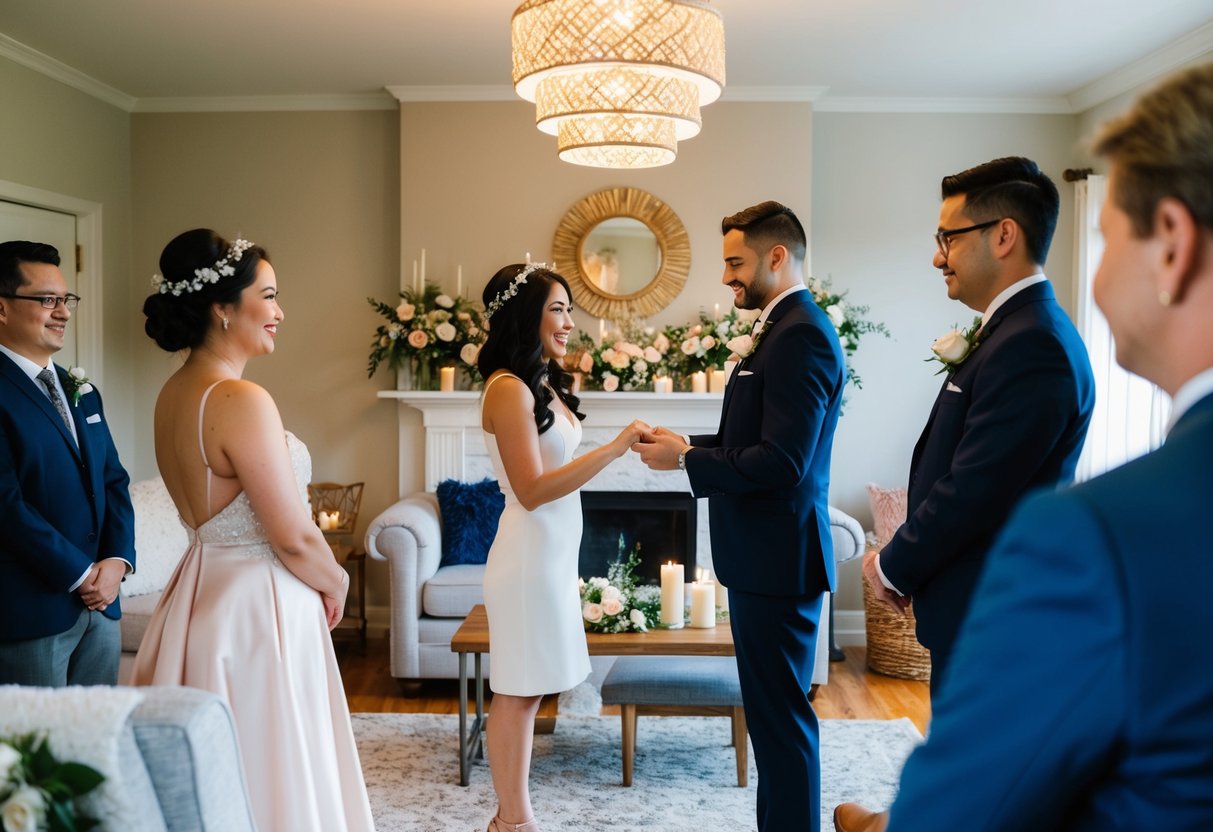
When considering different types of marriages, several factors come into play. You should be aware of legal recognition for same-sex couples, implications related to immigration, and the validity of destination weddings. Each aspect has its own requirements and considerations that can affect your plans.
Same-Sex Marriage and Legal Recognition
If you are in a same-sex relationship, it’s crucial to ensure your marriage is recognized legally where you live. As of now, same-sex marriage is legal across the United States. You’ll need to obtain a marriage license, which you can usually do at your local government office.
Make sure that the officiant you choose is authorized to perform marriages in your state. Remember, state laws can vary. It’s wise to check any specific requirements that may apply in your area. Once legally married, you should receive a US marriage certificate, allowing you to enjoy the same rights as opposite-sex couples.
Marriage and Immigration Implications
Getting married can significantly impact your immigration status. If you’re marrying someone from another country, be prepared for specific visa requirements that apply to your situation. Marriage to a US citizen often allows your partner to apply for a green card, making it easier to live in the US.
Make sure to gather all necessary documents for the marriage process and immigration applications. This includes proof of your relationship and valid identification. Consulting with an immigration expert can also be beneficial. They can help navigate complex requirements that pertain to your unique situation.
Destination Weddings and Legal Validity
Destination weddings can be exciting but come with their own legal hurdles. If you plan to marry outside your home state or country, you need to understand the laws of that location. Different countries or states may have unique regulations for marriage ceremonies.
It is important to check if your destination wedding will be legally recognized back home. Ensure you obtain a marriage license in your chosen destination and follow all local laws for a valid ceremony. Keep in mind that some places may require additional legalization steps for your US marriage certificate to be recognized. Consider hiring a local wedding planner or legal services familiar with the requirements to guide you through the process.
Additional Marriage Services and Considerations
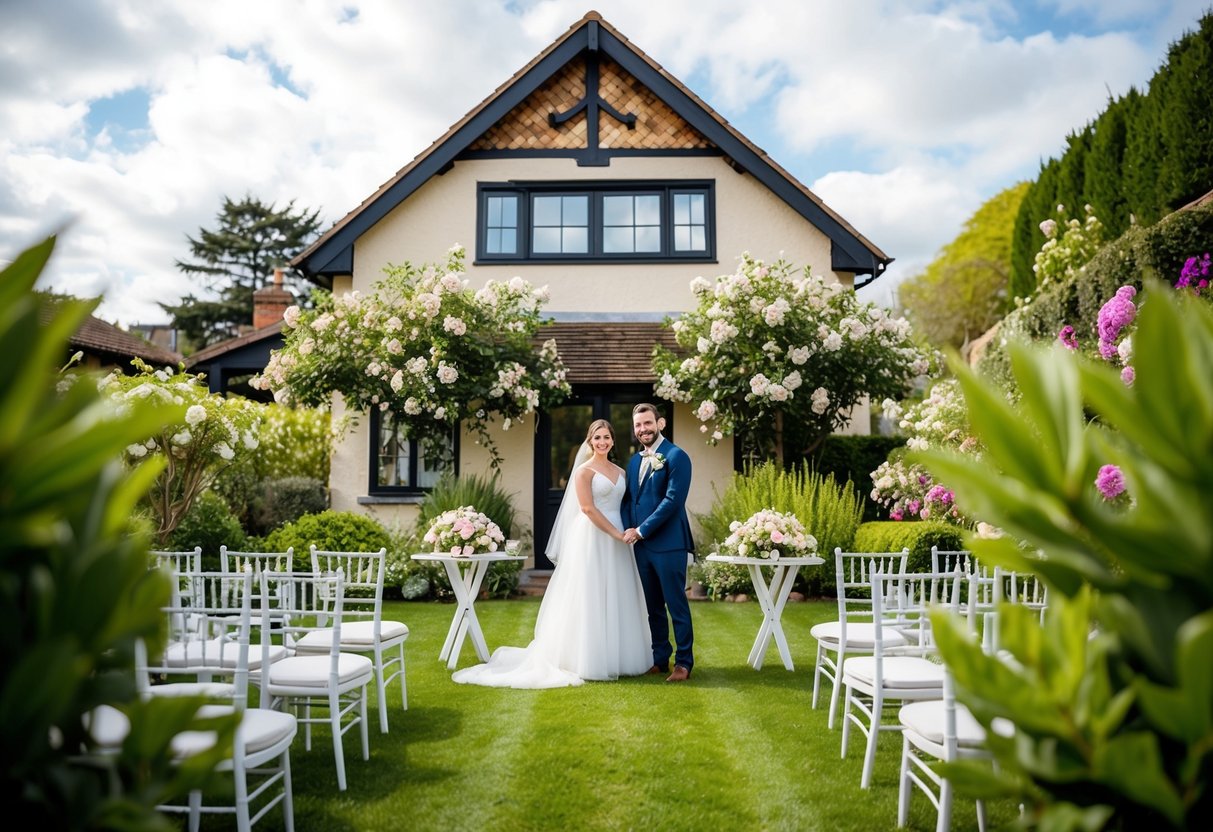
When planning to get married at home, understanding the necessary services can be crucial. You’ll want to secure a marriage license and choose reliable options for officiating your ceremony. Let’s explore how to make this process smooth and enjoyable.
Securing a Marriage License Appointment Online
You can make the process easier by applying for your marriage license online. Many states now offer online applications, so you can fill out the necessary forms from your home.
Once your application is submitted, you can often schedule a virtual marriage license appointment. This means you won’t have to wait in line at a busy office. Be sure to check if your local office supports online appointments. It’s a great way to save time and reduce stress.
Don’t forget to bring any required documents, such as identification and proof of residency, to your online appointment. Being prepared will help ensure a smooth process.
Guarantees and Customer Satisfaction
When choosing services for your at-home wedding, you should prioritize customer satisfaction. Look for companies that offer a satisfaction guarantee. This ensures that you will receive the service you expect.
For online wedding ceremonies, many officiants provide clear outlines of their services. Read reviews and testimonials to find one that meets your needs.
You want to feel confident and assured about your day. Knowing your officiant is experienced can make a big difference. It’s worth taking the time to find someone who aligns with your vision for the ceremony.