
Is It Normal to Have a Wedding Rehearsal? Understanding the Importance of Practice Before Your Big Day
A wedding rehearsal can be a helpful way to ease any nerves about your big day. Many couples find that rehearsals help everyone understand their roles, making the actual wedding day smoother and less stressful. While it’s not required, especially for smaller weddings, participating in a rehearsal can provide peace of mind.
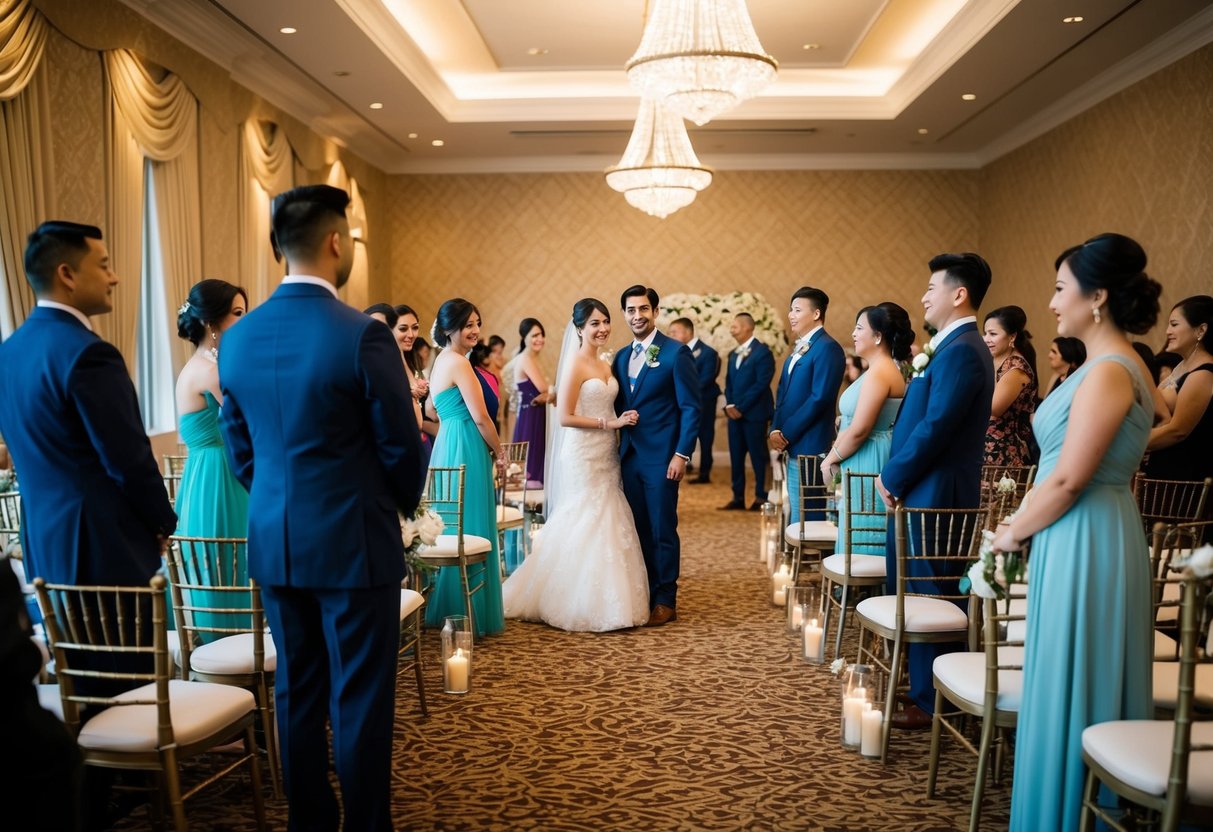
Traditions vary when it comes to wedding rehearsals. Some couples choose to include a rehearsal dinner as part of their preparations, which can be a nice way to gather close family and friends. This time together allows everyone involved to bond and feel more comfortable as you head into your wedding day.
Ultimately, whether you decide to have a wedding rehearsal depends on your preferences and the type of ceremony you are planning. If you’re unsure, think about what would make you feel most at ease.
The Purpose of a Wedding Rehearsal
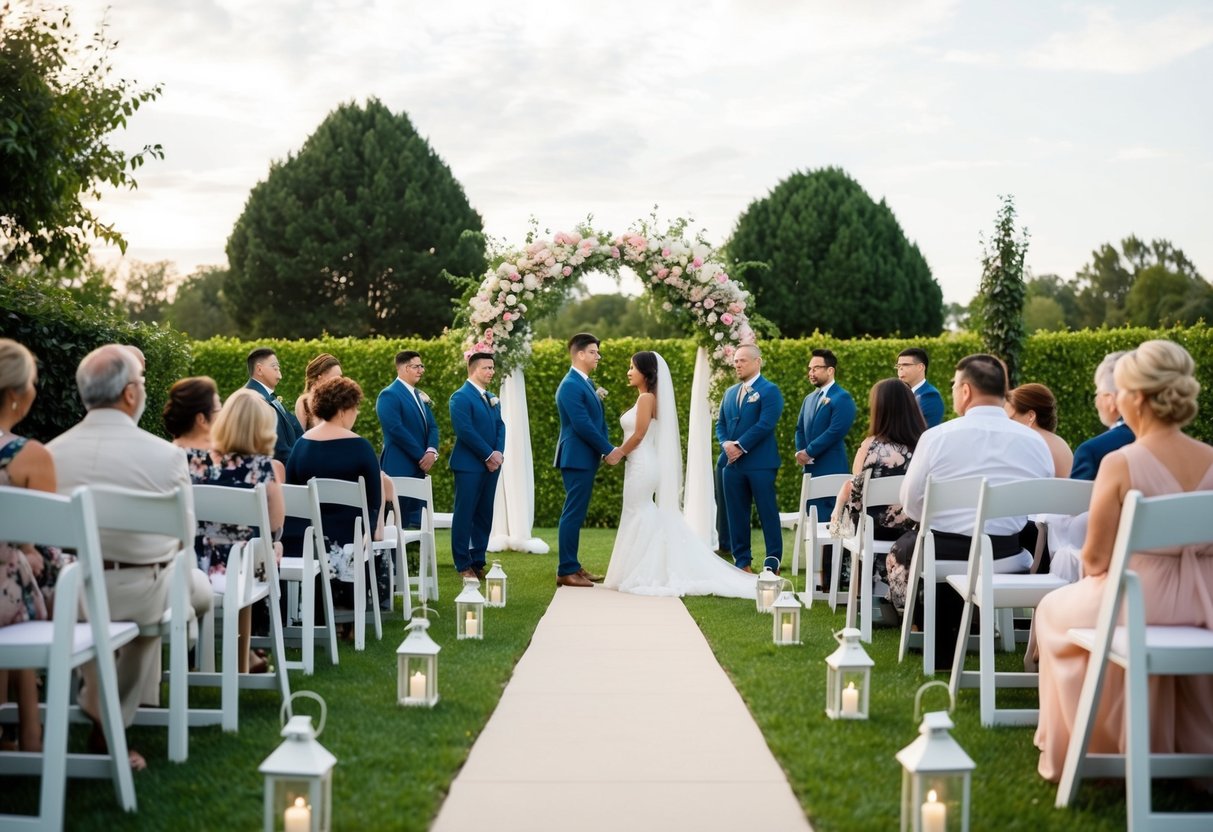
A wedding rehearsal helps you and your wedding party prepare for the big day. It allows everyone to understand their roles and how the ceremony will flow, making the event run smoothly.
Understanding the Ceremony Flow
At the rehearsal, you will walk through the entire ceremony step by step. This includes the processional, where everyone walks down the aisle, and the recessional, when you exit as a married couple.
Knowing when to enter and exit is crucial. You’ll also practice where you’ll stand during the ceremony and how to handle important moments like readings or exchanging vows. By walking through these details, you can spot any potential last-minute changes.
Familiarity with the flow can ease jitters, making your ceremony feel more natural and relaxed for everyone involved.
Role of the Wedding Party
Each member of your wedding party, including bridesmaids and groomsmen, has specific roles during the ceremony. At the rehearsal, they will learn when to enter and where to stand.
It’s also a chance to coordinate duties for the flower girls and ring bearers. Sometimes they might need extra guidance to understand their responsibilities. You want to ensure everyone feels confident on the big day.
By giving everyone clarity on their roles, the rehearsal helps prevent confusion and enhances teamwork, making the ceremony enjoyable for all.
Coordination with the Officiant
The rehearsal also provides an opportunity to work closely with your officiant. You can discuss the ceremony details and any special readings or vows you want to include.
The officiant will help guide you and your party through the process, ensuring everyone knows when to speak or respond. This is especially important for moments like readings, where timing can affect the overall flow of the ceremony.
Coordinating with your officiant during rehearsal allows for a smooth connection between all parties, ensuring that no one is left guessing on your wedding day.
Planning Your Rehearsal Dinner
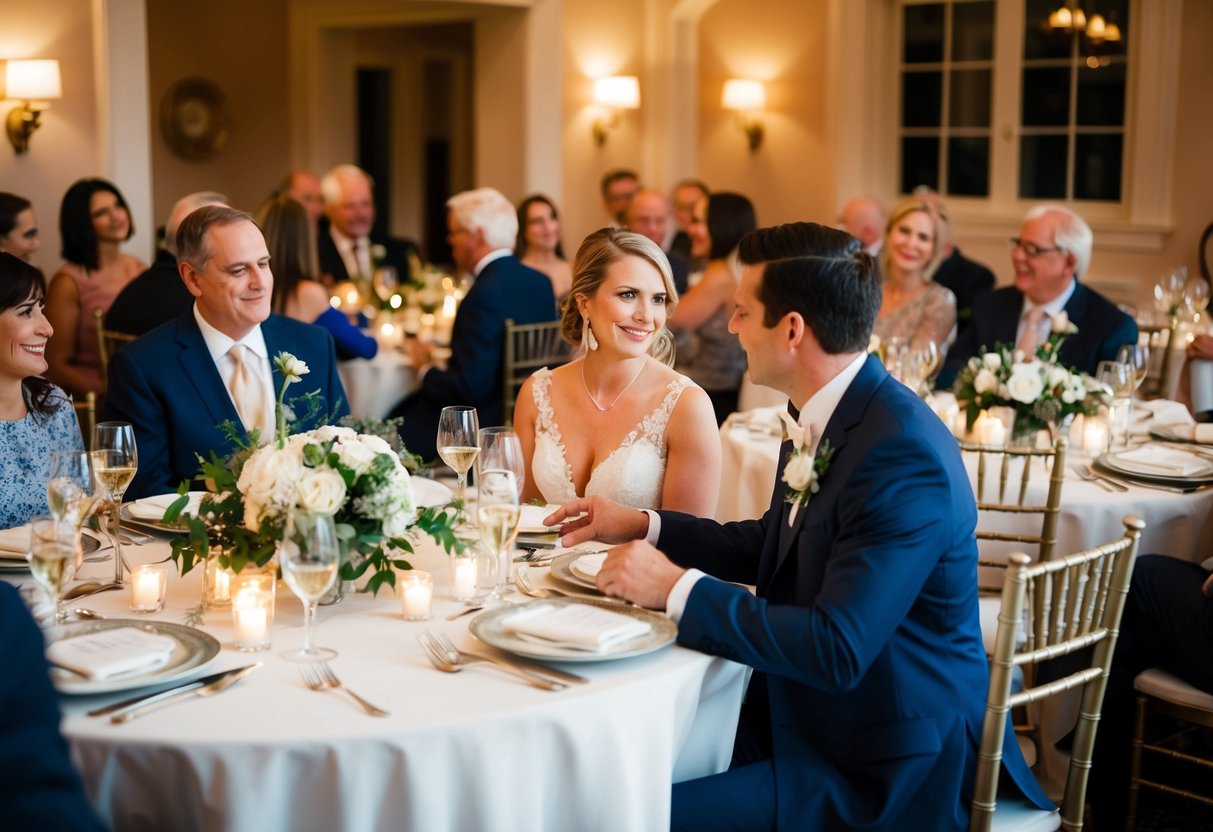
Planning your rehearsal dinner is an exciting step in your wedding journey. This event sets the mood for the celebration ahead and allows everyone to connect before the big day. Here’s a closer look at how to make it special.
Selecting the Right Venue
Choosing the right venue for your rehearsal dinner is crucial. Consider spaces that can accommodate your guest list comfortably. You might choose a restaurant, a local hall, or even a backyard.
Think about the atmosphere you want to create. A casual setting can foster fun conversations, while a more formal venue might reflect the elegance of your wedding. Also, check for availability and any restrictions the venue may have regarding food or decoration.
Creating Your Guest List
Your rehearsal dinner guest list typically includes close family and friends. It’s common to invite those who are part of the wedding party, along with immediate family members. Aim for a more intimate gathering to build connections before the wedding.
It’s important to send out invitations well in advance. This allows guests to plan accordingly. Some couples choose to keep it small, while others may include extended family. Think about who played a significant role in your journey; those people deserve a spot on your list.
Setting the Tone with Invitations and Etiquette
When creating invitations, think about the tone you want to set for the event. Formal invitations work well for a traditional dinner. For a relaxed gathering, a simple, casual invite is perfect.
Be sure to include details like date, time, location, and dress code. If there’s a specific theme or style, hint at it within your wording.
As for etiquette, remember to send invites at least three weeks ahead of time. This gives people enough notice to adjust their schedules. Also, consider a reminder a few days before the event to ensure everyone remembers to join the fun.
Addressing Common Questions and Concerns
When planning a wedding rehearsal, you might have questions and concerns about who to invite, how to handle last-minute adjustments, and managing costs for the rehearsal dinner. Addressing these topics can help ensure your wedding weekend runs smoothly.
Who to Invite
Deciding who to invite to the rehearsal can be tricky. Generally, you should include your wedding party, such as bridesmaids, groomsmen, and any officiants.
You may also want to invite close family members. This is particularly important if they are playing a role during the ceremony. Consider out-of-town guests who may have traveled far; their presence can foster a welcoming atmosphere.
Lastly, think about those involved in the ceremony rituals. Communicating clearly through invitations will help everyone know their place in the celebration.
Dealing with Last-Minute Adjustments
Changes can happen right before the rehearsal. Maybe a member of the wedding party cannot attend or someone has a change in plans.
It’s key to stay flexible and have a plan. Keep a list of each participant’s roles, so if changes occur, you can quickly adjust. Encourage open lines of communication with your wedding party. If they have questions or concerns, remind them that it’s perfectly normal to seek clarity.
Also, make sure to update everyone on any changes, so they feel included in the process. This will help ease anxiety as the big day approaches.
Managing Rehearsal Dinner Cost
Hosting a rehearsal dinner can present financial challenges. Make sure to set a budget early on to avoid overspending.
Consider options that fit your wedding budget well. You might choose a casual event, like a barbecue or pizza night, which can be less expensive yet still enjoyable.
Out-of-town guests may expect an invitation, so factor that into your budget. Clear communication about what to expect can manage concerns. Also, think about splitting costs with parents or contributors to lessen your load.