
Is It OK Not to Invite Parents to a Wedding? Navigating Family Dynamics on Your Special Day
Planning a wedding can bring up many emotions, especially when it involves family dynamics. You might find yourself wondering about the difficult choice of whether to invite your parents.
Your wedding day should be a celebration filled with joy and support. If certain family relationships are strained, prioritize your happiness and peace. Each couple has unique circumstances, and understanding your feelings is key to making the right decision.
Navigating this issue requires careful thought, but rest assured that you are not alone in facing it. Many couples grapple with similar decisions, and the right choice ultimately depends on what feels best for you.
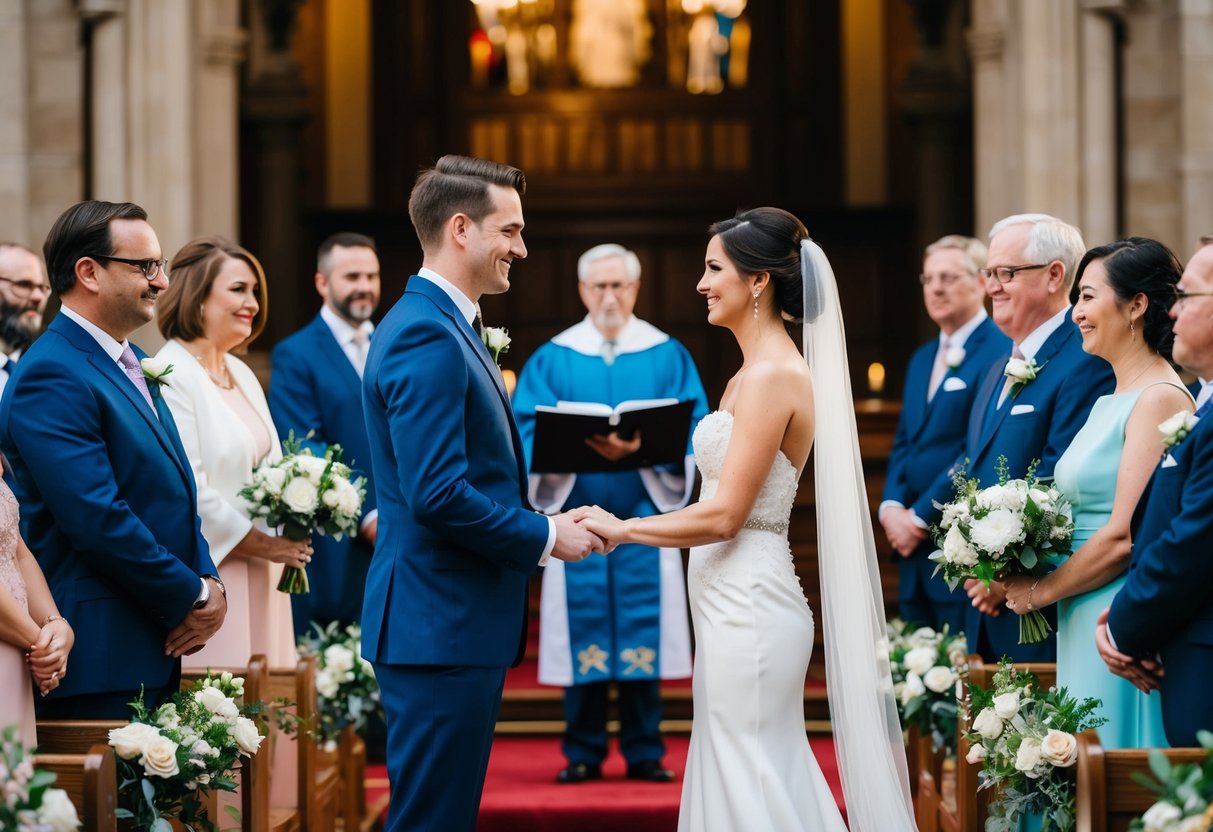
It is perfectly okay not to invite your parents to the wedding if their presence might lead to conflict or discomfort.
Your wedding day should be a celebration filled with joy and support. If certain family relationships are strained, it is essential to prioritize your happiness and peace. Each couple has unique circumstances, and understanding your feelings is key to making the right decision.
Navigating this issue requires careful thought, but rest assured that you are not alone in facing it. Many couples grapple with similar decisions, and the right choice ultimately depends on what feels best for you.
Understanding the Importance of the Guest List
Creating your wedding guest list is crucial as it shapes your day’s experience. It reflects your wedding vision and acknowledges the relationships that matter most to you. Every name on that list carries meaning, especially when considering family dynamics.
Determining Your Wedding Vision
Your wedding vision greatly influences your guest list. Are you aiming for a large celebration or a more intimate wedding?
- Budget: Knowing how much you can afford impacts who you invite.
- Venue Size: The space you select can limit or expand your guest count.
Consider what type of atmosphere you want to create. An intimate setting often means a smaller guest list focused on close family and friends. Be clear about your priorities and what your ideal day looks like.
Assessing Family Dynamics and Relationships
Family relationships play a vital role in shaping your guest list. You need to assess which family members are close or supportive.
- Communication: If some family members have a complicated history, inviting them could bring stress.
- Expectations: Be aware of any family expectations about who should attend.
It’s essential to prioritize your well-being and happiness on your special day. If you feel that not inviting certain family members, including parents, is necessary, that decision is valid. Your wedding should reflect your choices and values, not external pressures.
Navigating Family Expectations and Social Norms
When deciding whether to invite your parents to your wedding, it can be tricky to balance your personal wishes with family expectations. Understanding these dynamics can help you navigate difficult conversations and maintain your peace of mind.
Balancing Tradition With Personal Wishes
Tradition often plays a big role in family expectations, especially around significant events like weddings. You might feel pressure to invite your parents, even if your relationship is strained.
Consider what feels right for you. If including them will cause stress or make your day uncomfortable, it’s okay to prioritize your happiness. You can show respect for traditions while setting boundaries. Think about ways to honor family customs without compromising your needs, such as including your parents in smaller, less formal celebrations.
Handling Confrontations and Misunderstandings
If you decide not to invite your parents, be prepared for possible confrontations. Difficult family members may express feelings of hurt or disappointment.
When discussing your decision, express your feelings and the reasons behind your choice. Use “I” statements, such as “I feel…”, to help them understand your perspective. Listening to their concerns can also ease tensions.
Remember, it’s natural for some family members to struggle with change. Patience and empathy can go a long way in these conversations.
Planning Your Wedding with Budget and Space Limitations

When planning your wedding, it’s essential to balance your desired elements with the realities of your budget and space. Making thoughtful choices will help you create a memorable day while staying within your means.
Allocating Funds to Prioritize Key Aspects of Your Wedding
Begin by listing the elements that matter most to you. This could include the venue, catering, photography, and attire.
Rank these items in order of importance and allocate your budget accordingly.
Example of Budget Allocation:
| Item | Percentage of Budget |
|---|---|
| Venue | 40% |
| Catering | 30% |
| Photography | 15% |
| Attire | 10% |
| Miscellaneous | 5% |
This approach allows you to focus on what you cherish while ensuring you don’t overspend on less significant details. If cutting costs is necessary, consider options like a smaller guest list or a weekday wedding.
Maximizing Guest Experience Within Constraints
Your guests will appreciate thoughtful touches within your budget and space limits.
Create a welcoming atmosphere with decorations that reflect your style without costing a fortune.
Consider DIY options for centerpieces or personal favors. Simple yet heartfelt items resonate with guests without straining your finances.
You might also host a buffet rather than a plated meal, allowing guests to choose what they like while keeping catering costs manageable.
Guest Experience Tips:
- Offer a signature drink for a personal touch.
- Use a playlist instead of hiring a DJ for music.
- Provide clear information on your wedding website to keep communication smooth.
These strategies can enhance your celebration while being mindful of both your budget and your guest’s experience.
Invitation Etiquette and Communication Strategies
When planning your wedding, deciding whether to invite parents can be a delicate issue. Clear communication and thoughtful wording are key in navigating this situation gracefully.
Crafting Sensitive and Clear Invitation Messages
If you’re considering not inviting your parents, the wording of your invitations matters greatly. Be clear yet gentle in your approach.
Use phrases that maintain respect while helping your loved ones understand your decision. For example, you might say, “We invite you to celebrate our special day” rather than listing parents’ names that might imply their inclusion.
Consider including a note inside the invitation explaining the situation briefly, especially if there has been estrangement. A personal touch, like a handwritten note, can go a long way in showing you care.
Utilizing Diplomacy in Wedding Invitations
Navigating relationships with estranged parents requires sensitivity.
Start by discussing your decision with close family members or friends to gather support.
When talking to your parents, be honest about your feelings. Use “I” statements, such as, “I feel this is what’s best for our celebration.” This approach helps them see your perspective.
If you decide to limit the guest list, clearly outline that it is only about your wedding preferences, not a reflection of your feelings toward them. This clarity can help prevent misunderstandings and hurt feelings.