
Is It Ok to Skip Wedding Rehearsal? Your Guide to Making the Right Choice
Planning a wedding can be overwhelming, and many couples wonder about the need for a wedding rehearsal. Some people see it as an essential tradition, but you might be surprised to learn that skipping it is perfectly acceptable.
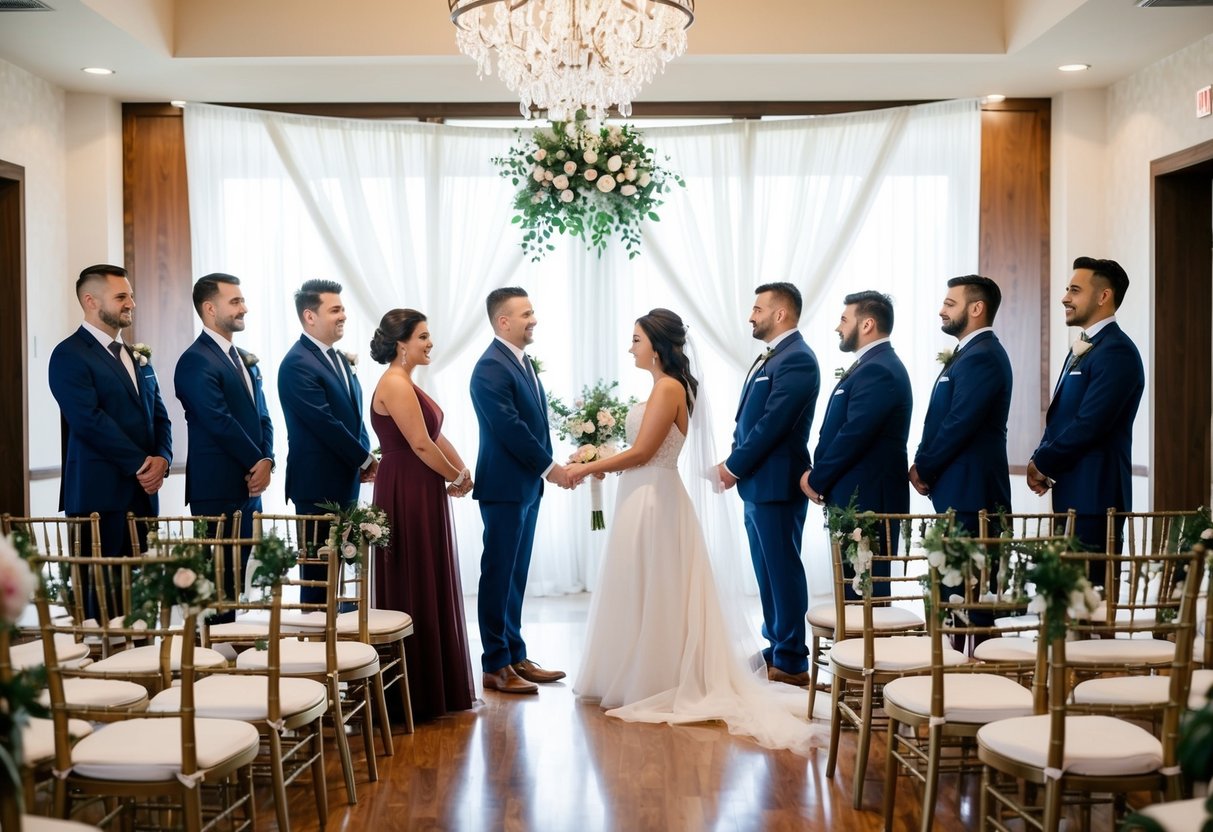
Your family and friends generally know what to do during the ceremony, so you may not need a rehearsal to ensure smooth sailing. If you’re concerned about costs or simply want to keep things simple, it’s important to remember that not having a rehearsal doesn’t mean your wedding will be less special. Embracing your own preferences and style can lead to a more enjoyable experience.
Every wedding is unique, and what works for one couple may not work for another. Trust your instincts and focus on what makes you and your partner happy. If that means waving goodbye to tradition and skipping the rehearsal, that’s completely fine!
The Role of Wedding Rehearsals
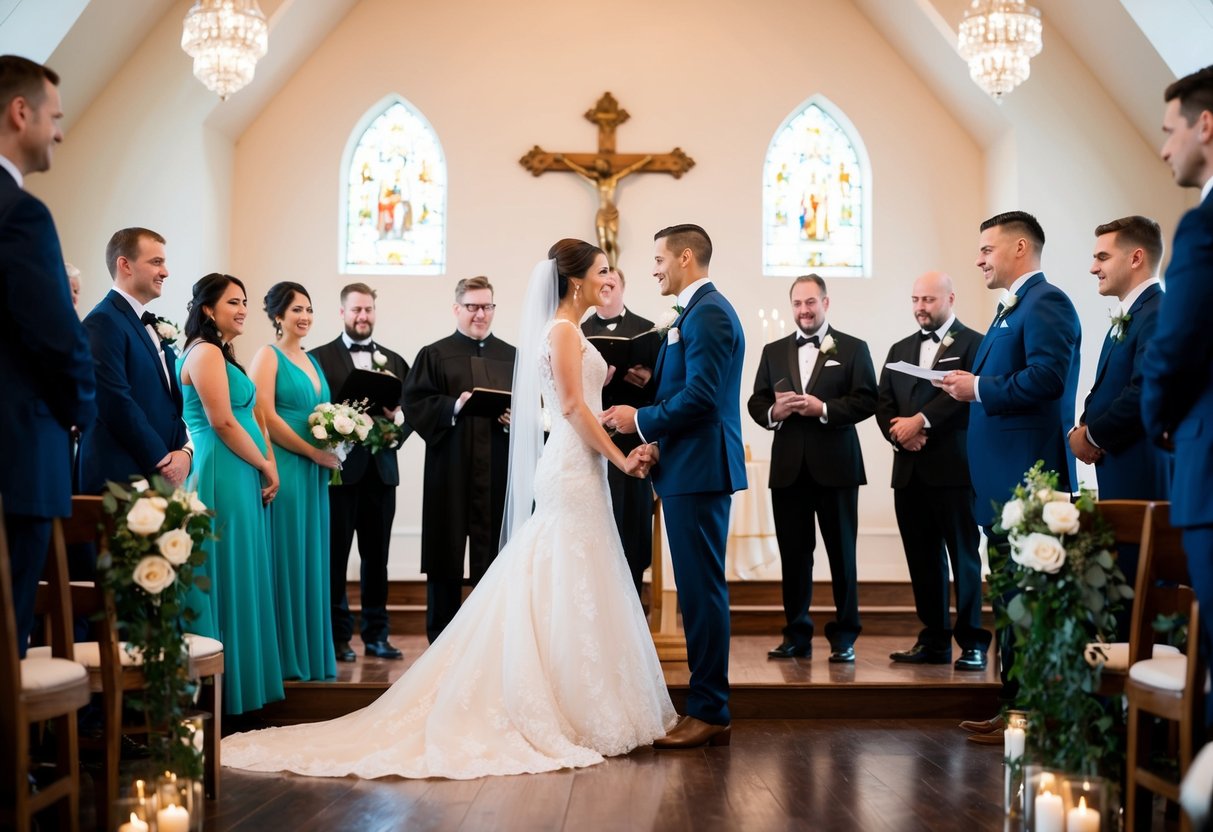
Wedding rehearsals play an important part in preparing for your big day. They help everyone involved understand their roles and ensure the ceremony goes smoothly. Here’s a closer look at their purpose and who takes part.
Purpose and Traditions
The main purpose of a wedding rehearsal is to give everyone a chance to practice the ceremony. This run-through helps reduce jitters and clears up any confusion about the timing and sequence of events.
Traditionally, the rehearsal happens the day before the wedding. It includes the officiant, wedding party, and immediate family. This time allows you to step through the ceremony, from walking down the aisle to exchanging vows.
Rehearsals also provide an opportunity to identify any potential issues. For example, you can test the sound system or check if everyone knows where to stand. This planning helps ensure everything unfolds without a hitch on the actual day.
Who Participates?
Typically, the wedding party is the main group involved in the rehearsal. This includes you, your partner, bridesmaids, groomsmen, and anyone else taking part in the ceremony.
Immediate family members, like parents and siblings, often join in as well. Having everyone there fosters connections and sets a positive atmosphere before the big day.
During the rehearsal, it’s common for the officiant to explain the ceremony. This helps everyone understand what to expect. Including the wedding party in this practice can boost their confidence and make the ceremony feel more cohesive.
Everyone benefits from being well-prepared, reducing stress on the wedding day. So, gathering for a rehearsal is a great way to ensure that everyone feels ready and excited!
Planning Your Rehearsal

Planning your rehearsal involves selecting the right date and venue, as well as considering the dinner that may follow. These choices can shape the flow of your wedding weekend and ensure everyone feels prepared.
Selecting the Date and Venue
When setting a date for your wedding rehearsal, aim for the evening before your wedding. This timing allows your party to be fresh for the ceremony. Talk to your wedding planner for recommendations that fit your schedule.
For the venue, choose a comfortable space that accommodates all participants. A wedding venue where your ceremony will take place is often an ideal choice. It allows everyone to familiarize themselves with the location. Remember to check if the site has any specific rules for rehearsals.
Rehearsal Dinner Considerations
After your rehearsal, the rehearsal dinner is a great way to celebrate with close family and friends. Discuss with the groom’s parents to help coordinate the details, as they often assist with planning.
You can opt for a formal dinner or a relaxed gathering, depending on your style. Just keep in mind that it should not overshadow your wedding day.
Consider budgetary aspects when planning the dinner. You want to ensure that it aligns with your overall wedding budget while still being enjoyable for you and your guests. Keeping these points in mind will help you execute a successful rehearsal.
Navigating Rehearsal Costs
Planning a wedding can get expensive, and the rehearsal dinner is one part you can manage wisely. Understanding budgeting methods and exploring cost-saving tips can help you keep everything on track without breaking the bank.
Budgeting for Success
Start by setting a clear budget for the rehearsal dinner. Determine how much you can spend without affecting other wedding costs. Consider including family members in this discussion, as some traditions suggest that the groom’s parents might cover these expenses.
Break down your budget into categories such as food, location, and beverages. Example budget breakdown:
- Food: 50%
- Venue: 30%
- Decorations: 10%
- Beverages: 10%
Keep your budget flexible to accommodate any last-minute changes. This plan ensures you stay organized and make the most of your funds.
Cost-Saving Tips
There are plenty of ways to save on rehearsal dinner costs while still creating a fun atmosphere. Hosting a casual gathering can be just as memorable as a fancy event. Consider a simple pizza party for the meal. This option is budget-friendly and allows for a relaxed vibe.
Here are some additional cost-saving tips:
- Choose a Home Venue: If space allows, host the dinner at your home or a family member’s place.
- Limit the Guest List: Keep it intimate by inviting only close family and friends.
- Potluck Style: Asking guests to bring a dish can lighten the load on your budget.
By incorporating these tips, you can enjoy a memorable rehearsal dinner without overspending.
Etiquette and Expectations
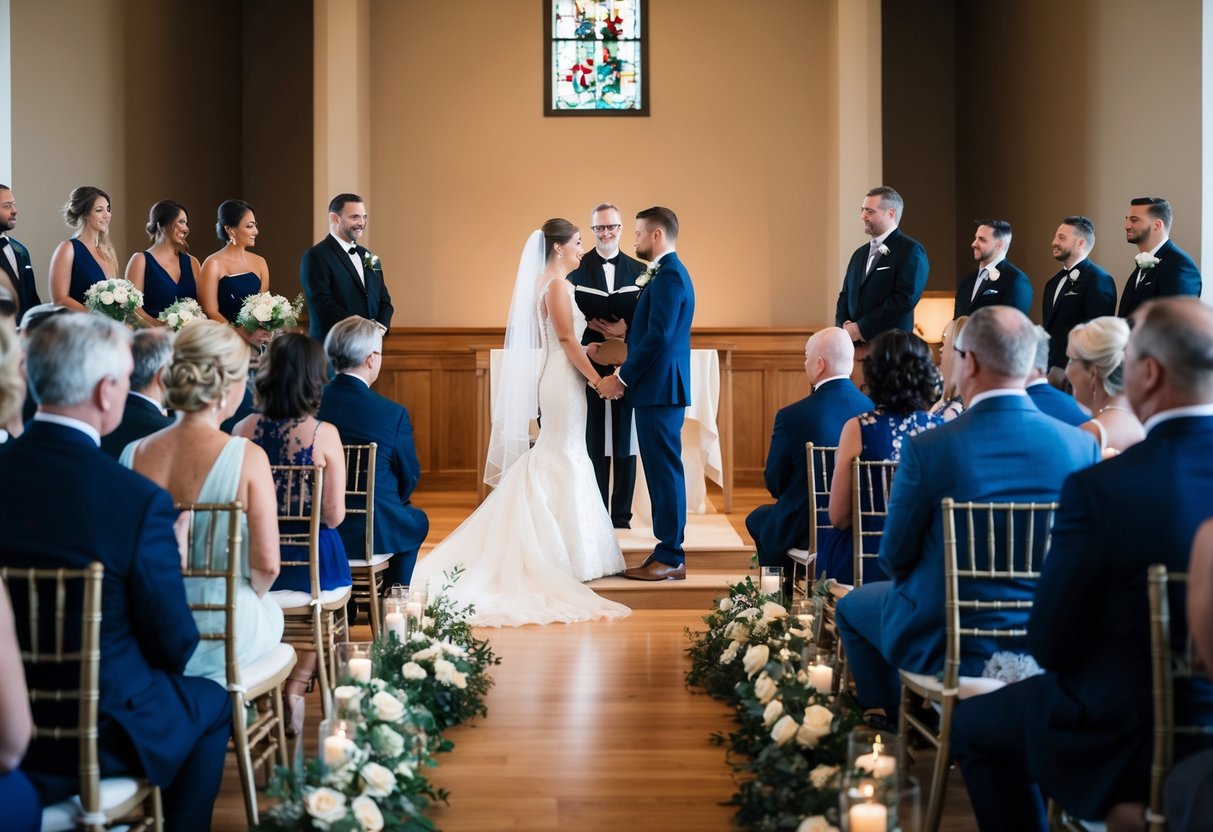
When it comes to wedding rehearsals, knowing the etiquette and expectations can help you navigate the event smoothly. This involves understanding who should be invited and what kind of attire is appropriate for the occasion.
Inviting Guests to the Rehearsal
You should invite key individuals to the rehearsal dinner. Traditionally, this includes the wedding party, immediate family, and close friends.
Consider sending formal invitations to ensure everyone knows they are welcome.
If you’re on a budget or prefer a smaller gathering, communicate this clearly. You might also ask your parents if they want to invite anyone.
Remember: It’s important to include anyone involved in the ceremony, like the officiant. You’ll want to allow them to prepare and understand their role better.
Dress Code and Attire
The rehearsal dinner’s dress code can vary, but you can’t go wrong with choosing cocktail attire. You want guests to be comfortable yet feel special.
For men, this could mean dress slacks and a nice shirt. Women might opt for a cocktail dress or a stylish blouse with tailored pants.
Tips for a good dress code:
- Consider mentioning the attire on the invitation.
- If your wedding theme is casual, keep that in mind for this event too.
- Feel free to specify dress code details if you’d like a more polished look.
Setting the right mood for the evening starts with making sure everyone is dressed appropriately.