
Is It Rude Not to Invite Family to Your Wedding? Understanding the Etiquette Behind Wedding Guest Lists
Planning your wedding is an exciting time, but it can also bring up tough questions about who to invite. If you’re wondering whether it’s rude not to invite family, you’re not alone. Ultimately, it’s your special day, and you have the right to invite those who truly matter to you.
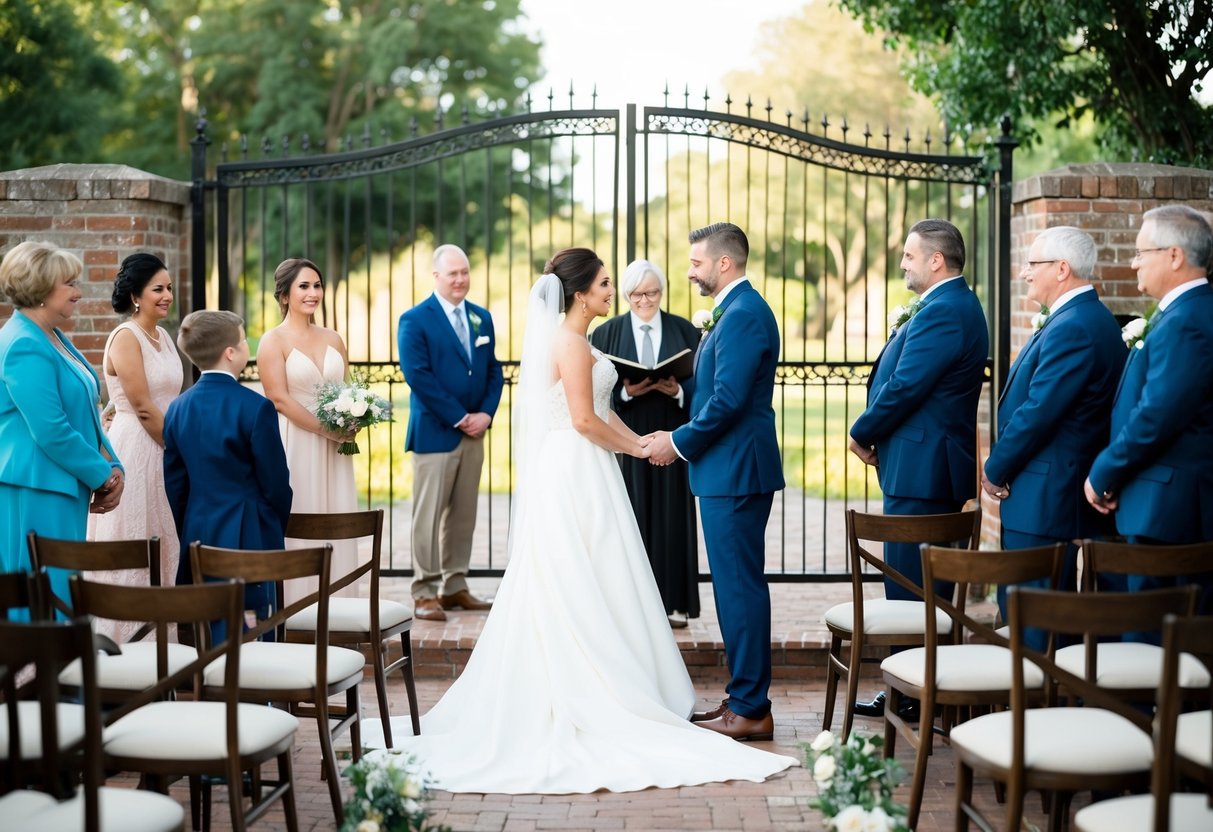
Family dynamics can be complicated, and there are many reasons why you might choose not to include certain relatives. It’s crucial to weigh your options carefully. You might fear hurting feelings, but remember that your wedding should reflect your love and values, not family drama.
Deciding whom to invite can be one of the most challenging parts of wedding planning. As you navigate these feelings, keep in mind that it’s important to focus on what makes you happy. You deserve a day surrounded by supportive people, whether they’re family or friends.
Understanding Wedding Invitation Etiquette
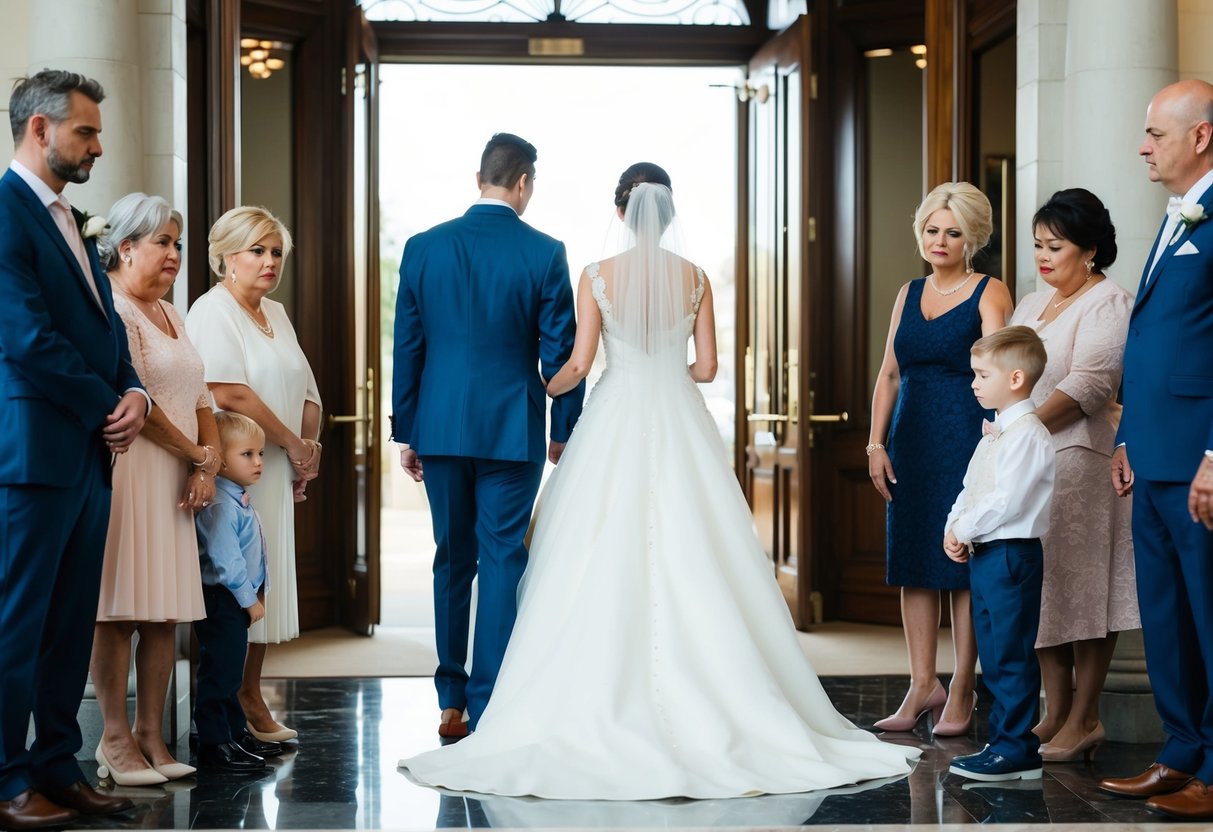
When planning your wedding, knowing how to handle invitations can be tricky. You want to invite those who matter while being respectful of relationships. Here’s a look at what to consider as you create your guest list.
Importance of Being Tactful
Being tactful is crucial when deciding whom to invite. You may have family members you feel close to, but there might also be others you prefer to keep at a distance.
It’s important to express your feelings kindly. If you’re not inviting certain family members, try to explain it without causing hurt. A gentle approach can help maintain peace.
Consider the emotional impact of your decisions. You want everyone to feel included while also honoring your own wishes. Striking this balance can help avoid misunderstandings and hard feelings.
Etiquette Tips for Creating Your Guest List
Creating your guest list should be thoughtful and organized. Start by making a list of all potential guests. Then, group them by priority. This can help you decide who is essential to the celebration.
It’s wise to consider your budget. Remember that each guest means more cost for catering and seating.
When sending out invites, include RSVP cards so you can plan accordingly. This helps you get a clearer idea of who will attend.
Always be clear about your invitation — if it’s adults-only, specify that. This helps guests plan and avoids any last-minute surprises.
Adults-Only Vs. Children-Inclusive Weddings
Choosing between an adults-only event or one that includes children is a personal decision. Many couples opt for adults-only weddings to create a more sophisticated tone.
If you decide on an adults-only wedding, make sure to communicate this clearly in your invitations. You can phrase it in a friendly way, like “we’re excited to celebrate with our adult friends and family.”
On the other hand, if your wedding will be children-inclusive, be ready for the extra energy! Make arrangements for their comfort, such as kid-friendly activities and snacks.
Whichever choice you make, clarity is important. Just as much as the guest list, informing your guests about your preferences will make everything run smoothly.
Balancing Budget and Family Expectations

When planning your wedding, finding a balance between your budget and your family’s expectations is essential. This can be tricky, especially if your dream wedding includes inviting many family members. Here are important aspects to consider as you navigate this process.
Navigating Budget Constraints
Your wedding budget plays a crucial role in deciding who to invite. Start by determining your total budget. Break it down into categories like venue, catering, and decor. You can create a simple table to visualize where your money goes:
| Category | Estimated Cost | Actual Cost |
|---|---|---|
| Venue | $XXXX | $XXXX |
| Catering | $XXXX | $XXXX |
| Decor | $XXXX | $XXXX |
Set aside a specific amount for invitations. Be honest about what you can afford. If family members feel left out, explain your budget constraints. Most will understand and appreciate your transparency.
Deciding on Plus-Ones
Handling plus-ones can be a sensitive subject. Decide if you will allow guests to bring a partner. If your budget is tight, you might limit plus-ones to only close family or friends.
Make a list of immediate family members who definitely need invites. Consider your close friends too. If space and budget permit, you could offer plus-ones to those in serious relationships. Keep a checklist to help manage who gets a plus-one and who doesn’t.
Prioritizing Close Family and Friends
When it comes to family, prioritize those you have strong relationships with. For example, if you are close to your siblings and prefer to invite them, make that your focus.
You can also think about inviting immediate family first and then assessing if your budget allows for extended relatives. This way, you can minimize hurt feelings while also staying within your budget. A simple method is to rank potential guests based on closeness and importance.
By keeping track of personal connections, you can make thoughtful decisions that honor family ties without stretching your budget too thin.
Dealing With Potential Drama and Relationships
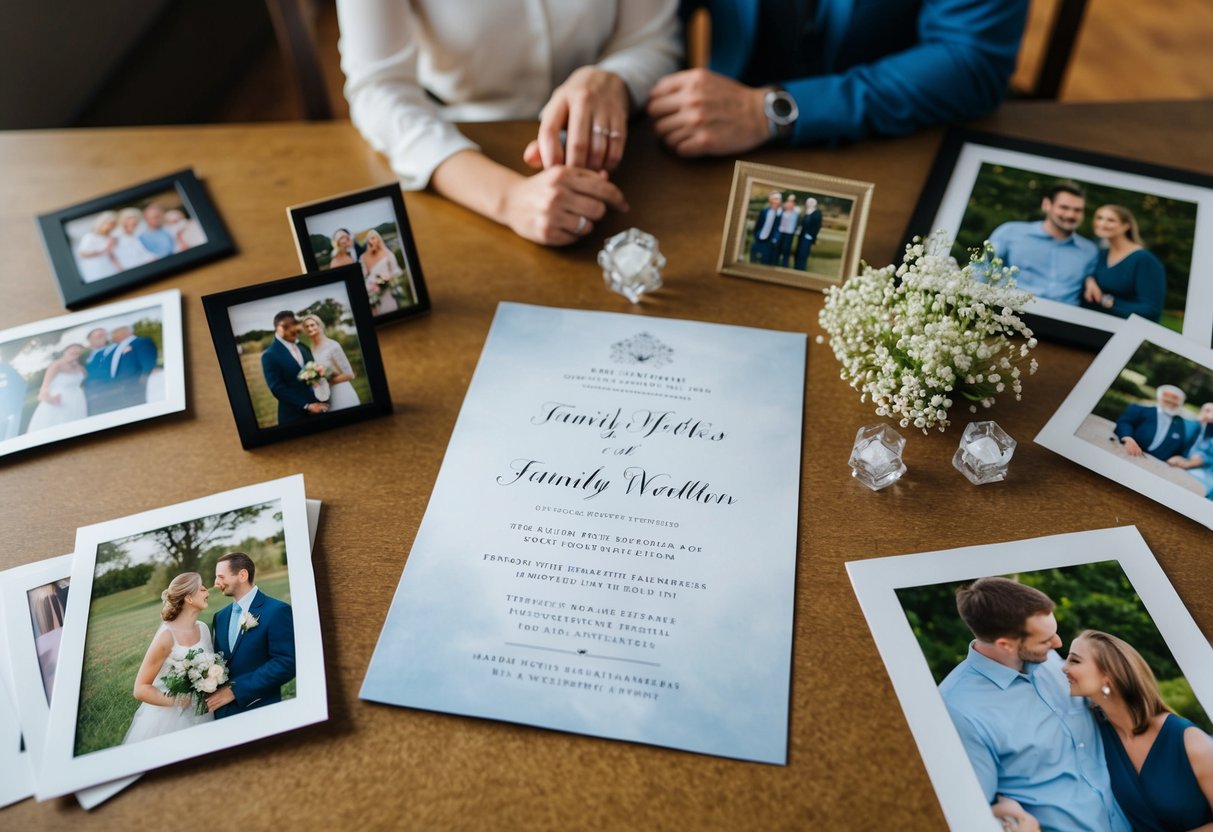
Handling family dynamics is essential when planning your wedding. Choosing not to invite certain family members can lead to drama and hurt feelings. It’s important to navigate these relationships carefully.
Avoiding Conflict with Non-Invited Family Members
When you decide not to invite specific family members, it’s vital to communicate your feelings. Be honest about your reasons. You could explain that past conflicts make you uncomfortable.
Consider reaching out directly to these family members ahead of time. This way, you can express your feelings without them finding out through others. Share your decision kindly, and listen to their emotions as well.
It’s also helpful to set boundaries. Let them know that while you value your relationship, your guest list must remain focused on maintaining a peaceful atmosphere at your wedding.
Maintaining Friendships Post-Wedding
After the wedding, you may still need to manage the emotional fallout. Keep in mind that your friends and family are likely to talk about the decision. How you handle this can affect your relationships long-term.
Make an effort to check in with friends or family who might feel hurt or excluded. A simple message or call can go a long way. Acknowledge their feelings while reaffirming your commitment to your relationship with them.
You may also want to organize get-togethers after the wedding. This can help bridge any gaps and show you care. Strengthening these bonds can help ease any tensions left from the decisions made regarding your guest list.
Making Your Wedding Day Truly Yours
Your wedding day should reflect your unique relationship and personal style. By focusing on a personal ceremony, creating a memorable reception, and sharing your love story online, you can make this special day truly yours.
Planning a Personal and Intimate Ceremony
When planning your ceremony, think about what makes you and your partner unique. Choose a location that holds special meaning, like a favorite park or family home.
Consider customizing your vows. Writing your own can add deep personal touches. Including a unity ceremony, like lighting a candle or blending sands, can further symbolize your bond.
Keep the guest list small if you want a cozy feel. Inviting only close family and friends allows for intimate moments that feel special. This care in planning shows your commitment to an unforgettable day.
Creating a Memorable Reception
Your reception is the perfect time to celebrate with those you love. Focus on elements that represent you and your partner.
Start with the food. Choose dishes that you both love, whether gourmet or comfort food. Consider food stations or interactive dining to make mealtime fun.
The décor should reflect your personalities. Use colors, flowers, and themes that resonate with you. Adding personal touches like photos or a memory table helps guests feel connected.
Don’t forget the entertainment! Whether it’s a live band or your favorite playlist, the right music sets the mood. Create an atmosphere where everyone enjoys dancing and celebrating your big day.
Sharing Your Love Story on Your Wedding Website
A wedding website is a great chance to tell your love story. Start with how you met and the journey you took together. Then, include photos to make it visually appealing.
Add sections to share details about your ceremony and reception. This helps guests understand the schedule and venue information clearly.
Consider a FAQ section. Answer questions about accommodations, dress codes, or transportation. This helps guests feel prepared and cared for.
Sharing your story can make guests feel even more connected to your special day. It’s all about showcasing your journey as a couple.