
Is It Rude Not to Make Your Sister-in-Law a Bridesmaid? Exploring Family Dynamics and Wedding Etiquette
Planning your wedding is an exciting time, filled with choices that reflect your style and relationships. When it comes to your bridal party, you might wonder if you should include your sister-in-law. Deciding against making your sister-in-law a bridesmaid isn’t rude, as this choice ultimately depends on your unique relationship.
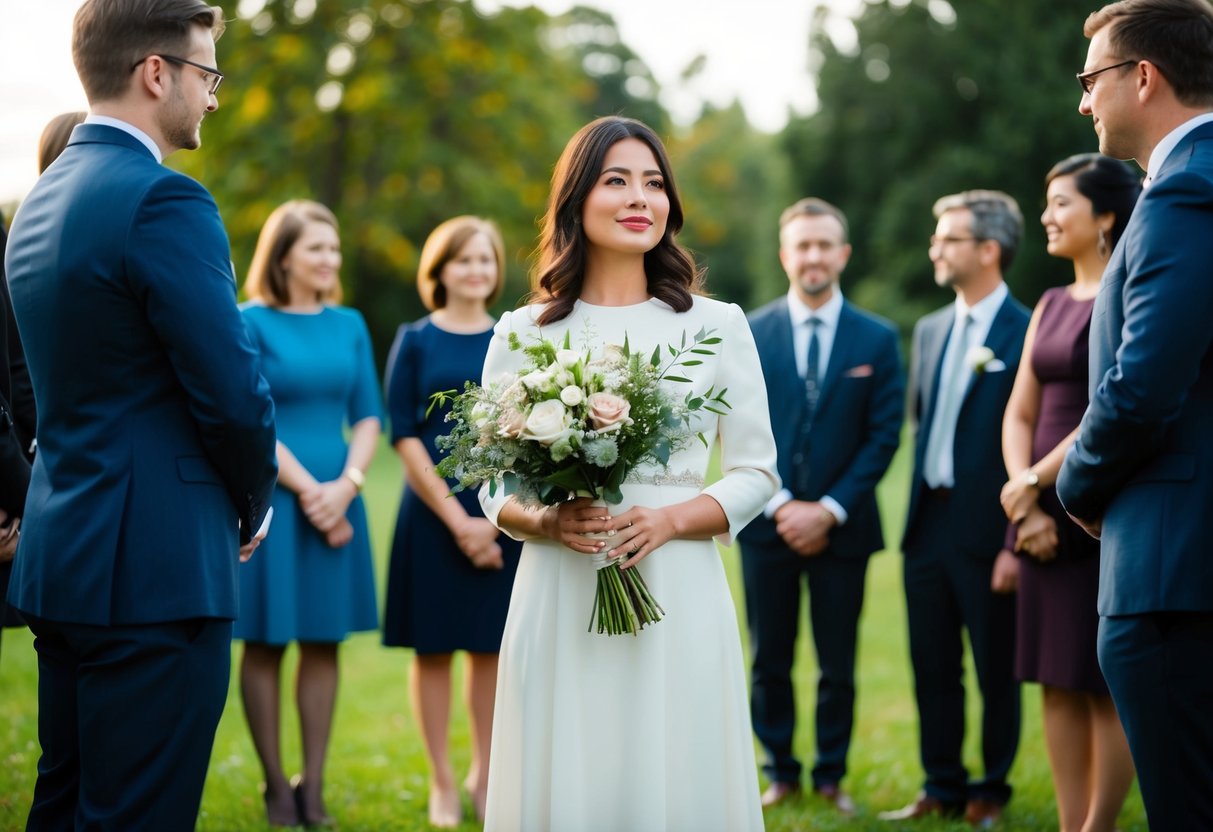
Choosing your bridal party can be a tricky part of wedding planning. While involving your sister-in-law might strengthen family ties, excluding her doesn’t automatically reflect badly on your bond. Your special day should reflect your preferences and those who mean the most to you.
Open communication can help ease any concerns. If you choose not to ask her, expressing your feelings can pave the way for understanding. Your wedding is about you and your partner, so prioritize what feels right for both of you.
Understanding Wedding Party Roles and Etiquette
When planning your wedding, it’s essential to consider the roles and responsibilities within the bridal party. Understanding etiquette and family dynamics can help you navigate these relationships smoothly, especially regarding whether to include your groom’s sister as a bridesmaid.
Significance of the Bridal Party
The bridal party plays a crucial role in your wedding experience. This group often includes bridesmaids, groomsmen, and important people like the maid of honor. Their presence offers emotional support, helps with planning, and participates in various wedding activities.
Designating these roles fosters a deeper bond among friends and family. Selecting the right people can enhance your special day, ensuring a positive experience for you and everyone involved. Whether you choose close friends or family members, make sure their contributions reflect your vision.
Etiquette Surrounding Bridesmaids Selection
When it comes to choosing bridesmaids, traditional etiquette is flexible. While you may feel obliged to include your groom’s sister, it’s not a strict requirement. Many couples choose bridesmaids based on their personal relationships rather than family ties.
If you choose not to ask her, communicate openly. A kind conversation can ease any potential hurt feelings. You can also offer her an alternative role to show appreciation for her support. This approach respects family dynamics while honoring your preferences for the bridal party. Balancing these aspects can keep relationships strong as you plan your wedding.
Managing Family Relationships During Wedding Planning
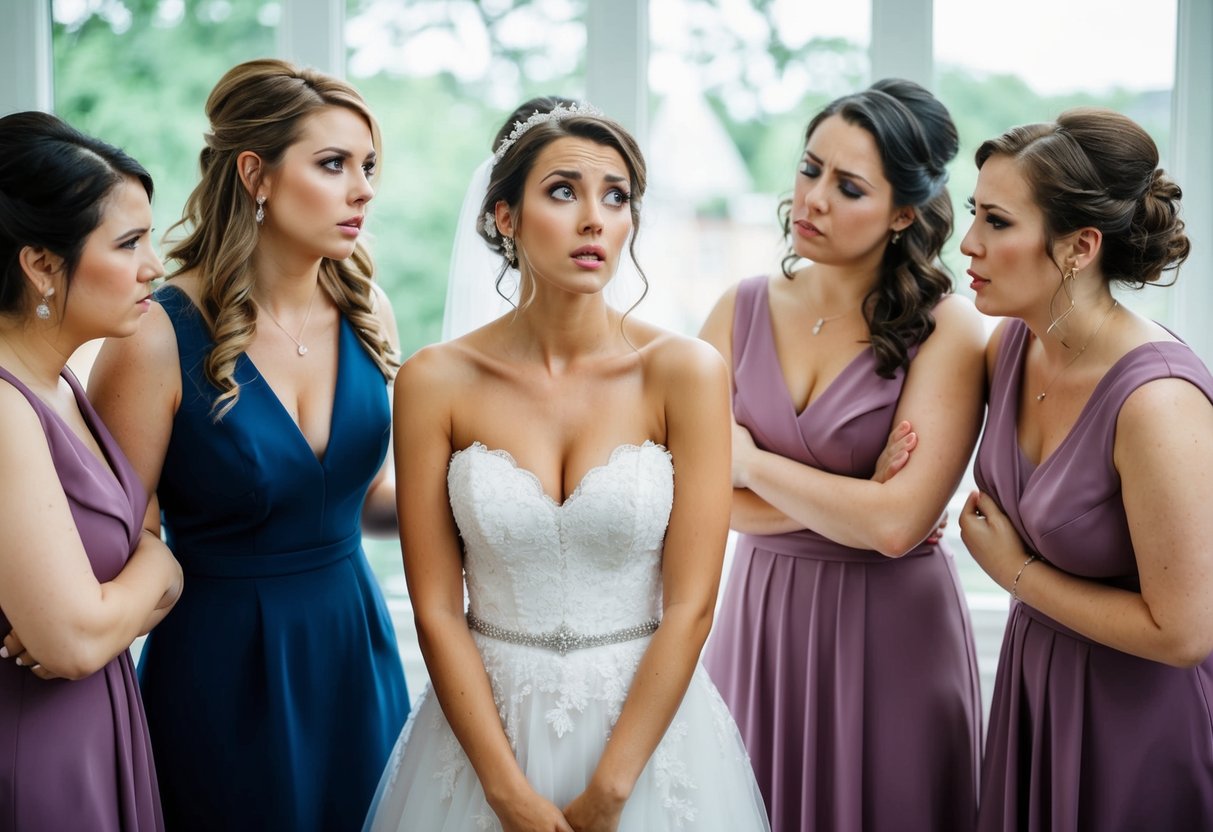
Planning a wedding can be exciting, but it often brings family dynamics to the forefront. Understanding and managing relationships is essential to ensure harmony during this special time. You can maintain strong bonds by being mindful of feelings, communicating openly, and considering alternative roles for family members.
Communication is Key
Open communication is vital when planning your wedding. Discuss your thoughts and decisions with family members, especially regarding roles in the wedding party. This is particularly important when it comes to the groom’s sister-in-law.
Let her know your reasoning for including or not including her as a bridesmaid. Be honest but kind. Use phrases that express your appreciation for her support. This can help prevent misunderstandings and hurt feelings.
Encourage her to share her thoughts and feelings too. Active listening shows empathy and helps build a stronger family bond. Open dialogue can lead to compromise and deeper understanding of everyone’s expectations.
Considering Family Dynamics and Feelings
Every family has unique dynamics, and these can be amplified during wedding planning. Pay attention to how your choices might affect the feelings of family members. If your fiancé has a close-knit family, it’s especially important to tread carefully.
Think about any past experiences that may influence current emotions. A family member may feel slighted if they don’t have an active role in the wedding. Show sensitivity to these feelings and approach the situation with empathy. By acknowledging their concerns, you can create a more supportive environment.
This is an opportunity to strengthen relationships. Remember, the goal is to celebrate together, and putting thought into their feelings can help achieve that.
Alternative Roles in the Wedding
If you choose not to include your sister-in-law as a bridesmaid, consider other roles she might take on. This could keep her involved without creating tension.
Some options include being an usher, helping with décor, or assisting with wedding planning tasks. These roles can make her feel valued and part of the celebration.
Communicating how you see her contribution can also strengthen your connection. Explain why you appreciate her support and how her involvement, even in a different capacity, matters to you.
Optimizing the Bridal Party Composition
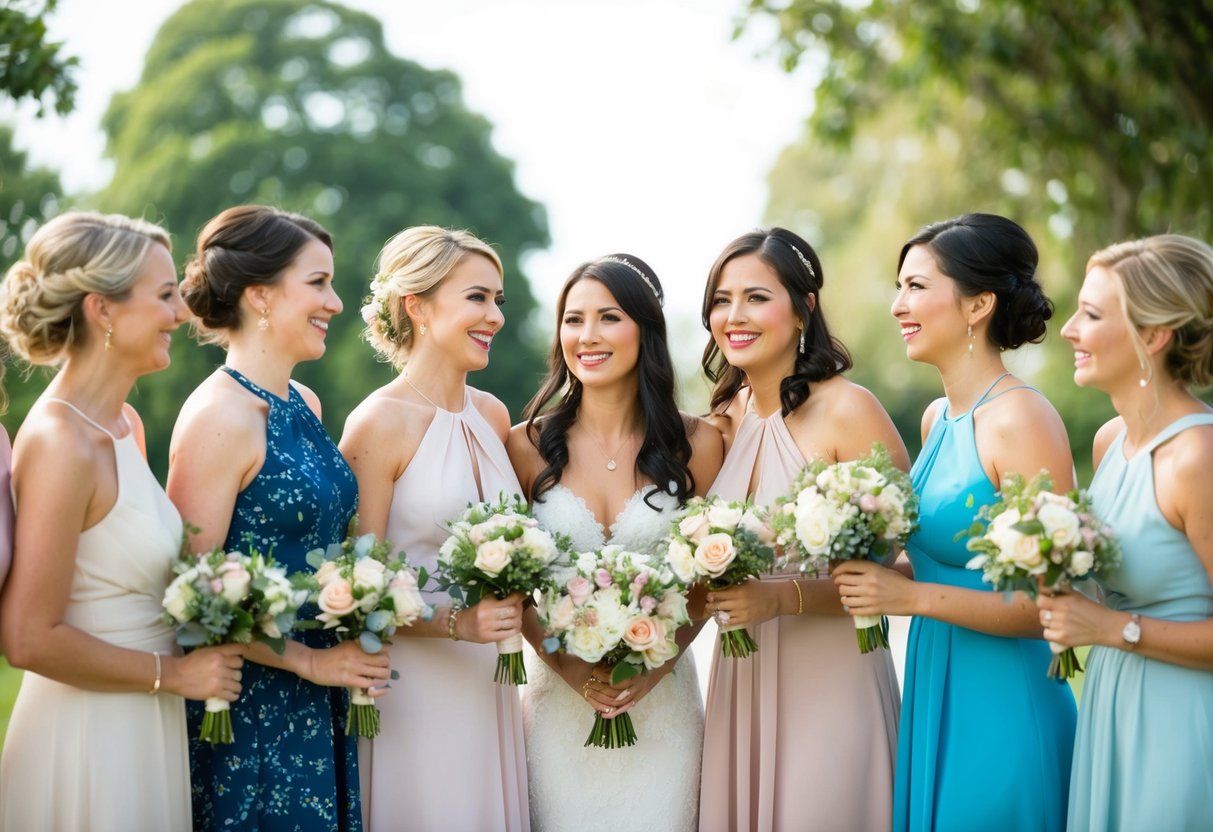
Creating a balanced bridal party is about mixing strong relationships with thoughtful aesthetics. It’s important to feel comfortable with your choices while also considering the overall look and feel of your wedding day.
Balancing Relationship with Wedding Aesthetics
When choosing your bridal party, think about your closest friends and family. They should represent your support system. You can include a close friend as a bridesmaid, while also considering the visual harmony of your wedding.
Consider colors, styles, and how everyone will blend together in photos. Including a sister-in-law as a bridesmaid can add warmth to family ties. If you aren’t close with her, though, you could find other ways to include her. This could mean asking her to participate in roles like being an usher or in the wedding house party.
Inclusive Approaches to Bridal Party Involvement
Involving your sister-in-law doesn’t have to be formal. Think about alternative roles. You could assign her as a flower girl. Or, have her help with planning. This makes her feel part of the day without being an official bridesmaid.
Also, consider your younger relatives. They can bring joy and cuteness to the event. Ring bearers and flower girls can help create a fun, lively atmosphere. Evaluate how each person will contribute positively and supportively to your wedding. This helps create a joyful environment for everyone involved.