
Is It Rude to Ask If You Can Bring a Guest to a Wedding? Here’s What You Should Know!
Weddings are joyful events, but they also come with their own set of rules. When you receive an invitation, you might wonder if it’s acceptable to ask if you can bring a guest. The general rule is that if your invitation does not mention a plus-one, it’s best not to ask. This helps everyone avoid awkward situations and keeps the couple’s plans in mind.

Understanding wedding etiquette is key to being a polite guest. Couples often have to consider their budget and venue capacity when deciding who to invite.
If you are unsure of your guest status, pay attention to the invitation details. It’s important to respect the couple’s wishes to keep the day special for them.
If you were invited with a specific note allowing a guest and find yourself without a date, it’s okay to ask if you can bring a friend instead. Just remember, being considerate goes a long way in ensuring everyone enjoys the celebration.
Understanding Wedding Guest Etiquette
Knowing the right way to act as a wedding guest is important. It helps to show respect for the couple and their special day. Here are some key areas to consider when it comes to wedding guest etiquette, especially regarding bringing a guest.
Basics of Wedding Etiquette
When you receive a wedding invitation, pay close attention to its wording. Invitations will usually specify if you can bring a guest. If it says “plus-one,” then you are welcome to bring someone. If not, it is best to assume that it’s just for you.
Asking to bring a guest when it’s not allowed can come off as disrespectful. Couples plan their guest lists carefully, often based on venue size and budget.
Always remember to RSVP by the date given. This helps the couple finalize their plans without the extra worry.
Evaluating Your Relationship to the Couple
Consider your relationship with the couple before asking about bringing a guest. If you are close friends or family, they are more likely to understand if you want to bring someone.
In contrast, if you are an acquaintance or a co-worker, it’s usually best to attend solo. Bringing someone unexpected might create an uncomfortable situation. Being mindful of how the couple feels is crucial. Respecting their choices shows maturity and consideration, making the event enjoyable for everyone involved.
Navigating the Plus-One Scenario
Bringing a guest to a wedding can be a tricky situation. Knowing when it’s acceptable to ask and how to do it politely will help you avoid any awkward moments.
When to Assume You Can Bring a Guest
It’s important to know when it’s appropriate to bring a plus-one. If your invitation clearly states “and guest” or has your significant other’s name printed, you can confidently assume you can bring someone along.
If you’re in a committed relationship or a long-term partnership, it’s also common to expect a plus-one. Even if it’s not indicated on the invite, you might be able to ask.
Remember, the couple usually has a budget, so timing and context matter.
Ultimately, if your invitation is solely addressed to you, it’s best not to presume you can bring a guest.
How to Politely Ask for a Plus-One
If you want to ask for a plus-one, approach the couple thoughtfully. Start by expressing excitement about the wedding. Then, gently ask if it would be possible to bring someone along.
For example, you could say, “I’m really looking forward to your wedding! Would it be okay if I brought a guest?”
Keep your tone friendly and casual. Avoid making it sound like a demand; the couple may have reasons for the guest policy.
If they say no, be gracious and respect their decision. Always remember to thank them for considering your request!
Considerations When Receiving a Wedding Invitation

Receiving a wedding invitation is an exciting moment. It can also bring up questions about the guest list and whether you can bring someone. Here are some important points to consider.
Guest List Insights
Pay attention to the guest list details provided with your invitation. If the invitation says “plus-one,” you are welcome to bring a guest. If it does not, it’s best to assume it’s just for you.
Asking to bring a guest when it’s not explicitly stated can put the couple in an awkward position. They may be working within a strict budget and might not have room for extra guests. Respect their choices and be understanding.
If you are single, consider discussing your situation with the couple. Sometimes, friends in long-term relationships may receive invites that allow them to bring a date, even if the invitation doesn’t say so.
RSVP Etiquette
RSVPing is more than just saying you’ll be there. It’s also your chance to communicate whether you’ll bring someone along.
If your invitation doesn’t mention a plus-one, do not make assumptions.
You should respond in a clear and polite manner. If you’re unsure, reach out to the couple or someone close to them for guidance.
Remember, asking after you’ve already received the invite can feel rude.
When you RSVP, be sure to include your name and whether you’ll bring a guest, if permitted. This helps the couple finalize their plans and manage their budget effectively. Respecting RSVP etiquette shows your support for their special day.
Interactions With Wedding Hosts and Other Guests
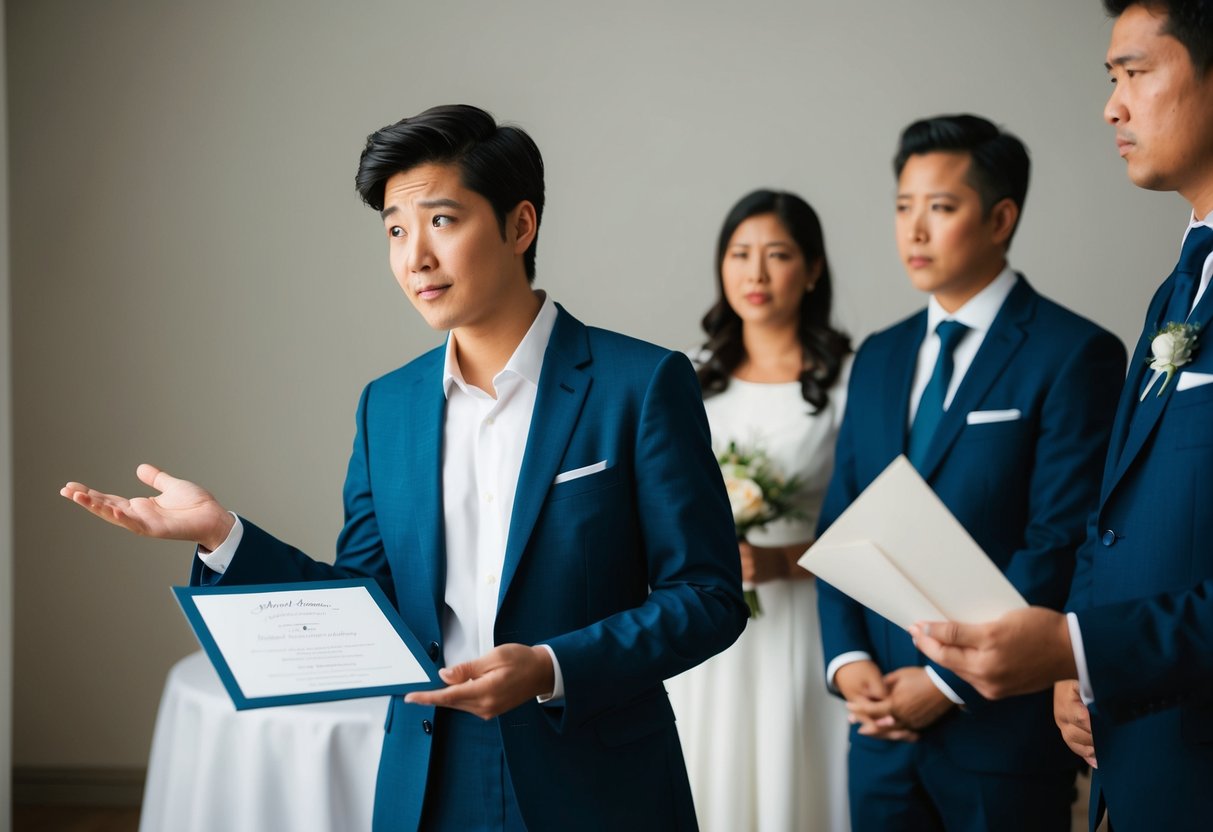
When attending a wedding, your interactions with the hosts and other guests can significantly influence the event’s atmosphere. It’s essential to communicate respectfully and engage positively to create a joyful experience.
Communicating With the Wedding Planner
If you have questions, like whether you can bring a guest, it’s best to reach out to the wedding planner directly. They are responsible for managing the event and will have clear guidelines.
Be polite in your inquiry. For example, you might say, “I noticed my invitation didn’t mention a plus-one. Is it possible to bring a guest?” This approach shows respect for the couple’s decisions.
Remember, if the invitation is clear and specifies guests, it’s best to decline any additional requests. Wedding planners often deal with many details, so keeping communications simple and concise will help them assist you better.
Engaging With Other Guests and the Wedding Party
When mingling with other guests, remember that everyone is there to celebrate. Be friendly and introduce yourself if you haven’t met before. A simple greeting can break the ice.
Avoid discussing any wedding planning stresses or asking personal questions about relationships. Instead, focus on light topics, like how you know the couple or favorite wedding moments. This keeps the atmosphere positive.
If you see members of the wedding party, like bridesmaids or groomsmen, complimenting their role can help build rapport. Ask how they’ve been involved in the planning or if they have favorite moments to share. This engagement not only enhances your experience but also contributes to the overall happiness of the celebration.