
Is It Rude to Invite Only One Spouse to a Wedding? Navigating Wedding Etiquette with Care
When planning a wedding, every detail counts, especially when it comes to your guest list. Inviting only one spouse of a married couple is generally considered rude. This etiquette rule exists because wedding invitations are a celebration of love and unity, and couples often expect to be included together.
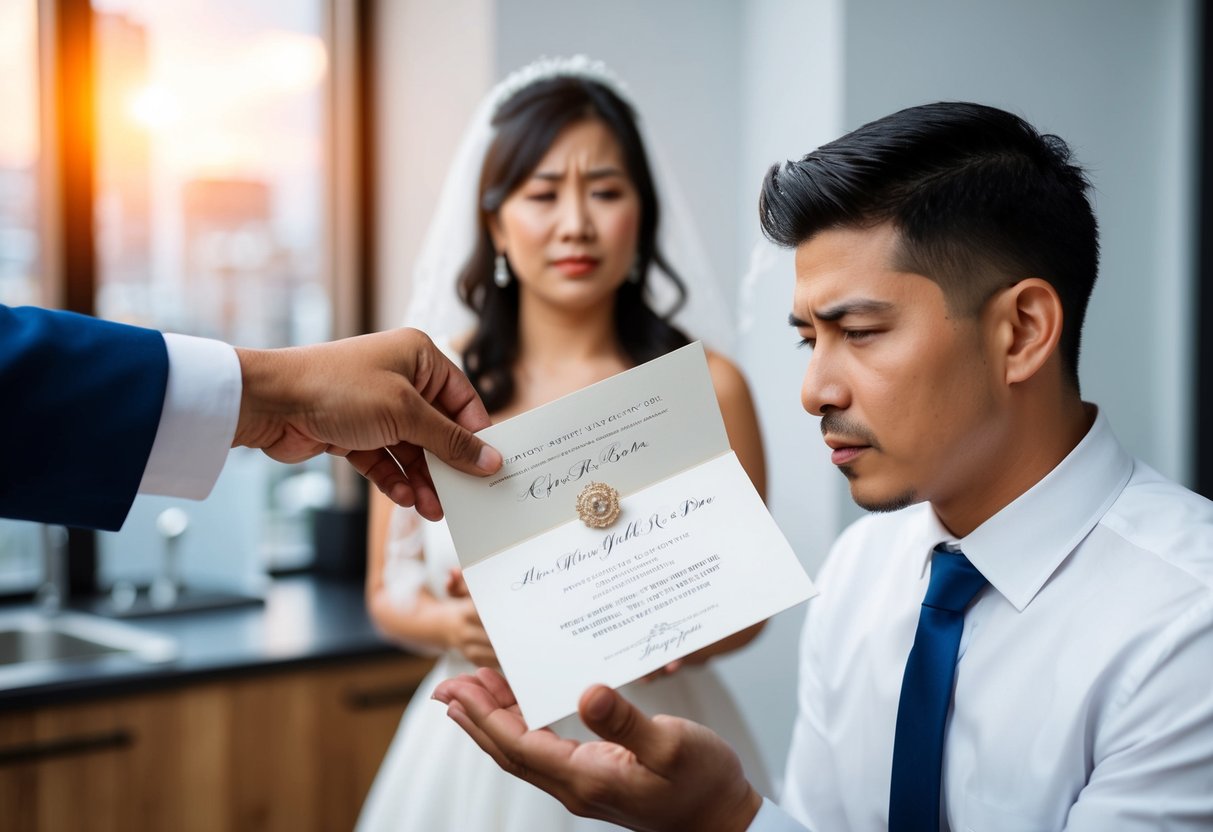
You may feel closer to one partner, but excluding the other can lead to hurt feelings. Understanding the importance of both guests can help you create a more inclusive environment for your big day.
It’s important to recognize that weddings are about bringing people together, and every couple deserves to share in that joy.
Understanding Wedding Etiquette
When planning a wedding, knowing the right etiquette can help make the guest list process smoother. It’s essential to consider how to handle invitations, especially concerning spouses and significant others.
The Basics of Plus-One Etiquette
Plus-one etiquette is all about being respectful and considerate to your guests. If someone is married, engaged, or in a serious relationship, you should generally invite their partner too. This shows you value their relationship and want them to enjoy the celebration together.
If there are close friends or relatives who live together, it’s especially important to invite both as a unit. Not inviting a significant other can make guests feel uncomfortable or excluded.
If you have a reason to invite just one partner, be prepared for some potential awkwardness.
Navigating the Guest List
Creating your guest list can be tricky, but a few guidelines can help you streamline the process. Start by listing everyone important to you, and consider if they have partners.
It’s good practice to ask yourself how close you are to each couple. Keep in mind that some guests may have expectations about bringing their significant others.
Having clear communication can help manage this. If someone asks about their partner, explaining your wishes kindly can go a long way.
Remember, maintaining a friendly and welcoming atmosphere is key. Aim for a guest list that reflects your values and connections.
Enjoy the planning process, focusing on the celebration and the people you care about.
The Dynamics of Inviting Spouses
When inviting guests to your wedding, the relationship status of the couples matters. Understanding the differences between married, engaged, and cohabiting couples can help you make thoughtful decisions about your guest list.
Married Vs. Engaged Couples
When inviting a married couple, you should always include both spouses. It’s a matter of respect and tradition. Inviting only one half can be viewed as rude and may hurt feelings.
On the other hand, when it comes to engaged couples, the situation may be less clear. If they are committed to marrying, it’s generally best to invite both partners. This approach fosters goodwill and ensures everyone feels valued at your wedding.
Cohabitation and Serious Relationships
Inviting guests who live together or are in serious relationships raises similar questions. Couples who share a home likely consider themselves as a unit.
Inviting just one person may create awkwardness. Think about your relationship with these guests.
If they’re serious and have been together for a while, invite both partners. This consideration shows that you value their bond. You want everyone to enjoy the celebration together, right?
Executing the Invitation Strategy
Creating a thoughtful invitation strategy is essential for your wedding planning. It involves crafting clear invitations and communicating effectively with your guests to avoid misunderstandings.
Crafting Wedding Invitations
When designing your wedding invitations, be sure to clearly state who is invited. If you’re inviting a couple, include both names to ensure everyone knows they are both welcome. This can help avoid feelings of exclusion.
Use straightforward language. For example, you might say, “We would love for you and your spouse to join us.” This simple wording makes it clear that both parties are invited.
Include all necessary details like date, time, and location. Consider adding a note about your seating chart, letting guests know how you’ve arranged seating to foster interaction and comfort.
Effective Communication with Guests
Good communication is key to a smooth wedding. Reach out to your guests ahead of time.
If you think someone might be confused about their invitation, clarify with a friendly message. Let guests know if your seating chart will place singles with couples.
This helps everyone feel included and enhances the wedding experience.
Consider holding a brief chat with close friends and family about how the guest list looks. Their feedback can provide insight into your invitation strategy and help avoid any hurt feelings.
Budget and Its Impact on Invitations
When planning a wedding, your budget plays a big role in deciding whom to invite. It’s important to know how many guests you can afford.
Consider the costs associated with each guest. This includes meals, drinks, and seating. If inviting a significant other adds too many people, you may feel pressure to invite them all or just one half of a couple.
If you’re newly engaged, it can be tempting to keep your guest list small to stay within budget. You might wonder if inviting only one spouse is a disrespectful choice. It might seem easier, but it can lead to hurt feelings.
Here are a few budget tips:
- Set a clear budget: Know what you can spend on the entire wedding.
- Create a guest list limit: Stick to a specific number to avoid overspending.
- Consider close relationships: Invite only those who mean the most to you and your partner.
Remember, maintaining a good relationship with your guests is essential. If you decide to invite just one spouse, be prepared for possible reactions. You don’t want to offend anyone while trying to manage your wedding budget.