
Is It Worth Having a Destination Wedding? Exploring the Pros and Cons
Many couples dream of a wedding in a stunning location, surrounded by the beauty of nature or a picturesque venue. A destination wedding can be worth it if you want an intimate celebration and a unique experience for you and your guests. Planning a destination wedding involves careful thought, from choosing the right location to figuring out the logistics for your guests.

As you start the journey of planning a destination wedding, you’ll want to consider all your options. Think about the setting you envision and the experiences you want to create for yourself and those you love. Whether it’s a tropical beach or a snowy mountain, the right spot can make all the difference in your special day.
Navigating the details can be a little tricky. You’ll need to think about travel arrangements, accommodations, and venue choices. But with proper planning, you can create a memorable event that stands out for its location and intimacy.
Understanding Destination Weddings

Destination weddings have become popular for couples seeking a unique way to celebrate their love. These weddings occur in beautiful locations, often far from home, combining the ceremony and honeymoon into one special trip. They can offer memorable experiences while creating a fun atmosphere for your guests.
Defining the Destination Wedding
A destination wedding is a ceremony held in a location that isn’t your hometown. This could be a stunning beach, a lush tropical resort, or a historic castle. Couples often choose places that hold personal meaning or locations that create lasting memories.
Typically, destination weddings are smaller than traditional weddings. They usually include your closest friends and family, making the event feel more intimate. Many couples also opt for all-inclusive resorts, which can simplify planning and provide convenient accommodation and amenities for you and your guests.
Comparing Destination and Traditional Weddings
When thinking about your options, compare the differences between destination and traditional weddings. Traditional weddings often involve larger guest lists and local venues. They can be more expensive due to the costs of catering, decor, and venue rental.
In contrast, destination weddings can sometimes be more affordable. They often combine the cost of a honeymoon and wedding in one package, especially if held at all-inclusive resorts. This approach can offer savings, with some locations providing beautiful settings that require less decoration.
A destination wedding allows you to celebrate in extraordinary settings, creating unforgettable memories with the people you love most.
Planning Your Dream Destination Wedding
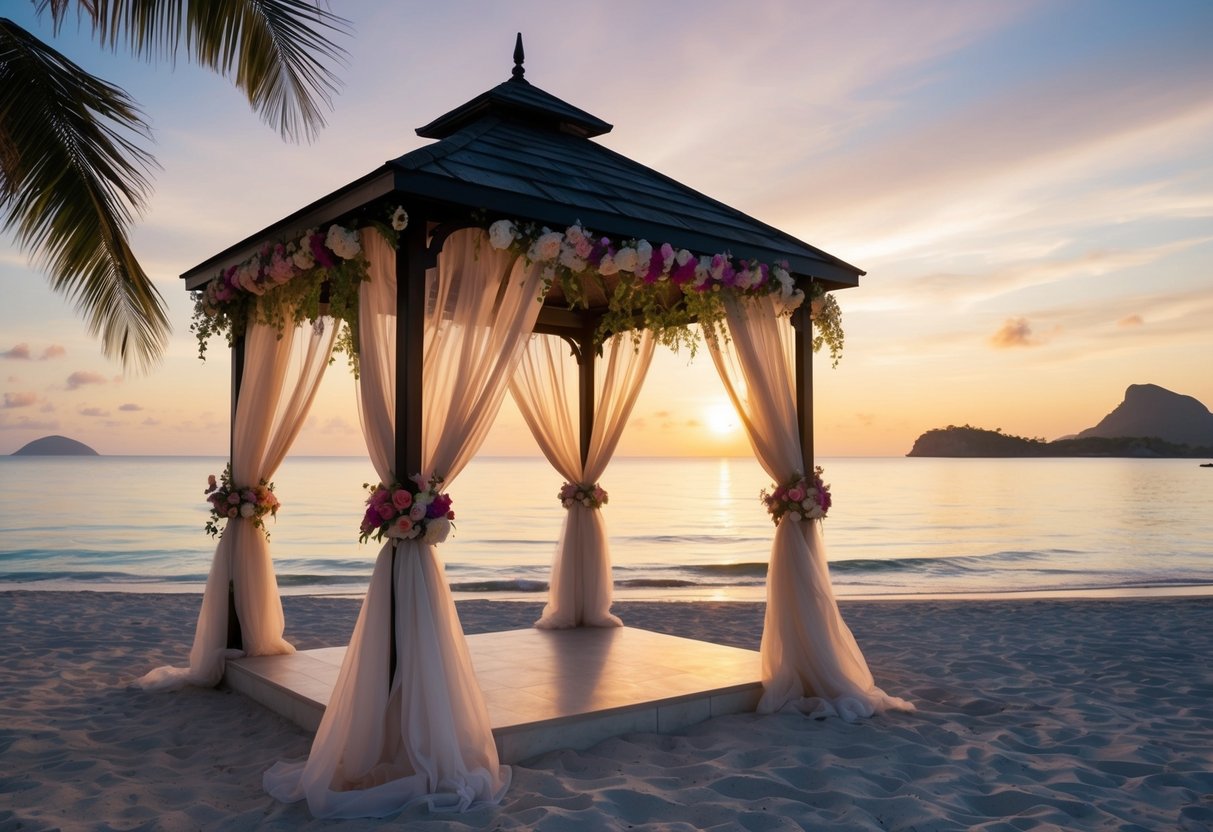
Planning your destination wedding involves several important choices. You’ll need to select the right location, consider hiring a wedding planner, and navigate various logistics. These steps can make your special day as smooth and enjoyable as possible.
Choosing Your Perfect Location
The first step is picking the perfect location that fits your vision. Think about what type of scenery you want—beaches, mountains, or historic cities. Popular destinations include Hawaii, Italy, and Mexico.
Consider your guest list when choosing. Some locations are easier for guests to reach than others. Check for travel restrictions that might affect their plans. You should also look into accommodation options nearby and make sure there are enough places for everyone.
Once you have a few options in mind, visit the locations if you can. This allows you to get a feel for the ambiance and explore different wedding venues.
The Role of a Wedding Planner
A wedding planner can be invaluable for destination weddings. They know the area and can recommend reliable vendors, from florists to photographers.
When you’re far from home, communication is key. Planners can help bridge any language barriers and assist with cultural differences that may impact your big day.
Their experience can save you time and reduce stress. They’ll handle details like permits for your marriage license and any specific venue requirements. With their help, you can focus more on enjoying your journey to the altar.
Navigating Logistics and Legal Requirements
Understanding logistics and legal requirements is essential for a destination wedding. First, you need to find out what documents you’ll need to marry in your chosen location. This often includes obtaining a marriage license.
Make sure you know the rules for your venue. Some places may have specific requirements or restrictions on ceremonies.
Travel arrangements for you and your guests need to be carefully planned. You’ll want to communicate details like flight information and accommodation options early on. This helps your guests prepare and feel welcomed.
Managing these logistics early can prevent last-minute surprises and ensure that you have a memorable day filled with joy.
Budgeting for Your Destination Wedding

Planning a destination wedding requires careful budgeting to ensure you enjoy your special day without financial stress. By evaluating costs and finding ways to save, you can have a beautiful celebration within your means.
Evaluating the Costs
When budgeting for a destination wedding, start by considering all potential expenses. You will likely face costs for the venue, catering, decor, and entertainment. Many resorts offer all-inclusive wedding packages that can simplify pricing.
Don’t forget about travel expenses. This includes plane tickets, accommodations, and transportation for both you and your guests. You must also think about travel insurance, which can provide peace of mind.
Use a detailed budget spreadsheet to track costs. Break down your wedding budget into categories, such as venue, food, and activities. This way, you can get a clearer picture of where your money goes and adjust as needed.
How to Save Money on Your Big Day
There are plenty of ways to save on your destination wedding without sacrificing fun. First, consider booking your wedding during the off-season. Prices are often lower, and you might find better availability.
Using travel points and miles can help reduce airfare costs. If you have credit card rewards, apply those to your guests’ travel costs. This can ease their financial burden while making it easier for them to attend.
Also, think about a smaller guest list. Fewer guests can lead to significant cost savings on both food and venue expenses. Lastly, negotiate with vendors for better rates. Many will work with you to accommodate your budget.
The Pros and Cons of Destination Weddings

Destination weddings offer unique experiences, but they come with their own set of advantages and challenges. Learning about these can help you decide if this is the right choice for your special day.
Benefits of a Smaller, Intimate Celebration
One major benefit of a destination wedding is the potential for a smaller guest list. This allows you to invite only those who are truly important to you. A smaller group can create a more intimate atmosphere, enhancing the experience for everyone involved.
You might find this type of celebration to be less stressful. Fewer guests often mean simpler planning. With a smaller number of attendees, managing details like catering becomes easier.
Additionally, beautiful locations can provide stunning backdrops for your ceremony and photos. This can make your wedding more memorable, both for you and your guests. Guests get to enjoy a travel experience, turning your wedding into a mini vacation for them.
Challenges and Considerations
While destination weddings have many perks, they also come with challenges. Guest attendance can be tricky. Not everyone may be able to travel due to costs or schedules, which can affect your guest count.
You should also think about additional planning required for a wedding away from home. Finding local vendors for catering and decorations can be time-consuming. Depending on the destination, you may have to plan logistics like transportation and accommodations as well.
Costs can be another issue. While some destination weddings can be less expensive, this is not always the case. You may face additional expenses that can make your total wedding costs rise.