
Is Wedding Rehearsal Dinner Necessary? Understanding Its Importance for Your Big Day
As you dive into the wedding planning process, you might wonder about the importance of a wedding rehearsal dinner. While it’s not strictly necessary, many couples find that having a rehearsal dinner adds a special touch to the festivities and helps everyone feel more relaxed before the big day. This tradition has become a cherished part of wedding celebrations, allowing you to gather close family and friends for a memorable evening.
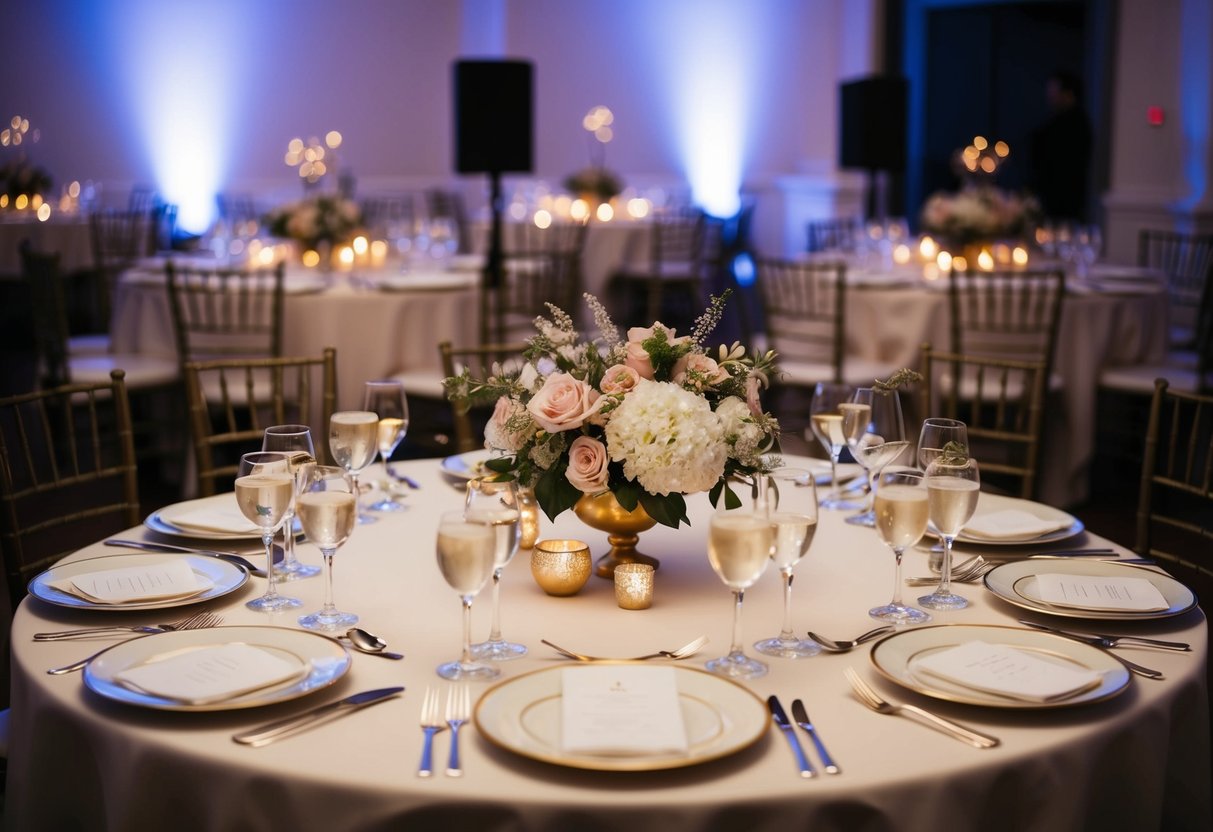
The rehearsal dinner is a chance to not only review the wedding ceremony details but also to celebrate your upcoming union in a more intimate setting. Whether you choose a formal affair or a casual get-together, this event can set the tone for the wedding and bring everyone together.
You’ll have the opportunity to bond with loved ones, share stories, and enjoy delicious food, making it an experience that is just as important as the wedding itself.
If you’re still on the fence about whether to host a rehearsal dinner, consider what feels right for you and your partner. The option to skip it exists, but many find joy in this time-honored tradition that enhances the overall wedding experience.
Understanding Wedding Rehearsals and Their Purpose
Wedding rehearsals play a key role in ensuring everyone knows their place and role during the ceremony. They help to avoid surprises and make the big day smoother for everyone involved, including you, your wedding party, and family members.
Roles and Responsibilities During the Ceremony
During the ceremony rehearsal, each person learns their specific role. The officiant guides the flow, explaining how the processional works. Make sure your wedding party understands where to stand and when to walk down the aisle.
Flower girls and ring bearers also need practice. They will follow the key people in the processional. Practicing helps them feel comfortable and confident. It’s important for everyone to know their responsibilities to avoid confusion.
You’ll want to go through the entire ceremony step-by-step. This will help everyone feel prepared for the big day. Taking the time to rehearse can make a significant difference in how smoothly everything goes.
Timeline of the Wedding Weekend
Typically, a wedding rehearsal takes place one or two days before the ceremony. This timing allows everyone to remember their roles just before the stress of the big day sets in.
After the rehearsal, many couples host a rehearsal dinner. This is a great time for everyone to relax and bond. It is also a chance to share any last-minute details about the ceremony.
Creating a detailed timeline for your wedding weekend is crucial. Include when the rehearsal and dinner will occur, and make sure your wedding party is informed. Knowing the schedule helps keep everyone organized and ready for the celebration.
Planning Your Rehearsal Dinner
Planning your rehearsal dinner involves some important details, like creating the guest list and choosing the right venue. A well-organized event can make your pre-wedding celebration special.
Creating the Rehearsal Dinner Guest List
Your guest list sets the tone for the rehearsal dinner. Start with close family members, the wedding party, and their partners.
Consider including out-of-town guests who have traveled to celebrate with you. This can help them feel appreciated and included in your wedding journey.
When making the list, aim for an intimate setting. A smaller group allows for personal interactions and meaningful conversations.
Be sure to send out your rehearsal dinner invitations well in advance, typically a few weeks before the event. This gives everyone time to plan and RSVP.
Selecting the Right Venue
Choosing the right rehearsal dinner venue is essential for a memorable evening. Think about a place that matches your style and fits the guest list you created.
You might prefer a cozy restaurant, a backyard, or a private room. Each option can help create an intimate atmosphere that encourages connection.
Consider amenities like parking and accessibility, especially for out-of-town guests.
Finally, don’t forget to check if the venue can accommodate your desired menu. An inviting menu will enhance the overall dining experience.
The Significance of Wedding Rehearsal Dinners
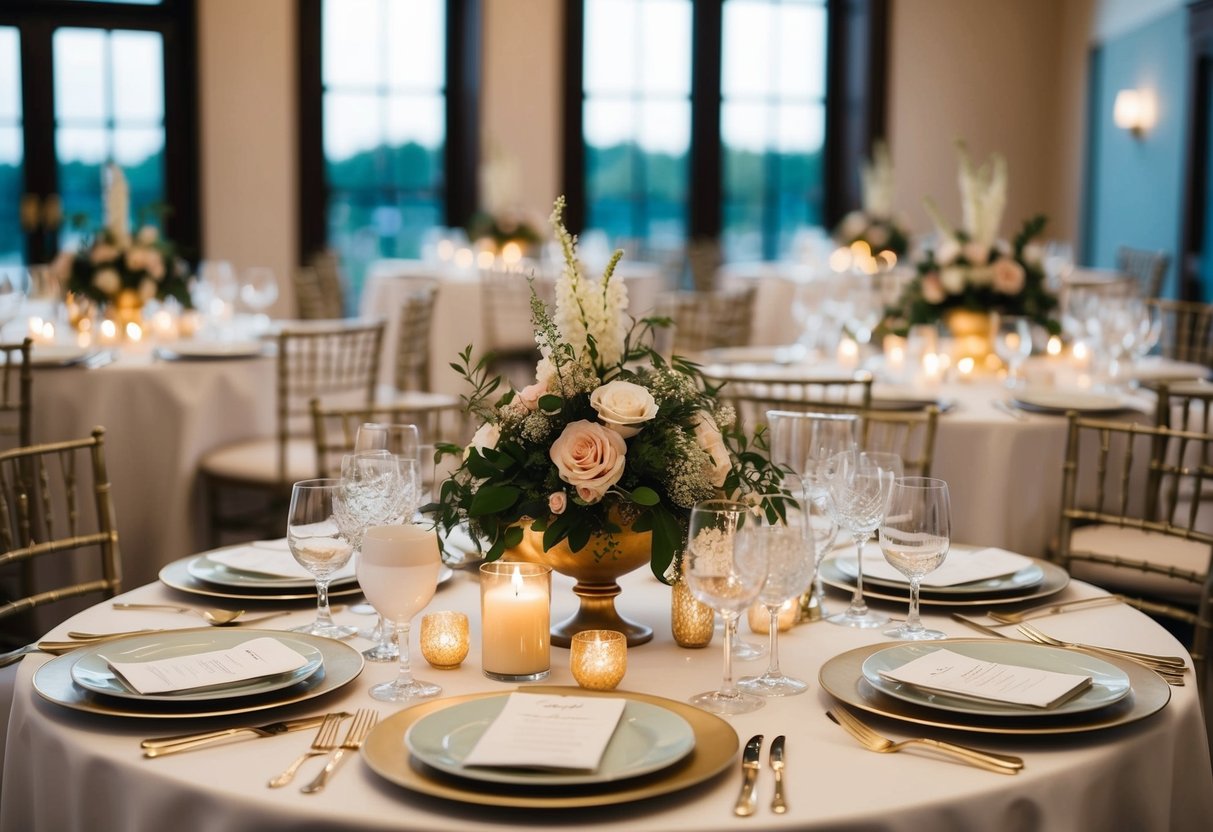
Wedding rehearsal dinners play an important role in bringing together family and friends before your big day. They offer a chance to bond, share experiences, and set the tone for the celebration ahead.
Cultural and Social Dynamics
Rehearsal dinners are rich in tradition and often vary by culture. They provide an opportunity for loved ones to connect, especially if they haven’t met before. This gathering helps to unite families and friends, encouraging a sense of community.
During the dinner, you can enjoy a meal together and engage in fun activities. This relaxed atmosphere helps ease any pre-wedding jitters, making everyone feel more comfortable. Additionally, many couples use this time to honor family traditions and cultivate new ones that are uniquely theirs.
Opportunities for Personal Speeches and Toasts
One of the highlights of the rehearsal dinner is the chance for personal speeches and toasts. This event allows close friends and family to share heartfelt stories, express their support, and wish you well.
It’s a beautiful way to celebrate the relationships that have shaped your life. You might find yourself laughing, crying, or simply enjoying the warmth of shared memories. Encouraging these sentiments can create lasting bonds among your guests, setting a joyous tone for the wedding celebration ahead.
Budgeting and Who Pays
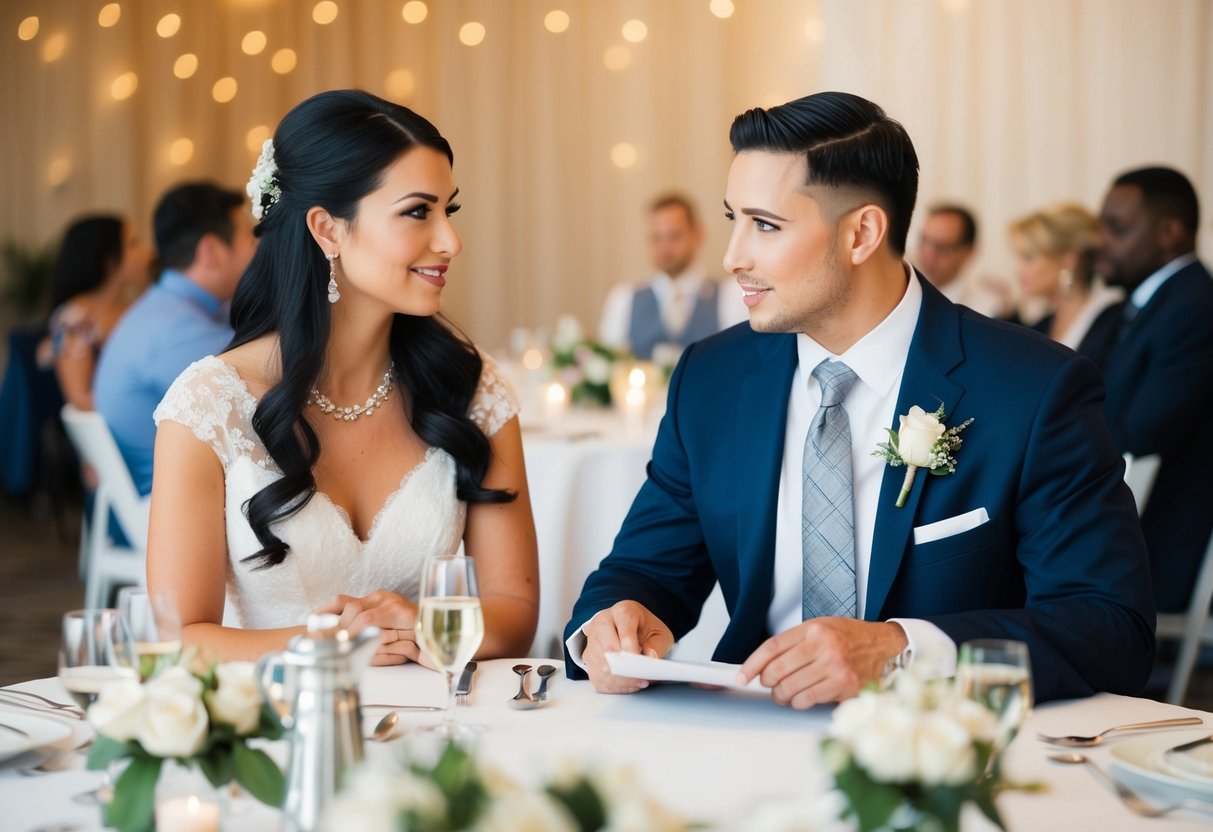
When planning your rehearsal dinner, understanding the costs involved and who typically pays can make things smoother. It’s essential to fit this event into your overall wedding budget while being mindful of both traditions and new trends.
Cost Considerations for Rehearsal Dinners
The cost of a rehearsal dinner can vary widely based on several factors. You might spend anywhere from $500 to $4,000, depending on your choices. Here are some key elements to consider:
- Guest Count: A larger group means higher costs.
- Venue: Restaurant or home setting? Restaurants usually charge more.
- Menu Choices: Formal sit-down meals tend to be pricier than casual buffets or potlucks.
- Extras: Decorations, drinks, and entertainment can add to costs.
Make sure to include this in your wedding budget. Having a clear idea of your spending limits will help you choose the right options.
Traditions and Modern Approaches to Expenses
Traditionally, the groom’s parents cover the rehearsal dinner costs. This custom may still be seen in some families. However, many couples today choose a more flexible approach.
Here are some options:
- Split Costs: Both sets of parents or the couple might share the expenses.
- Host Your Own: Many couples now pay for their rehearsal dinner.
- Desires Count: Discuss with family members what works best for everyone.
Whatever method you choose, communication is key. Talk about the budget and expectations upfront to avoid confusion later.