
Lakeside Wedding Venues Dayton: Scenic Picks and Planning Tips
If you’re searching for lakeside wedding venues in Dayton, Wolf Creek Retreat offers a private lakefront estate near the city, with space for ceremonies and celebrations for up to 200 guests. You can exchange vows by the water, choose a woodland ceremony spot, and host your reception on the same property.
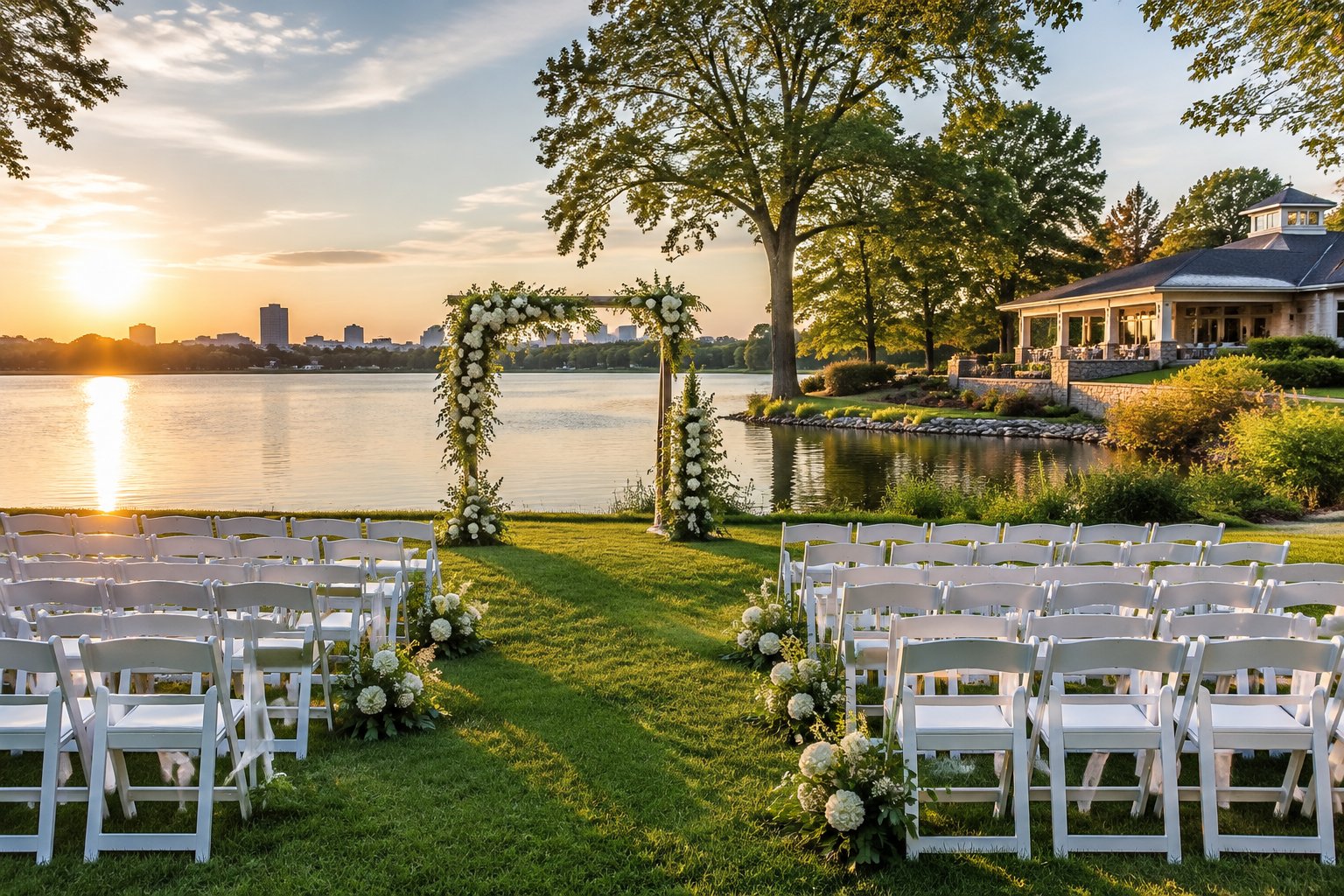
Your venue choice shapes the feel of the day, from the ceremony view to how easily guests move between events. As you gather lake wedding ideas, consider what you want the water to add: a peaceful backdrop, a place for portraits, or a setting for the full celebration. If Wolf Creek Retreat fits your plans, reach out to schedule a tour and see its lakefront spaces in person.
Which Dayton-Area Venues Offer a Lakeside Setting?
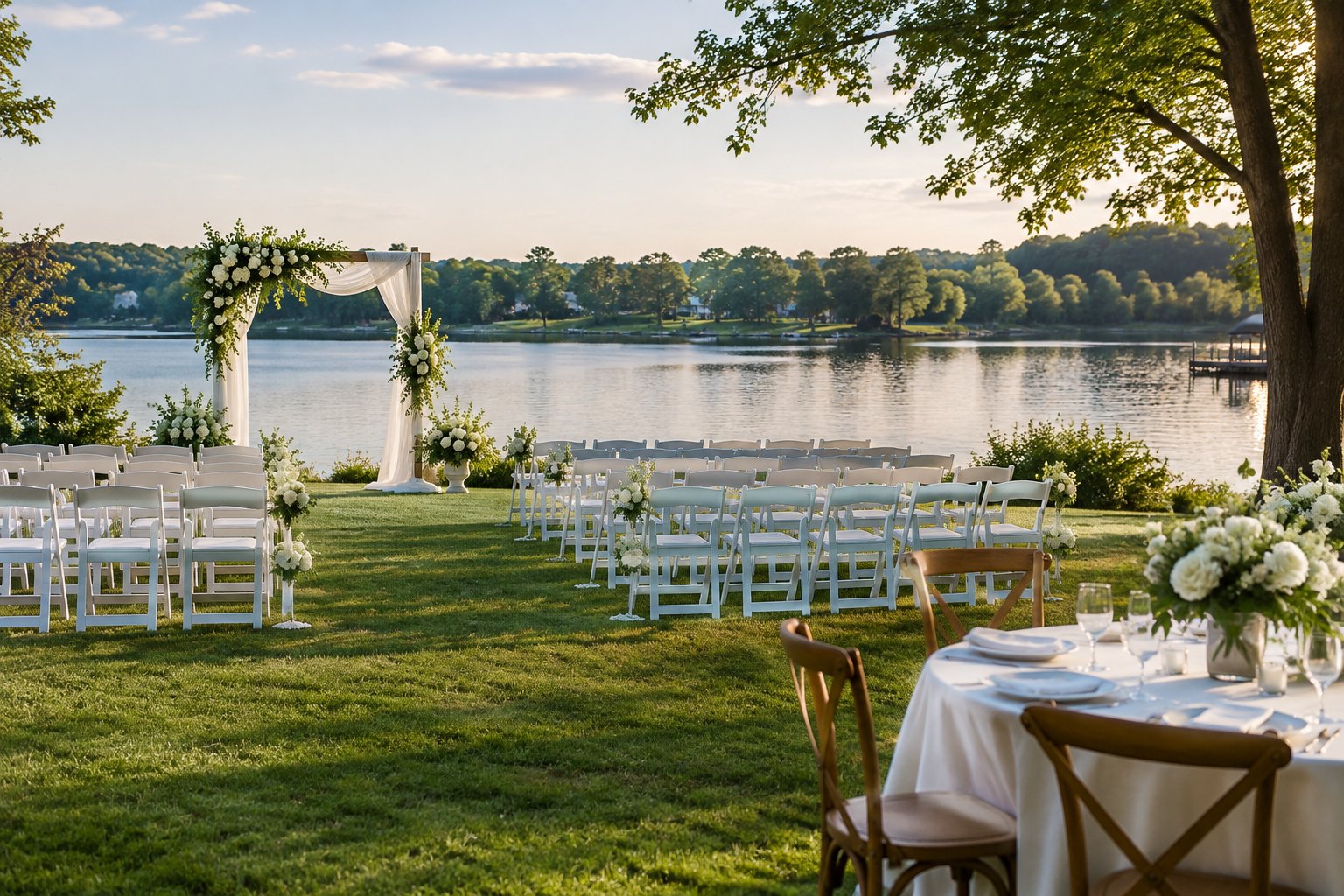
Wolf Creek Retreat offers a private lakefront estate, while Canopy Creek Farm pairs water views with countryside grounds and Dayton Outdoor Weddings features riverfront settings. Each gives you a different way to bring nature into your wedding day, from a dedicated waterfront ceremony to a country venue or a wooded riverbank.
Wolf Creek Retreat’s Private Lakefront
Wolf Creek Retreat in Brookville has 26 acres of private lakefront property beside a 4,000-acre state park. You can choose a waterfront or woodland ceremony site, then host your reception on the estate.
The venue lists seating for up to 200 guests, a historic bridal suite and groom’s room, tables, lighting, and chairs among its included features. Packages include different options, so ask which services fit your guest count and schedule.
Canopy Creek Farm’s Pond and Countryside
Canopy Creek Farm gives you a country setting with 24 acres of grounds, lakeside and garden terraces, and climate-controlled indoor and outdoor spaces. Its exclusive-use approach lets you plan your celebration around the property, and you can choose your own vendors.
If you want a rural feel with an indoor space available for the reception, ask how ceremony locations connect to the barn and other event areas.
Dayton Outdoor Weddings’ Riverfront Options
Dayton Outdoor Weddings offers riverfront scenery along the Great Miami River, including a wooded ceremony site overlooking the water. The Riverside location also has an indoor ballroom with a stated comfortable capacity of 170, plus a patio and outdoor areas for gathering.
A river view gives you a waterfront atmosphere, while the ballroom provides a reception setting under one roof.
Which MetroParks Make a Scenic Outdoor Wedding Ceremony Possible?
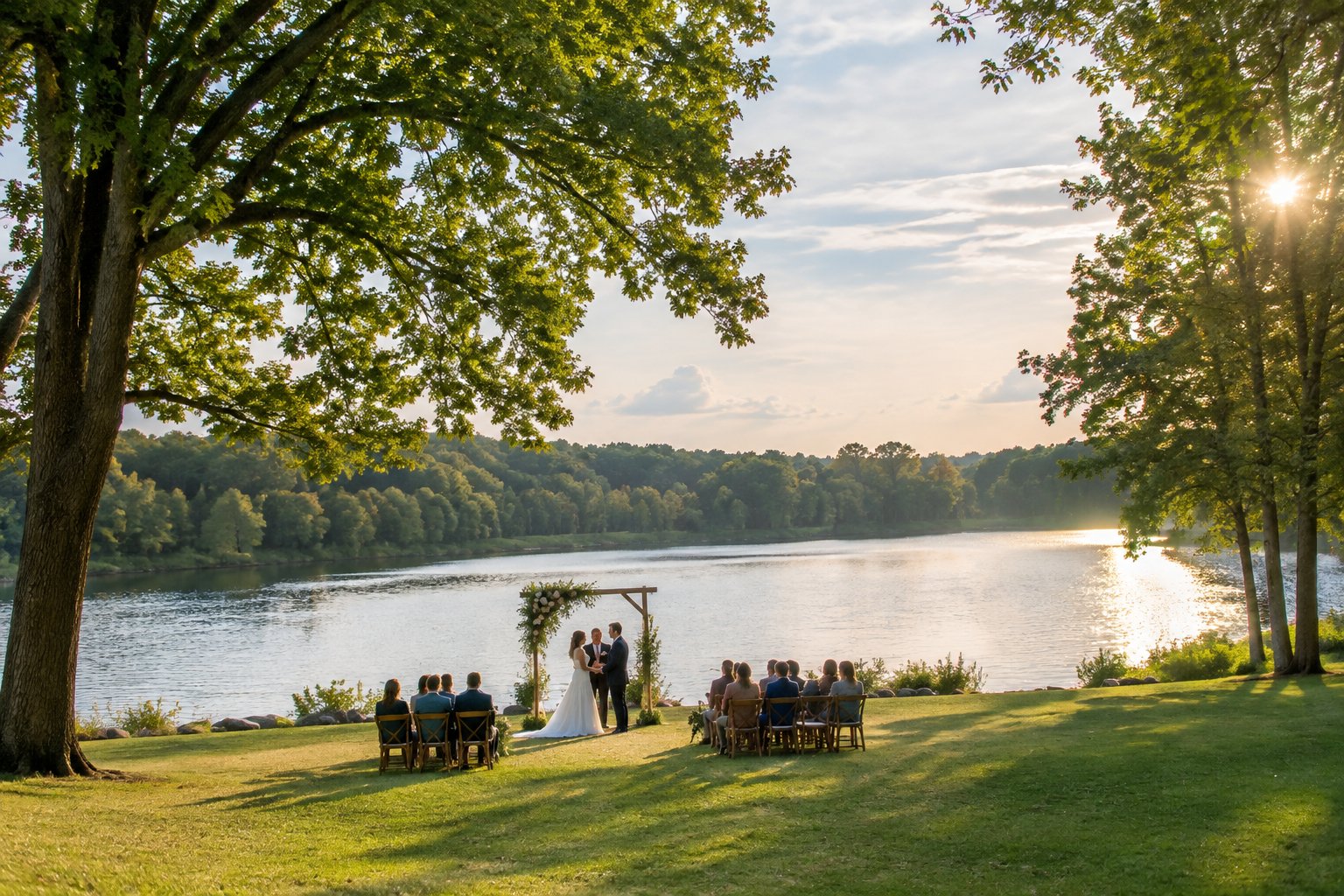
Five Rivers MetroParks offers gardens, ponds, lake views, and reservable shelters for ceremonies and receptions. Your best fit depends on guest count and the kind of setting you want, since shelter capacities range from small gatherings to larger events.
Cox Arboretum’s Gardens and Ponds
Cox Arboretum MetroPark offers garden grounds for outdoor ceremonies and receptions, with outdoor rental capacity listed at 200. Indoor rental space is listed for 25 to 150 guests.
Facility rentals are available through membership in the Cox Arboretum Foundation at the $100 Lilac level, with rental details handled through the park system. Ask about the exact ceremony location, access to indoor space, and the setup permitted for your event.
Cedar Lake Shelter at Carriage Hill MetroPark
Cedar Lake Shelter at Carriage Hill MetroPark is a fit for a smaller gathering, with capacity for 30. The shelter looks across Cedar Lake and sits near a fishing dock, giving you a clear water view for the ceremony or photos.
If your guest list is larger, check whether another arrangement can accommodate everyone before you reserve.
Thompson Shelter at Englewood MetroPark
Thompson Shelter at Englewood MetroPark has capacity for 50 and views of pond or prairie. The north park location offers privacy and ample parking, making it worth considering for a modest ceremony and reception.
MetroParks shelter reservations are available at least four days ahead and up to one year in advance; a permit provides exclusive use of the shelter. For a smaller guest list, use these tips for choosing the perfect venue for a small wedding to compare capacity with the experience you want.
How Do Private Venues, Parks, and Banquet Halls Compare?
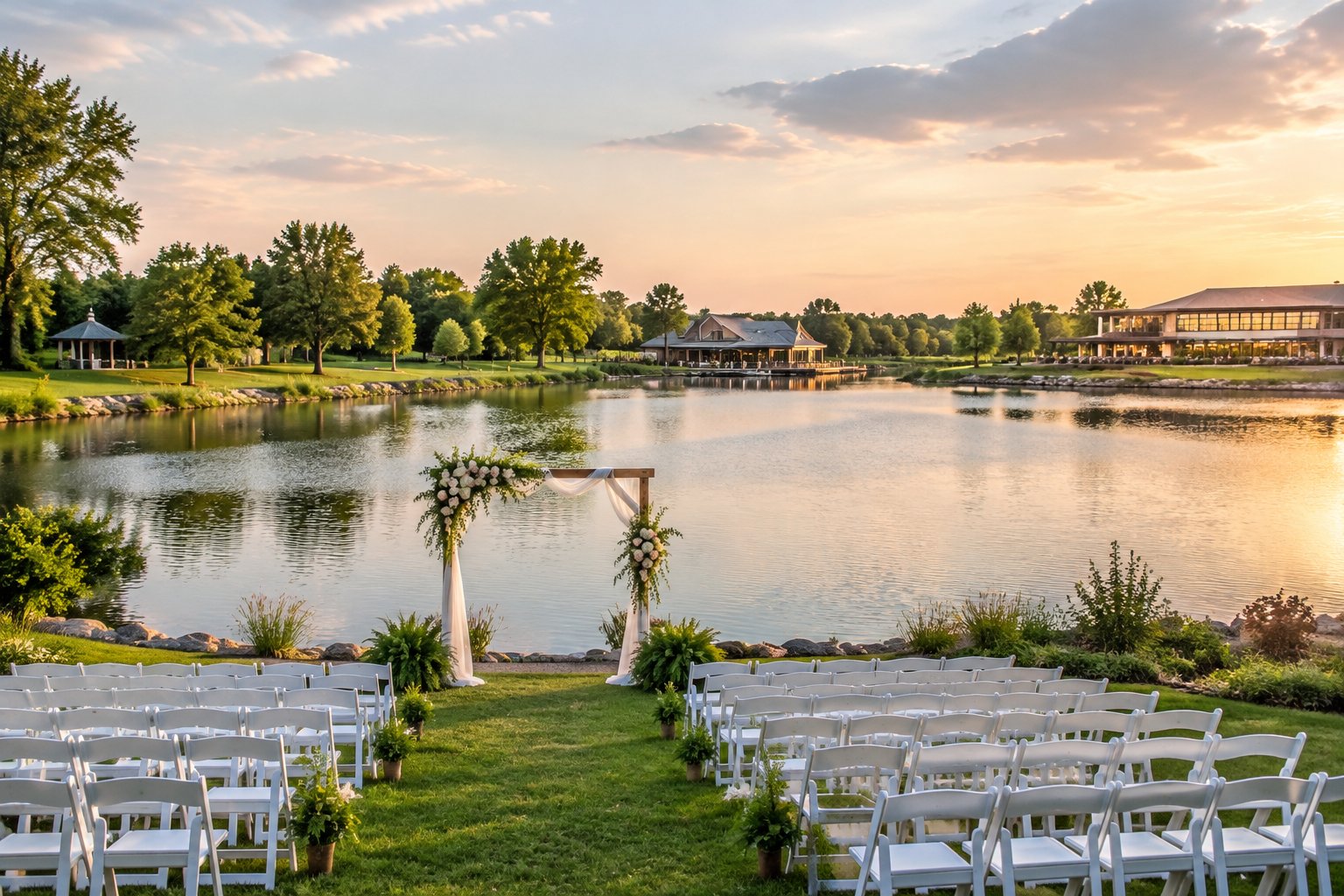
Private venues, public parks, and banquet halls offer different levels of privacy, built-in amenities, and planning flexibility. Compare the setting and the practical details together so you know what your rental covers and what you’ll need to arrange.
Privacy and Exclusive Use
A private estate or farm may reserve its grounds for your event, giving you a more controlled setting for the ceremony and reception. At a MetroPark shelter, a permit gives you exclusive use of the shelter, while nearby park areas remain public.
Ask banquet halls how event spaces are assigned and whether other gatherings will take place on-site during your celebration.
Reception Space and Guest Comfort
Private venues may combine outdoor ceremony areas with indoor reception rooms, as Canopy Creek Farm and Dayton Outdoor Weddings do. Parks provide scenic shelter settings, with capacities set for each reservable location.
Banquet halls are designed around indoor events, which helps when you want dining and dancing in a climate-controlled space. Compare wedding reception venue costs as you review rental fees, setup needs, and included furnishings.
| Feature | Private venues | MetroParks | Banquet halls |
|---|---|---|---|
| Setting | Estate, farm, or waterfront | Public park grounds | Indoor event space |
| Exclusive use | Ask about property access | Shelter with permit | Ask about room assignment |
| Indoor reception | Depends on venue | Depends on location | Yes |
| Permit needs | Venue contract | Shelter or special-use permit | Venue contract |
Permits, Amenities, and Vendor Flexibility
Check the rules before you book. MetroParks requires a special-use permit for requests such as amplified sound, cooking equipment, or a tent larger than 10 by 10 feet; applications must be submitted at least 60 days ahead.
Some parks also require a separate permit for professional photography. Private venues and banquet halls set their own vendor and décor policies, so review the contract for catering, alcohol, sound, setup, and cleanup requirements. If budget is a key factor, compare what most wedding venues cost with the full list of services you’ll need.
What Should You Check Before Booking a Lakeside Venue?
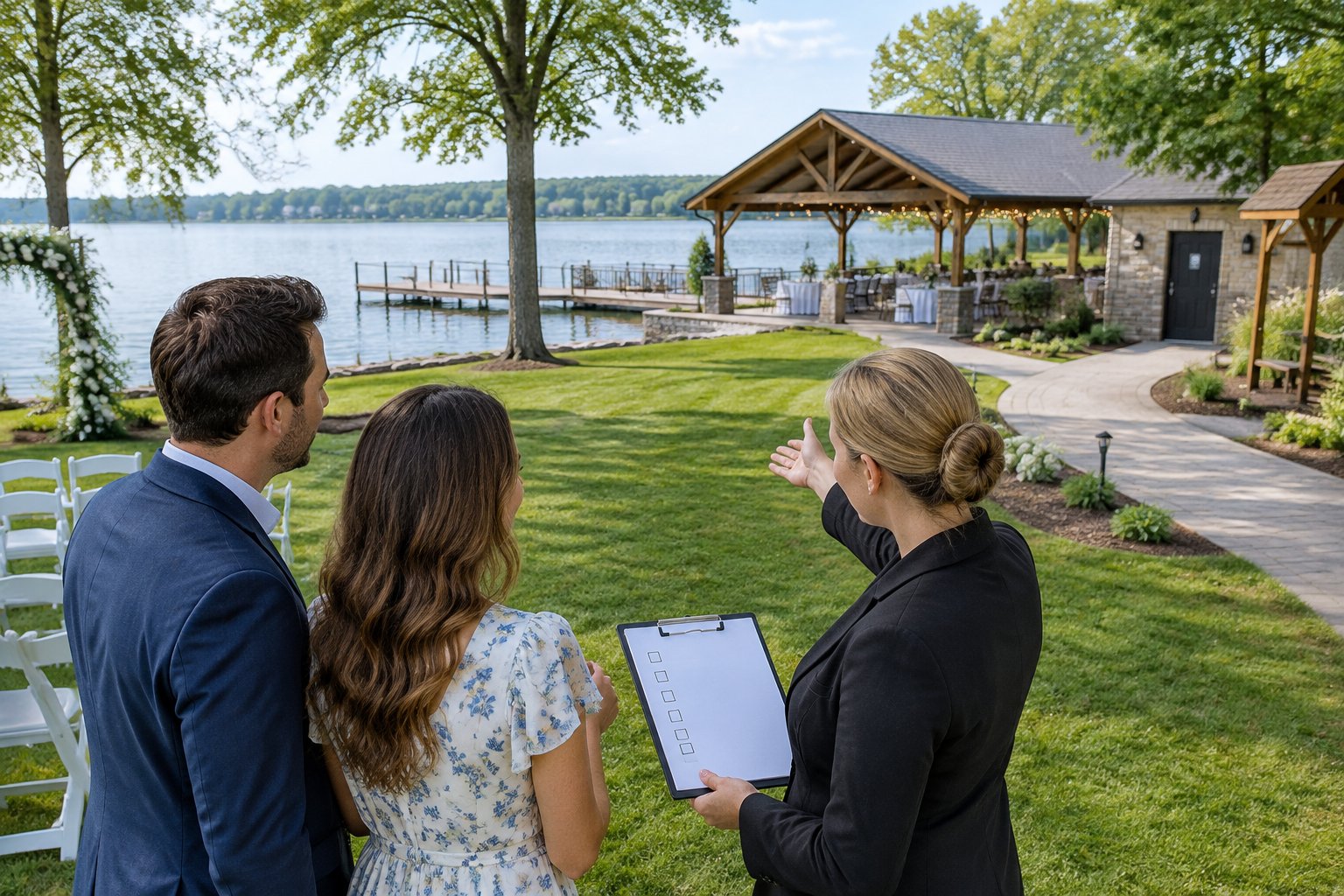
Before you sign, confirm the venue’s usable capacity, weather plan, guest access, parking, and restrooms. A lakeside tour should include the full guest route, from arrival and ceremony seating to the reception and facilities.
Ceremony and Reception Capacity
Ask how many guests fit in each layout, not only the venue’s maximum number. Ceremony seating, dinner tables, a dance floor, and service areas all use space.
Confirm whether the ceremony and reception happen in separate areas, how far guests will walk between them, and whether the rental includes chairs and tables. A venue’s listed capacity may apply to one setup, so request a floor plan for your expected attendance.
Rain Plans, Shade, and Seasonal Conditions
Get the rain plan in writing, including where the ceremony moves and how quickly the venue can reset the space. Ask about shade during your ceremony hour, wind exposure near the water, and lighting after sunset.
For warm-weather dates, plan for drinking water and a comfortable waiting area. For cooler seasons, confirm whether indoor spaces are heated and available for your full event.
Access, Parking, and On-Site Facilities
Walk the route from the parking area to the ceremony site, reception, and restrooms. Check for slopes, gravel, steps, or uneven lawns that could affect guests in formal shoes or those who need an accessible path.
Ask about parking capacity, vendor unloading, restroom locations, and lighting along paths after dark. You can also use a wedding location checklist to keep these questions organized during tours.
How Can You Plan a Smooth Waterfront Wedding Day?
Time the Ceremony for Light and Weather
Visit the ceremony site at the time you expect to say your vows. Notice where the sun falls, how much shade the seating has, and whether wind reaches the shoreline.
Set a start time that gives guests a comfortable arrival window and leaves enough light for portraits. Build a backup plan into the schedule so your coordinator and vendors know when to shift indoors.
Coordinate Décor and Local Vendors
Choose décor that suits the outdoor setting and can stay secure in a breeze. Confirm who supplies chairs, an arbor, lighting, and sound equipment, then share the setup plan with your florist, caterer, and photographer.
If you’re planning an outdoor wedding ceremony with Dayton Outdoor Weddings, ask about sound placement for vows and the route vendors use to reach the riverfront site. A written timeline with arrival and setup times helps each vendor work from the same plan.
Prepare Guests for Outdoor Conditions
Tell guests what to expect, including whether the walk crosses grass or gravel and whether they’ll spend time in direct sun. Share parking details and directions before the wedding, and arrange seating or shade for guests who need it.
If family or vendors are coordinating from another city, these wedding planning tips for a distance can help you keep decisions and timelines in one place.