
Lakeside Wedding Venues That Allow Flexible Plans
Lakeside wedding venues that allow flexible plans give you room to choose vendors, shape the décor, and arrange the celebration around the spaces and timing that suit you. The key is confirming which choices the venue leaves to you and which rules come with the shoreline.
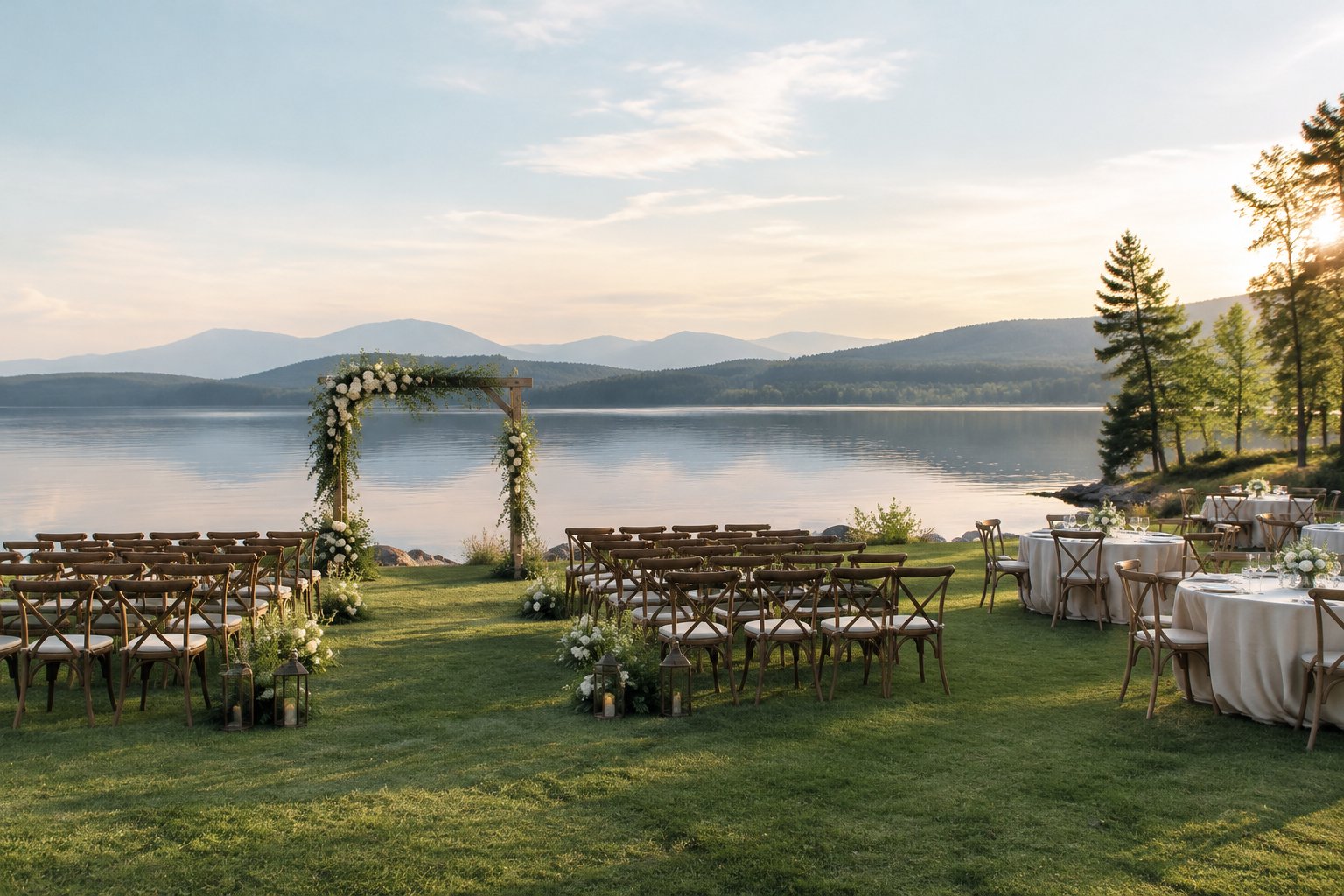
A flexible waterfront wedding can feel personal and relaxed, with the lake as a natural backdrop. Start a shortlist by writing down the choices you want to make yourself, then ask each venue to confirm its policies in writing.
What Can a Lakeside Wedding Venue Allow?
A lakeside wedding venue may offer flexibility in vendor selection, décor, room layout, and event timing, with the exact options set by its contract and site rules. Ask how each choice affects setup, staffing, and access to the waterfront.
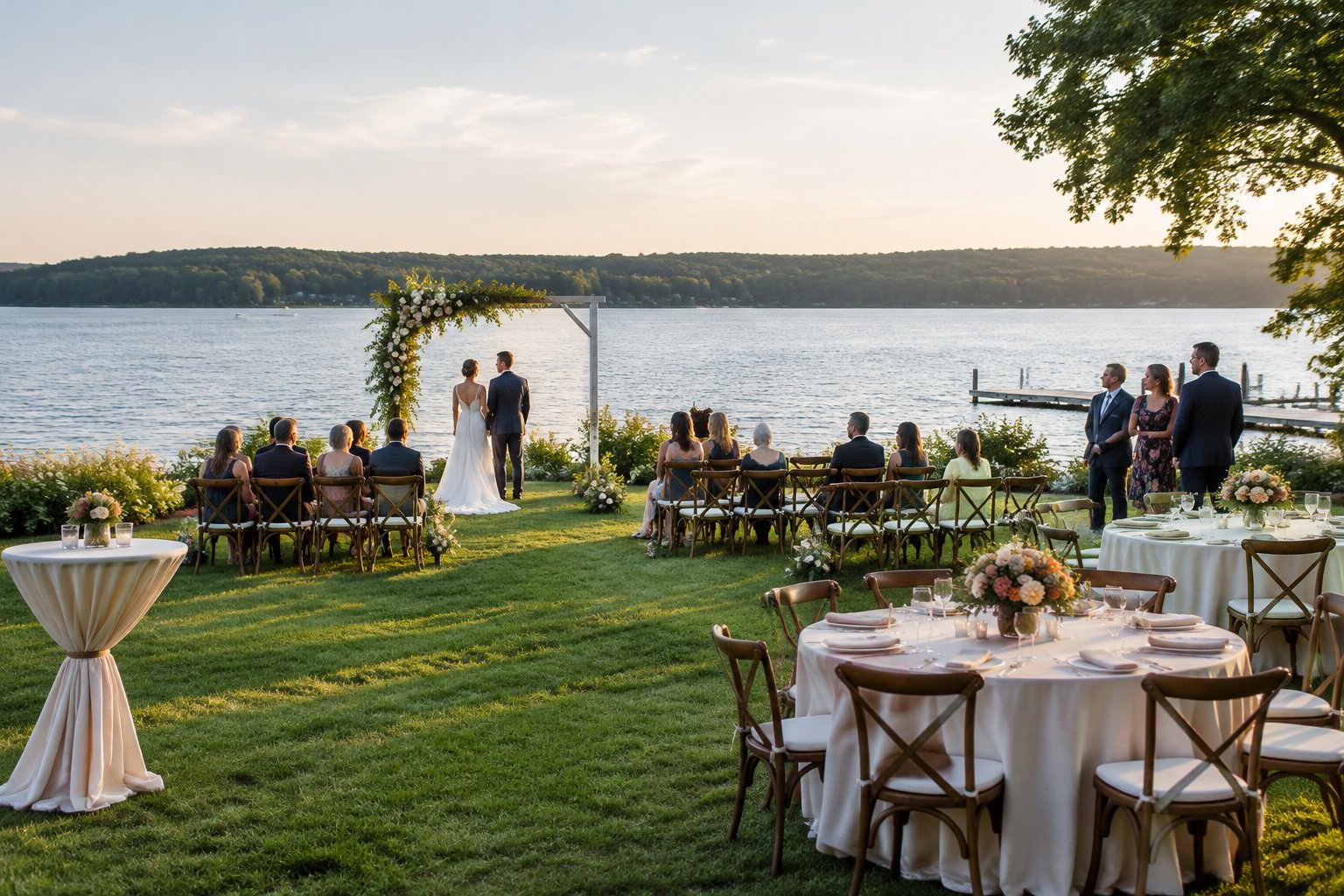
Can You Choose Your Own Vendors and Decor?
Ask whether you can hire your own caterer, florist, planner, and entertainment team. Some venues use a preferred vendor list, while others require specific providers for certain services. Confirm any fees, insurance documents, or delivery rules that apply to outside vendors.
Decor policies shape your options, too. Check whether you can bring an arch, candles, signs, or hanging pieces, and ask which setup methods are allowed near the water and on venue structures. Wind and damp ground can affect displays, so choose secure pieces and confirm who handles setup and removal.
Are Ceremony and Reception Spaces Flexible?
Ask which spaces are included and how you can use them. Some properties have separate ceremony and reception areas; others offer a flexible indoor room, patio, lawn, or tent site.
Confirm whether you can choose your layout, move the ceremony location, or use the shoreline for portraits. Get the site plan and guest capacity for each setup. A lawn may fit ceremony seating comfortably but feel tight once you add a dining area, dance floor, and service stations.
Can You Host Events Across a Wedding Weekend?
Some venues offer event space or lodging that supports a full wedding weekend. Ask which dates and spaces you can reserve, what hours apply, and whether welcome gatherings or a farewell brunch need separate bookings. If guests will stay nearby, compare lakeside wedding venues with lodging and confirm which accommodations are part of the venue package.
Which Lakeside Settings Fit Your Wedding?
Your setting shapes the balance between hands-on planning and built-in support. As you compare lakeside wedding venues, look at shoreline access, event spaces, guest services, and the rules attached to the property.
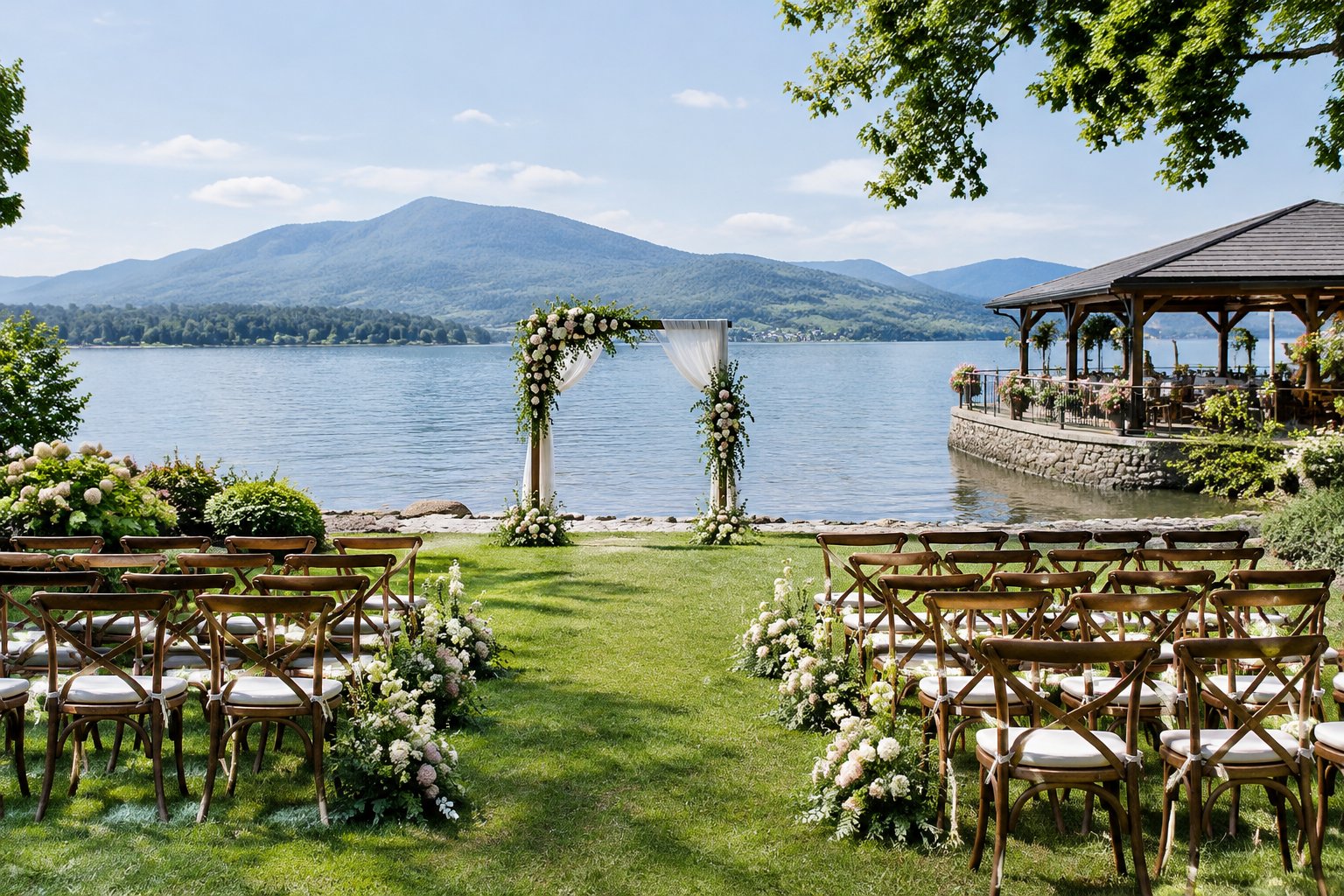
What Are the Benefits of a Full-Service Venue?
A full-service venue can group key services such as catering, event coordination, furniture, or lodging under one planning team. Ask for a written list of what the fee includes, what costs extra, and which vendors you must book through the venue.
This option suits you if you want help coordinating several moving parts. If you have favorite vendors or a specific design in mind, check the venue’s outside-vendor and décor policies before you pay a deposit.
Can a Public Shoreline or Private Property Work?
A public shoreline gives you a scenic setting with rules set by the agency or property manager. You’ll need to confirm permits, guest limits, sound rules, and whether the space can be reserved.
Public areas also remain open to other visitors, so privacy and control over the event footprint can be limited. Private property can offer clearer access to the shoreline and more control over the event setup.
Review the land boundaries and the contract details carefully. If you’re exploring a wedding without a traditional venue, confirm who owns the site and who has authority to approve the event.
Which Venues Offer a Distinctive Lakeside Experience?
Look for a setting that fits the mood you want, from a secluded estate to a polished resort or a relaxed waterfront property. Cedar Lakes Estate, Vintage Villas, and The Inns of Aurora are names you can add to your research list. In Austin, Texas, you can also compare properties around the area’s lakes.
For each option, ask what makes the waterfront experience distinctive in practical terms: your ceremony location, reception choices, guest access, and privacy. Verify the current event policies directly with the venue before deciding.
What Rules and Permissions Should You Check?
For a lakeside wedding, confirm permission for the exact location, guest count, equipment, and activities you plan. Public-land rules come from the managing agency, while private-property rules belong in your venue agreement.

Do You Need a Permit for a Public Waterfront?
Ask the land manager whether your ceremony or reception requires a permit. Requirements can change based on the size of your group, reserved space, chairs, tents, amplified sound, or paid vendors. Check application deadlines and any limits on setup and cleanup time.
Keep the permit details with your event documents, and share them with your planner and vendors. If the shoreline is on private land, ask the venue to confirm in writing that your planned event use is approved.
What Restrictions Apply to Noise, Alcohol, and Decorations?
Ask about music volume, quiet hours, alcohol service, open flames, and cleanup. Confirm whether the venue requires a licensed or insured bar provider and whether you can bring your own beverages. Get décor instructions for attaching items to trees, docks, railings, or other structures.
Rules can also cover parking, boat access, trash, and delivery vehicles. Request a complete event policy so you can pass the right instructions to guests and vendors.
How Do You Confirm Access to Private Shoreline?
Ask the venue to show you the shoreline included in your rental and identify any nearby areas that are off-limits. Confirm the hours you can use it, how guests reach the water, and whether other events share the property.
Put access, setup boundaries, and any privacy terms in your contract.
How Do You Compare Costs and Included Services?
Compare itemized estimates that cover the same guest count, event hours, and spaces. A clear breakdown helps you see how venue fees, catering, lodging, and rentals affect your total.
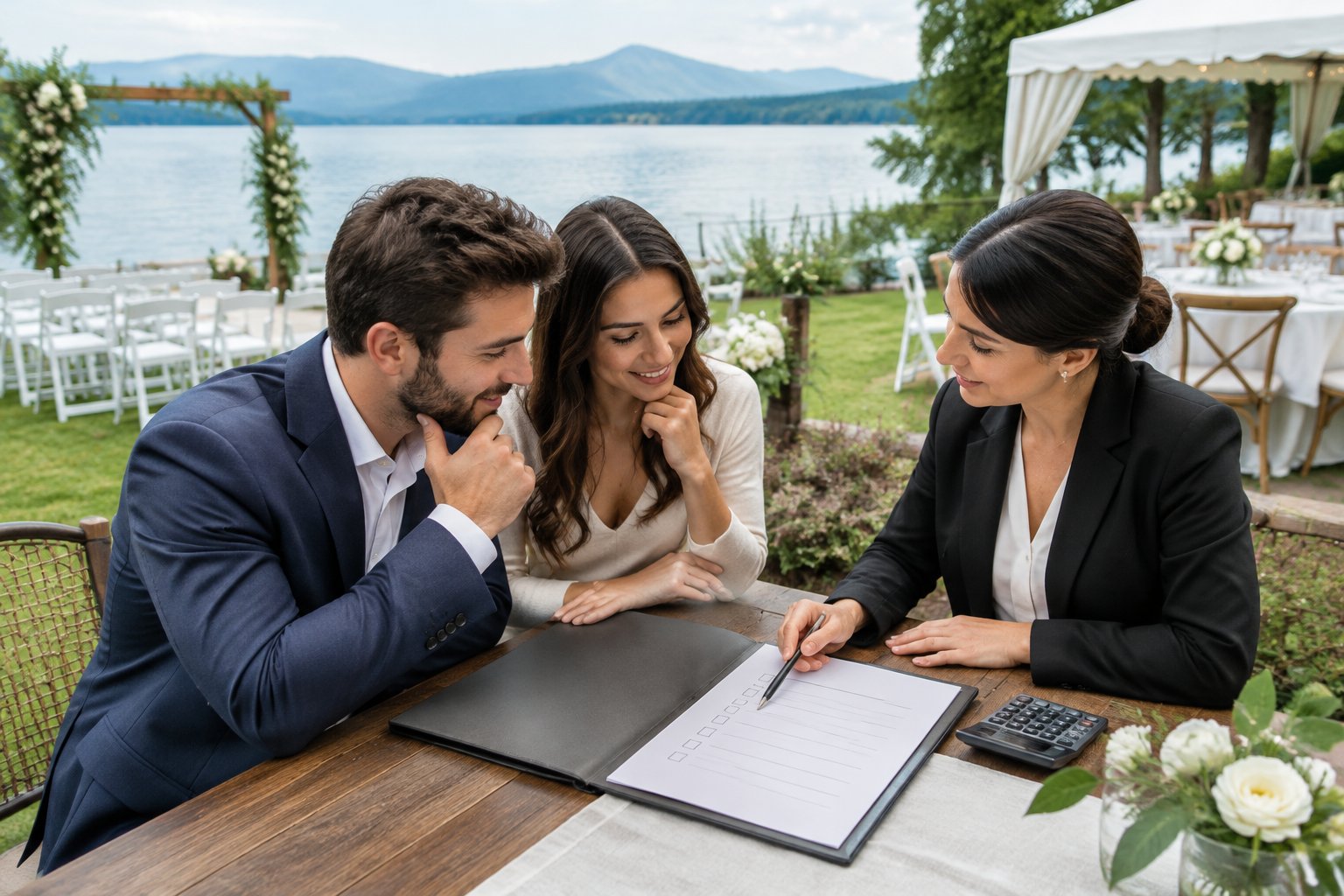
What Is Included in the Venue Fee?
Ask whether your fee covers ceremony and reception spaces, tables, chairs, setup, cleanup, coordination, parking, and restrooms. Check which services have extra charges, such as extended access, a rehearsal, or a ceremony-site change.
Use the same checklist for each quote. A venue that includes furnishings and staffing will be harder to compare with a site rental that leaves those items for you to arrange.
How Do Lodging and Catering Affect the Budget?
Lodging can make travel easier for guests, while catering costs depend on your menu, service style, and guest count. Ask whether the venue requires an in-house caterer or permits outside providers, then compare estimates with matching meal and bar details. For a lower food-service quote, learn how to negotiate catering prices before you finalize the menu.
Which Extra Costs Should You Plan For?
Add estimates for rentals, tenting, lighting, sound equipment, transportation, and vendor travel. Ask whether taxes, service charges, staffing, and cleanup fees appear in the quote. If you’re considering a weekend celebration, list lodging and each event separately so you can see the full cost.
How Can You Plan for Weather and Guest Comfort?
Plan a clear backup location and a comfortable route between the ceremony, reception, restrooms, and parking. Ask the venue how the event changes when rain, heat, wind, or cool evening temperatures affect the shoreline.
What Indoor or Tent Backup Options Are Available?
Ask to see the backup space and confirm its seated capacity, setup time, and included equipment. If you’re considering a tent, check who provides it, whether the site allows stakes, and how lighting and power will work.
Agree on who makes the weather call and when guests and vendors will be notified. A written plan should include a safe indoor option for lightning and a schedule for moving chairs, décor, and sound equipment.
For rain-day details, these rainy wedding ideas can help you plan guest-friendly touches.
Is the Shoreline Accessible for Every Guest?
Walk the route from parking to the ceremony and reception spaces. Check for slopes, steps, uneven ground, and paths that become muddy after rain. Ask about accessible parking, seating, restrooms, and an alternate route for guests who need one.
Tell the venue about mobility needs early so staff can explain which areas are practical for your guest list. If guests must cross grass or gravel, plan clear signs and seating near the ceremony entrance.
What Should You Check During a Site Visit?
Visit the venue at a time close to your planned ceremony hour. Look at the sun and shade, listen for nearby road or boat noise, and check how far guests will walk between event spaces.
Ask where vendors can load in and where power and restrooms are located. Bring your guest count and a draft layout, then walk the route with the coordinator.
A few outdoor wedding tips can help you prepare questions about shade, wind, seating, and weather plans before you book.