
Lakeside Wedding Venues: Find Your Ideal Setting
Lakeside wedding venues give you a scenic setting where the water, shoreline, and open sky shape the feel of your celebration. You can choose a quiet ceremony lawn, an elegant resort, or a rustic retreat, then plan the day around the views and your guests’ comfort.
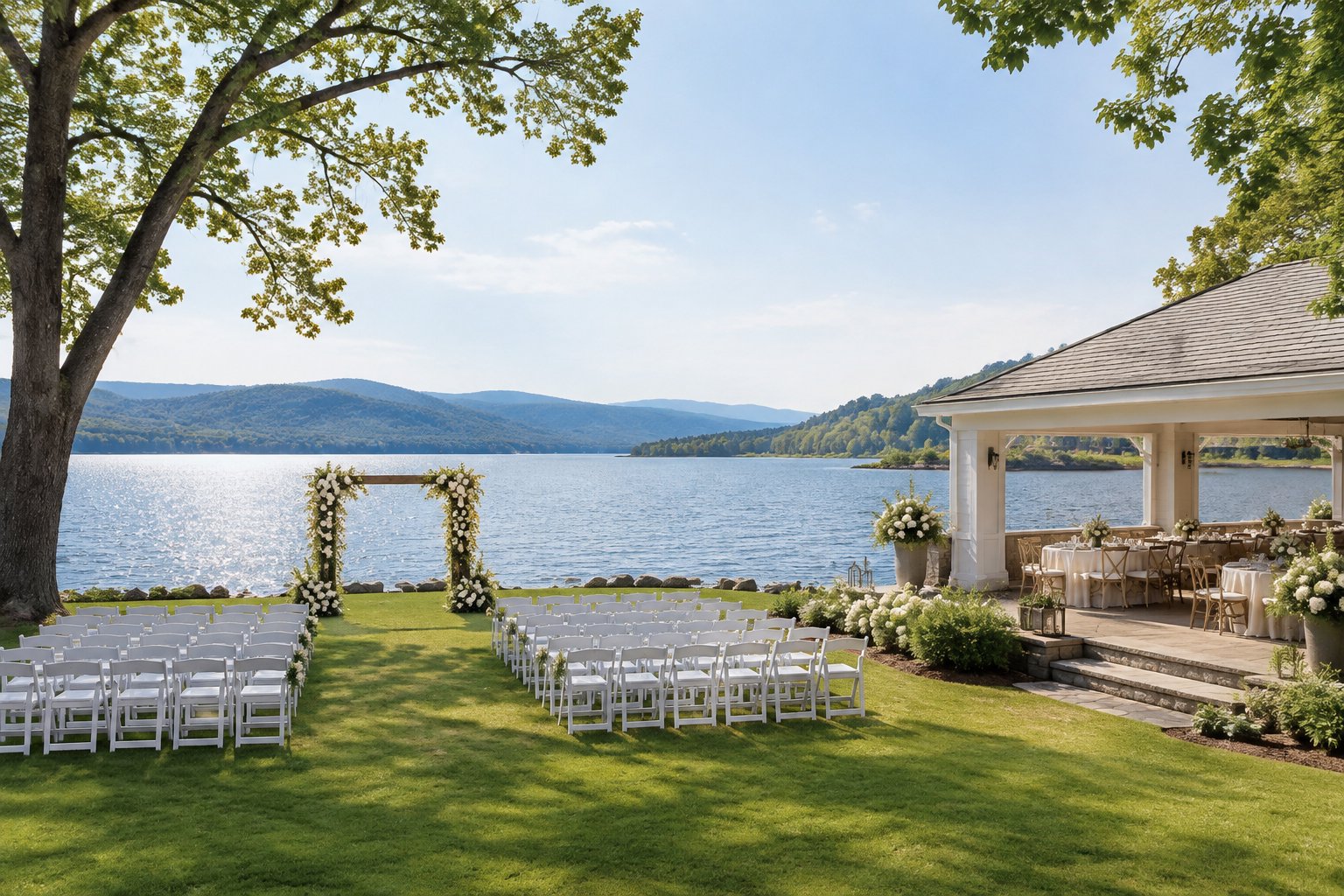
As you compare locations, picture the full guest experience, from arrival and the ceremony to dinner and the ride home. Start a shortlist based on your guest count, preferred season, and travel needs, then arrange tours at the places that fit. These tips for choosing a wedding location can help you focus your search.
What Makes a Waterfront Celebration Special?
A lakeside wedding venue makes the landscape part of your celebration, giving you a natural backdrop and a relaxed setting for guests to enjoy. The water adds a sense of openness to the ceremony and reception, while the venue’s layout determines how easily everyone moves between the two.
Ceremony Views and Natural Backdrops
A shoreline ceremony gives you a clear focal point, with the lake and surrounding landscape framing your vows. Walk the ceremony area during your venue tour to check the view from the guest seats, the aisle, and the spot where you’ll stand. Consider the sun’s direction at your planned ceremony time, too, so guests can see comfortably and your photos capture the light you want.
Let the scenery guide your décor. A simple arch, low floral arrangements, or greenery can frame the view without blocking it. If the shoreline is windy, choose sturdy pieces and ask the venue how it secures ceremony décor. For more ways to shape the setting, explore these lake wedding ideas.
Reception Spaces With a View
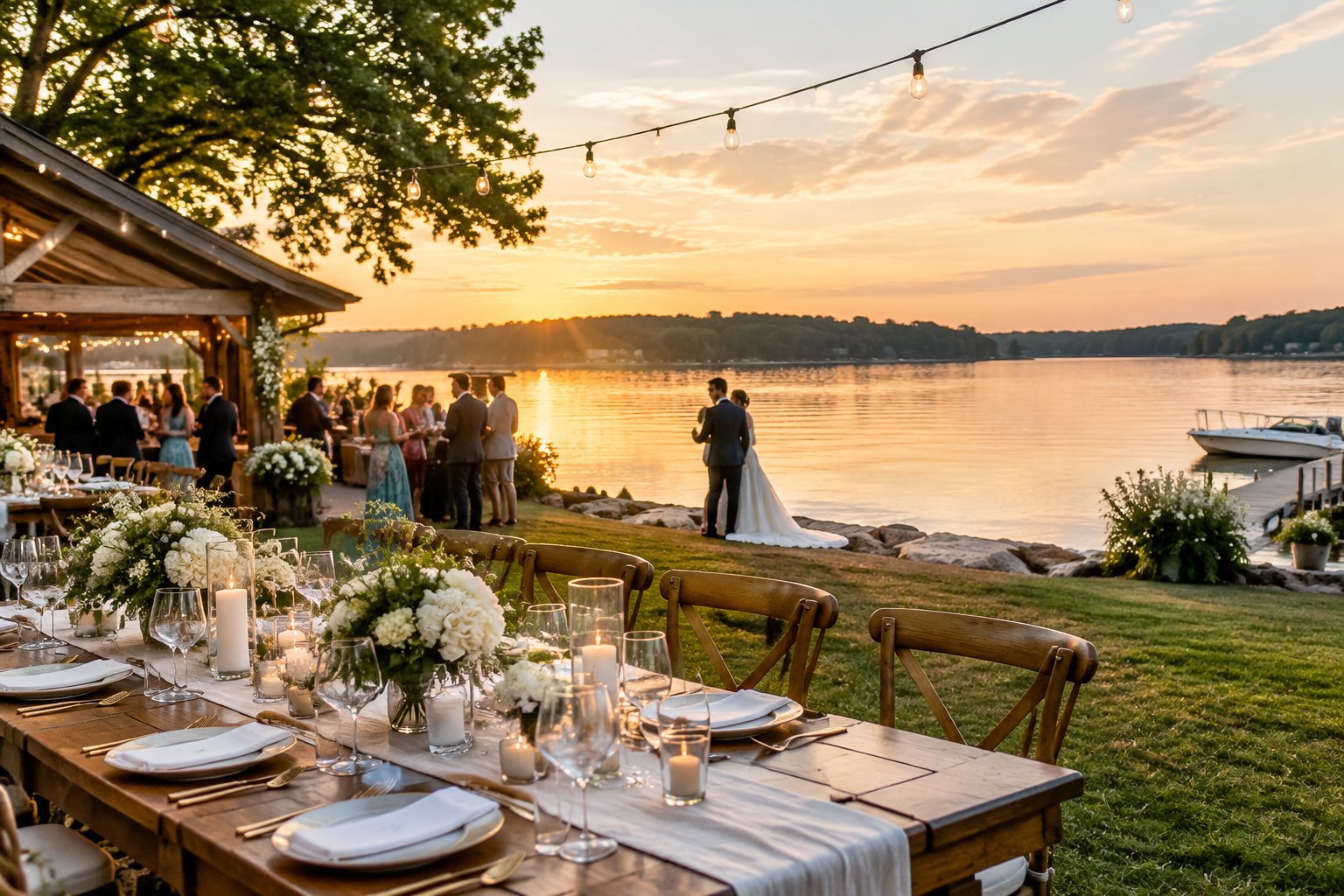
A reception with a lake view helps carry the outdoor atmosphere into dinner and dancing. Look for a room with windows facing the water, or a covered patio where guests can step outside between courses. Ask where the bar, dance floor, and dinner tables fit, and check whether the layout keeps the shoreline visible from the main gathering areas.
Think about the transition after the ceremony. A nearby terrace or lawn gives guests a comfortable place to gather while you take portraits. Confirm that the route between spaces has clear signs and lighting, especially if guests will walk outside after sunset.
Which Venue Styles Suit Your Wedding?
Your preferred level of service, privacy, and outdoor time can point you toward the right venue style. Resorts and estates may offer a polished setting with event services, while barns and lodges bring a relaxed feel that suits a rustic barn wedding or a weekend gathering.
Resorts, Inns, and Private Estates
A resort can make planning easier when you want event spaces and guest rooms in one location. Ask which parts of the property are reserved for your event, how guests reach the ceremony area, and whether other visitors will share the grounds. An inn may feel more intimate, while a private estate can give you a more secluded setting.
Review what the venue team handles, including setup, food service, rentals, and cleanup. A detailed package can reduce the number of separate vendors you coordinate. Compare the venue’s included services with your priorities and budget, and use these wedding venue ideas to help define the style you want.
Barns, Lodges, and Outdoor Settings
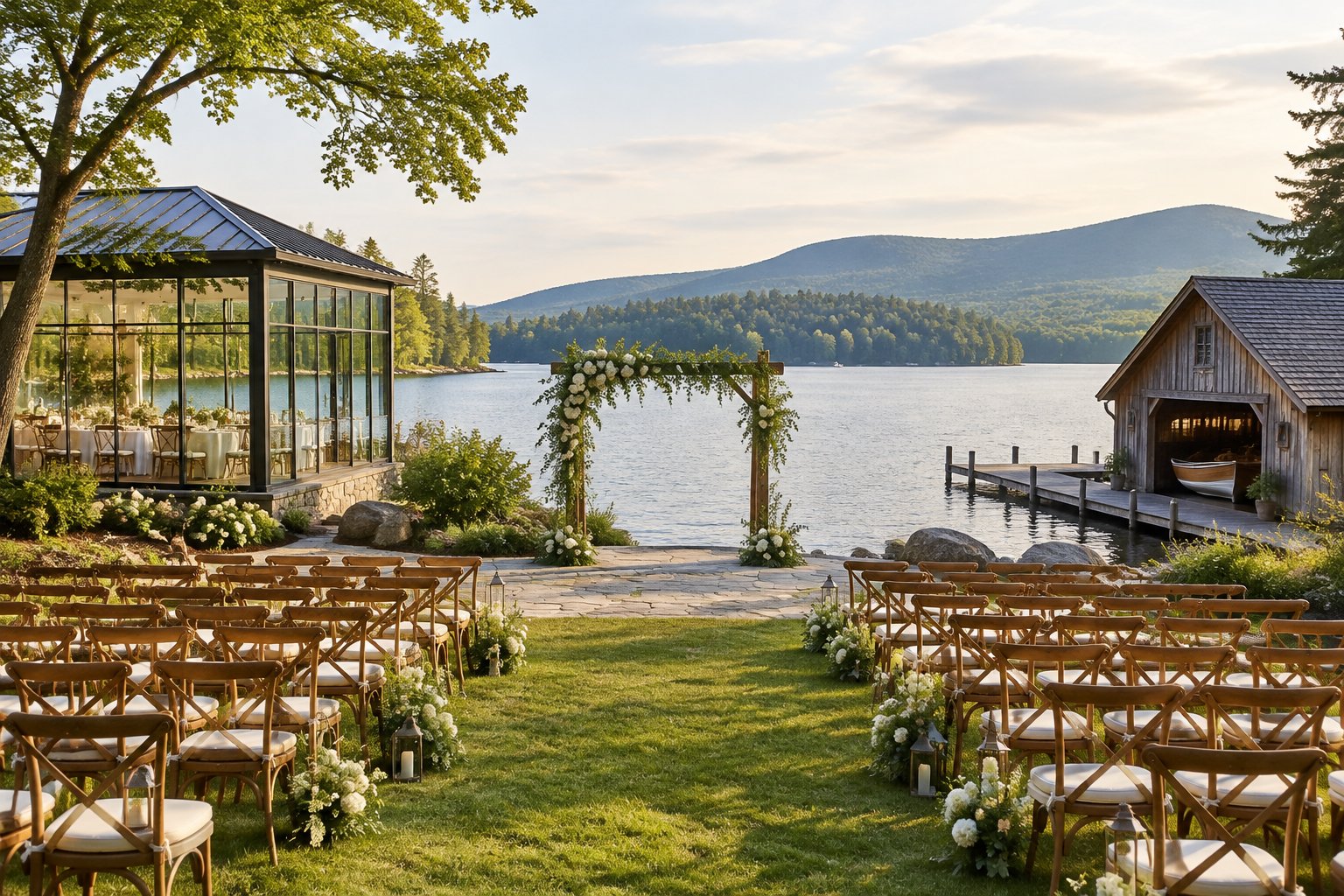
A barn or lodge near the water pairs natural scenery with warm materials such as timber, stone, and wood beams. This style works well if you want a casual reception atmosphere with space for dinner and dancing indoors. Check that the indoor room has enough capacity for your guest list and that guests can still enjoy a water view.
An outdoor-only setting offers a close connection to the landscape, with lawns, docks, or waterfront decks shaping the event. Ask how the venue handles uneven paths, restroom access, sound equipment, and lighting after dark. A small celebration may suit a tucked-away shoreline spot, while a larger gathering needs clear routes between ceremony, cocktail hour, and reception.
How Do You Choose the Right Setting?
The right wedding venue fits your guest list and makes the day easy to navigate. As you compare lakeside wedding venues, weigh the scenery alongside access, lodging, and how the property supports your event from arrival through the end of the reception.
Guest Capacity and Accessibility
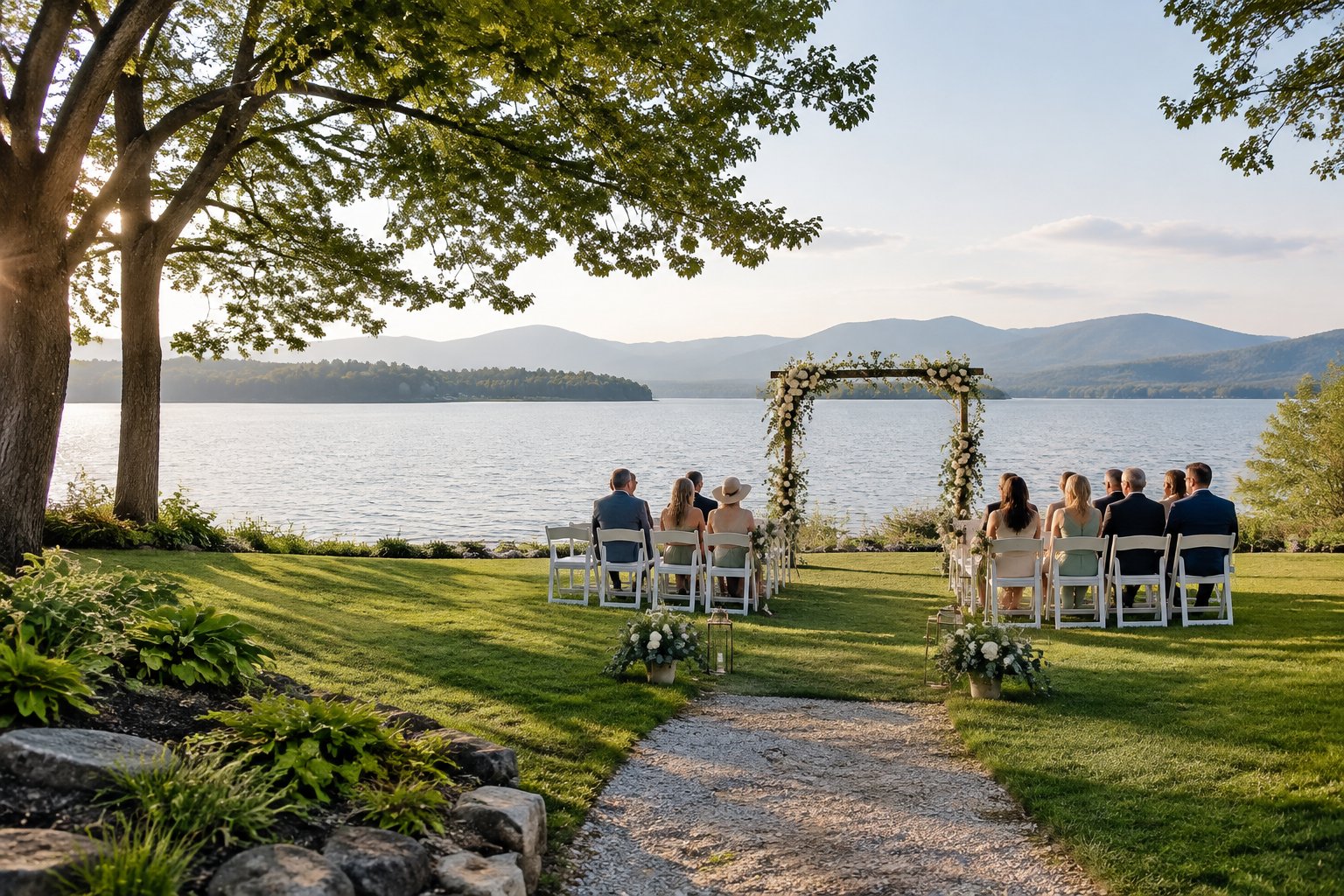
Match the venue’s capacity to your expected guest count, then ask how the space is arranged at that size. A property might fit your numbers on paper, while the setup feels crowded once you add tables, a dance floor, a bar, and room for guests to move. If your celebration is intimate, these tips for choosing a venue for a small wedding can help you look for a space that feels personal and comfortable.
Walk the route from parking to the ceremony, reception, and restrooms. Check for stairs, slopes, gravel, or grass that could make the path difficult for guests with mobility needs or formal shoes. Ask about accessible parking, seating, and restroom options, then find out whether a shuttle or golf cart service is available.
On-Site Lodging and Weekend Activities
On-site lodging can make a wedding weekend feel easier for guests who travel. Ask how many rooms are available, when guests can check in, and whether the venue offers a room block or nearby lodging recommendations. If a package includes rooms and event services, compare its total cost with booking those pieces separately. You can also review all-inclusive wedding venues with lodging as you consider this setup.
If guests are staying nearby, plan low-pressure ways for them to spend time together. A welcome gathering, a lakeside walk, or a casual brunch gives visitors a chance to connect between events. Share local travel details and activity options with guests ahead of time, especially if the venue is outside a town center.
What Should You Check Before Booking?
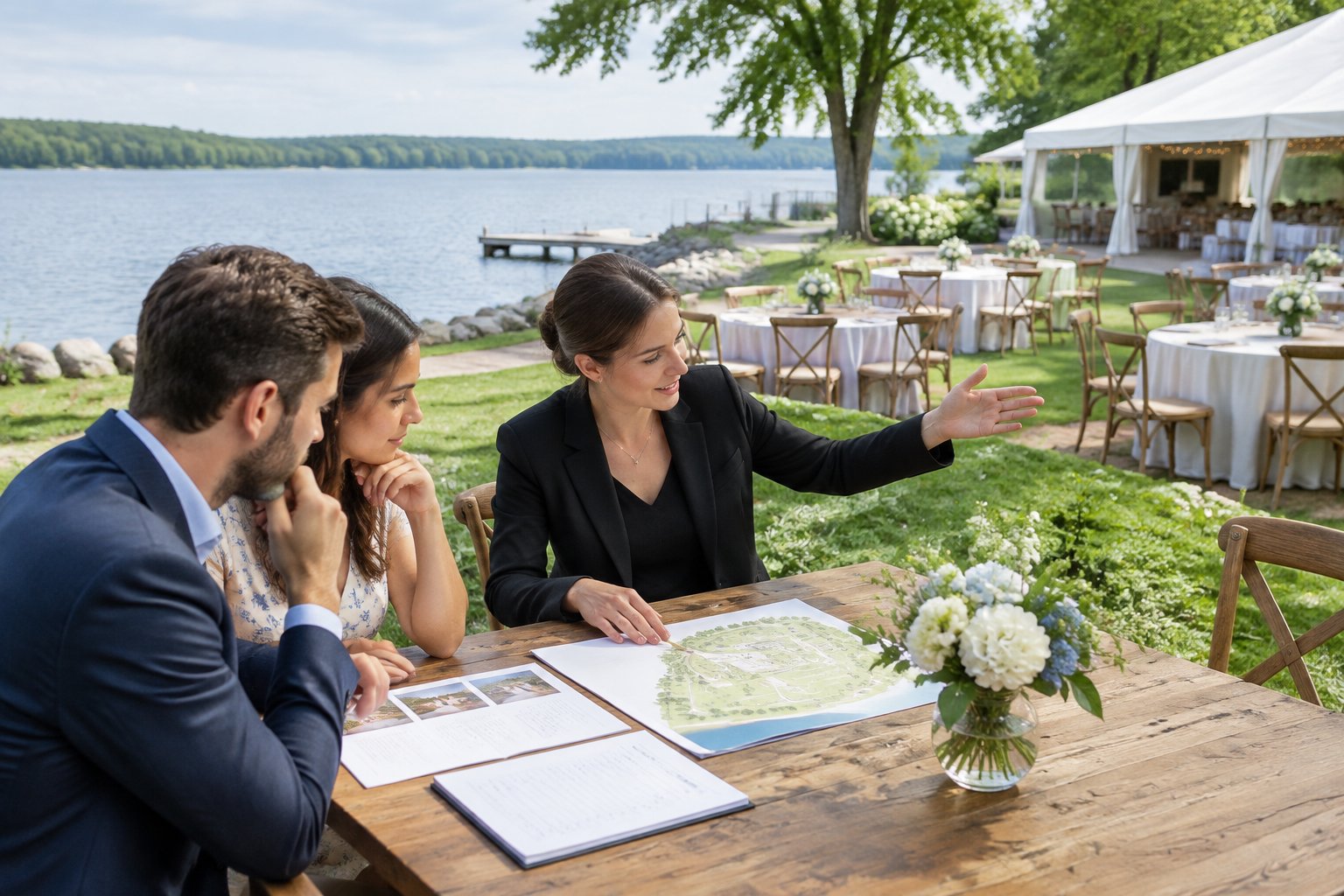
Before you sign, confirm that the venue’s backup plan, services, and waterfront rules fit your wedding plans. A site visit and written answers help you understand what the team provides and what you’ll need to arrange.
Indoor and Weather-Ready Alternatives
Ask where the ceremony and reception will move if rain, strong wind, heat, or cold changes your outdoor plans. Tour the backup space in person and check its capacity, lighting, and view. A clear tent, pavilion, or indoor room can keep the event comfortable when the weather shifts.
Find out who makes the call to move indoors and when that decision happens. Ask whether the backup setup changes the guest layout or adds rental fees. For warm-weather dates, check for shaded seating and water stations; for cool evenings, ask about indoor access or patio heaters.
Catering, Packages, and Site Rules
Review the package line by line so you know what the venue includes. Ask about food and beverage service, tables and chairs, setup time, cleanup, and any service fees. Confirm whether you can choose your own caterer or need to work with the venue’s team, and discuss menu options for allergies or dietary needs.
Ask about rules for music, decorations, candles, outside vendors, and event end times. Waterfront properties may have limits on dock access, swimming, boats, or amplified sound. Keep the answers with your contract, including any added costs and the venue’s cancellation terms.
Seasonal Conditions and Waterfront Safety
The season affects the light, temperature, ground conditions, and guest comfort around the lake. Ask what the property is like during your wedding month, including the condition of paths after rain and the timing of sunset. Check whether the ceremony area has shade and whether insects are common at that time of year.
Review safety plans for docks, shoreline access, children, and evening lighting. Ask where guests can go near the water and whether barriers or staff are in place. Confirm that pathways between the parking area, event spaces, and restrooms stay visible after dark.
How Can You Plan a Memorable Wedding Weekend?
A memorable wedding weekend gives your guests a clear rhythm, with enough room to enjoy the setting between planned events. Build your schedule around the venue’s travel routes and daylight, then leave open time for conversation and rest.
Build a Timeline Around the Lake
Plan the ceremony, cocktail hour, dinner, and dancing around the distances between spaces. Add time for guests to walk from parking, settle into their seats, and move to the reception. If you’re hosting welcome drinks or a next-day brunch, check when each space is available and who handles setup and cleanup.
Set aside open time for guests to enjoy the property, especially when many are traveling. Share the weekend schedule, lodging details, transportation plans, and dress guidance in one place. A destination wedding checklist can help you track the extra details involved when guests stay away from home.
Make the Most of the Scenery in Photos
Ask your photographer when the shoreline gets the best light during your wedding season. Leave a short window in the schedule for portraits near the water, and identify an indoor or covered spot in case of rain.
A venue with several settings, such as a lawn, a dock, and a room with large windows, gives your photos variety. Keep the timeline flexible enough for brief portraits without taking you away from guests for long.
Confirm which areas are open for photography and whether the venue has rules about docks or other waterfront spaces. Use the venue’s sunset time to plan when you’ll step outside, then return to the reception while guests are still gathered.