
Licensed Wedding Venues Near the Beach: How to Choose
Beach wedding venues give you ocean views, fresh air, and a setting that can shape your whole celebration. The word “licensed” can mean different things in the United States, so check what the venue’s approval covers and what your state requires for a legal marriage.
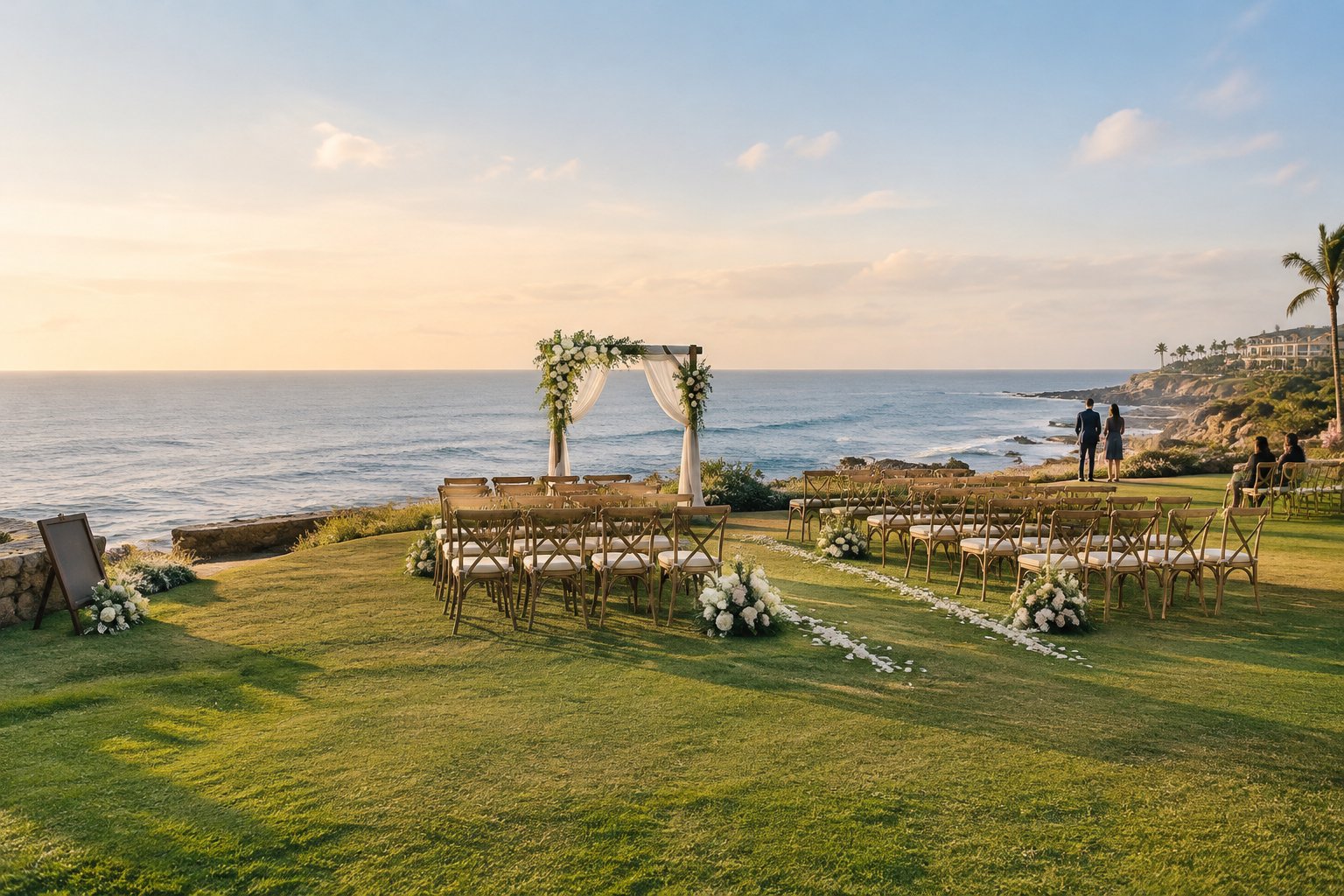
You can choose licensed wedding venues near the beach by checking local event permissions, venue safety requirements, and the rules for making your marriage legal. Start a shortlist of three venues and ask each for written details about its approvals, available spaces, and fees.
What Does “Licensed” Mean for a Beach Wedding Venue?
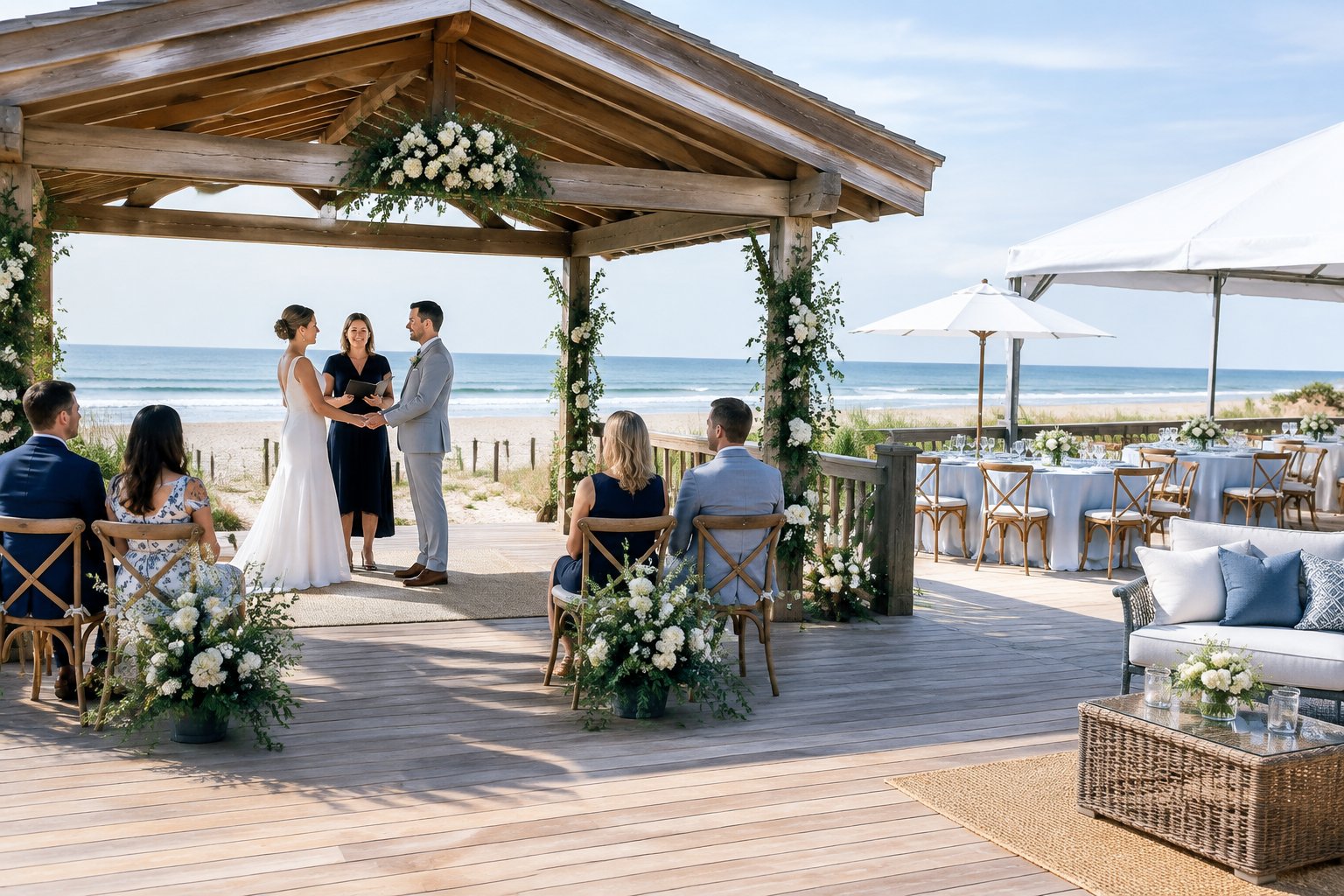
In the United States, “licensed wedding venue” has no single nationwide meaning, so ask what approval the venue holds and which rules apply at its location. Your marriage license, the officiant’s authority, and permits for an event space are separate matters. For help sorting out the legal requirements, review what you need legally for a wedding.
Which Permits and Approvals Should You Verify?
Ask whether the ceremony or reception area is private property, public land, or part of a state or local park. Public beaches may require an event permit, and local rules can set limits on guest numbers, structures, sound, decorations, or event hours.
A resort’s approval to host events does not automatically cover a ceremony on nearby public sand. For a private property, confirm that weddings are permitted under its local zoning and event rules.
Ask the venue to identify any required fire, health, alcohol, or noise approvals that apply to your plans. If the ceremony takes place on public land, check with the agency that manages the beach and confirm the permit terms directly.
Who Is Responsible for Securing Them?
Put permit duties in writing before you sign. The venue may handle approvals for its own property, while you or your planner may need to apply for a public beach permit or arrange approvals for outside vendors.
Ask who submits each application, who pays the fees, and when approvals are due. Keep copies of permits with your contract and event plan.
For legal marriage requirements, check the county or state rules where you plan to marry, including the marriage license process and who can officiate.
How Can You Find Venues Near Your Coast?

You can narrow your search by starting with your nearest coastline, then comparing travel access, ceremony rules, and the kind of setting you want. A clear wedding location plan helps you weigh guest travel alongside the look and feel of the beach.
How to Search for a Beach Wedding Venue Near You
Search by coastal town or region, then look for a beach wedding venue near you that describes its ceremony and reception spaces clearly. Venue websites, local directories, and recommendations from planners can help you build an initial list.
Check recent reviews for comments on coordination, access, food service, and how the space works for guests. As you compare options, ask whether the ceremony site and reception space are at the same property.
Confirm the guest capacity for your preferred setup, the event hours, and the venue’s rules for outside vendors. A venue can look close to the shore on a map while requiring a separate permit or a long walk to reach the sand.
Where to Explore Hawaii Beach Wedding Venues
For Hawaii beach wedding venues, start with the island that best fits your guest travel plans and preferred setting. Oahu, Maui, Kauai, and the Big Island offer a range of resort, park, and shoreline options.
Check current state and county rules for your exact beach, since permits and site restrictions can vary. Ask how guests will get from the airport to the venue and whether lodging is close by.
If you are planning a destination wedding, give guests clear details about travel time, local transport, and any permit limits that affect the ceremony group.
Which Coastal Regions Match Your Guest Travel Plans?
Choose a coastal region by balancing scenery with the time and cost your guests will spend getting there. The Atlantic coast, Gulf Coast, Pacific coast, and Hawaii each offer different travel routes and venue styles.
A destination wedding can feel easier for guests when you choose a town near an airport or a well-served transport hub. Before you settle on a place, compare flight options, drive times, local lodging, and how guests will reach the ceremony site.
A destination wedding checklist can help you organize travel details alongside your venue plans.
Which Venue Style Fits Your Ceremony and Reception?
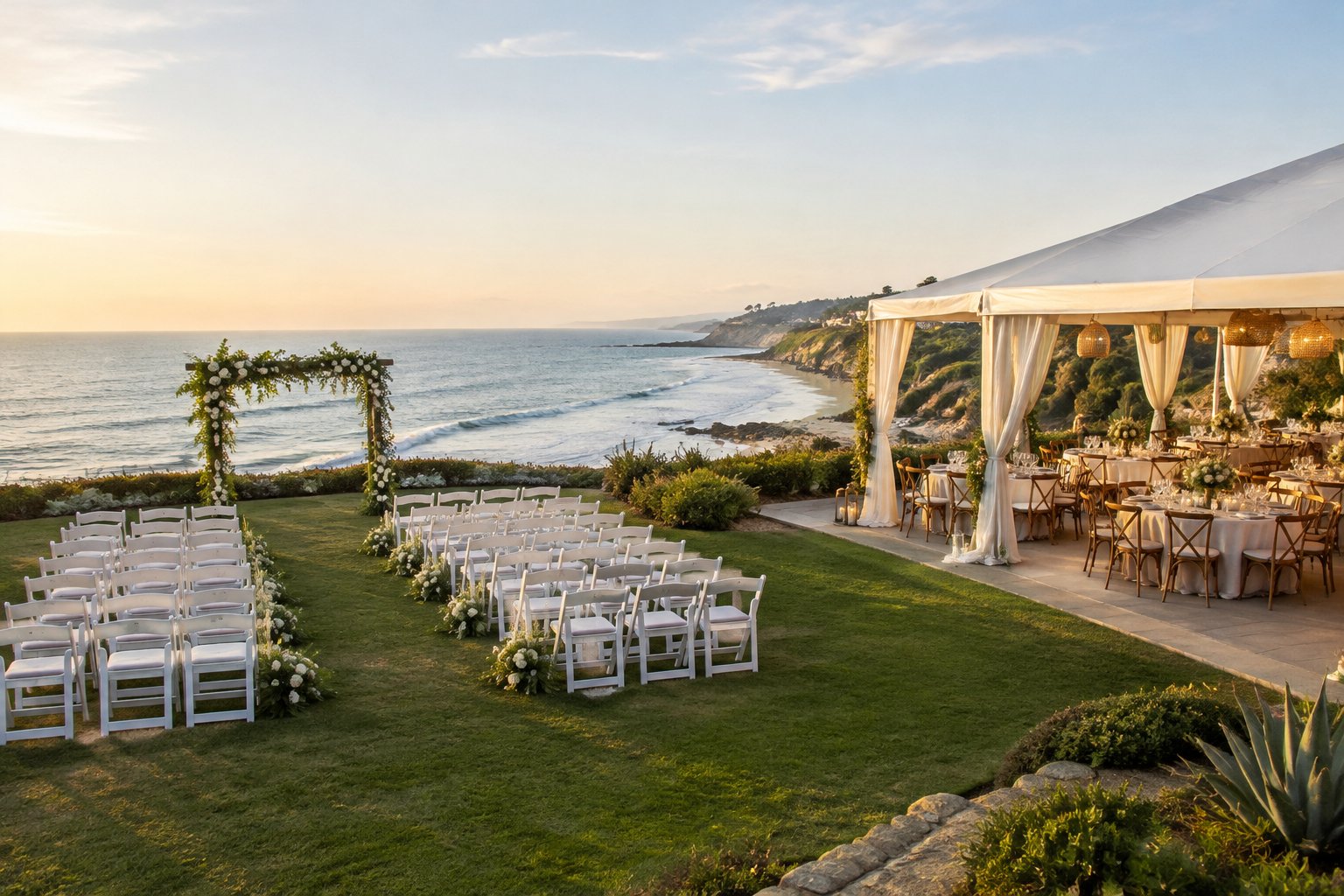
The right venue style gives you the ceremony setting you want and a comfortable place for guests to celebrate afterward. Compare the sand, shade, accessibility, and reception options before you decide; browsing wedding venue ideas can also help you describe the style you prefer.
Do You Want a Toes-in-the-Sand Ceremony?
A toes-in-the-sand ceremony gives you a direct shoreline setting and open ocean views. Check how far guests need to walk, whether the sand is firm enough for chairs, and how the venue handles wind, heat, and sound.
Let guests know about the surface in advance so they can choose suitable shoes. Ask whether your ceremony spot is private or shared with the public.
Find out what the site allows for seating, an arch, music, and decorations. If your ceremony is on public land, confirm who secures the permit and what the permit allows.
When Do Resorts, Lawns, and Ballrooms Make More Sense?
A resort, lawn, or ballroom can give you ocean views with more structure for dining and dancing. These options can suit guests who need firm paths, shade, restrooms nearby, or a weather-protected space.
A ballroom also gives you a defined reception area, while a lawn can keep the celebration outdoors. Use named properties as starting points for your research, then verify the exact spaces and packages with each venue.
You might compare Hotel del Coronado, Wild Dunes Resort, Monterey Beach Station, Sandpearl Resort, Catamaran Resort Hotel and Spa, and Surf & Sand Laguna Beach. Ask about ceremony locations, reception layouts, guest capacity, and access between the two.
Which Venues Suit Intimate Celebrations?
For intimate celebrations, focus on venues with a ceremony area that feels comfortable at your guest count. Smaller coastal inns, private event spaces, and resort terraces may offer a close-knit setting with less space to decorate.
Check whether the property has a minimum spend or guest minimum, since a small guest list does not always mean a smaller venue bill. Ask to see a layout with your expected number of guests, including seating and space for mobility aids.
These tips for choosing a small wedding venue can help you assess the fit before booking.
How Much Does a Beach Wedding Cost?

Your beach wedding cost comes from the venue, required services, guest count, and location-specific fees. Request an itemized estimate so you can compare what each package includes and what you will need to arrange separately.
What Venue and Package Fees Should You Compare?
Compare the site fee, ceremony setup, reception space, food and drink, rentals, staffing, and cleanup. Ask whether the quote includes chairs, tables, sound equipment, lighting, and a weather backup space.
Check for service charges, taxes, overtime fees, outside-vendor fees, and food or beverage minimums. A public beach permit may add a separate cost, while a resort package may bundle some services.
Review the contract for payment dates, cancellation terms, and any charges that depend on your final guest count. If you are looking to manage spending, compare affordable beach wedding venues and ask each venue for a complete estimate.
How Can Guest Count and Location Change Your Budget?
A larger guest list can increase catering, seating, rentals, and transport costs. The location also affects travel, lodging, vendor access, and the time required to set up your event.
A remote beach may have a lower site fee while adding costs for delivery, parking, or guest transportation. Set a guest-count range before requesting quotes, then ask venues to price the same number of people and event hours.
If you plan a public beach ceremony, check whether the permit limits attendance or equipment. You can also compare beach wedding ideas on a budget as you decide where to spend and where to simplify.
What Should You Confirm Before Booking?
Before you book, get the venue’s promises in writing, including access rules, permit responsibilities, the weather plan, and the full cost. A site visit with your wedding planner or venue coordinator can reveal practical issues that a brochure may leave out.
What Should You Ask the Venue Coordinator or Wedding Planner?
Ask who will manage your event on the wedding day and how you will reach that person during planning. Confirm the setup and breakdown windows, vendor access, parking, and whether another event will use nearby spaces at the same time.
Request a written list of what the venue provides and what you need to rent or arrange. Ask about the catering policy, alcohol service, sound limits, and any restrictions on decorations.
If a planner is involved, share the venue contract and ask them to flag tasks that need a deadline or a named owner.
How Will Weather, Access, and Reception Logistics Be Handled?
Ask for a specific backup plan that names the alternate space and explains when the venue will make the move. Confirm whether the backup area fits your guest count and reception setup, and whether it carries an extra fee.
For outdoor areas, ask how wind, rain, heat, and changing tide or shoreline conditions affect your event plan. Walk the route from parking to the ceremony and reception spaces. Check for stairs, uneven sand, accessible paths, restrooms, shade, and a place for vendors to unload.
Before you sign, make sure the contract records the backup location, setup times, permit duties, and any extra charges.