
Local Outdoor Wedding Venues: Find the Right Setting
You’ll find the right outdoor wedding setting by narrowing your search to venues that fit your location, guest count, date, and budget. You can find local outdoor wedding venues by searching within your preferred area, then comparing each wedding venue’s capacity, available spaces, policies, and total costs.
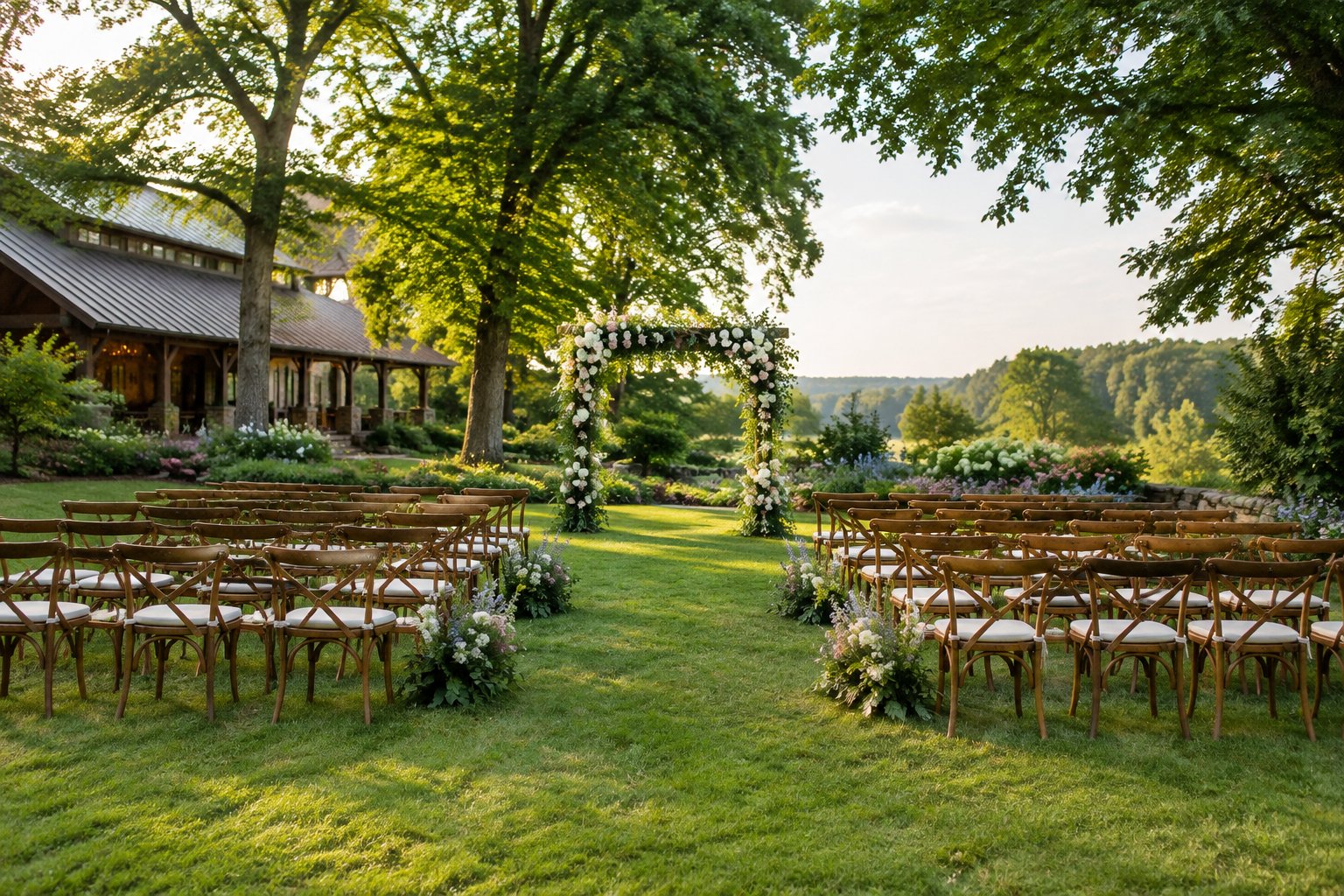
Start with a few non-negotiables, such as a comfortable guest capacity and a clear weather backup plan. Then build a shortlist you can visit or contact for current availability. As you compare options, save the details that will help you make a confident choice.
How to Build a Local Shortlist
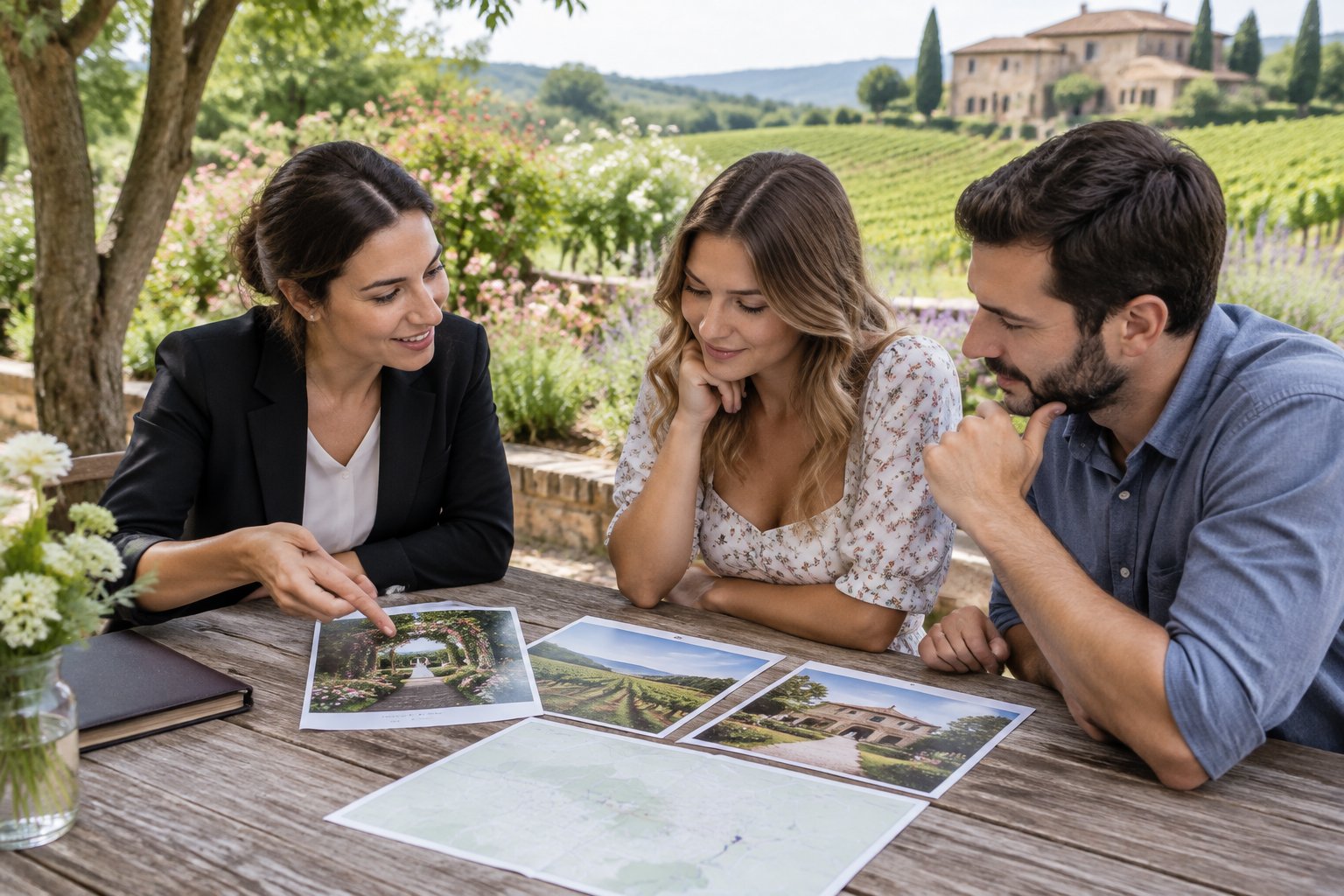
A strong shortlist gives you a practical way to compare wedding venues against the same needs and budget. Start with the area and date, then check listing details and reviews before contacting each venue.
Search by Location, Guest Count, and Date
Choose a search area that works for you and your guests. A venue near hotels, transit, or familiar roads can make travel easier, especially if guests are coming from several places. If you have a specific town or region in mind, include nearby communities to widen your options.
Estimate your guest count before you browse. A space that feels intimate with 50 guests may feel crowded with 120, while an oversized lawn can feel empty with a small group. Consider whether the same number of people will attend the ceremony and reception.
Keep your preferred date and a few alternate dates handy. If your schedule allows flexibility, ask whether the venue has openings on weekdays or during less busy months. For a practical starting point, use these details when deciding how to pick a wedding location, and set a booking timeline with when to start booking things for your wedding.
Compare Listings, Reviews, and Venue Packages
Read venue listings closely, then make a simple comparison sheet. Record the rental window, guest capacity, included furniture, catering rules, and weather options. Listings can leave out details such as setup time or cleanup requirements, so treat them as a starting point for questions.
Reviews can help you spot useful details about service, site access, and how the space worked on the event day. Look for specific comments that relate to your priorities, then ask the venue to confirm any policy or package detail that affects your plans.
When you contact a venue, request an itemized quote and a copy of its current package information. A clear side-by-side record helps you compare wedding venue ideas without relying on memory after several calls.
Which Outdoor Setting Fits Your Wedding?
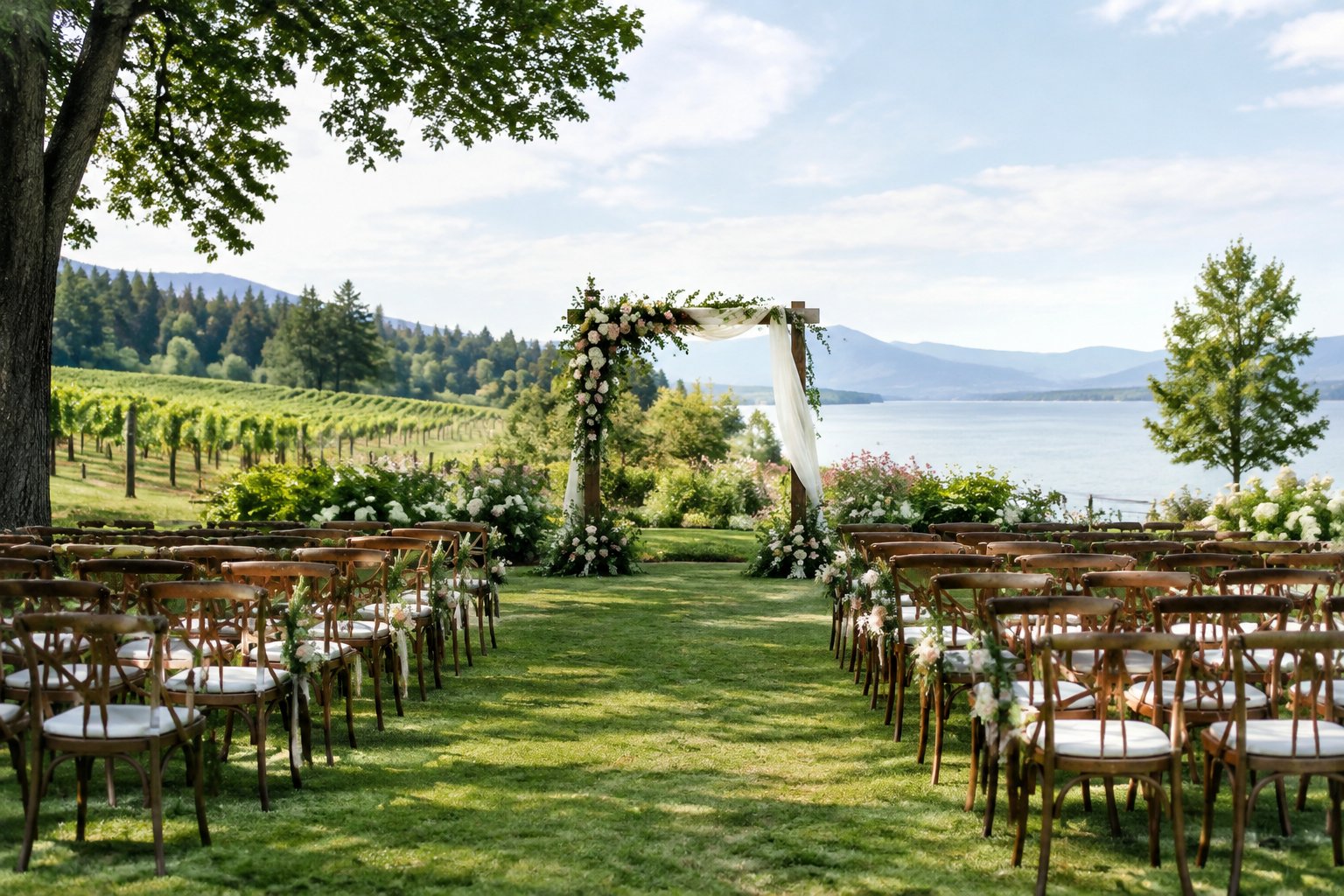
Choose a setting that matches the atmosphere you want and the practical needs of your guests. Gardens, beaches, farms, vineyards, and mountain locations each shape the event’s look, travel needs, and setup.
Gardens, Parks, and Estates
A garden gives you flowers, trees, and established paths as part of the setting. Estates can add historic buildings or manicured lawns, while parks offer open space and a relaxed feel. Ask whether other visitors will share the grounds during your event and whether your rental includes private use of the ceremony area.
Check the walking route between the entrance, ceremony site, restrooms, and reception area. Paths with loose gravel, steep slopes, or uneven ground may affect guests in formal shoes or anyone using a mobility aid.
Beaches and the Coast
A beach or coastal site offers open views and a breezy atmosphere. Before booking, check local permit rules, access points, sound limits, and the distance from parking to the ceremony area. Sand, wind, and changing tides can affect seating, décor, and vendor setup.
Ask what the venue provides for shade and shelter, and confirm which areas remain available if weather shifts. If you want the coast to be part of the celebration, factor in guest travel time and a clear plan for moving from the ceremony to the reception.
Farms, Vineyards, and Mountain Views
Farm and vineyard venues bring a countryside feel, with open fields, rows of vines, or rustic buildings. Mountain settings offer wide views and cooler air in some seasons. Each landscape has its own ground conditions and access needs, so ask where vendors can load in and how guests will move around after dark.
For a rustic look, match the site’s natural features with your décor plans and explore rustic outdoor wedding ideas. Confirm rules for open flames, amplified music, and decorations before you settle on a design.
What Should You Confirm Before Booking?
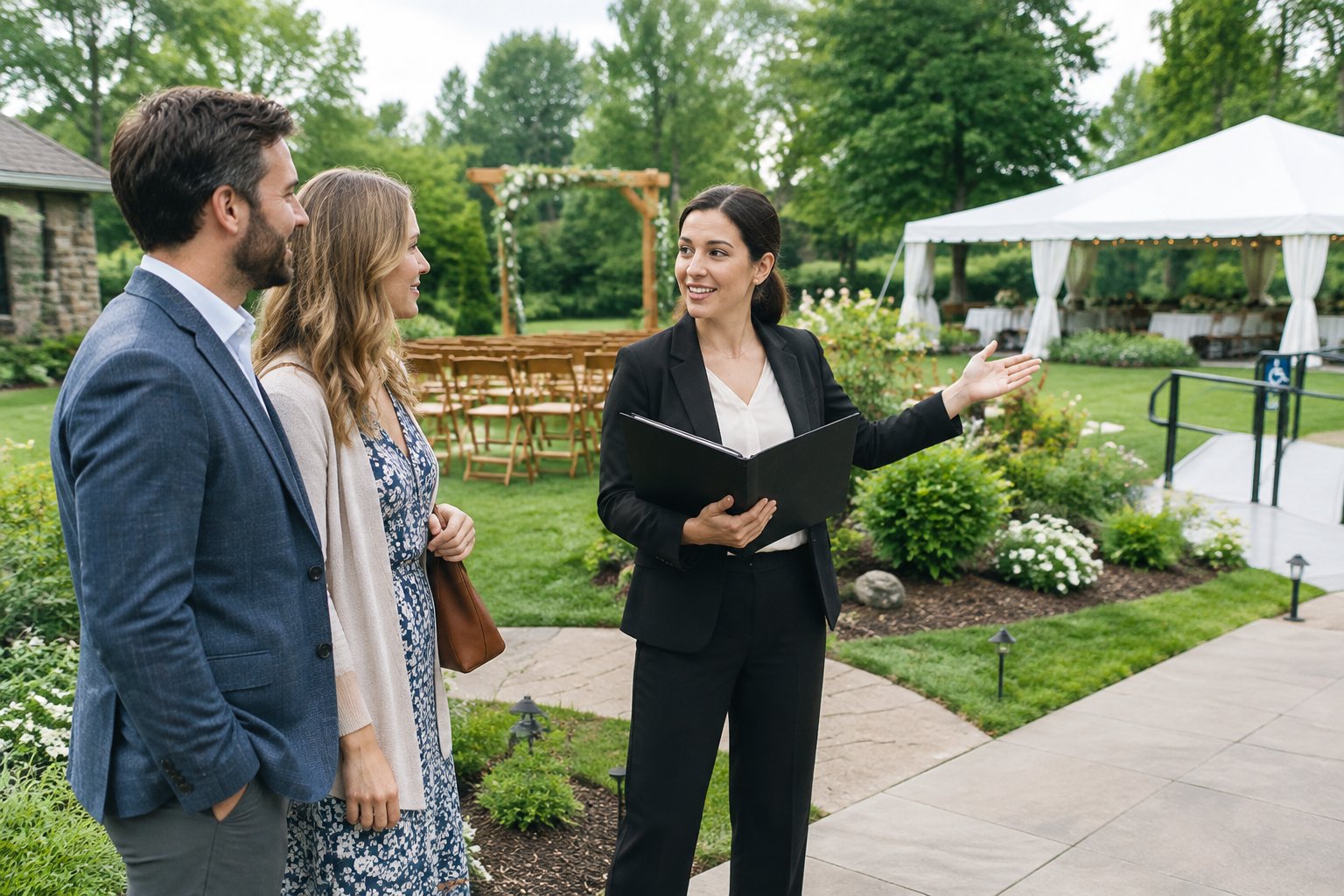
Confirm capacity, event flow, vendor rules, and guest access in writing before you sign. These details shape how smoothly your ceremony and wedding reception can run from arrival through the final send-off.
Guest Capacity and Ceremony-to-Reception Flow
Ask for the capacity of each space in the layout you plan to use. A lawn’s standing limit may differ from its seated capacity, and a reception with a dance floor needs more room than rows of chairs alone.
Walk through the full event sequence with the venue contact. Check where guests gather before the ceremony, how they reach cocktail hour, and whether the reception area needs to be reset while guests are elsewhere. If the ceremony and reception use different areas, ask how long the transition takes and who coordinates it.
Catering, Rentals, and What the Venue Provides
Request a written list of included items, such as tables, chairs, lighting, or a getting-ready room. Ask whether you can choose your own caterer and what kitchen or prep space is available. Confirm if the venue requires licensed vendors or charges a fee for outside suppliers.
Check what you need to rent for your planned layout. Chairs, linens, a tent, a dance floor, heaters, and portable restrooms can add to the budget. If you’re planning a seated outdoor ceremony, review outdoor wedding seating ideas alongside the venue’s furniture options.
Accessibility, Parking, and Guest Amenities
Ask about accessible routes from parking to the ceremony and reception areas, plus the location of restrooms. Find out how many parking spaces are available and whether guests can use a drop-off area or shuttle.
Check for practical details such as drinking water, lighting on paths, and a covered place to rest. If guests will walk across grass or gravel, include that information on your wedding website so they can plan their shoes and travel arrangements.
How Much Do Outdoor Venues Cost?
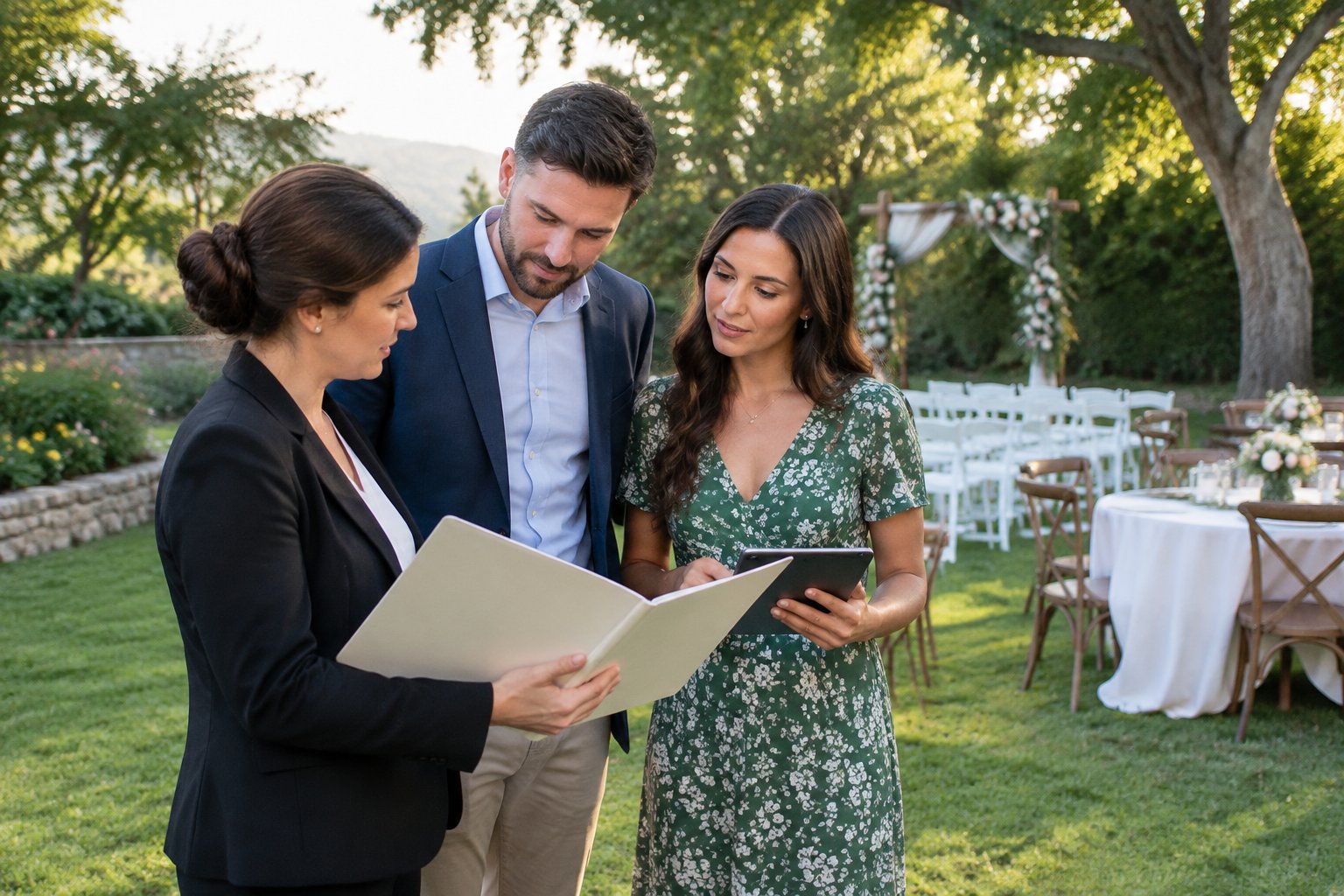
Your total cost depends on the venue fee, what the package includes, and the services or rentals your event needs. Compare itemized quotes so you can see the full expense for your guest count and chosen date.
Venue Fees and Package Inclusions
Ask whether the quote covers the full event, a specific number of hours, or only the site rental. Confirm the payment schedule, deposit terms, overtime fees, and cancellation or rescheduling policy. If the venue has separate rates for different dates or seasons, request the options that match your schedule.
Compare packages by listing each included service and its value to your plans. A lower rental fee may come with more outside rentals to arrange, while a larger package may bundle services you would book separately. You can use a guide to what most wedding venues cost to help shape your questions, then rely on current quotes for your area.
Catering, Rentals, and Other Potential Costs
Your budget may also need to cover catering, bar service, rentals, staffing, setup, cleanup, and taxes or service charges. For outdoor spaces, ask specifically about tenting, power access, lighting, heaters, and restroom facilities. Check whether required permits or event insurance affect the total.
Get an estimate for delivery and labor as well as the rental price. If you’re comparing affordable outdoor wedding venues, use the same guest count and event hours for every quote so the comparison stays clear.
When an All-Inclusive Package Makes Sense
An all-inclusive package can suit you when you want fewer separate vendors to coordinate and a clearer estimate of core event costs. Ask for an itemized list of services, then confirm which choices remain flexible, such as menu, décor, or ceremony layout.
If you’re considering Wedgewood Weddings or another venue provider, review the package details for your specific location and date. Make sure you understand what is included, which add-ons cost extra, and whether the package fits your guest count.
How Can You Prepare for Weather and Comfort?
A written weather plan, comfortable guest areas, and a schedule suited to the season help you keep an outdoor event running smoothly. Confirm the venue’s backup options before booking, then decide who will make weather calls and when.
Ask About Indoor or Covered Backup Spaces
Ask where the ceremony and reception will move if rain, wind, or extreme temperatures affect the outdoor plan. Confirm whether the backup space is included in your rental and whether it can hold your full guest count with the planned layout.
Find out when the venue makes the final call and who will contact your vendors. Ask whether the backup space is reserved for your event or shared, and whether moving indoors changes your event schedule or costs. Put the agreed plan in your contract or written venue notes.
Plan for Shade, Lighting, and Seasonal Conditions
Match the event schedule to the expected conditions for your date. A shaded ceremony area can ease sun exposure, while water stations and fans help guests stay comfortable in warm weather. For cooler evenings, ask about covered areas and approved heaters.
Check how the site will be lit after sunset, including paths to parking and restrooms. Use outdoor wedding lighting ideas to plan the look, then confirm what the venue supplies and where vendors can connect power.
Share useful clothing or footwear guidance with guests, and keep a weather decision deadline on your planning calendar.