
Low Cost Wedding Flowers: Beautiful Blooms on a Budget
You can get low cost wedding flowers by choosing seasonal, value-priced blooms and placing them where your guests will notice them most. Full arrangements do not require rare flowers: a thoughtful mix of sturdy stems, greenery, and a few premium accents can create a polished look on a set budget.
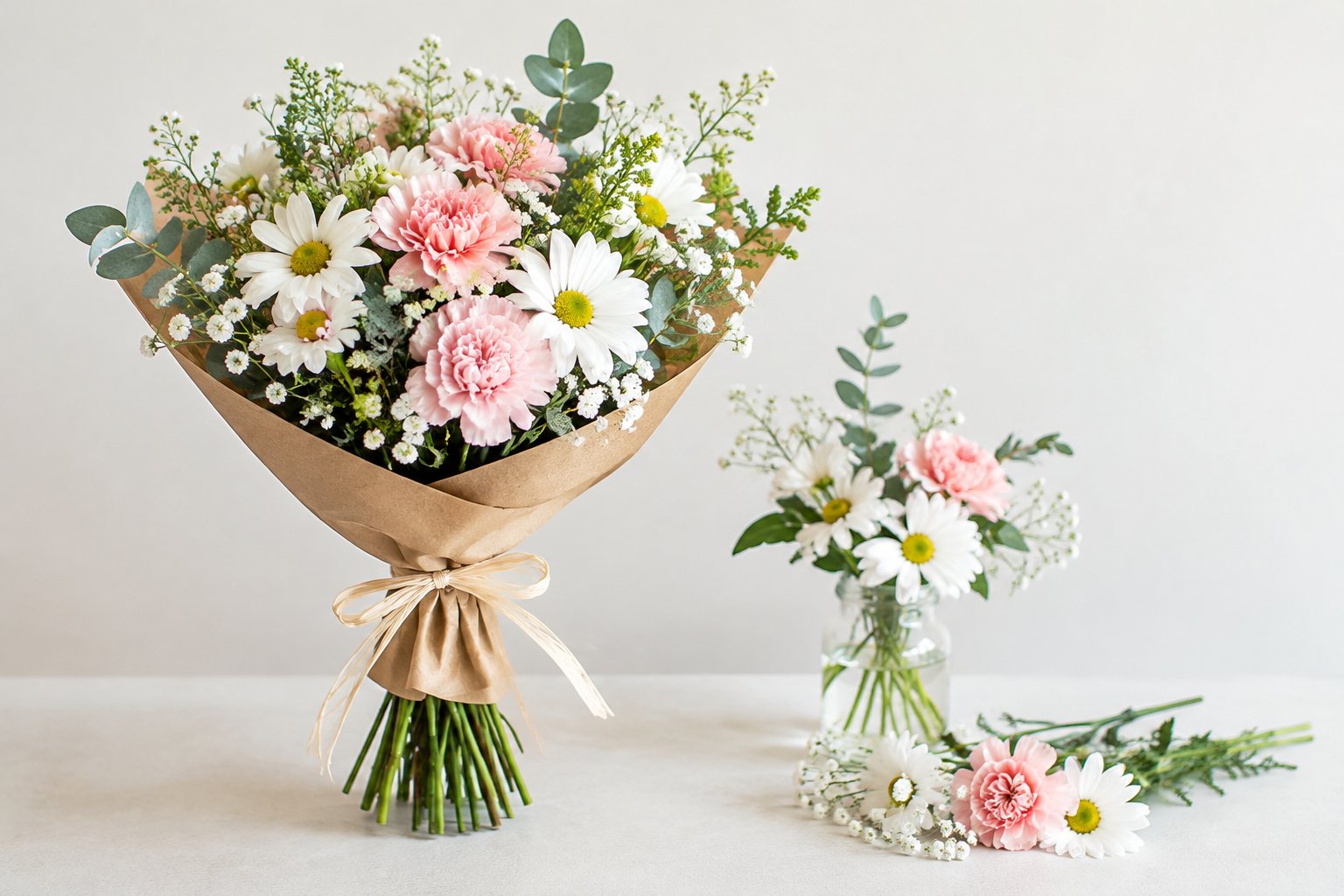
Start with a spending limit, then decide which floral moments matter most to you. If you have a wedding date and color palette in mind, ask a local florist for a quote built around seasonal substitutions and your budget.
Which Flowers Offer the Best Value?
The best-value wedding flowers are widely available blooms that add color and fullness without requiring a large spend per stem. Pair affordable varieties with a few standout flowers to give each design depth and personality.
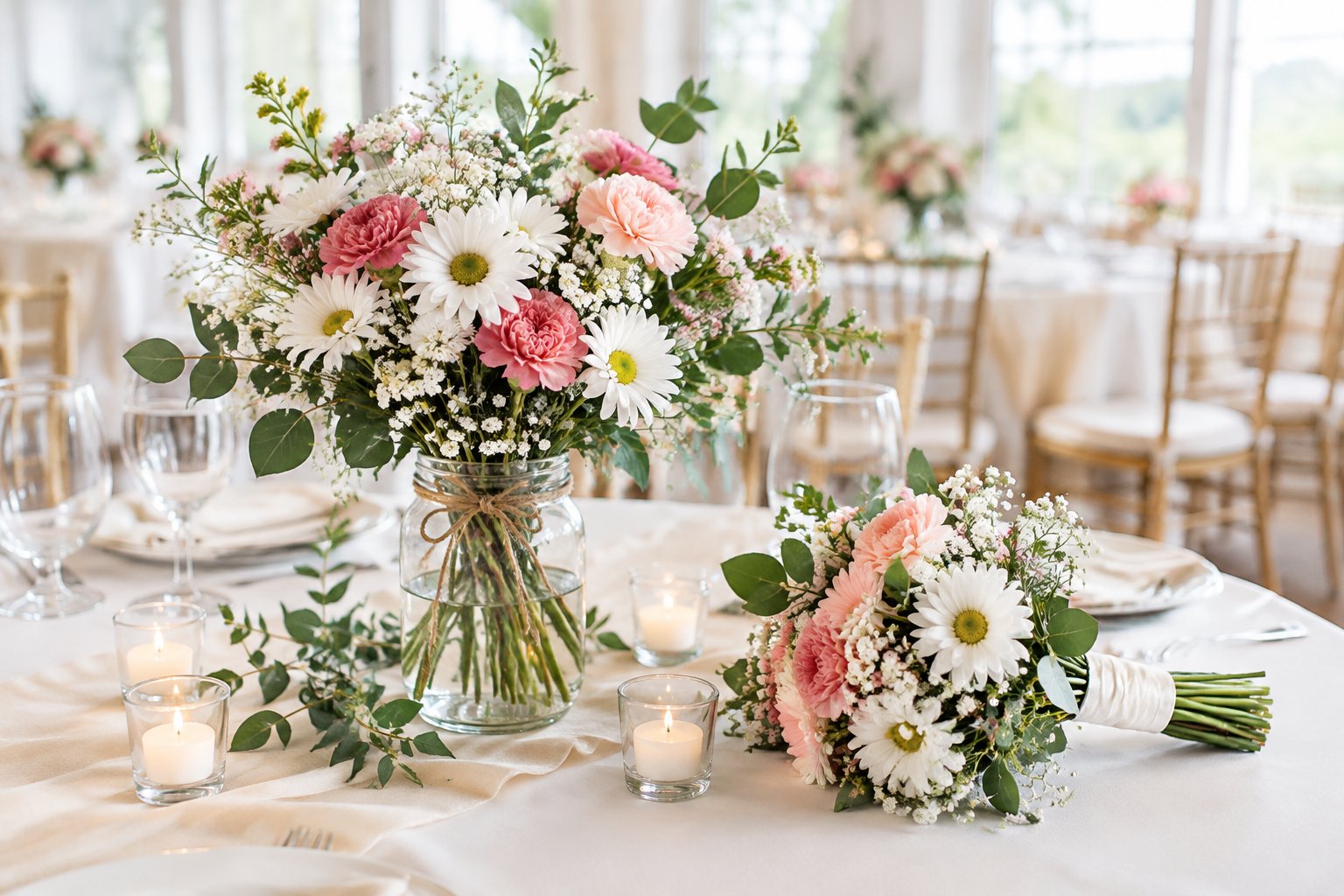
Affordable Blooms for Bouquets and Centerpieces
For generous arrangements, start with carnations, alstroemeria, chrysanthemums, and mums. Their full shapes bring volume to bouquets and centerpieces, and alstroemeria, also known as Peruvian lilies, offers several blooms on a stem. Baby’s breath adds a soft, airy texture when you group it in generous clusters.
Roses are a dependable choice in many colors. Standard roses give you a classic focal bloom, while spray roses carry several smaller flowers on each stem. Ranunculus and lisianthus add layered petals; wax flower and statice provide light texture.
Daisies and tulips suit a relaxed, fresh style, while hydrangeas make a centerpiece feel full with fewer stems. Choose blooms that work together in color and shape, then repeat them across your arrangements. A focused mix of two or three flower varieties helps your designs feel coordinated and keeps sourcing simple.
If you’re shaping a bouquet yourself, these tips for making a wedding bouquet on a budget can help you plan the stems and style.
Premium Flowers to Use as Accents
Use higher-cost flowers as focal points in the bridal bouquet or a key ceremony arrangement. Peonies, orchids, garden roses, dahlias, and anemones each bring a distinct look, while amaryllis adds a bold shape that suits winter designs. A few premium stems can draw the eye without filling every vase with costly blooms.
Snapdragons and sunflowers offer height and presence, and their price varies with the season and local supply. Ask your florist which flowers will give you the shape or color you want at a lower cost. You can also compare which flowers are most expensive for a wedding before deciding where to spend on specialty stems.
How Should You Prioritize Your Flower Budget?
Put more of your flower budget toward the arrangements that will shape your ceremony and appear in important photos. A clear spending plan helps you choose between personal flowers, ceremony décor, and reception pieces before you place an order.
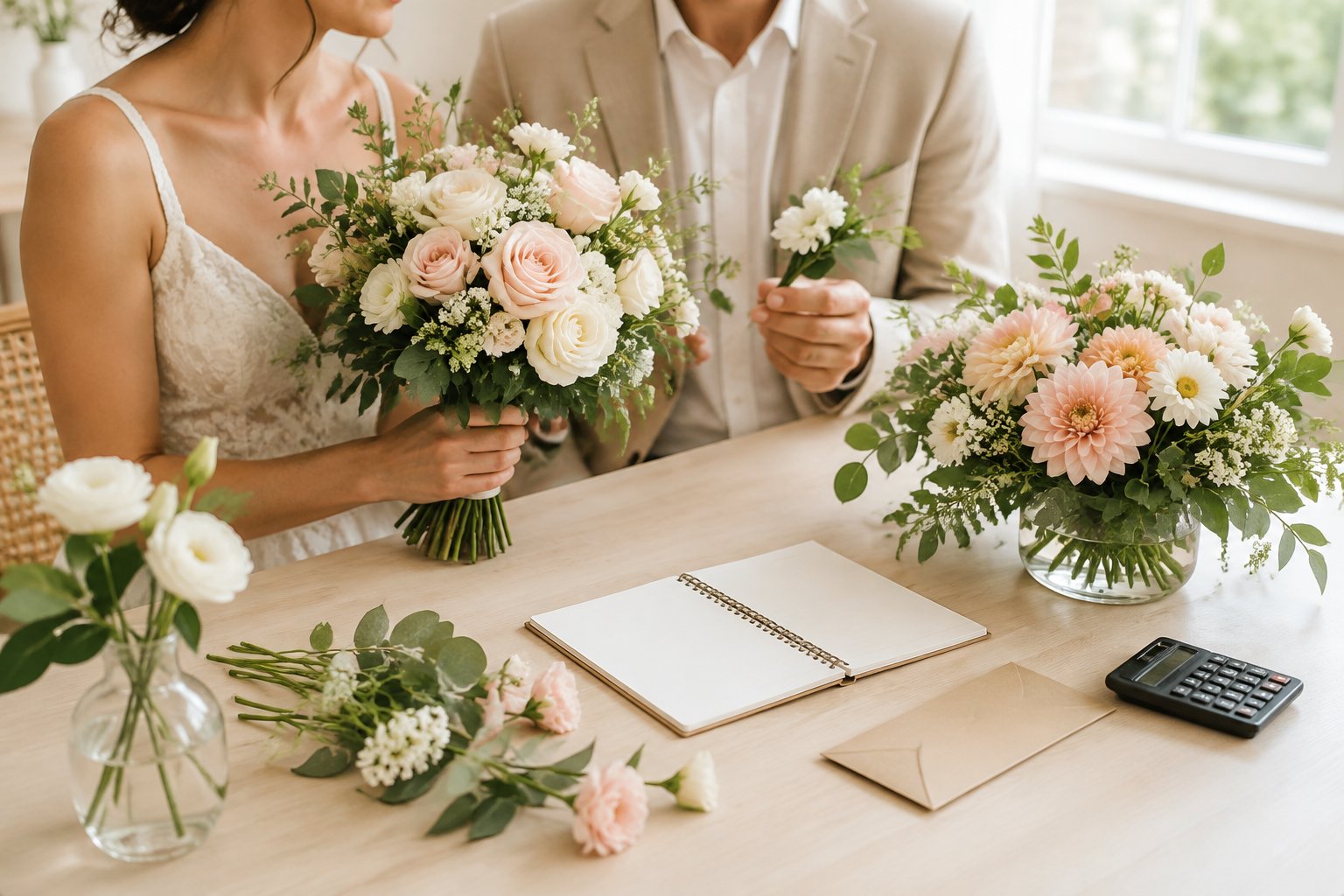
Set a total limit first, then list the flowers you want by location and purpose. You can use a wedding flower budget guide to set a starting range and keep fees for delivery and setup in view.
Choose the Floral Moments Guests Will Notice
Your bridal bouquet is close to you throughout the day and features in many photos, so give it a meaningful share of your budget. For the ceremony, choose a focal area such as the altar or arch. A well-placed arrangement can define the setting without decorating every aisle row.
At the reception, give each table a considered detail. Bud vases with a few stems create a light, welcoming look, and alternating them with candles can keep the flower count manageable. These budget-friendly wedding centerpiece ideas offer ways to add interest while controlling the number and size of arrangements.
Reuse Ceremony Arrangements at the Reception
Plan to repurpose ceremony flowers at the reception so one set of arrangements serves two parts of the day. Aisle flowers can frame the reception entrance, and altar pieces can move beside the sweetheart table. Bridesmaid bouquets can also sit in vases as table accents.
Before the wedding, confirm who will move the arrangements and when the transfer will happen. Ask your florist to choose containers that suit both spaces, and make sure the reception setup schedule allows time for the move.
What Design Choices Make Flowers Look More Luxurious?
A polished floral look comes from balanced shapes, consistent colors, and a mix of textures. Use greenery and filler to build volume, then repeat a simple palette across bouquets and centerpieces.
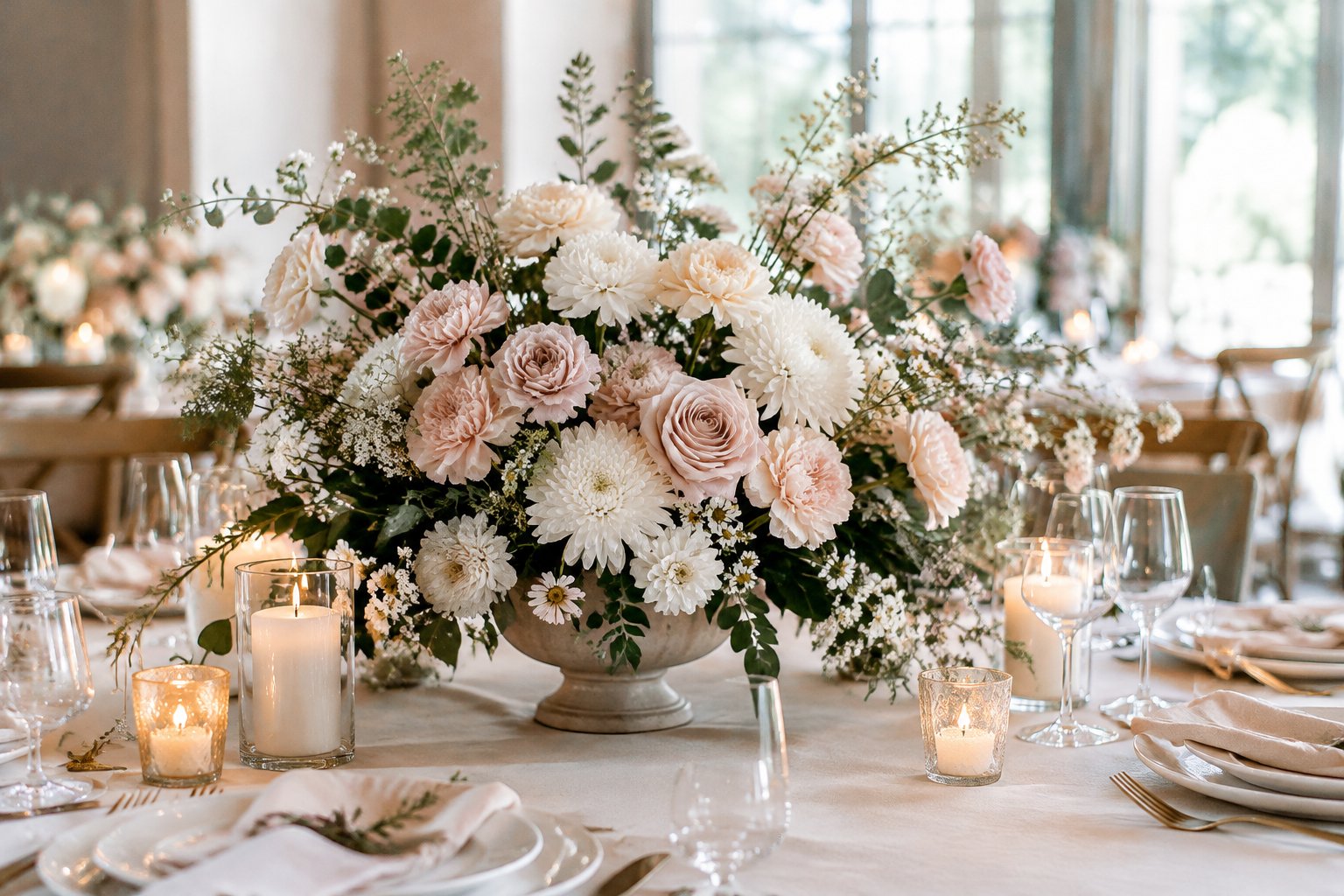
Choose a design that fits your venue and wedding style. A few well-composed arrangements can bring visual focus to a room without requiring a large number of stems.
Add Volume with Greenery and Filler Flowers
Greenery fills space and gives arrangements movement, which lets you use fewer focal blooms. Eucalyptus and ruscus work well in bouquets, table arrangements, and garlands. Ask your florist which greenery is fresh and available near your wedding date.
Filler flowers add texture between larger blooms. Wax flower, baby’s breath, and statice bring a fine, airy look; a few sprigs can help an arrangement feel complete. Keep the proportions intentional so your greenery and filler support the flowers rather than crowding them.
Use Simple, Seasonal Arrangements for Visual Impact
A consistent style can make modest arrangements feel carefully designed. Repeat the same flower varieties or color family across the bridal bouquet, ceremony pieces, and reception tables. For a clean table look, try small vessels with a few stems and add candles or other simple décor.
Keep the arrangement shape suited to the space. Low centerpieces leave room for conversation, while a taller design can draw attention to a focal area. Browse wedding flower ideas for a cohesive palette and share the colors you like with your florist.
Try Wildflower and Garden-Inspired Combinations
For a loose, gathered style, combine wildflowers with seasonal garden blooms. Cosmos, marigolds, and zinnias bring color and varied shapes, while grasses and greenery add movement. This approach suits outdoor venues and relaxed celebrations.
Choose a small palette to keep the arrangement unified. A few shades repeated across the bouquet and table flowers can make mixed blooms feel deliberate, even when each stem has a different shape.
Where Can You Find Flowers That Fit Your Budget?
You can source wedding flowers through local farms, wholesale suppliers, flower shops, and a wedding florist. Compare the full cost of each option, including delivery, supplies, and the time you’ll need for arranging.
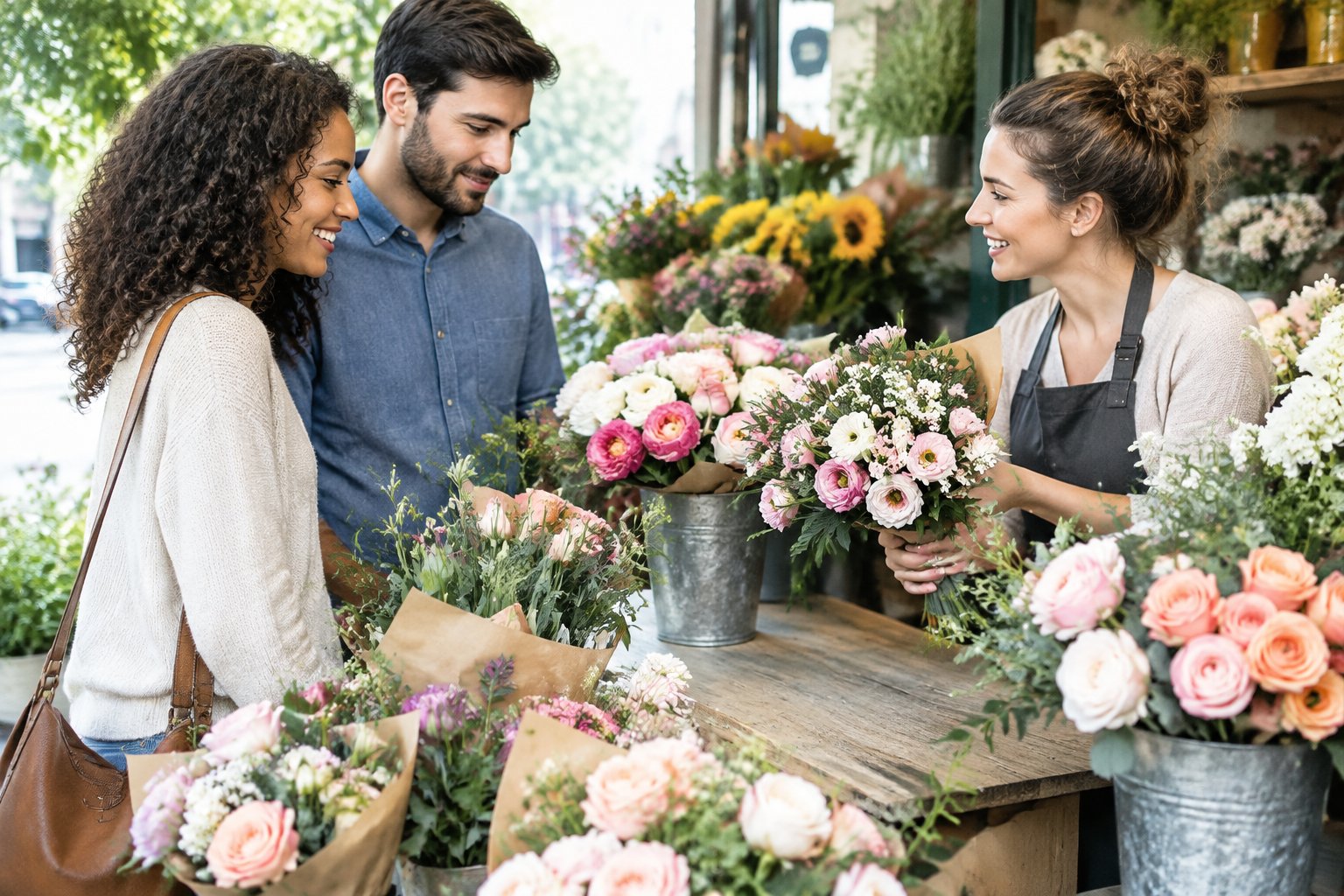
Ask what each quote includes before comparing prices. A lower stem price may come with extra costs for buckets, transport, conditioning, setup, or design work.
Compare Local Farms, Wholesale Sources, and Shops
Local farms and farmers markets may offer fresh seasonal flowers when availability matches your date. Wholesale sources can work well when you need many stems and have space to store them. Grocery and flower shops provide another option for smaller orders or simple designs.
Check order minimums and pickup times before committing. If you’re considering store-bought blooms, review these points about using supermarket flowers for a wedding and ask how far ahead to collect them.
Decide Whether to Hire a Florist or Arrange Flowers Yourself
A wedding florist can handle sourcing, design, delivery, and setup, which saves you from managing those tasks during wedding week. Share your budget, preferred colors, and inspiration photos, then ask for an itemized proposal with possible flower substitutions. These tips on asking a florist for a price can help you prepare for the conversation.
DIY flowers can reduce design costs, though you’ll need time, supplies, transport, and helpers. Choose this route when your plans are simple and you have a reliable place to condition the stems. Get a written order list and assign setup tasks before the wedding day.
How Do Season and Availability Affect Flower Costs?
Flowers that are in season near your wedding date are easier to source and can cost less than blooms shipped from far away. Stay flexible about specific varieties so your florist can choose fresh options that fit your palette and budget.
Regional weather affects bloom times, so ask a local grower or florist what is available for your location. Your date, order size, and flower choices all shape the final quote.
Choose Blooms That Are in Season Locally
Seasonal options shift through the year. Spring weddings may have access to tulips, peonies, and ranunculus, while summer brings sunflowers and many other garden flowers. Hydrangeas suit summer and fall designs in some regions, with availability varying by growing conditions.
Ask which local flowers are at their best during your wedding week. A seasonal plan helps you choose blooms with good availability and gives your florist room to build a design around what is fresh.
Ask About Substitutes for Out-of-Season Favorites
If you have your heart set on a flower that is scarce for your date, ask your florist for a similar substitute. Large ranunculus can bring layered petals to a romantic bouquet, while roses offer familiar shape and color.
For a full centerpiece, hydrangeas can add volume when they are in season. Share what you love about the flower, such as its color, size, or soft petals. Your florist can suggest an available option that preserves the look and provide an updated quote before you finalize the order.