
Luxury Wedding Venue Websites: Find Your Ideal Setting
The best luxury wedding venue websites help you find a setting by combining useful search filters with clear details about capacity, pricing, services, and guest accommodations. You can use them to turn a broad idea into a shortlist that fits your celebration and budget.
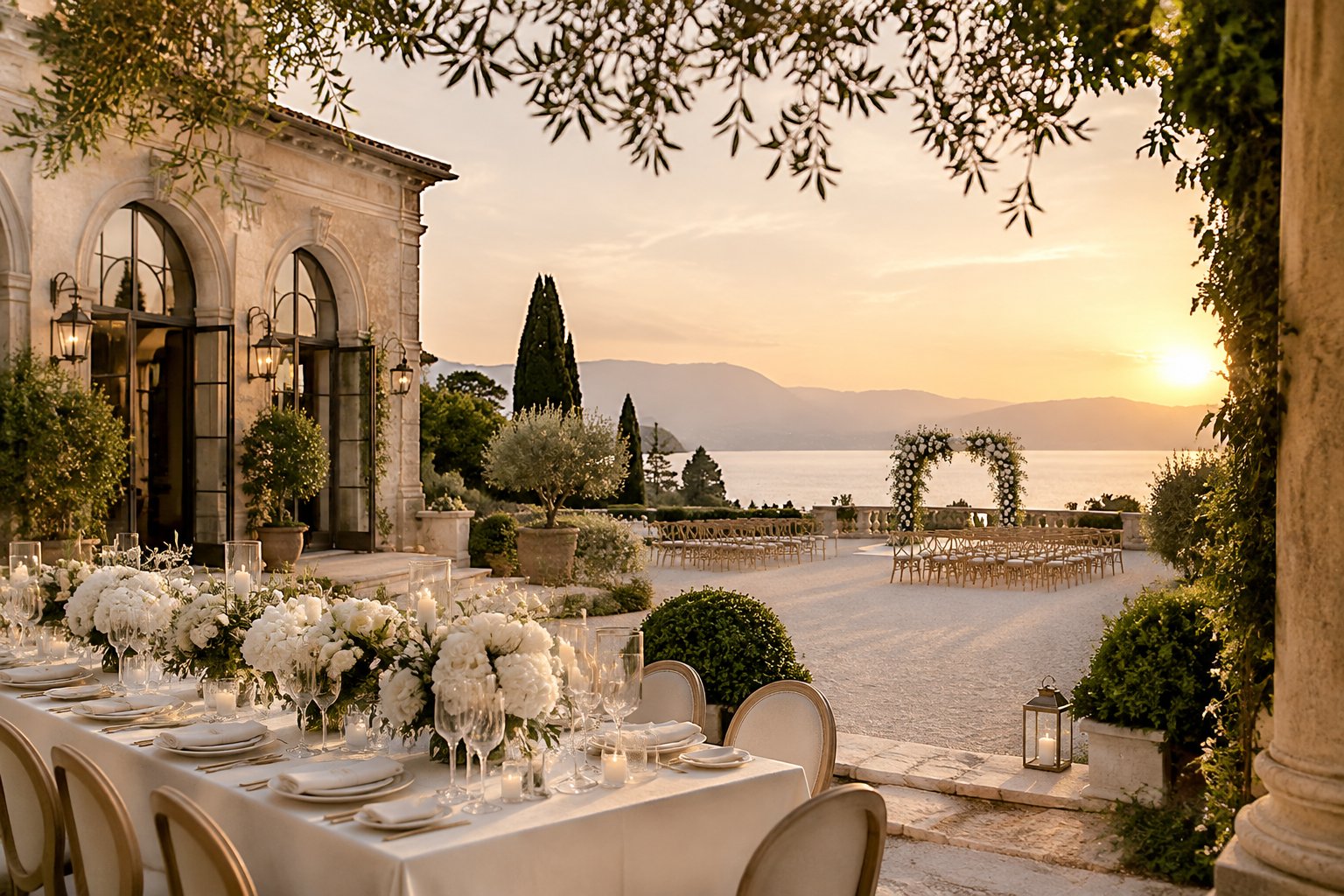
Begin with your guest count, preferred location, and the kind of experience you want to create. Browse wedding venue ideas for inspiration, then use venue listings to check which places fit your plans. Keep notes as you search so your favorite photos come with practical details.
How to Search Luxury Wedding Venue Websites
Start with filters for location, guest count, venue style, and budget to focus your search on realistic options. Once you have a manageable set of listings, compare what each venue shares about its spaces, policies, and services.

Which Filters Help Narrow Your Search?
Choose filters that reflect your firm requirements first. Set a region or travel radius, guest count, and budget range; then narrow by setting, such as a garden, waterfront, estate, or city venue. If you need both ceremony and reception spaces at one location, include that in your search.
Check whether filters cover details that shape the guest experience, too. On-site rooms, accessibility, catering options, and indoor backup space can separate a workable listing from one that only matches your style. Save promising listings and record why each one made your shortlist.
How Do Curated Directories Differ From General Listings?
Curated directories organize venues around a particular style, destination, or level of service, which makes it easier to find distinctive settings. General listings can offer a wider range of venue types and locations, with filters that help you sort a large group of choices.
Look at how much detail each listing provides. A useful profile gives you enough information to assess fit, including guest capacity, event spaces, pricing details, and accommodation. Treat a directory as a starting point, then confirm key details with the venue.
Which Venue Style Fits Your Celebration?
Choose a venue style that suits your guest count, event format, and preferred atmosphere. The setting shapes how your day flows, from the ceremony and meal to guest travel and overnight stays.
Are Private Villas Right for an Intimate Gathering?
Private villas suit celebrations where you want a personal setting and time together beyond the ceremony. Check the maximum event capacity, sleeping arrangements, and whether the property offers exclusive use. A villa’s overnight capacity may be much lower than its event capacity, so confirm both numbers.
Ask how the day will work across the property. You’ll want to know where the ceremony, dinner, and dancing can take place, along with any limits on music or event hours. If you’re planning a smaller celebration, use tips for choosing a venue for a small wedding to weigh guest comfort against the scale of the space.
When Does a Ballroom Make Sense?
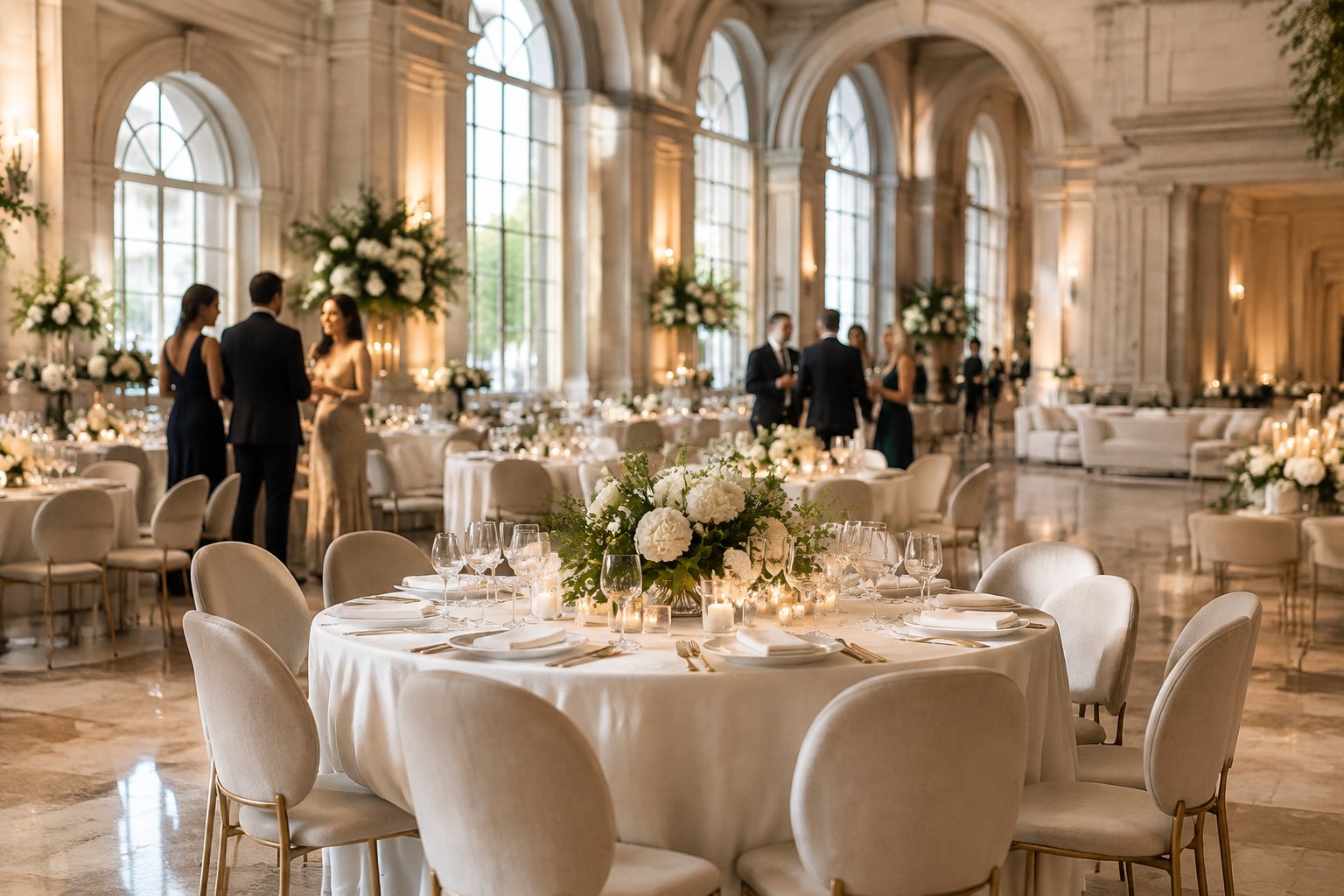
A ballroom makes sense when you want a formal indoor setting with room for a larger guest list, dinner, and dancing in one venue. Ask for layouts at your expected guest count, since a room’s maximum capacity may assume a different seating plan or event style.
Find out which features the venue includes, such as tables, chairs, linens, lighting, and catering. Also ask about the room’s access times and any rules for outside vendors. These details help you judge whether the ballroom supports your plans without requiring extra rentals or changes.
What Other Settings Should You Consider?
Estates, historic buildings, resorts, gardens, and waterfront properties each offer a distinct backdrop and guest experience. Use how to pick a wedding location to think through travel, nearby lodging, and the setting you want before choosing a region.
Consider the practical needs that come with each space. An outdoor ceremony calls for a clear weather plan, while a remote estate may require guest transportation. A hotel or resort can make rooms and event spaces easier to coordinate, so compare all-inclusive wedding venues with lodging if you want guests to stay near the celebration.
What Should You Check on a Venue Listing?
A strong venue listing gives you enough detail to judge capacity, costs, services, and the real look of each event space. Read beyond the opening description, and note any questions the profile leaves unanswered.

How Can You Confirm Guest Capacity and Event Spaces?
Check the listed capacity for each part of your event, including the ceremony, seated meal, and reception. Ask whether the number changes with a dance floor, stage, or different table layout. If the venue lists sleeping rooms, confirm whether those rooms are on site and available to your group.
Look for a floor plan or a description of how guests move between spaces. Ask about getting-ready rooms, cocktail areas, and indoor backup locations. A clear layout helps you picture the guest experience and spot any timing or access questions before a site visit.
What Pricing and Services Should Be Clearly Explained?
Check how the venue presents its price: as a rental fee, per-person rate, package, or minimum spend. Then ask what the quote includes, such as food and beverages, furniture, staffing, setup, cleanup, and taxes or service charges. Confirm which items carry extra fees.
Review vendor rules and payment terms as well. Ask about required caterers, outside-vendor charges, deposits, cancellation terms, and overtime rates. A written quote based on your guest count and event plan gives you a fair basis for comparing venues.
Which Photos and Real Weddings Offer Useful Clues?
Look for recent photos of the actual spaces you would use, including ceremony areas, dining rooms, and outdoor locations. Images from real weddings help you see how the venue looks with different layouts, lighting, and guest counts.
Compare images with the listing details. Notice whether photos show the space in daylight and after dark, and ask which areas are included in your rental. If a gallery leaves a key room or weather backup out, request photos and a floor plan before you add the venue to your finalists.
How Do Destination Wedding Websites Support Planning?
Destination wedding websites help you assess a venue alongside the travel, lodging, and local planning details your guests will need. A listing that connects you with local support and gives clear destination information can make remote planning easier to organize.

How Can Local Planners Help You Plan From Afar?
A local planner can help you coordinate venue visits, vendors, schedules, and details that are harder to manage from another location. Check whether a listing names a planning contact or describes what coordination the venue provides. Confirm who will handle decisions on the wedding day and how you’ll communicate during planning.
You can also review how a destination wedding works as you decide what support you need. Ask about video tours, remote planning meetings, and local vendor recommendations before you book a trip to visit.
What Guest Travel and Accommodation Details Matter?
Check the distance from the nearest airport, available ground transport, and lodging options for different budgets. If the venue has rooms, confirm their number, rates, booking deadlines, and whether a minimum stay applies. For other guests, look for nearby hotels and clear directions to the property.
Your guest information should cover travel days and wedding events. Include airport transfer details, the event schedule, dress guidance, and any local information guests need to plan their stay. A destination wedding checklist can help you keep these details together as plans develop.
How Should You Account for Seasonality and Legal Requirements?
Ask the venue which months suit your plans and how weather affects the available spaces. Confirm what happens if rain, heat, or wind changes your outdoor setup, and check whether seasonal demand affects rates or availability.
For a wedding abroad, verify marriage paperwork, residency rules, and required documents with the relevant local authority. Ask the venue or planner what they can clarify, then confirm legal requirements through official government sources. Build extra time into your schedule for documents and travel arrangements.
How Can You Compare and Contact Your Shortlist?
Compare each finalist using the same guest count, event plan, and cost categories before you contact the venue. A consistent checklist helps you see where prices differ and which questions need a direct answer.
How Do You Compare Availability, Costs, and Inclusions?
Create a simple comparison sheet with each venue as a column. Record the date, capacity, estimated total cost, included services, vendor rules, accommodation, and weather plan. Keep the guest count and event details consistent so quotes are easier to compare.
Request an itemized estimate that separates venue rental, food and beverages, staffing, rentals, taxes, and added fees. Note what each price includes and which items still need a separate quote. Then check availability for your preferred date and one or two backup dates.
What Should You Ask Before Booking a Site Visit?
Before arranging a tour, ask whether your date is available and whether the venue can host your planned guest count. Request a sample quote, the event-space layout, and a list of included services. For a destination venue, ask about accommodation, transport, and remote planning support.
Use the reply to decide what to inspect in person. During your visit, walk through the ceremony-to-reception route, see the backup space, and ask how setup and cleanup fit the timeline. Take the written details home and compare them with your other venue quotes before paying a deposit.