
MN Indoor Wedding Venues: Planning Guide
Minnesota’s indoor wedding venues range from banquet and event halls to restored barns, historic properties, and restaurant spaces, giving you options for a formal reception or a relaxed celebration. You can find indoor wedding venues across Minnesota in styles that suit different guest counts, budgets, and plans for the day.
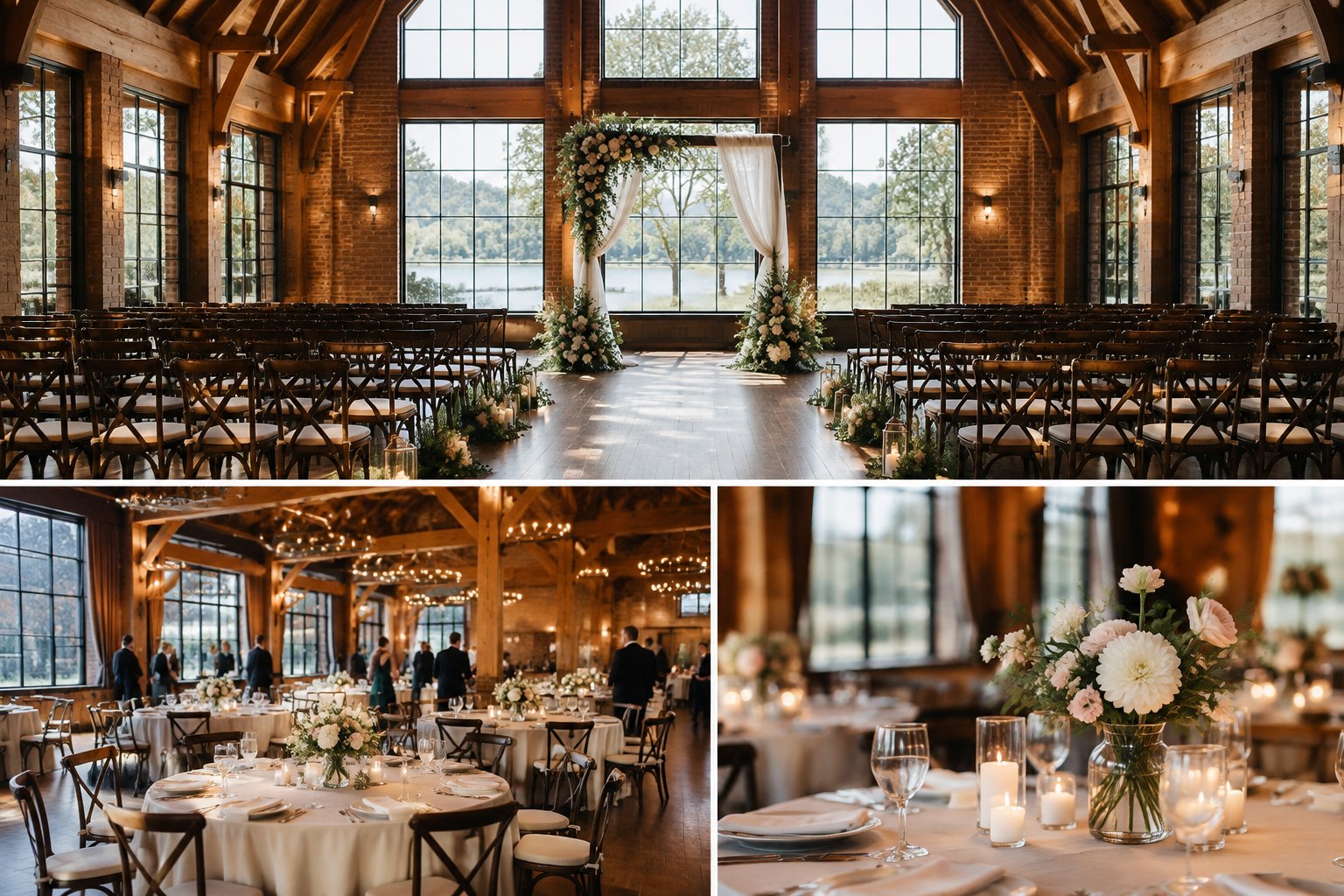
Start with a realistic guest count and a few must-haves, such as an indoor ceremony space or an on-site bar. Then arrange tours of your top choices and ask for written details about pricing, policies, and what the rental includes.
What Types of Indoor Wedding Venues Can You Find in Minnesota?
Minnesota’s indoor wedding venues include flexible event halls, rustic barns, character-rich historic buildings, and restaurant spaces. Think about the setting you want and how much planning support will help you create it.
Banquet Halls and Event Halls
A banquet hall or event hall gives you a dedicated space for a reception, often with room for dining and dancing. Some halls offer a flexible layout that you can style to fit your plans; others provide a more finished look with built-in décor or furnishings. Ask how the hall is arranged for a seated dinner and whether you can bring in your preferred vendors.
For a ceremony and reception at the same location, check whether there is a separate ceremony room or enough time to reset the reception space. If you’re comparing ceremony-focused locations, indoor wedding ceremony venues can help you think through the kinds of spaces that suit your plans.
Barns, Historic Properties, and Restaurant Spaces
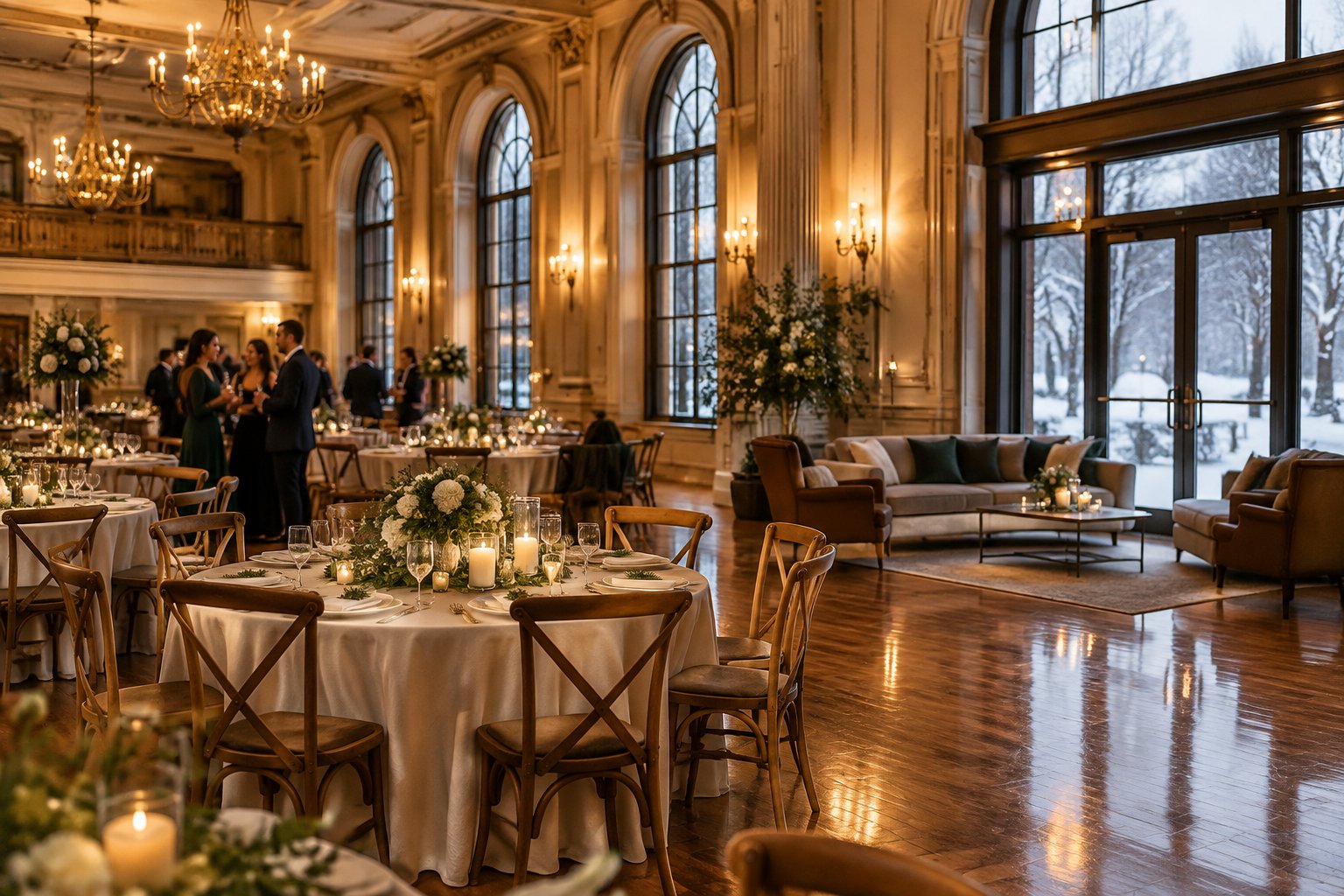
Barn venues offer a warm, rustic setting, with features such as exposed beams or wood interiors. Ask how the indoor space handles your guest count and whether it has heating and air conditioning for your wedding date. If you’re looking around Minneapolis and St. Paul, Twin Cities barn wedding venues give you a starting point for exploring this style.
Historic properties bring their own architecture and atmosphere, while restaurants can make food and service a central part of the celebration. Check which rooms are available for private events, how the venue handles music, and whether your event shares any spaces with regular guests.
How Do You Match Capacity and Layout to Your Guest List?
Choose a venue based on the space you need for your full event setup, not only the maximum number of people allowed in the room. Your guest estimate, table plan, dance floor, and service areas all shape how comfortable the room will feel.
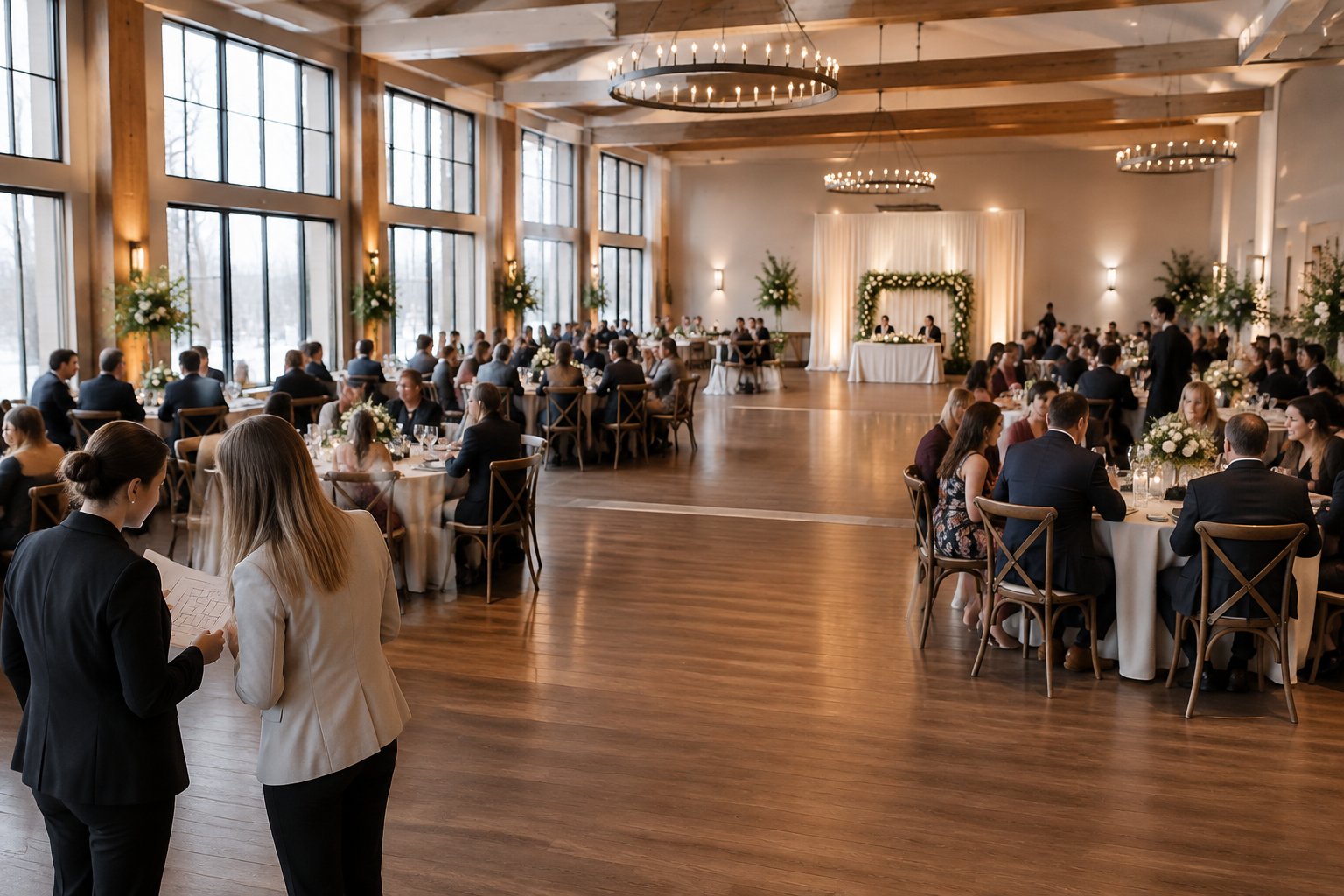
Before you tour, create a working guest count and decide which parts of the day will share a room. A floor plan for your expected attendance helps you compare spaces with more confidence.
Guest Capacity for Your Seating Plan
Ask each venue for its recommended capacity for a seated dinner with dancing, then request a sample floor plan at a similar guest count. A venue’s stated maximum may describe a different setup, such as ceremony rows without dining tables or a dance floor.
For a seated reception with dancing, a rough planning range is 12 to 15 square feet per guest, with more space needed for a buffet, bar, band, or wide aisles. Use this as an initial estimate and ask the venue to confirm how its room works with your setup. If your list is still in progress, estimate how many guests will attend before you finalize your venue shortlist.
Ceremony, Dining, and Dancing in One Space
One room can host the ceremony and reception when the venue has enough time and staff for the room reset. Ask where guests wait during the changeover, how long the flip takes, and who moves chairs or tables. If the ceremony and dinner use different layouts, ask to see a floor plan for each.
Your seating choices also affect movement through the room. Leave clear paths to the bar, restrooms, and exits, and place the dance floor where guests can reach it easily. For help planning table arrangements, learn how to sort a wedding seating plan.
Which Amenities and Venue Policies Should You Check?
Review the venue’s food and beverage rules, guest access, and setup policies before you book. These details affect your vendor choices, schedule, and total cost.

Ask the venue to share its policies in writing, including any fees tied to outside vendors or added services. You can then compare the guest experience and logistics across your options.
Catering and Bar Options
Confirm whether outside catering is allowed or whether you must use an in-house team or preferred vendors. Ask about food minimums, service fees, kitchen access, and any restrictions on menu choices. If the venue offers a full bar, check what the package covers, including bartenders, glassware, mixers, and drink service hours.
Clarify whether you can provide your own alcohol and whether corkage or staffing fees apply. Ask who handles setup and cleanup for catering equipment, especially if your food vendor is coming from outside the venue.
Internet Access and Outdoor Areas, Accessibility, Parking, and Setup
Ask whether wireless internet is available for your vendors and guests, and confirm the signal reaches the event room. If you want an outdoor function area for photos or cocktail hour, check how guests move between indoor and outdoor spaces. Indoor-outdoor wedding venues can help you consider how both kinds of space might fit into your plans.
Check accessible entrances, restrooms, and routes between event spaces. Confirm the parking setup and whether guests need to walk far from the lot. Also ask when vendors can arrive, what setup the venue provides, and when cleanup must be complete.
How Much Should You Budget for Venue Rental?
Build your venue budget from the full written quote, including rental fees and required services. Comparing the same guest count, date, and event setup makes it easier to see which option fits your budget.
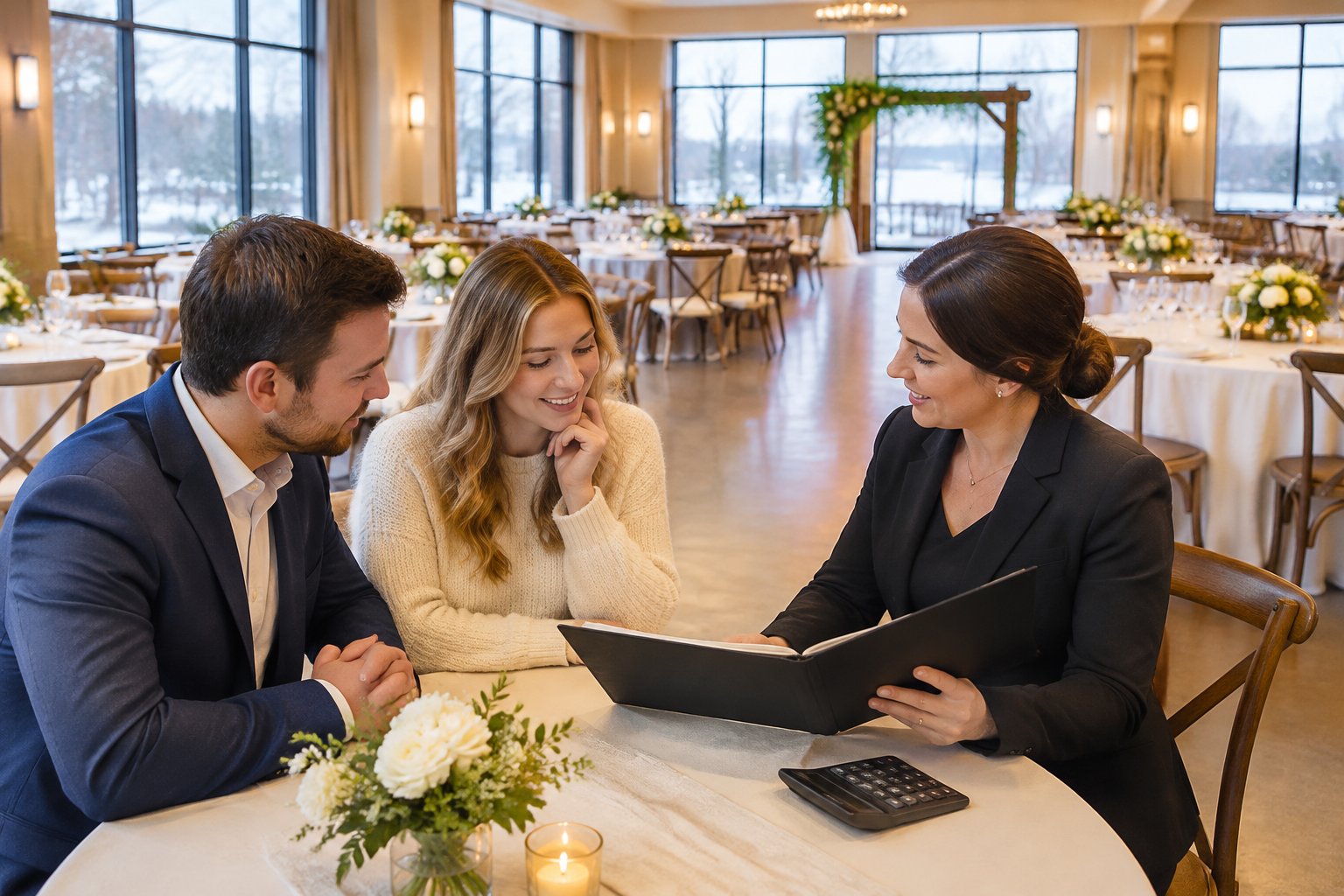
Prices can vary with location, season, day of the week, and what the venue includes. For a broader pricing reference, explore what wedding venues cost as you prepare your questions.
Compare Hire Fees and Per-Guest Costs
Ask whether the venue charges a flat rental fee, a per-guest rate, or a combination of both. A lower room fee may come with required catering, beverage minimums, or rentals. A higher quote may include tables, chairs, staffing, or setup support.
Compare venues using your expected headcount and date. If you have flexibility, request prices for a weekday or an off-season date, and ask whether the venue offers different packages.
Check What the Quote Includes
Request an itemized quote that lists the rental period, tables and chairs, linens, staffing, cleaning, and any required vendors or services. Check whether taxes, service charges, overtime, and security are included. Ask how the price changes if your guest count or schedule changes.
Record each venue’s included items and additional charges in the same format. That makes it easier to compare the full cost of your planned event, including any rentals you would need to arrange separately.
How Can You Compare Venues and Book with Confidence?
You can book with confidence by touring spaces that fit your guest count, asking direct questions, and reviewing the contract before paying a deposit. Keep your notes and written quotes together so you can compare the same details for each venue.
Bring your floor plan and a list of must-haves to each visit. If you can attend a wedding venue open house, use it to view the space and meet vendors, then arrange a focused tour for contract and layout questions.
Questions to Ask During a Site Visit
Walk through the full guest route, from arrival to departure, and imagine each part of your schedule in the space. Ask:
- What is the comfortable seated capacity with a dance floor?
- Which tables, chairs, and setup services are included?
- Who coordinates the room flip and vendor access?
- What are the rules for catering, alcohol, music, and décor?
- Where can guests park, and which areas are accessible?
- What indoor backup space is available for any outdoor plans?
Ask to see a floor plan for a wedding close to your guest count. Photos of past events can also help you judge how the room looks when furnished and decorated.
Availability, Deposits, and Cancellation Terms
Confirm your preferred date and ask how long the venue will hold it while you review the contract. Read the payment schedule, deposit terms, cancellation policy, postponement rules, and any deadlines for final guest counts.
Check whether changes to the date or event schedule create added fees. Before you sign, make sure every verbal promise appears in the agreement, including included services and vendor rules.
Save the signed contract, payment receipts, and final quote in one place so you can refer to them as plans develop.