
Mountain Wedding Venues East Coast: 2026 Scenic Picks
Your strongest East Coast choices include the Blue Ridge for forested views, the Catskills and Berkshires for historic character, and the Green and White Mountains for alpine scenery. Each region offers a different setting for your ceremony and guest weekend.
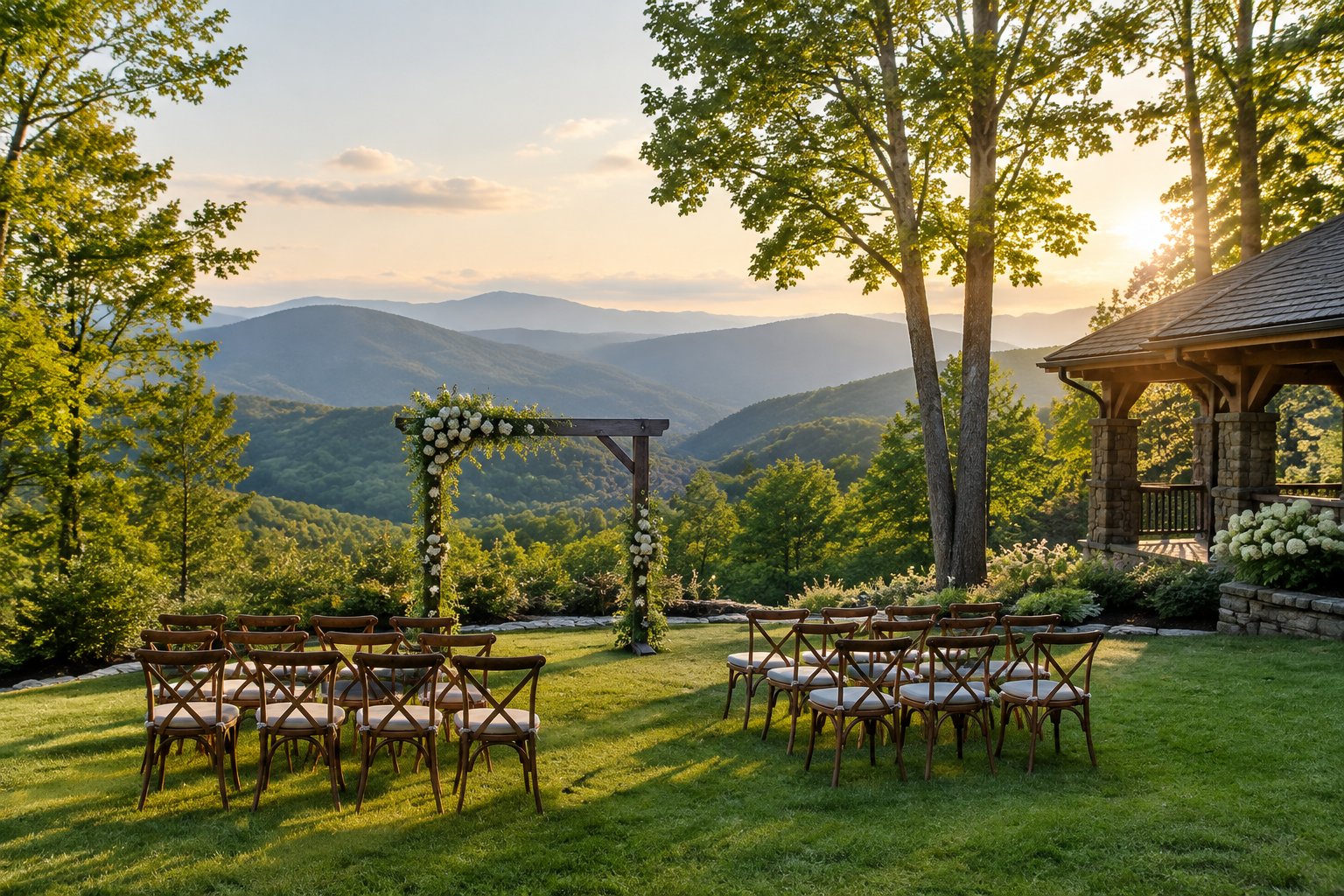
Searching “mountain wedding venues east coast” brings up everything from wooded overlooks to grand lodges. Start by choosing the landscape and travel radius that suit your plans, then ask venues for current date availability and itemized pricing.
Which East Coast Mountain Region Fits Your Wedding?
Your preferred scenery can narrow the search quickly: the Blue Ridge offers lush ridgelines, the Catskills and Berkshires pair mountain views with historic character, and northern New England brings a more alpine feel.
Blue Ridge Mountains for Forested Views
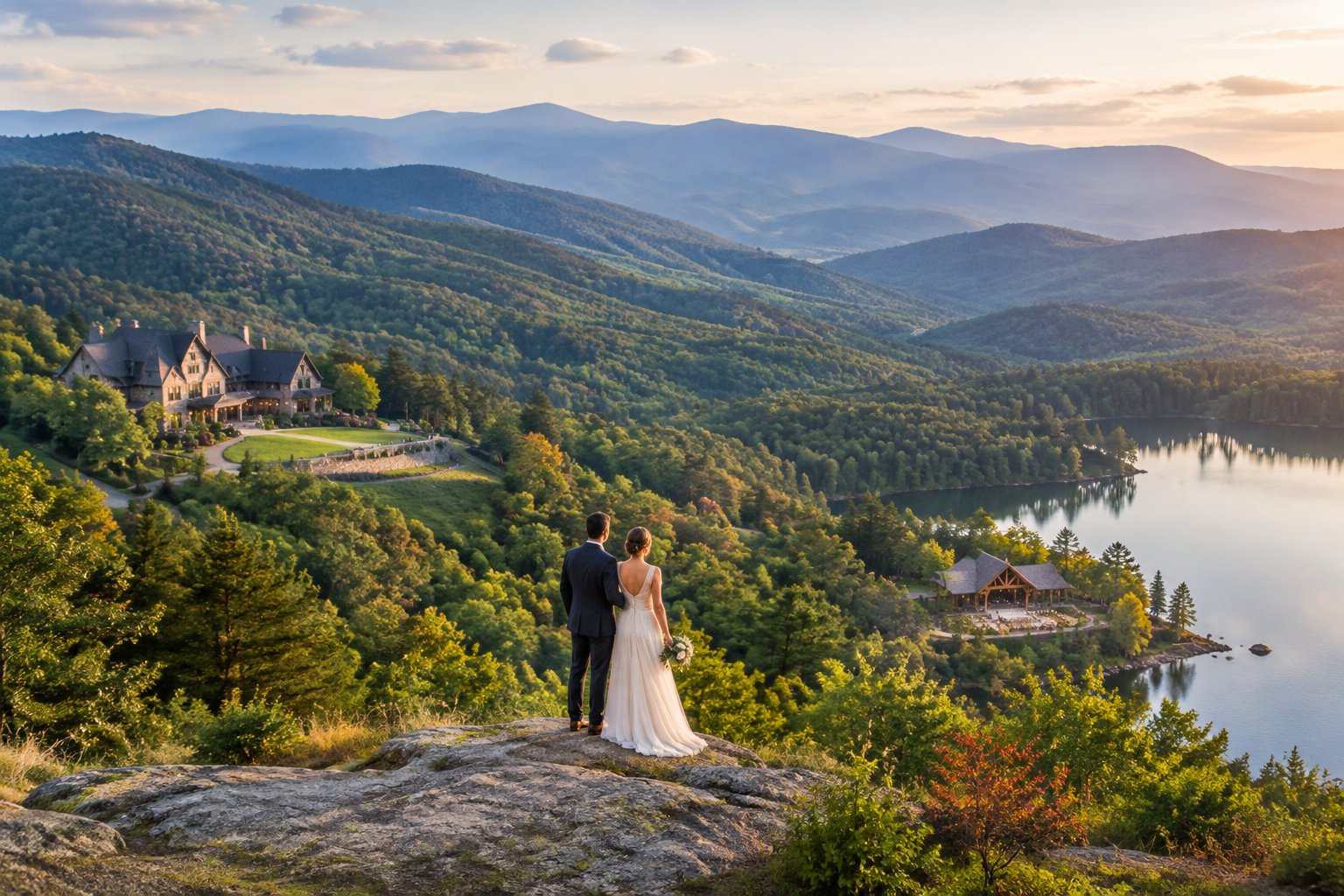
Choose the Blue Ridge if you want layered ridges and wooded settings across Virginia and North Carolina. You’ll find options ranging from resorts to smaller retreats, so check how the ceremony site, reception space, and guest lodging fit together. Browse Blue Ridge Mountain wedding venues to get a feel for the region’s range.
The Catskills and Berkshires for Historic Charm
The Catskills and Berkshires suit you if you’re drawn to established inns, formal grounds, and mountain scenery with a sense of history. Mohonk Mountain House, near New Paltz, is a well-known resort in the Shawangunk Mountains. In the Berkshires, Tanglewood is a major cultural landmark that helps give the region a distinctive arts-centered feel.
The Green and White Mountains for Alpine Scenery
For a northern New England setting, look to Vermont’s Green Mountains and New Hampshire’s White Mountains. You’ll find resort towns, mountain lodges, and outdoor spaces framed by steep peaks. Topnotch Resort in Stowe is one example to explore in Vermont; ask about event spaces, lodging, and seasonal access when you inquire.
Which Venue Style Suits Your Celebration?
Your venue style shapes how much planning you handle and how your guests spend the weekend. Resorts bundle hospitality with event spaces, historic inns bring a strong sense of place, and private retreats give you room to shape a more personal gathering.
Full-Service Mountain Resorts
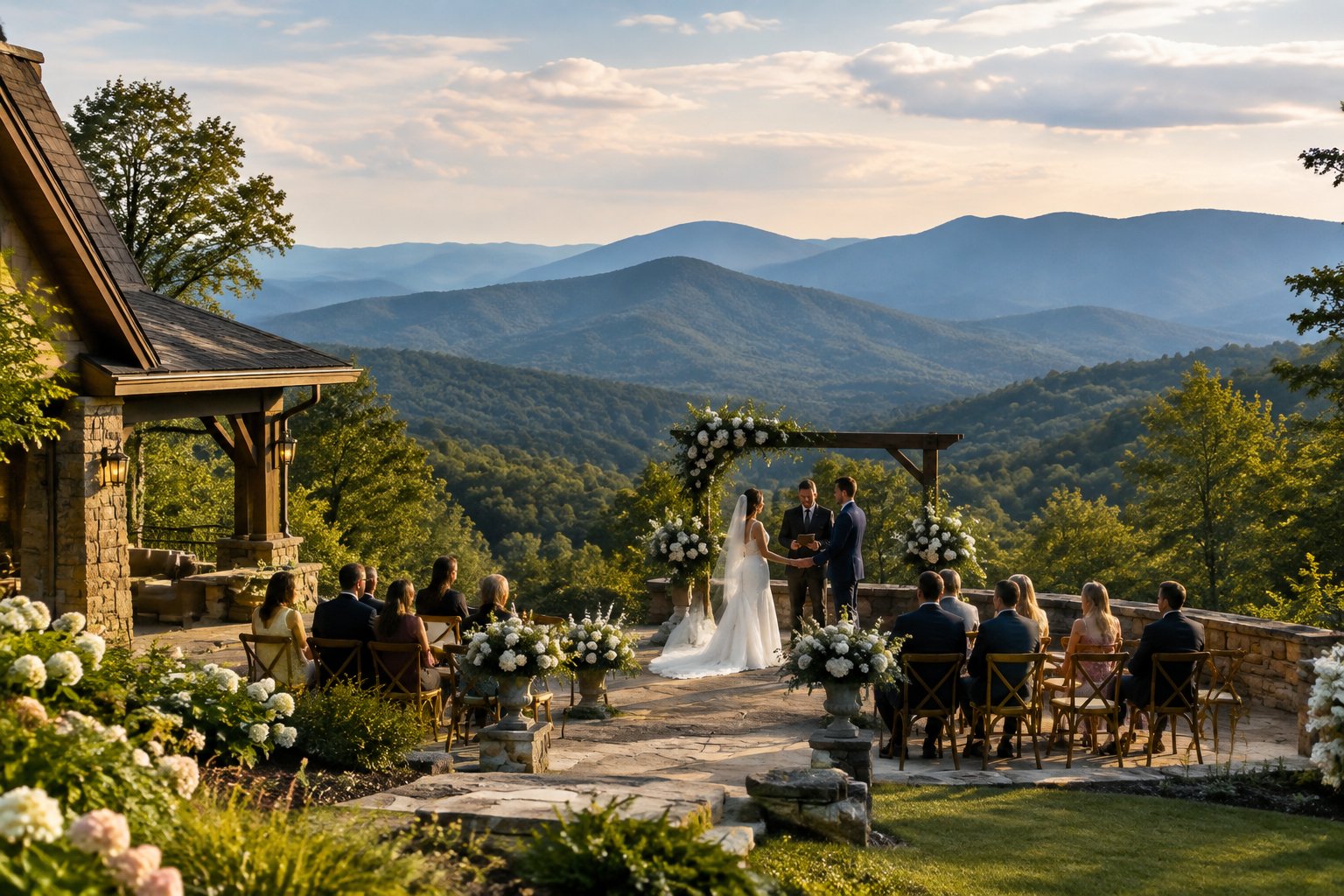
A resort can simplify guest arrangements when lodging, meals, and event spaces sit on one property. Topnotch Resort and Mohonk Mountain House are examples to consider as you compare settings and service styles. Ask what your quoted package covers, including staffing, meals, furniture, and setup. If you’re still choosing a direction, use these questions to figure out your wedding style.
Historic Inns and Lodges
An inn or lodge gives your celebration a more intimate setting, with architecture and grounds that contribute to the atmosphere. Check the number and type of guest rooms, the size of the reception space, and whether the property can host your full guest list comfortably. If your wedding includes guests staying overnight, confirm room-block terms and nearby lodging options.
Private Estates and Outdoor Retreats
Private estates and retreats give you more freedom to shape the event flow, from the ceremony site to gathering spaces between events. Review vendor rules, rental periods, restroom access, and setup needs before booking. For an outdoor mountain wedding, ask how the property handles uneven ground and what accessible routes are available for guests.
How Do You Compare Venues and Guest Logistics?
Compare wedding venues by looking at guest capacity, lodging, travel, and weather plans together. A scenic site works best when your guests can reach it safely and move through the day comfortably.
Check Guest Capacity and On-Site Lodging
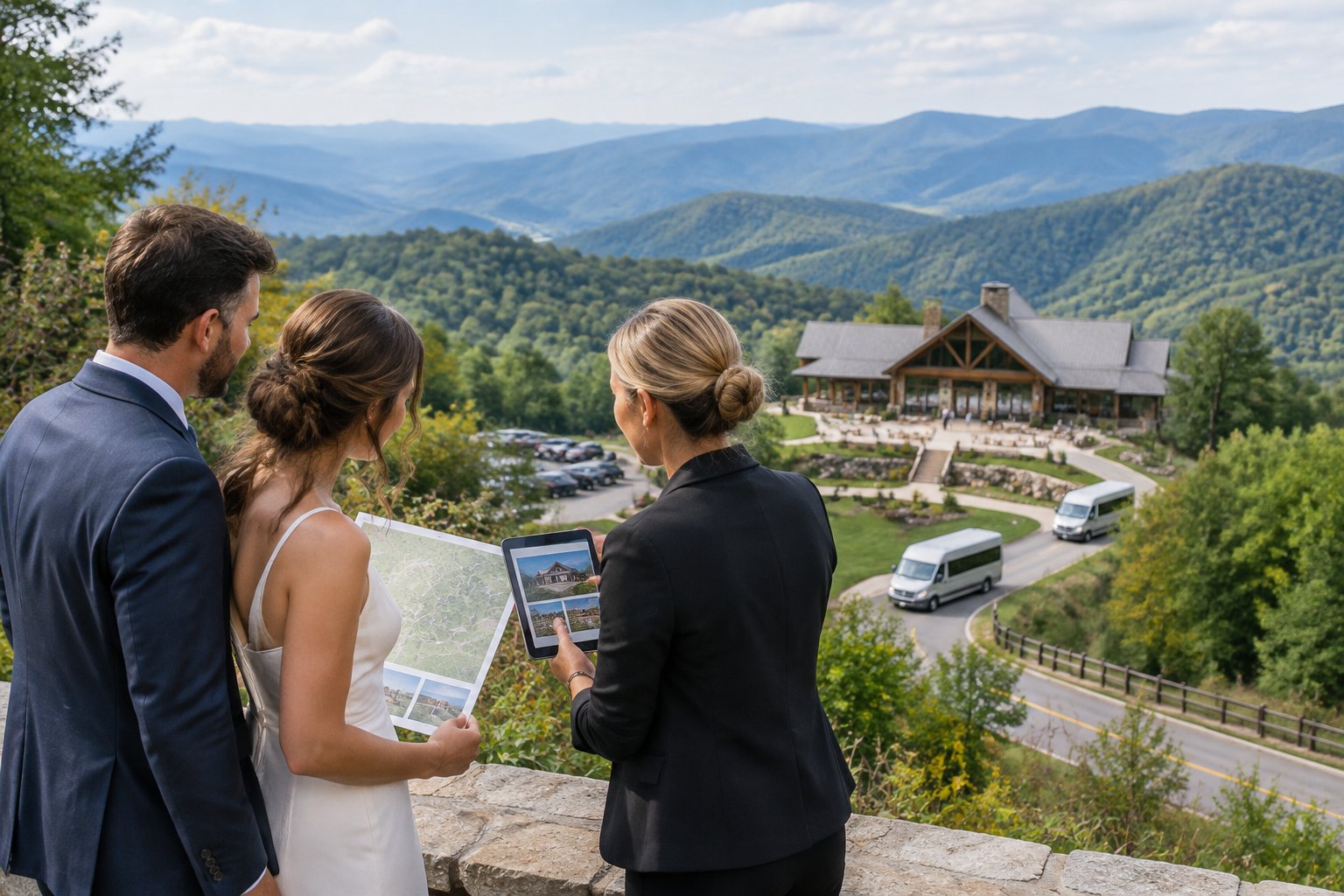
Ask for the seated capacity for both the ceremony and reception, then confirm whether the count includes vendors and children. If the venue has lodging, find out how many rooms are on-site and how guests can reach nearby hotels. For a multi-day gathering, sketch a wedding weekend itinerary around check-in, the rehearsal, and the reception.
Compare Airport Access and Mountain Roads
Check drive times from the nearest airports and major guest cities, then review the final stretch of the route. Mountain roads can include steep grades, tight turns, and limited lighting, so share clear arrival instructions with guests. Ask the venue about parking, shuttle access, winter road conditions, and transportation for guests who prefer not to drive.
Confirm Backup Spaces and Ceremony Rules
Ask to see the indoor backup space in person and confirm its capacity, layout, and rain-plan decision deadline. Review ceremony rules for sound, decorations, candles, and timing, along with any limits on tents or outdoor lighting. If you’re considering a fully indoor plan, compare indoor wedding ceremony venues with outdoor properties that have a covered backup.
What Does an East Coast Mountain Wedding Cost?
Your total depends on the venue’s package, guest count, season, and travel needs. Request an itemized estimate so you can compare the full event cost, including required services and guest transportation.
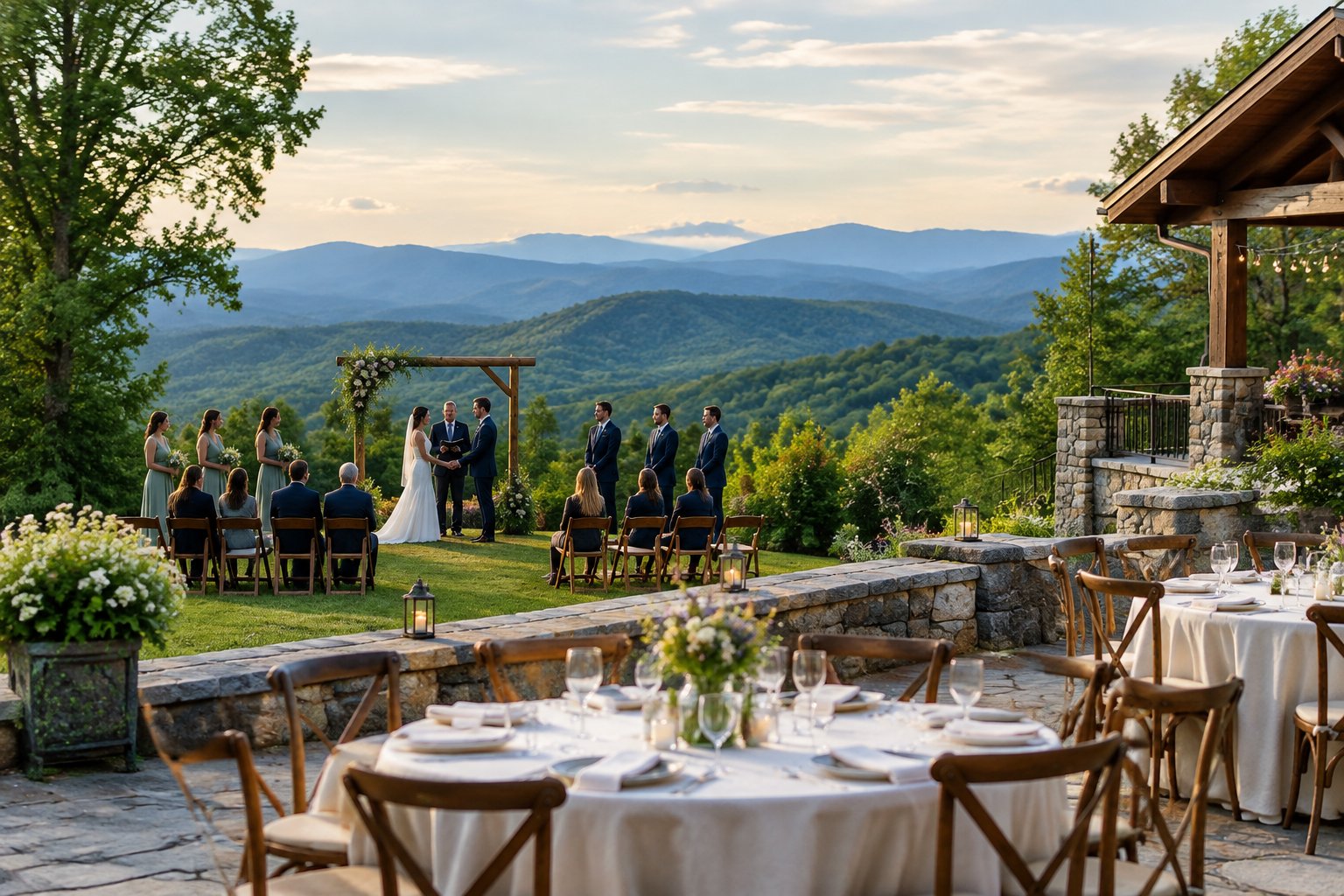
Estimate Venue, Food, and Lodging Costs
Start with the venue fee, then add catering, beverages, staffing, rentals, and any required coordinator. Ask whether tables, chairs, linens, setup, cleanup, and ceremony access are included. Guest lodging is a separate part of the budget, so share room rates and booking deadlines early. For a wider budget framework, review how expensive a good wedding can be.
Budget for Shuttles and Weather Plans
Mountain locations can add transportation costs if guests need shuttles between hotels and the venue. Include shuttle hours, vehicle capacity, and pickup points in your estimate. Set aside funds for the weather plan too: a tent, heaters, flooring, or an indoor-space fee can change your total. Ask which backup arrangements are included in the contract and which require added payment.
Which Season and Activities Fit Your Wedding Weekend?
Fall brings colorful foliage, winter offers snow-covered scenery in some areas, and warmer months give guests more time outdoors. Choose your date with local weather, road access, and the activities you want to offer in mind.
Weigh Peak Foliage Against Winter Scenery
Fall dates can bring striking foliage, especially in northern New England and the mountain regions of New York. Leaf color varies from year to year, so avoid building your plans around a single predicted peak week. For seasonal décor and color ideas, explore autumn wedding ideas.
Winter weddings create a cozy atmosphere with fireplaces and indoor celebrations, while nearby ski areas can add skiing and snowboarding to the weekend. Check road conditions, guest transport, and the venue’s winter access before you book a date.
Plan Guest Activities Beyond the Wedding Day
A weekend celebration gives guests time to enjoy the region. Depending on the location and season, your plans could include mountain biking, climbing, or ziplining.
Check age limits, weather policies, travel time, and advance booking rules before sharing activity options. Send guests a schedule with event times, transportation details, and what to wear for outdoor plans.