
15 Play Date Ideas for Kids That Are Fun and Easy to Plan
Planning a playdate for your child can feel challenging, especially when you want to keep things fun and simple.
You want activities that will hold their attention and help them enjoy time with friends.
Playdates give kids a chance to connect, learn, and have fun in a relaxed setting.
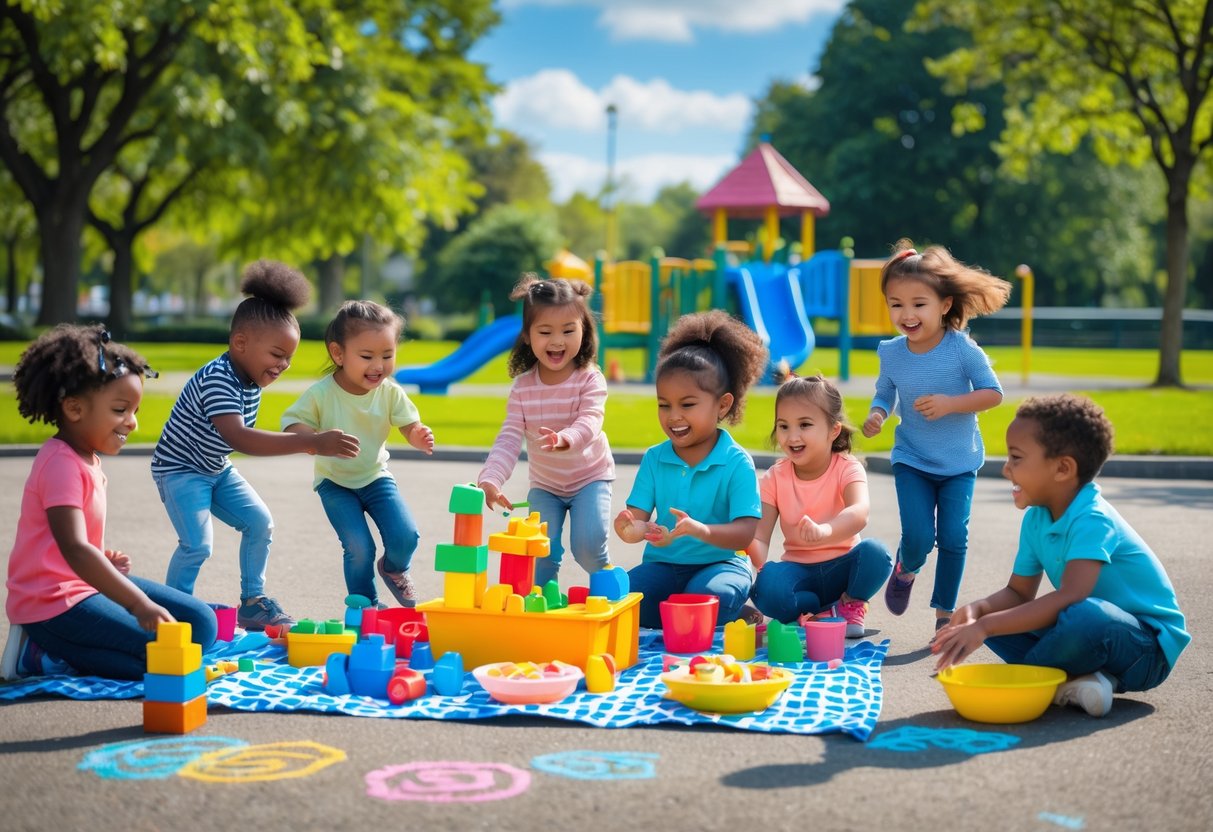
You don’t need to spend a lot of time or money to create a playdate your kids will love.
Whether you have a quiet afternoon or just a couple of hours, you can find plenty of easy ideas to keep children happy and busy.
1) Build a blanket fort indoors
You can build a cozy space by making a blanket fort with chairs, blankets, and pillows.
Kids love to play and imagine inside their fort.
Add fairy lights or a soft rug to make it extra comfy.
This activity is perfect for rainy days or when you want calm indoor fun.
For inspiration, check out how to build blanket forts with basic items.
2) Backyard treasure hunt
Set up a backyard treasure hunt to get kids moving and thinking.
Hide small prizes or clues around the yard for them to find.
Write simple rhyming clues to make the game more fun and help kids work together.
This activity is easy to prepare and keeps kids active while exploring outside.
For more ideas, check out creative outdoor treasure hunt clues for kids.
3) DIY tie-dye T-shirts
Make your playdate colorful with DIY tie-dye T-shirts.
Kids enjoy twisting and folding plain shirts to create fun patterns.
You only need non-toxic dyes and some old shirts.
This creative activity keeps kids busy and lets them express themselves.
Find easy step-by-step guides for patterns like spirals and bullseyes online, such as this tie-dye guide for kids.
4) Mini science experiments
Make playdates both fun and educational with mini science experiments.
Use simple items from around your home for quick experiments.
Kids can watch chemical reactions, explore floating objects, or see colors change.
Try easy projects like a baking soda volcano or color-changing flowers.
These activities keep kids curious and engaged.
For more ideas, check out 5-minute science experiments for kids.
5) Nature walk with a scavenger list
Take your kids outside for a nature walk with a scavenger list.
Write a simple list of things to find, like leaves, stones, feathers, or flowers.
Kids enjoy searching for items and learning about nature.
It’s a great way to get fresh air and explore together.
Download free scavenger hunt printables to guide you.
See more ideas for a nature scavenger hunt.
6) Outdoor chalk art
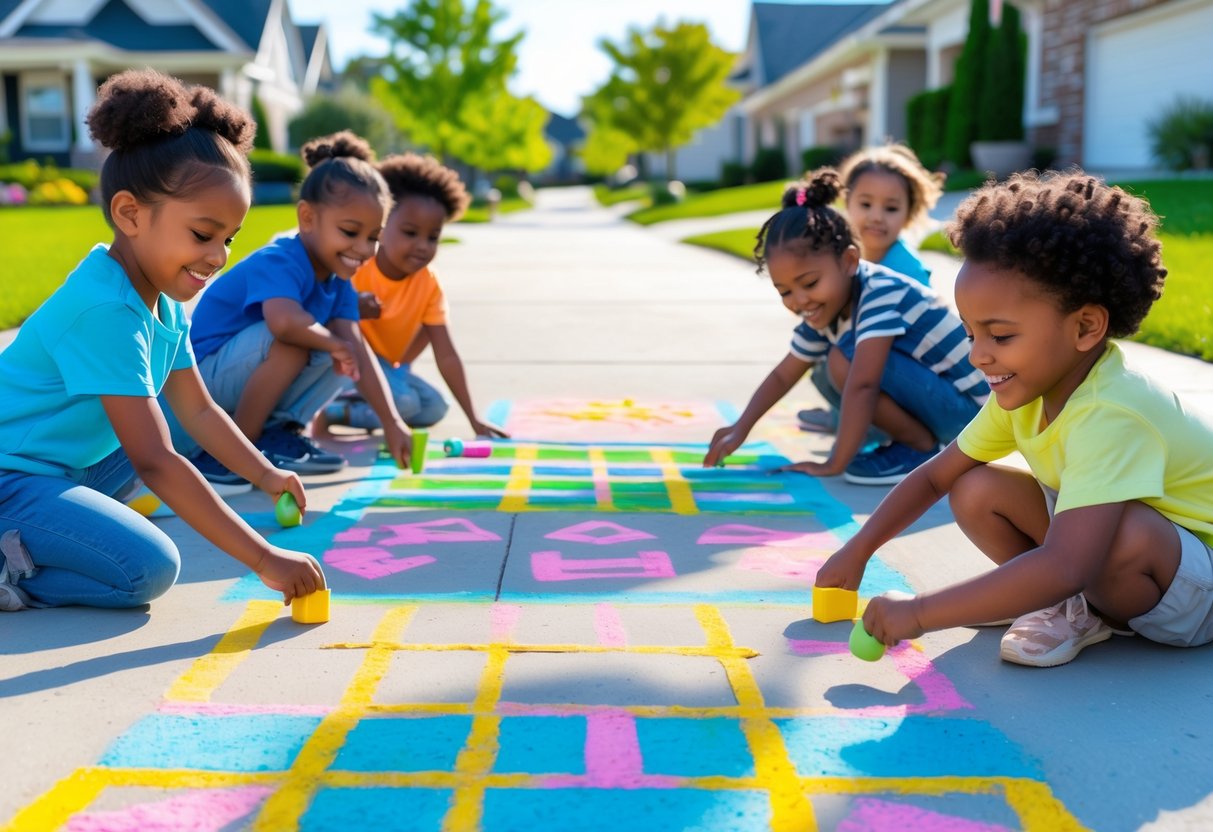
Turn your sidewalk or driveway into a colorful canvas with outdoor chalk art.
Kids can draw pictures, make patterns, or create games like hopscotch.
Chalk art builds fine motor skills and encourages imagination.
It’s easy to clean up when you’re done.
Try this activity for some colorful fun outdoors.
For more inspiration, check out fun sidewalk chalk activities.
7) Baking simple cookies together
Baking cookies is a fun way to spend time with your kids.
Pick easy recipes that need only a few ingredients and steps.
Let your kids decorate the cookies to add their own touch.
This activity teaches measuring and following instructions.
Enjoy a tasty and creative playdate any time.
Find simple recipes and tips for baking with kids here.
8) Create a sensory bin
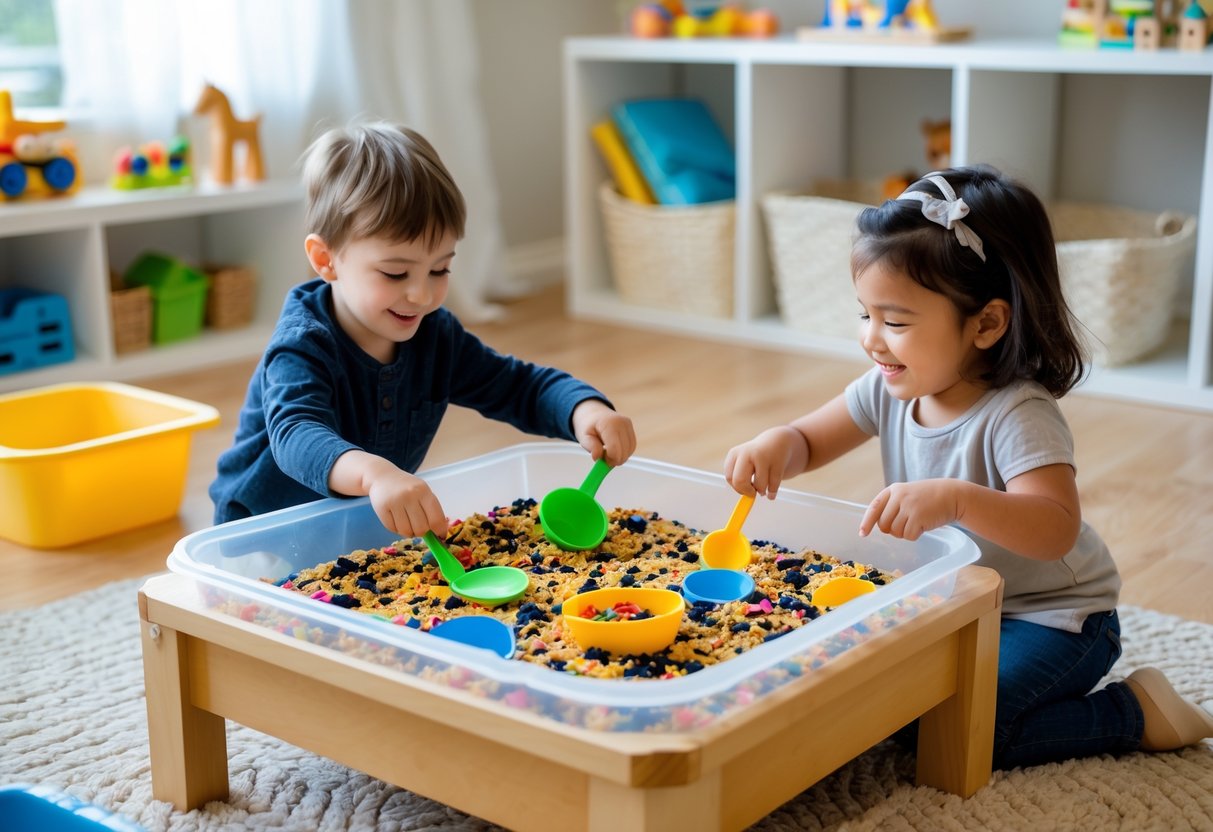
Make a sensory bin using items like rice, beans, or sand.
Add small toys or tools for scooping and pouring.
Sensory bins help kids explore different textures and keep them busy.
They encourage creativity and can fit any theme or season.
For more ideas, check out sensory bin playdate ideas for toddlers.
9) Play dress-up and role-play
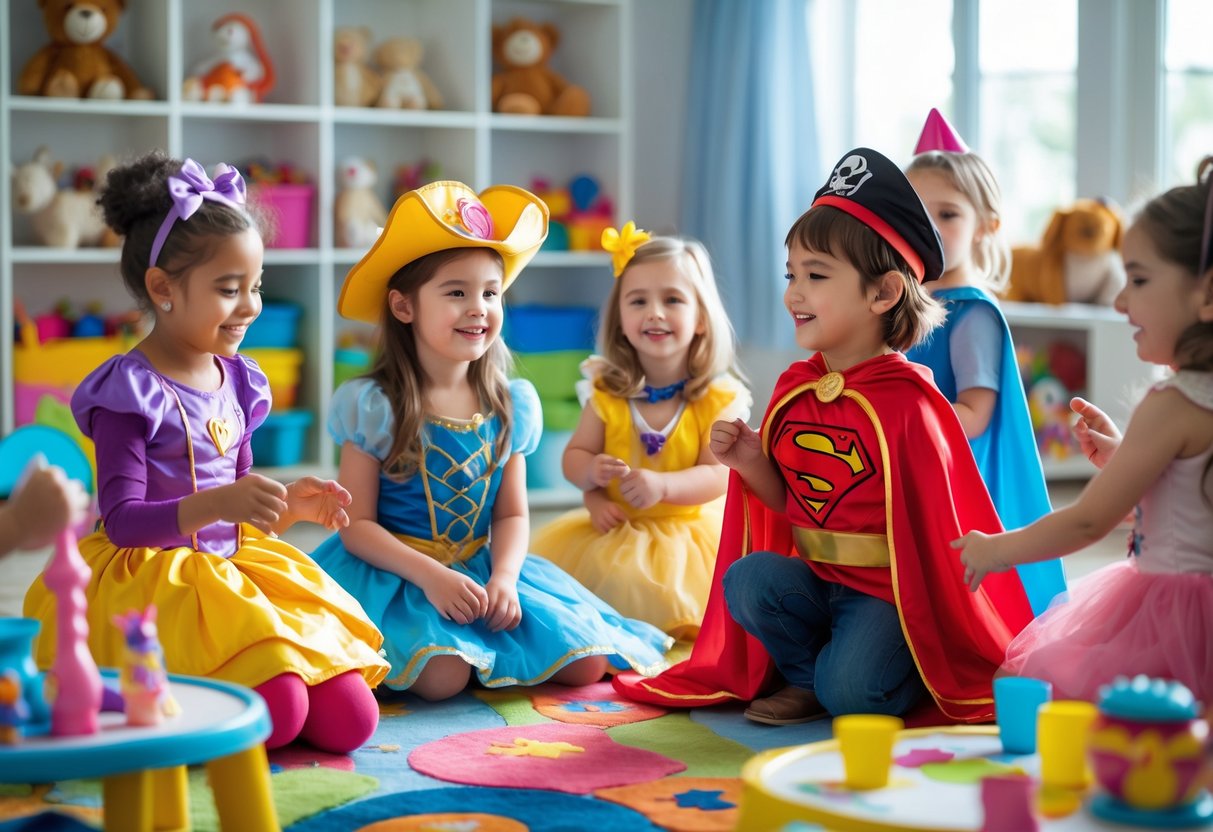
Turn dress-up and role-play into a fun playdate activity.
Use clothes, hats, or household items to spark imagination.
Kids love pretending to be different characters, such as chefs, superheroes, or explorers.
This type of play builds language and teamwork skills.
Find more simple ideas for dress-up and role-play at dress-up play for kids.
10) Water balloon toss
You and your kids can have fun with a water balloon toss.
Pair up and stand close, then toss the balloon gently back and forth.
Each round, step back to make it harder.
Try not to drop or burst the balloon.
This game is great for cooling off and building teamwork.
Find simple rules at a water balloon toss guide.
11) Storytime with puppet show
Make storytime more fun by adding a puppet show.
Use simple puppets, like sock or stick puppets, to bring the story to life.
Kids enjoy watching and joining in with the puppets.
Encourage your child to create their own puppet characters.
After reading a story, let them act it out.
This activity sparks imagination and makes playdates exciting.
Find easy ideas for puppets and storytime here.
12) Craft friendship bracelets
You and your kids can make friendship bracelets together.
This simple craft helps children bond and feel proud of their creations.
Use colorful threads or beads to create unique designs.
This activity works well for playdates, summer camps, or birthday parties.
Try easy patterns kids can make on their own, like these easy friendship bracelets for kids.
13) Host a themed movie marathon
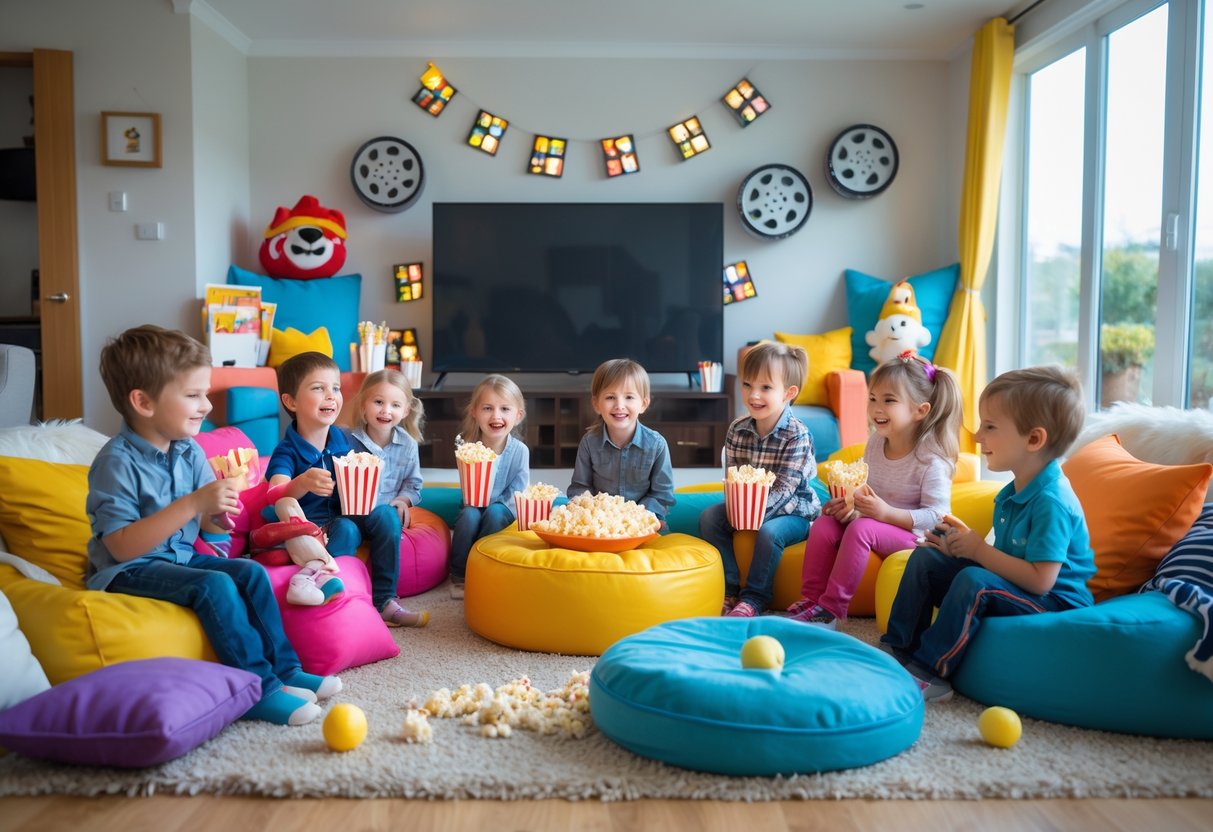
Plan a fun movie marathon with a cool theme, such as superheroes, animals, or fairy tales.
Pick movies your kids love and create a cozy space with blankets and pillows.
Add snacks that match the theme to make it special.
Watching movies together entertains kids and gives them a chance to relax.
For more ideas, check out family-friendly movie marathon ideas.
14) Plant a small garden
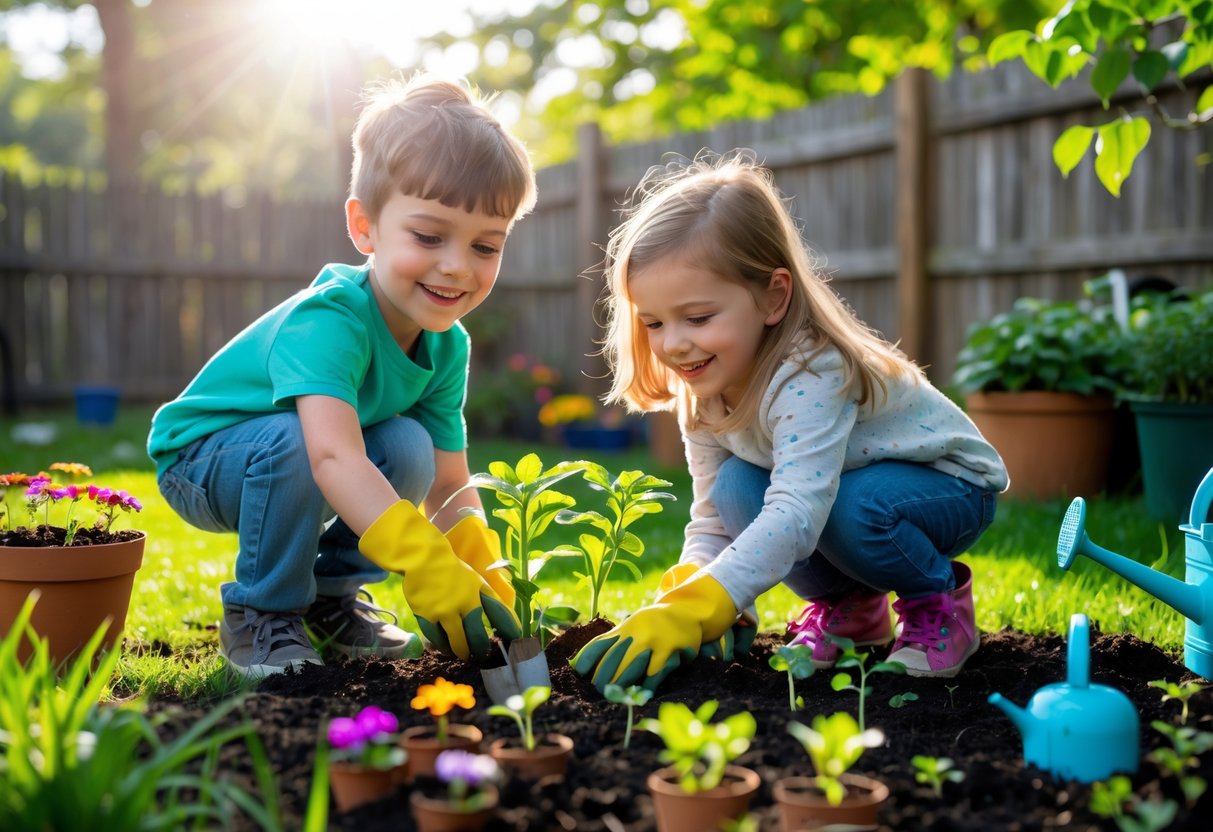
You can start a small garden with your kids to make your play date fun and educational. Choose easy plants like herbs or flowers so the kids see quick results.
Kids enjoy planting seeds, watering, and watching their garden grow. This activity teaches patience and responsibility.
It also gives your kids a chance to explore nature in your backyard. Try adding decorations or small fairy garden items to make it more exciting.
For more inspiration, check out creative small garden play area ideas.
15) Play classic board games
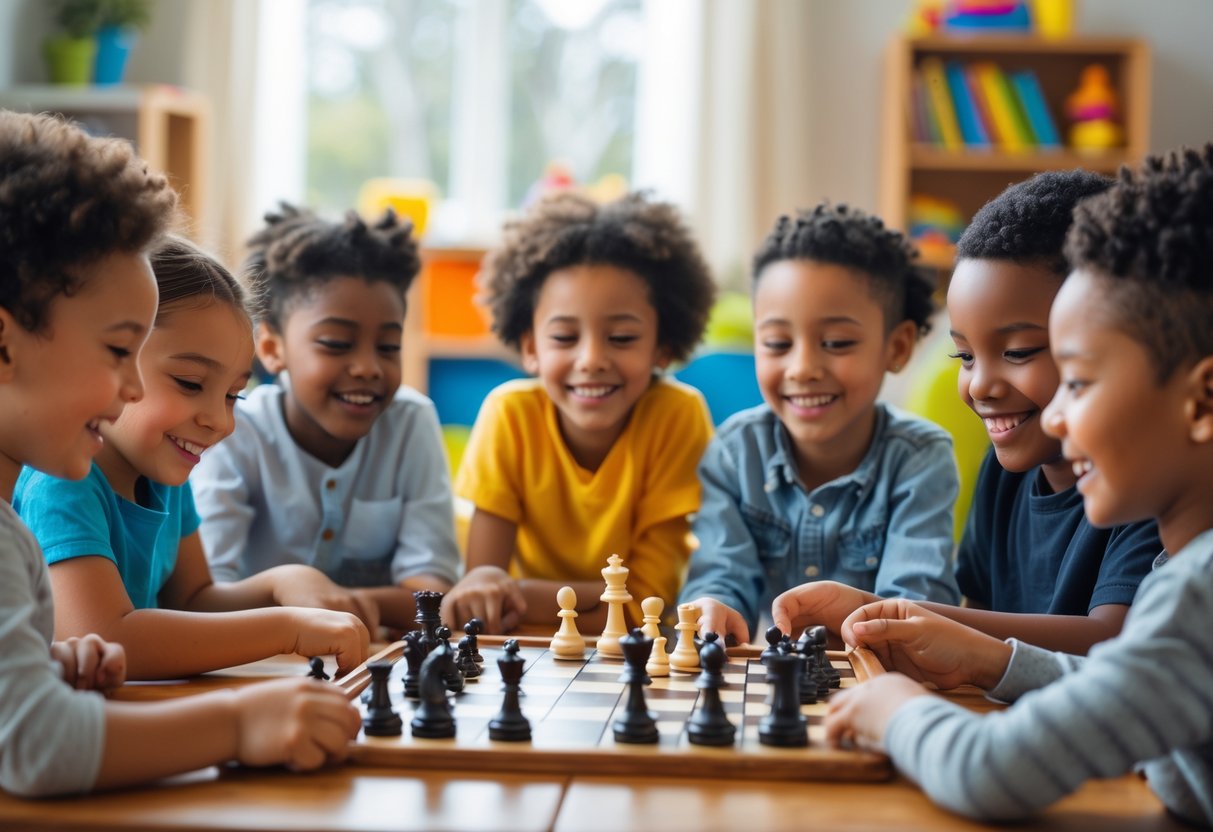
Bring out some classic board games for a fun playdate. Games like Monopoly, Scrabble, or Chess are great for kids and help them learn while playing.
Set up a cozy game spot with snacks to make it even better. Playing together gives kids a chance to bond and enjoy friendly competition.
Find more ideas for classic games at classic family board games.
Benefits Of Play Dates
Play dates do more than break up the routine. They help your child build important skills and express themselves in new ways.
This time spent playing with others shapes many parts of your child’s growth.
Building Social Skills
When your child plays with others, they learn how to share, take turns, and communicate. These moments teach patience and respect for others’ feelings.
Your child practices using words to solve problems instead of getting upset. They also learn to cooperate during games, which builds teamwork skills.
Play dates give your child chances to meet different kids and become comfortable in social settings. Even short, simple interactions at play dates help build trust and friendships.
These social skills are important for school and later in life.
Encouraging Creativity
Play dates spark your child’s imagination. When kids play together, they often invent new games, stories, and crafts.
This creativity grows when children feel free to explore and try new ideas. You can support this by providing art supplies, building blocks, or costume pieces.
Creative play helps your child think in new ways and solve problems. It also keeps their brain active and eager to learn.
Supporting Emotional Growth
Play dates help your child learn about their own feelings and the feelings of others. When kids play, they experience winning, losing, and making compromises.
This helps them understand emotions like joy, frustration, or empathy. By watching your child’s reactions, you can guide them in handling these feelings well.
Playing with friends helps kids build confidence and feel secure, which improves their emotional well-being over time.
For more about why playdates matter, check out this psychology article.
Tips For Organizing Successful Play Dates
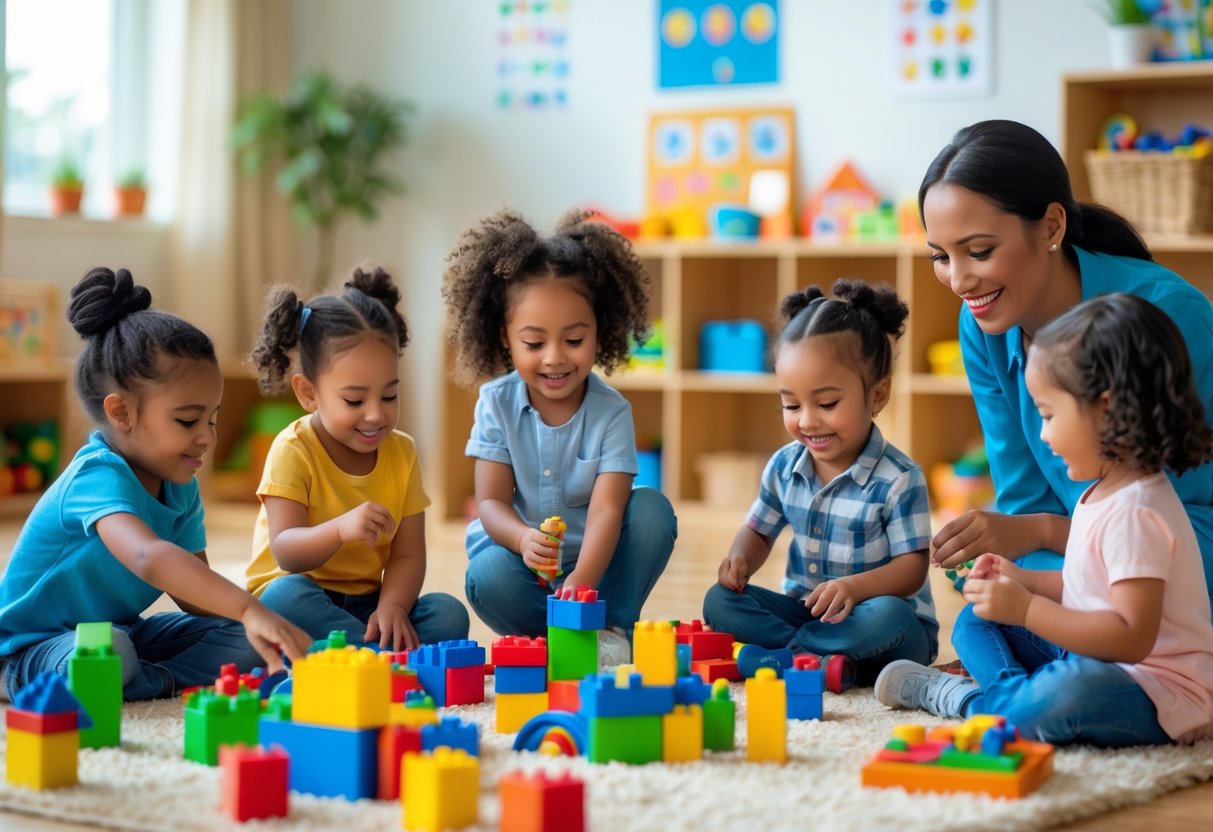
To make a play date smooth and fun, create a safe spot for kids and pick activities that match their age. This helps kids feel comfortable and enjoy their time together.
Choosing A Safe Environment
Pick a place where kids can move around freely without danger. If you host the play date at home, clear away fragile or expensive items.
Move glass decorations or sharp objects out of reach. Make sure toys and furniture fit the kids’ size and age.
Use baby gates if you need to block stairs or unsafe areas. Check the floor for small objects that could cause choking.
If you plan an outdoor play date, choose a fenced yard or a quiet park. Watch the weather and prepare for sun, rain, or cold.
Having a separate quiet space for kids who need a break can help too. For more helpful ideas, see how to organize a perfect play date.
Setting Age-Appropriate Expectations
Consider the ages of the kids when you plan activities. Younger children may get tired quickly or need simple tasks that don’t require much sharing.
Older kids can enjoy longer play times and more complex games. Try to keep the play date under two hours to prevent crankiness, especially for younger children.
Choose activities that match their skill levels. For example, use building blocks for toddlers and team games for school-age kids.
Tell kids what will happen before they arrive, such as snack times or quiet reading breaks. This helps everyone feel more comfortable and prepared.
For more ideas on planning fun activities, check out 10 tips for organizing kids’ playdates.