
Rustic Wedding Venues for Sale: A Buyer’s Guide
You can find rustic wedding venues for sale through business-for-sale marketplaces, commercial property listings, and local brokers, with options ranging from operating barns to rural estates. Your first task is to decide whether you want an established venue, a property to convert, or a business that comes with both real estate and bookings.
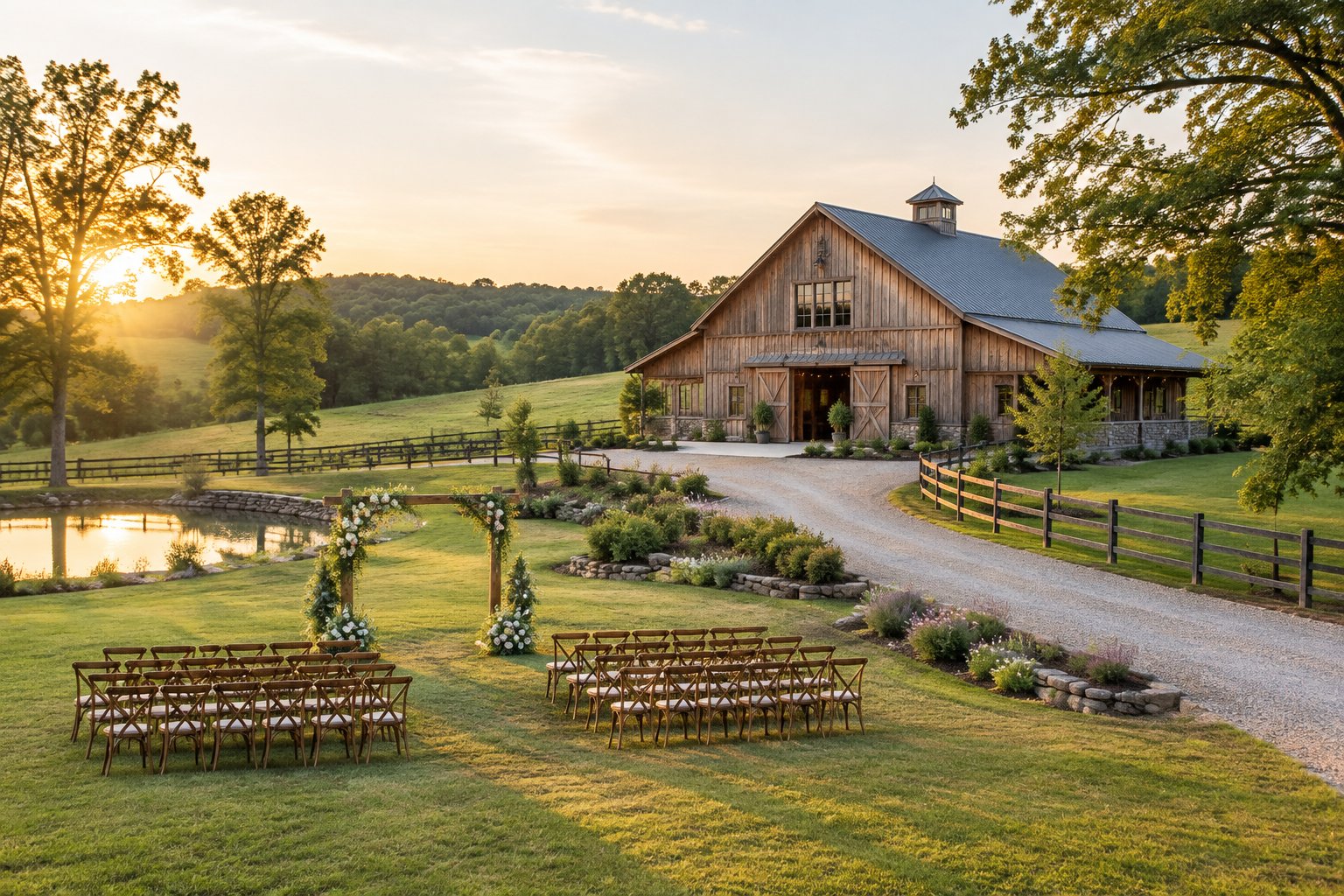
As you compare properties, look past the barn’s charm to the permitted uses, event capacity, condition, and income records. Save promising listings and contact the listing broker or seller to request details before arranging a visit.
Where Can You Find Rustic Properties on the Market?
You can find rustic wedding properties on business-sale platforms, commercial real estate sites, and through brokers who handle event venues. Search both operating businesses and rural properties, since a working event venue and a barn ready for conversion may appear in different categories.
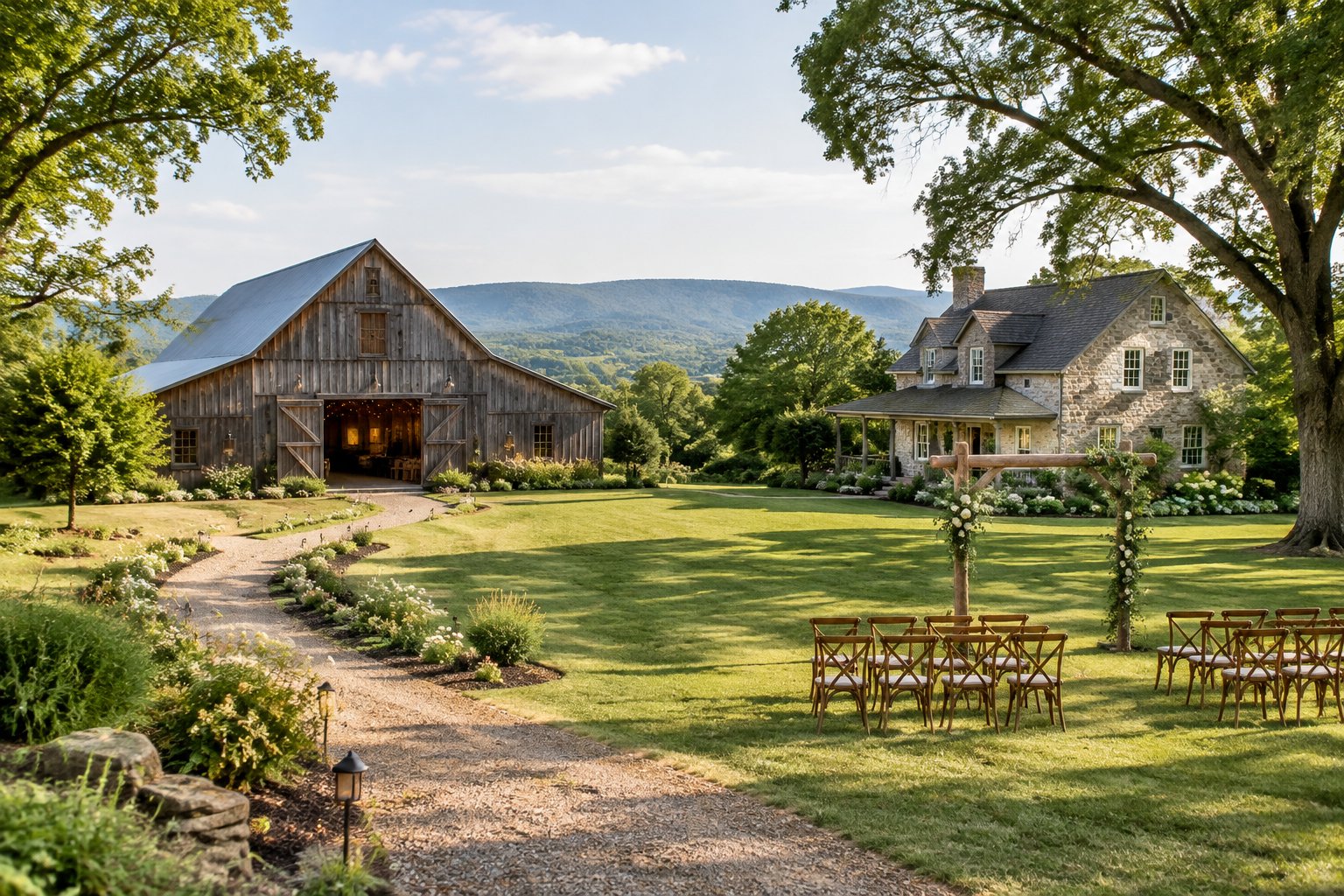
Use searches such as “event venue,” “farm,” “barn,” and “wedding venue,” then confirm that each listing allows event use. A focused search for barn wedding venues for sale can help you compare properties built around a similar setting.
Which Listing Sites and Property Types Should You Search?
Search business-for-sale marketplaces for an operating wedding venue business, including details about revenue, cash flow, equipment, and future bookings. Commercial property sites can surface a banquet hall, farm, estate, or restaurant property that has event potential. Local commercial brokers may also know of properties that have not reached public listings.
Your search can include converted barns, working farms, ranches, historic homes, inns, and purpose-built event spaces. Some are sold as real estate alone; others include an established business and its event calendar. Ask the broker which assets transfer before you compare asking prices.
What Do Regional Markets Offer?
Regional markets bring different access, scenery, and customer bases. In Northern Virginia and the Shenandoah Valley, you can look for rural properties within reach of major population centers, with local rules that shape event size and operating hours. Around Boston, Massachusetts, you can compare country properties with access to a large urban customer base.
As you compare regions, review nearby venues, travel routes, lodging, and the length of the event season. A scenic location draws interest when guests can reach it and your permitted event use fits your business plan.
What Does the Asking Price Include?
The asking price may cover land and buildings, an operating business, or a package combining both, so ask for a written breakdown. A wedding and event venue with a solid booking history has a different value profile from a banquet property sold for its real estate.
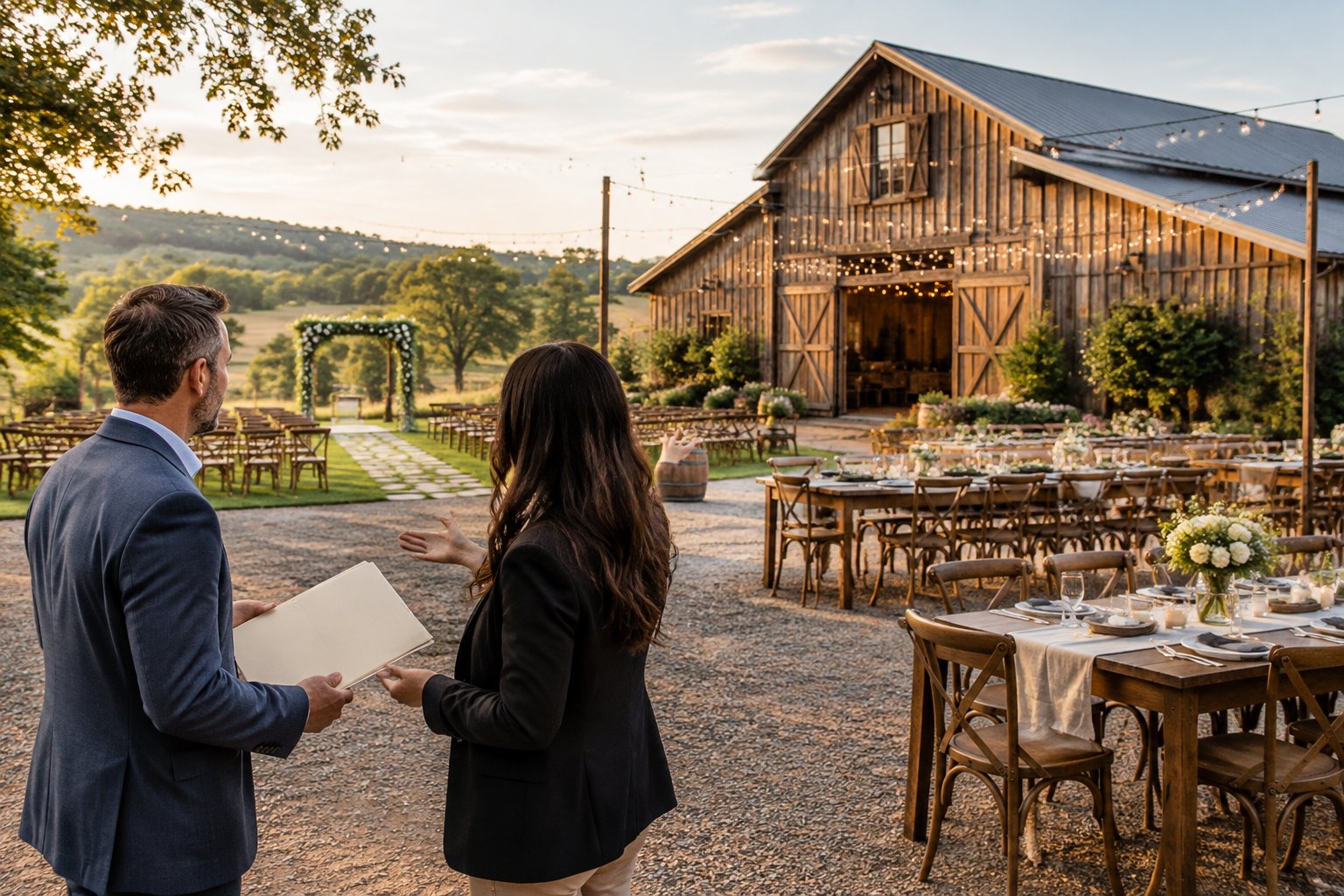
Your comparison should separate property value from business value and identify what transfers at closing. This helps you estimate the additional spending needed to open or continue operating.
Is the Real Estate, Business, or Both for Sale?
Ask whether you are buying the land, the venue operation, or both. A business-only sale may involve a lease, while a property-only sale may leave you responsible for building the business from the ground up. A combined sale can include both the real estate and an established wedding venue business.
Request separate figures for the property and business when available. For the business, review how the seller calculated income and expenses, including owner pay, debt, and any one-time costs. Compare those records with tax returns and bank statements before treating projected earnings as dependable.
Which Buildings, Equipment, and Bookings Transfer?
Get an itemized list of buildings, furnishings, event equipment, and other assets included in the sale. Check the condition of the ceremony space, reception building, restrooms, kitchen, lighting, tables, and chairs. If the property includes a restaurant or banquet hall, confirm which kitchen equipment and service items transfer.
Request a schedule of future bookings and copies of the related contracts. Confirm the deposit amount for each event and ask how the sale agreement will handle those funds and the work promised to each couple. Include the website, brand name, customer records, and vendor agreements in your transfer checklist.
How Can You Judge a Property’s Event Potential?
You can judge a property’s event potential by matching its approved capacity, layout, and infrastructure to the events you plan to host. A rustic setting attracts attention, while safe access, weather plans, and usable indoor space support the guest experience.
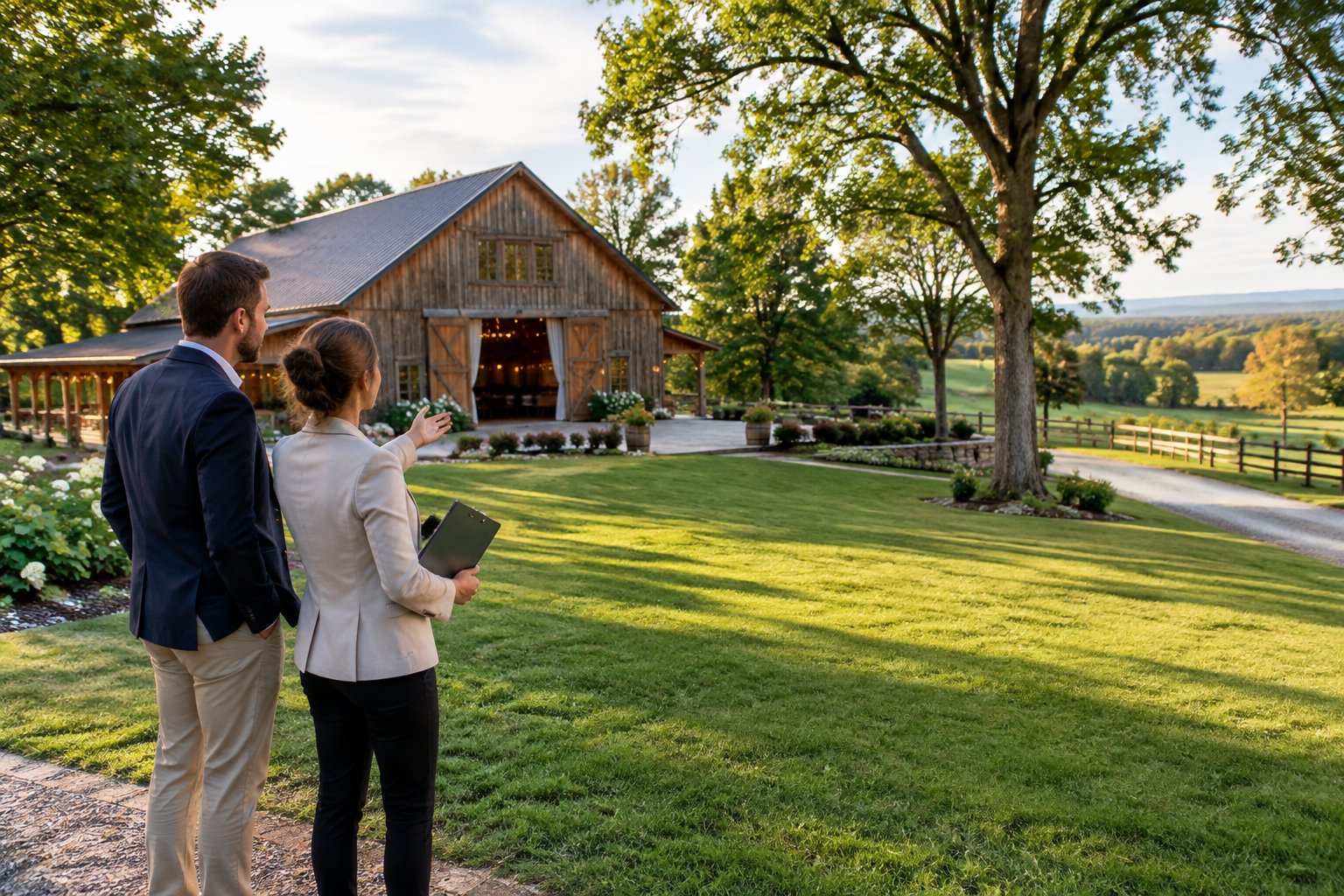
Walk the property during daylight and check how guests, vendors, and staff would move through it. Write down upgrades that affect opening costs, such as repairs to the roof, electrical system, or access road.
Do the Grounds and Buildings Fit Your Plans?
Check whether the buildings and grounds fit your guest count, event style, and service model. Measure ceremony and reception areas, note the distance between them, and check whether guests can move safely between spaces after dark. A covered area gives you a weather backup, while level paths and accessible restrooms support guests with different mobility needs.
Look closely at parking, drainage, water supply, septic or sewer capacity, and lighting. Ask an inspector to review building systems and flag repairs that could affect your budget. For event styling, rustic outdoor wedding ideas can help you assess how existing gardens, trees, and open lawns might support your plans.
Can the Site Support Weddings and Private Celebrations?
Confirm that the property can support weddings and private celebrations within its legal capacity. Ask local planning and building officials about zoning, event approvals, occupancy limits, fire safety rules, noise limits, and any restrictions on hours. A seller’s past events do not establish that every use is approved.
Check whether the parking area, restrooms, road access, and septic system match the guest count you plan to advertise. Ask how alcohol service and food preparation are handled, and confirm which permits those services require. Keep copies of approvals and inspection records with your property notes.
Could a Related Wedding Business Be a Better Fit?
A related wedding business may suit you if you want to enter the industry with less real estate to manage. Compare the business’s inventory, customer base, staffing needs, and income records with the work you want to take on.
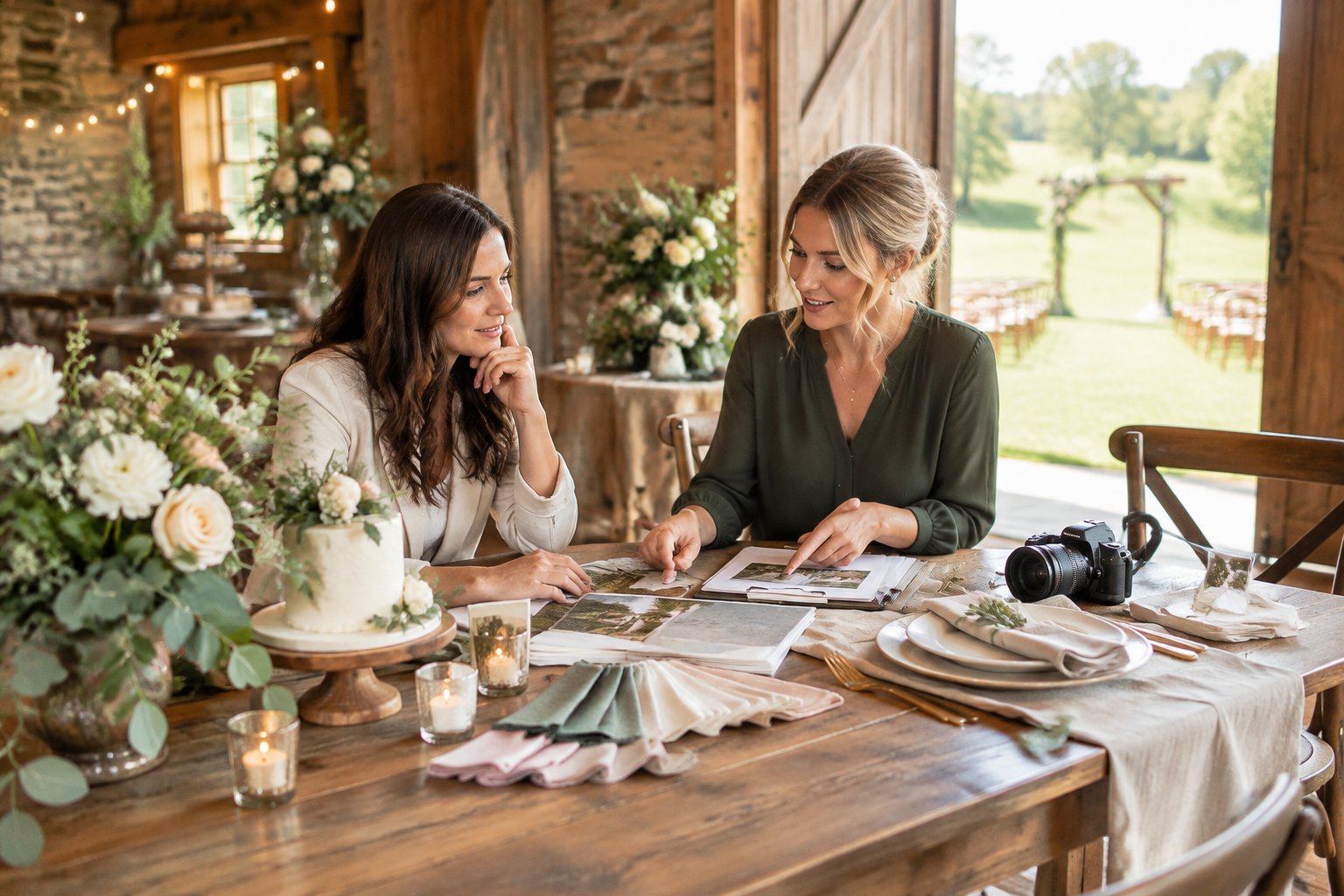
A bridal boutique, flower shop, or catering operation can serve couples without owning an event property. Each model comes with its own lease, equipment, supplier, and customer-transfer questions.
What Should You Know About Bridal and Floral Businesses?
A bridal boutique or bridal shop gives you a retail business with products, fitting appointments, and relationships with designers. Review inventory by age and condition, supplier terms, lease details, staffing, and sales records. A turnkey boutique may include fixtures and an established customer list, but verify the value and transfer rights for each asset.
A flower shop adds floral design, delivery, storage, and seasonal purchasing to your work. Check refrigeration equipment, vehicle needs, supplier terms, and how much revenue comes from weddings. If you want to build a broader wedding company, consider the steps involved in starting your own wedding business.
How Does a Catering Business Compare?
A catering business centers on food service, event staffing, kitchen access, and transport. Review its menus, pricing, equipment, food permits, supplier costs, and event contracts. Confirm whether the business owns a commercial kitchen or depends on rented or client-provided space.
Ask how many events the team can serve each weekend and which employees plan to stay after a sale. Compare the cash needed for food purchases and payroll with the timing of customer deposits. Those details help you plan the handover and the first operating season.
What Due Diligence Should Buyers Complete?
Complete due diligence by checking the seller’s financial claims against records, contracts, permits, and property inspections. Bring in a qualified attorney, accountant, inspector, and insurance professional for issues within their fields.
How Can You Verify Finances and Future Bookings?
Request several years of tax returns and financial statements, plus monthly revenue records and bank statements. Compare reported income with signed event contracts and payment records. Ask for written support for owner expense adjustments and review debt, leases, and liens.
For every future booking, confirm the event date, contract amount, deposit received, refund terms, and transfer rules. Reconcile deposits held with bank records and identify any rescheduled events, disputes, or refund requests. Ask the seller how customer communication and event-day responsibilities will pass to you.
Which Zoning, Permits, and Operating Costs Need Review?
Review zoning approvals, event permits, certificates of occupancy, fire inspection records, food permits, and alcohol service arrangements. Ask the relevant local offices whether approvals carry over to a new owner and whether your planned use fits current rules. If you are considering a property conversion, check local requirements before you commit; rules for holding a wedding on your property can vary by location.
Have qualified professionals inspect the roof, plumbing, electrical systems, heating and cooling, and kitchen equipment. Budget for insurance, utilities, grounds care, repairs, staff, and seasonal cash needs. Put any unresolved approval or repair issue in writing before you waive contingencies or close.