
Rustic Wedding Venues With Lodging: What to Compare
You’ll find the right rustic wedding venue with lodging by comparing overnight capacity, event spaces, guest access, and the full weekend price against your plans. A beautiful property can still be a poor fit if too few guests can stay nearby or the backup plan for bad weather feels cramped.
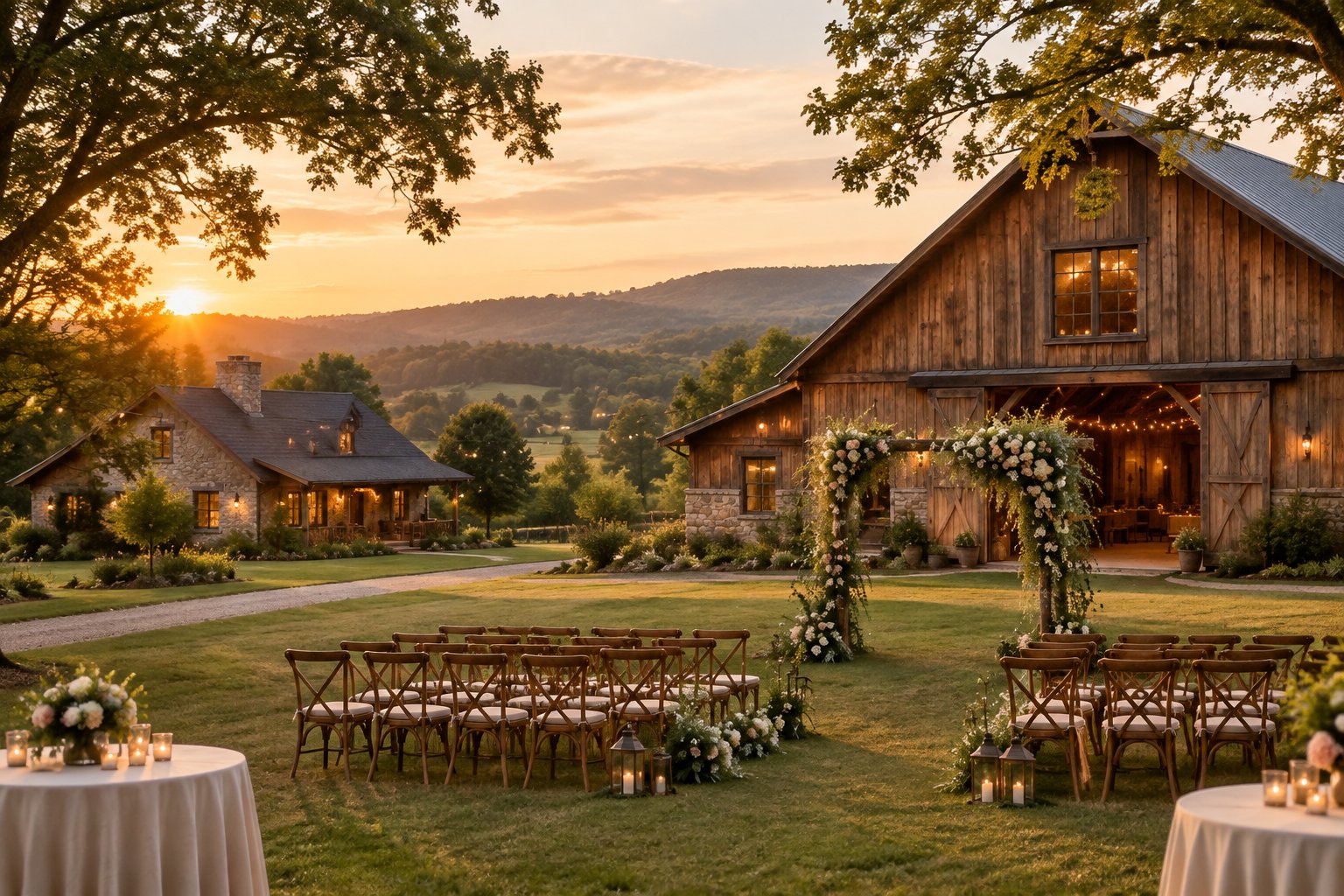
Start by estimating how many people will attend and how many will need a bed. Then check whether the venue’s setting, services, and schedule suit the celebration you have in mind.
If you’re considering Northeast Ohio, add Nature Valley Lodge to your tour list. Its family farm setting has indoor and outdoor event spaces, with on-site lodging for up to 28 guests across three homes.
How Do You Find Lodging That Works for Everyone?
Choose lodging based on the number of guests who will stay overnight, then make a clear plan for everyone else. Compare the types of rooms, total bed count, distance to nearby hotels, and available transportation before you commit.
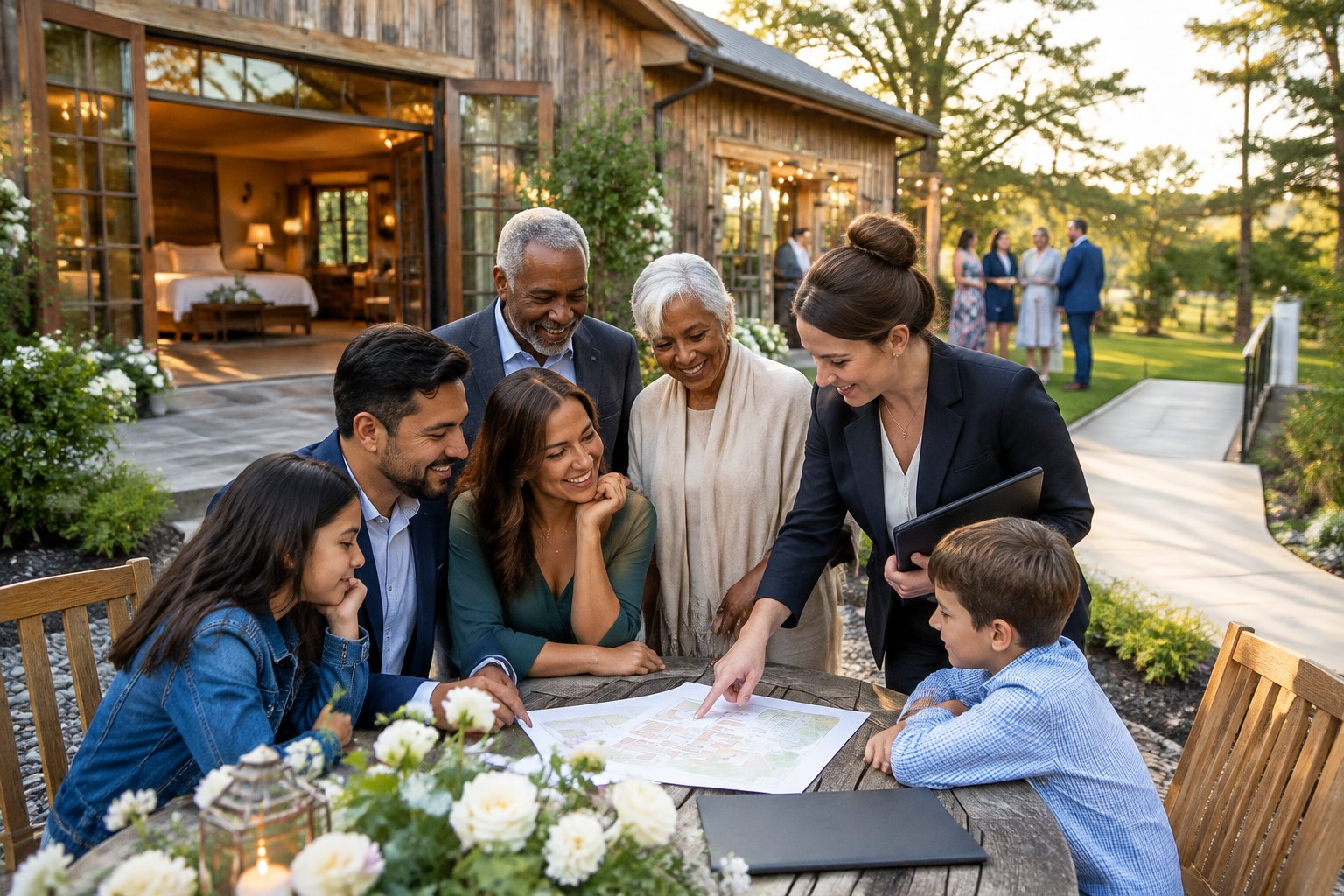
Your guest list and your overnight list serve different purposes. Estimate both early so you can decide who gets first access to on-site rooms and whether you need a hotel block.
What Types of On-Site Accommodations Are Available?
Rustic venues may offer guest rooms, cottages, cabins, farmhouses, or a lodge. Ask whether each space has private bathrooms, climate control, and suitable access for guests with mobility needs. Find out when guests can check in, whether linens are provided, and who handles keys or room questions.
If you’re considering a barn setting, compare the venue’s event space with its overnight options. Some properties have a few rooms on-site, while others offer a larger group of homes or cabins. You can compare barn wedding venues with accommodation by checking both the sleeping arrangements and how close the lodging is to the celebration.
How Many Guests Can Stay Overnight?
Separate your total invitation count from the number of beds available. Make a priority list for immediate family, the wedding party, and guests traveling from farther away, then ask the venue how room assignments work.
Confirm whether the listed overnight capacity means beds, guests, or maximum occupancy. Ask if children can share existing beds and whether any rooms have limits based on age or accessibility. If the property’s lodging falls short, use the expected overnight count to plan nearby rooms.
What Nearby Lodging and Transportation Should You Check?
Check the distance to hotels, inns, and vacation rentals, then confirm how guests will travel between them and the venue. Ask about shuttle options, parking, road conditions, and the nearest late-night rideshare pickup point.
If you need a hotel block, estimate demand before choosing how many rooms to reserve. A guide to how many rooms to block for a wedding can help you set an initial number based on guest travel plans and responses.
Which Rustic Venue Style Fits Your Wedding?
Choose the rustic setting that suits your celebration’s mood, guest flow, and activity level. A barn brings a strong indoor focal point, a farm connects your day to open land, and a ranch or estate can offer a broader landscape or more formal character.
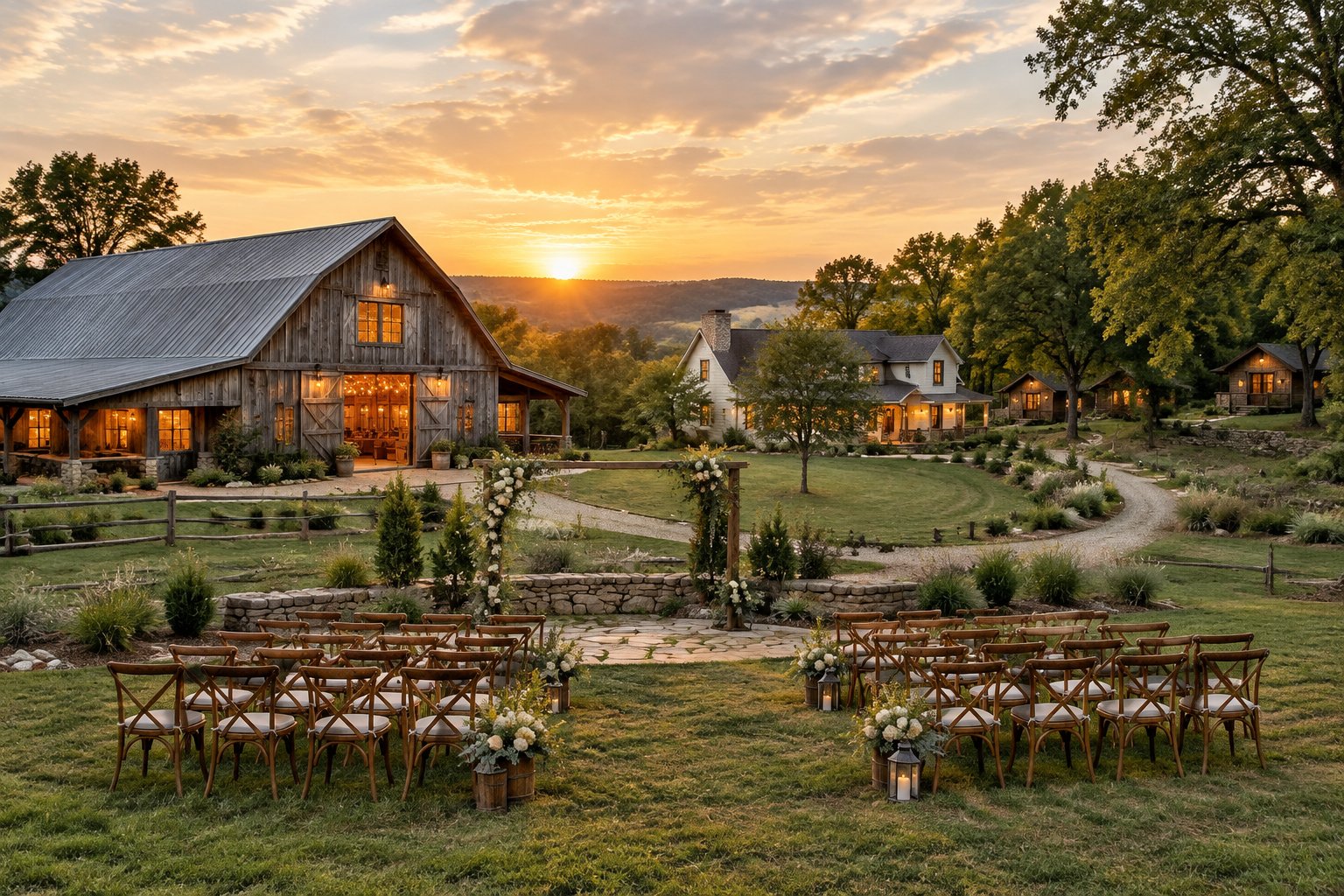
As you tour each wedding venue, look beyond the property’s style label. Consider where guests gather, how they move between spaces, and which locations remain usable if the weather changes.
What Makes a Barn Setting Feel Right for Your Celebration?
A barn wedding suits you if you want timber, open beams, and a shared indoor space for dinner and dancing. Check the room’s temperature controls, lighting, restrooms, and sound setup. Ask to see a floor plan arranged for your guest count, including tables, a dance floor, and room for catering staff.
The building’s character can guide your décor, though you’ll still want to know what the venue provides. For ideas that work with wood, warm lighting, and natural textures, browse these rustic wedding décor ideas.
How Does a Farm Setting Shape the Guest Experience?
A farm wedding venue puts fields, gardens, or working land at the center of the celebration. It can give your ceremony and reception different backdrops, while open space leaves room for outdoor gatherings.
Walk the route between the ceremony site, reception space, and lodging. Ask about uneven ground, outdoor lighting, restroom access, and any areas guests should avoid. A farm setting works best when your plan accounts for the property’s terrain and the distance between activities.
Would a Ranch or Countryside Estate Suit Your Plans Better?
A ranch may suit your plans if you want a wide-open landscape and a relaxed, western feel. A countryside estate can offer a more polished atmosphere, with landscaped grounds or historic features alongside rustic details.
Compare what each property offers for the full weekend, including private gathering spaces and lodging. If your ceremony will be outdoors, collect rustic outdoor wedding ideas that fit the setting and can adapt to a change in weather.
What Should You Compare Before Booking?
Compare each venue’s backup plan, included services, guest capacity, and accessibility before you sign. Ask the same questions at every tour, then review the answers alongside a sample floor plan and written estimate.
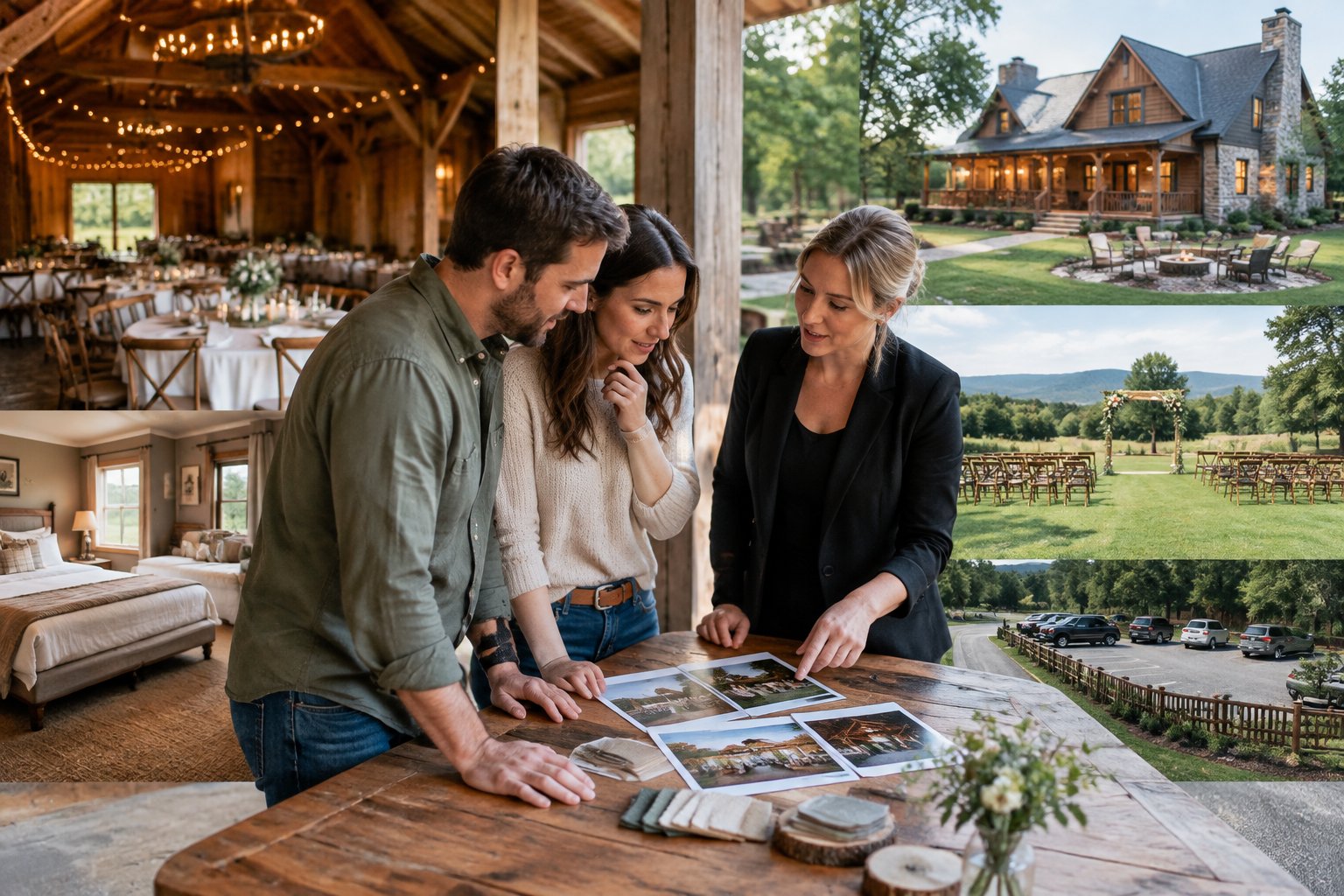
A clear comparison helps you see how each property would work on your wedding day. Pay close attention to weather procedures, vendor rules, and the spaces your guests will use.
Does the Venue Have Indoor and Outdoor Ceremony Options?
Look for an outdoor ceremony location and an indoor backup that fits your seated guest count. Ask when the weather decision must be made, who makes the call, and whether switching locations brings an extra fee.
Check whether the indoor option has heat or air conditioning and whether it can hold your planned ceremony layout. Ask what happens to cocktail hour if the ceremony moves inside, and whether the change affects your timeline or décor setup.
What Amenities and Services Are Included?
Request an itemized list of what comes with your rental. It may cover tables, chairs, dishware, setup time, cleanup, a preparation room, or access to a catering kitchen. Confirm which services come from the venue and which require outside vendors.
Review vendor rules before you book. Ask about caterer requirements, bar service, sound limits, power access, and any insurance paperwork. If you want fewer separate arrangements, compare the included services in all-inclusive wedding venues with lodging with the services each rustic property offers.
How Do Guest Capacity and Accessibility Affect the Fit?
Check the seated dinner capacity for your exact setup, not only the venue’s maximum occupancy. The layout needs space for guest tables, service areas, and dancing, along with clear paths between them.
Ask about accessible parking, entrances, restrooms, and routes to the ceremony and lodging. Share any mobility needs with the venue before booking so you can confirm which spaces work for your guests.
How Much Do Rustic Venues With Lodging Cost?
Compare the total cost of the venue, rooms, required services, and extra fees for your dates. The rental price alone won’t show what you’ll spend on a full wedding weekend.
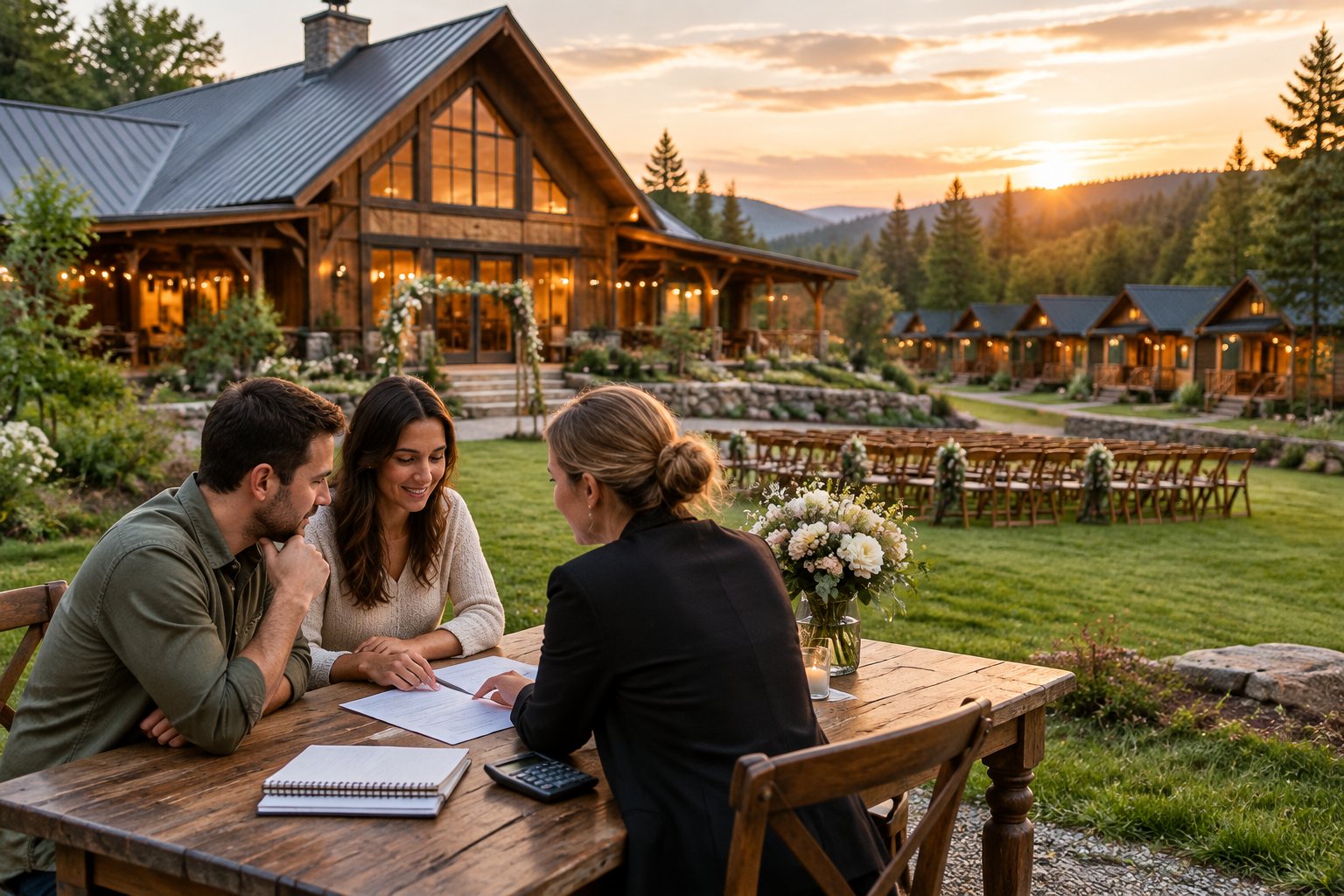
Ask each venue for a written estimate using the same guest count and overnight needs. Include the rental period, lodging dates, and any events around the wedding day so the quotes cover the same plans.
Are Lodging Fees Included in the Venue Package?
Some packages include overnight stays, while others charge lodging separately or offer it only for certain dates. Confirm how many guests the quoted rate covers, which nights are included, and whether cleaning fees or lodging taxes are separate charges.
Ask whether you must reserve all rooms or meet a minimum stay. If the package includes only a portion of your lodging, add the expected cost of nearby rooms and transportation to your comparison.
Which Extra Costs Can Affect Your Budget?
Check for charges tied to overtime, guest-count increases, required staff, bar service, rentals, and cleanup. Ask whether the venue requires a deposit, event insurance, or particular vendors, and request the price of each required item in writing.
A lower rental fee may come with more separate costs, while a larger package may bundle services and lodging. Compare the full estimate, then see whether inexpensive rustic wedding venues fit your budget and guest needs.
How Can You Plan a Smooth Wedding Weekend?
A relaxed wedding weekend starts with clear room assignments, simple arrival details, and a schedule that leaves guests time to rest. Give guests one place to find lodging instructions, event times, transportation details, and venue rules.
Plan who will answer lodging questions and where guests should go when they arrive. Share key details before travel so guests can prepare for rural roads, weather, and any gaps between events.
How Should You Organize Guest Rooms and Check-In?
Assign rooms based on your priorities and the lodging’s layout. Tell guests when check-in begins, where to park, and who will help with keys or room issues. If several households share a home or cabin, explain bathroom access and shared spaces in advance.
Use your wedding website or a short travel note to share nearby hotel options and transportation plans. Keep any room assignments private, and give guests a contact person for arrival-day questions.
What Timeline and Backup Plans Keep the Celebration Relaxed?
Build a schedule with breathing room between arrival, the ceremony, dinner, and next-day plans. Leave time for guests to settle in, and make optional gatherings clear so everyone can choose their pace. A sample wedding weekend itinerary can help you organize events without filling every hour.
Write down your rain plan, indoor space, and decision time with the venue. Confirm how vendors will hear about a change, where guests should go, and whether the new setup keeps the ceremony and reception on schedule.