
Should Bridesmaids Walk Before Bride? Exploring Wedding Traditions and Modern Choices
When planning your wedding ceremony, you might wonder about the order of the wedding procession. Many couples are unsure whether bridesmaids should walk before the bride or take their places behind her. In American weddings, bridesmaids usually walk down the aisle before the bride, adding to the excitement of her grand entrance.
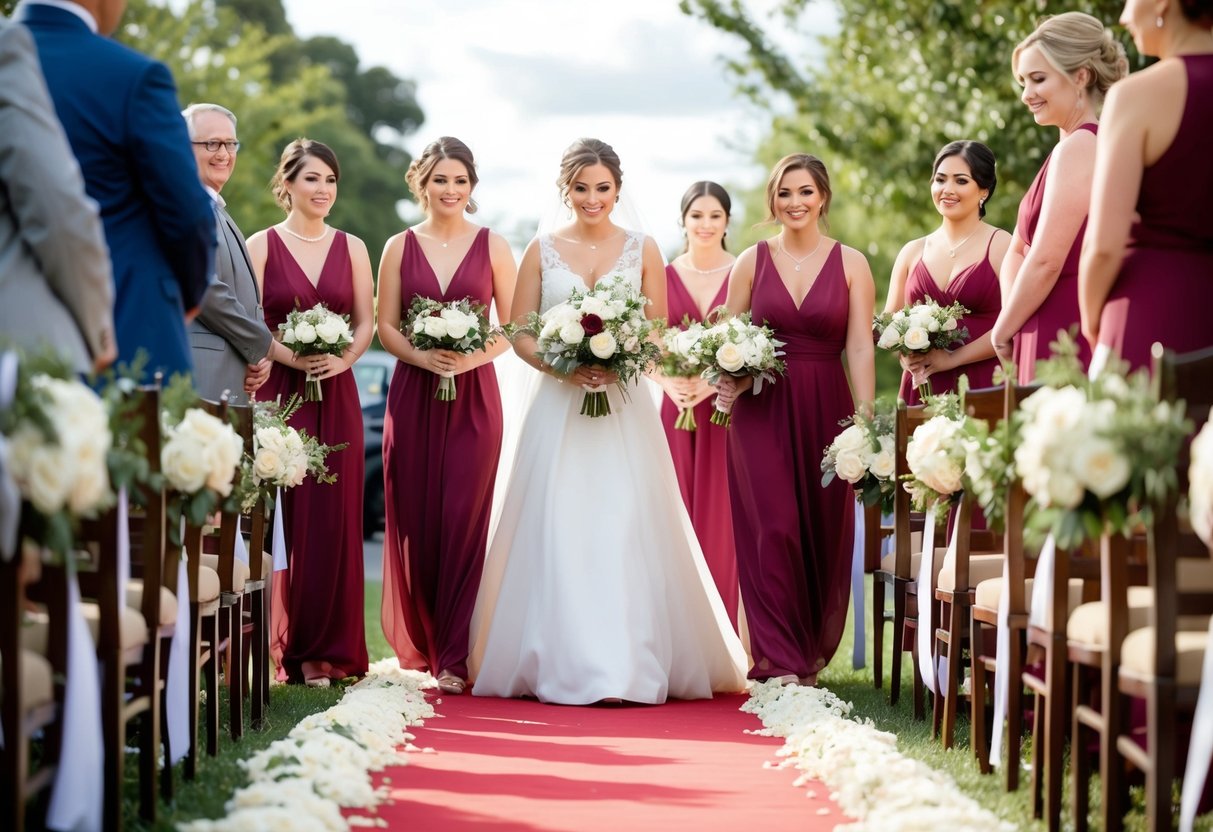
Understanding wedding traditions can help you create a ceremony that reflects your style. This choice can vary by culture as well. For instance, in the UK, brides traditionally walk in first, while weddings in other parts of the world may have different customs regarding the procession.
Choosing the right order for your wedding party can enhance the atmosphere of your big day. Consider what feels most meaningful to you and your partner. This decision is a small yet significant detail in your wedding that can leave a lasting impression on your guests.
The Tradition of the Processional
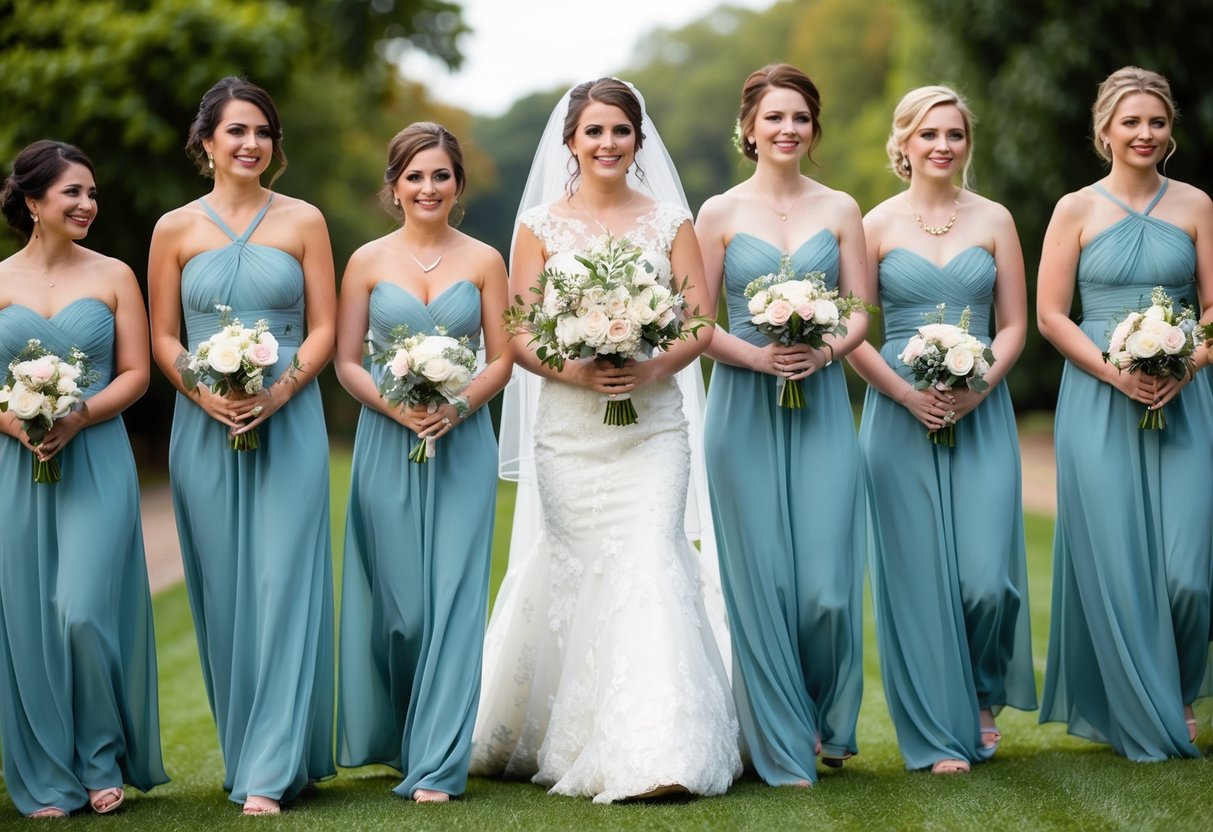
The wedding processional is a significant part of the ceremony, marking the entrance of key individuals in a specific order. Understanding the roles and order of entrants can help you plan a memorable event.
Role of the Bridal Party
In the processional, the bridal party plays an essential part. At the forefront are the bridesmaids and the maid of honor. Traditionally, bridesmaids walk before the bride, often in pairs or one by one, signaling the start of the ceremony.
The maid of honor, usually the last in the bridal party to walk, is there to support the bride. She ensures everything goes smoothly, from fixing the bride’s dress to holding the bouquet during the vows. The groomsmen follow the bridesmaids, escorting them or walking in pairs, followed by the groom, who often stands at the altar waiting for the bride.
Order of Entrants
The order of entrants in a wedding processional varies based on traditions and culture. In a typical Christian wedding processional, the processional starts with the officiant, followed by the grandparents and parents of the couple.
Next, the bridesmaids walk down the aisle, leading up to the maid of honor. Finally, the bride enters, often accompanied by her father or both parents.
In other traditions, like Jewish or Hindu weddings, the order can differ. For instance, in a Jewish wedding, the groom may enter before the bride, reflecting a unique cultural custom. Understanding these variations allows you to create a processional that feels personal and meaningful to you.
Planning the Wedding Procession
Deciding on the order of the wedding procession is an important part of your planning. You want to create a memorable moment while considering traditions and personal preferences. Here’s a look at how the bride’s entrance can unfold and some cultural variations you might consider.
The Bride’s Grand Entrance
The bride’s entrance is often the highlight of the ceremony. Traditionally, she walks down the aisle with her father, symbolizing support and love. This moment is meant to be grand, capturing the attention of all guests.
If you want to make it even more special, consider the music. Choose a song that resonates with you, whether it’s a classic or a modern tune. The Maid of Honor can help coordinate the timing with the wedding planner to ensure everything flows smoothly.
In some cases, the bride may choose to walk solo or be escorted by both parents. Think about what feels right for you. This is your moment, and it should reflect your personality and values.
Cultural Variations in Processionals
Different cultures have their own traditions when it comes to wedding processionals.
- In a Christian wedding, the bridesmaids often walk before the bride, followed by the flower girl.
- A Jewish wedding processional includes the bride’s parents escorting her to the chuppah, which can also feature a special song.
- For a Hindu wedding, the bride may arrive in a grand procession called the “Baraat,” sometimes with music and dancing.
- In a nondenominational wedding, you have the freedom to mix and match these customs based on your preferences.
Understanding these customs can help you make a choice that honors your background while also personalizing your ceremony. Whether you follow tradition or create your own unique path, make sure it feels right for you and your loved ones.
The Ceremony
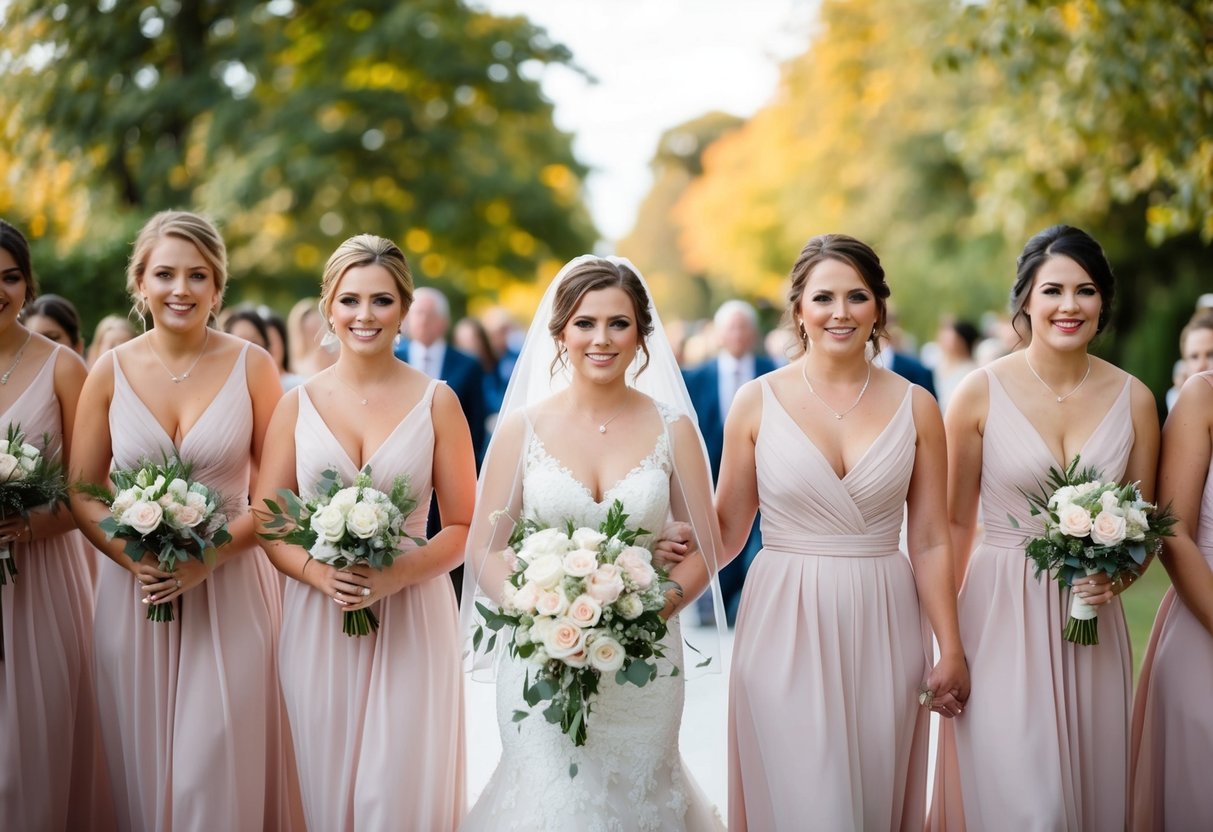
The ceremony is a significant part of the wedding day. It sets the mood and creates emotional moments that everyone will remember. The order of entrances and how you plan the processional can truly shape these feelings.
Building Emotional Moments
Creating emotional moments during your wedding ceremony can enhance the experience for both you and your guests. As the bride, walking down the aisle with your father is often a highlight, symbolizing family support.
Music plays a key role here. Choosing the right wedding music can evoke feelings of joy and nostalgia. Many couples opt for traditional songs that resonate with their families. The grand entrance of the bride, along with her attendants, is designed to impress and connect emotionally with everyone present.
For unique ceremonies, like those under a chuppah or mandap, consider how each element—including your entrance—reflects cultural significance. These moments create a powerful visual and emotional impact.
Finalizing the Order
When deciding if bridesmaids walk in front or behind the bride, think about the overall flow of the ceremony. Many traditional ceremonies feature bridesmaids walking before the bride, highlighting her as the centerpiece.
The groomsmen may enter alongside the bridesmaids or separately, depending on your preference. In a Catholic wedding processional, there’s a specific order that includes ushers and family members. You might also have a baraat, a joyful procession to celebrate the groom.
Discuss your vision with your wedding planner or officiant to finalize this order. Your goal should be a seamless transition from each segment of the ceremony, leading to your big moment, where you join your groom at the altar.