
Should I Get a Wedding Planner in the UK? Exploring the Benefits for Your Big Day
Planning a wedding can feel overwhelming, especially with so many details to manage. Hiring a wedding planner can ease your stress and help you create the day you’ve always dreamed of. A good planner understands the ins and outs of the wedding industry, making the process smoother and more enjoyable for you.
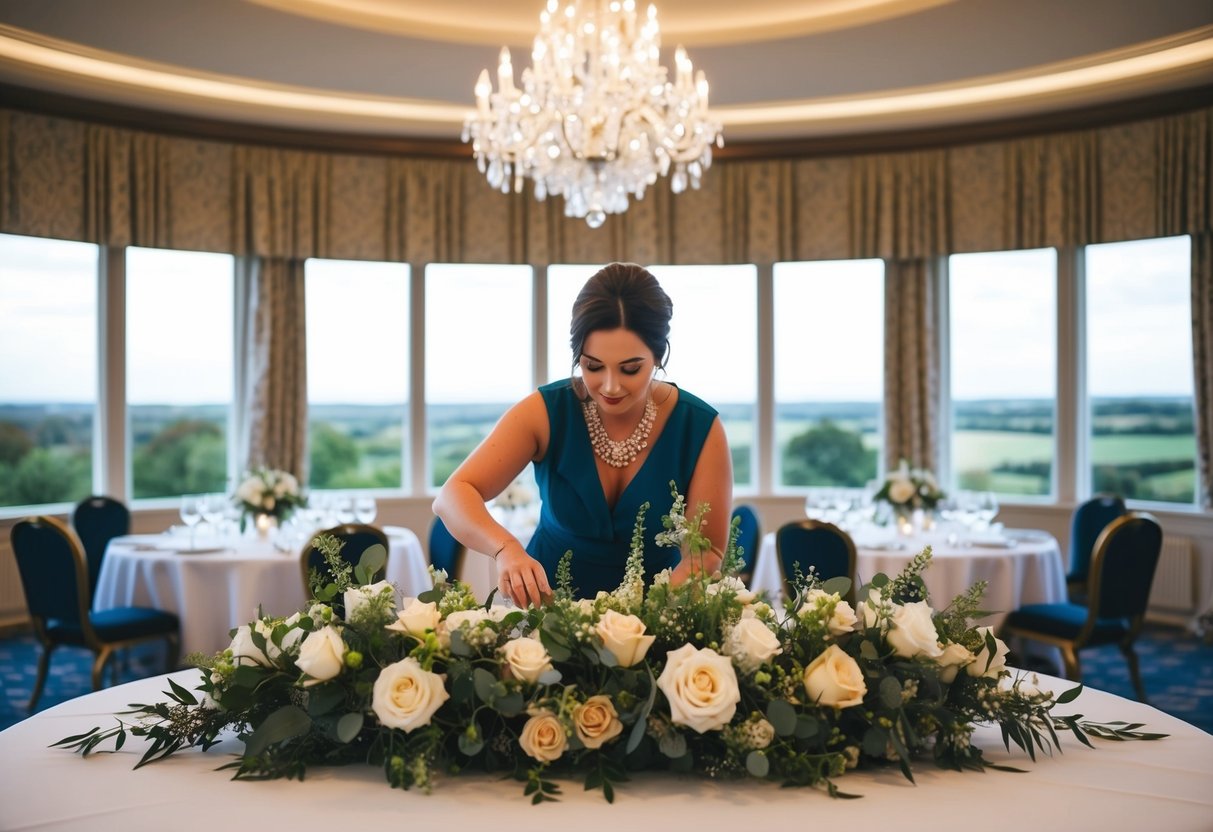
In the UK, wedding planners offer various services to fit your needs and budget. From finding the perfect venue to managing vendors and timelines, they can handle everything while you focus on what truly matters—celebrating your love.
Working with a professional means you get expert advice and support throughout your planning journey.
If you’re wondering whether a wedding planner is necessary, consider how much time and energy you have to dedicate to planning. A planner can save you a lot of both, ensuring that your special day goes off without a hitch.
With their help, you can turn your vision into reality while minimizing stress.
Understanding the Role of a Wedding Planner
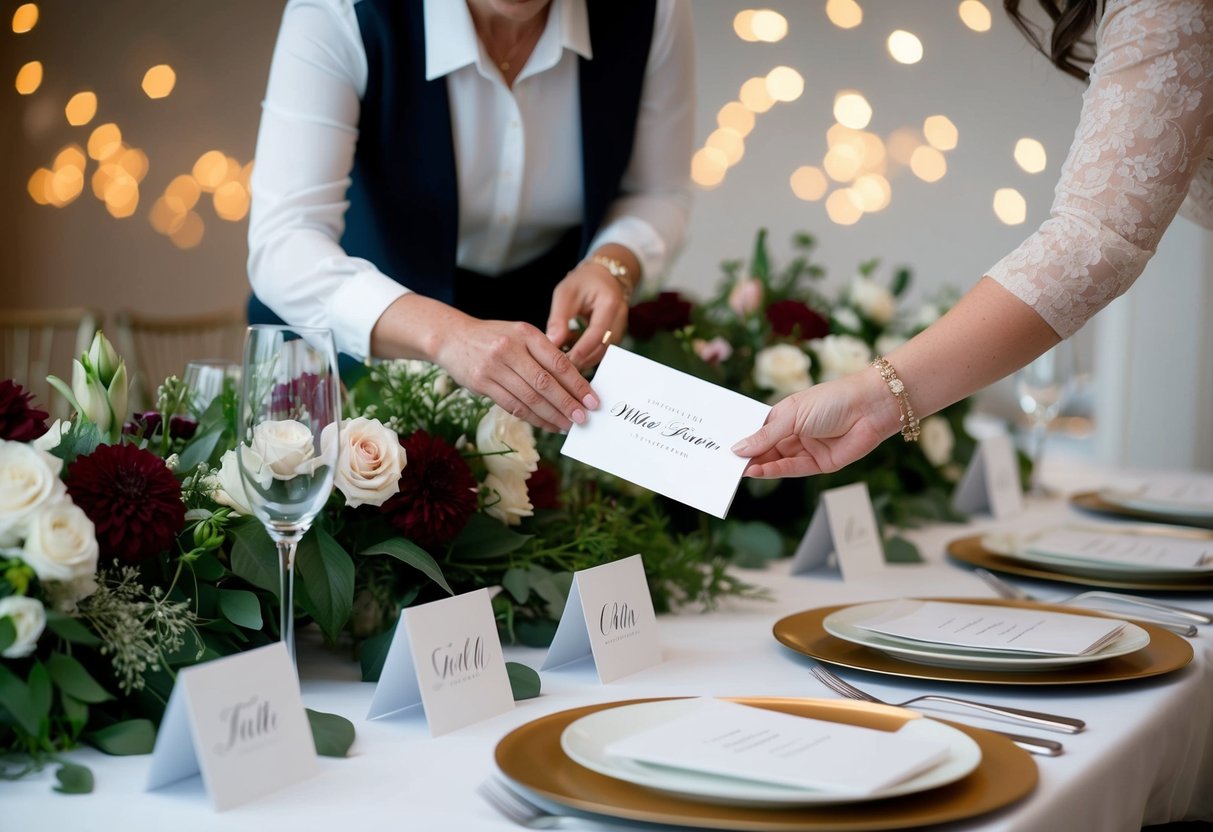
When planning your wedding, a wedding planner can be a valuable partner. They help manage details, create timelines, and coordinate vendors, ensuring your day goes smoothly. Understanding their roles will help you decide if hiring one is right for you.
What Does a Wedding Planner Do?
A wedding planner has many responsibilities to make your big day perfect. They start by discussing your vision, style, and budget. This helps them create a plan tailored to your needs.
They also handle vendor selection, like florists, caterers, and venues. They know who provides quality services and can negotiate better deals.
A planner will create a detailed timeline so everything happens on schedule.
On your wedding day, they make sure everything runs smoothly. They solve any problems that arise and ensure that vendors are at the right place at the right time.
With their experience, they ease your worries, allowing you to enjoy your special day without stress.
Different Types of Wedding Planning Services
Wedding planning services come in various types to suit different needs. Here are the main options:
-
Full Wedding Planning: This service covers every detail from the start to the end of your wedding journey. The planner will handle everything, from budget management to day-of coordination.
-
Partial Wedding Planning: If you want to do some planning but need help, this option is perfect. You and the planner will work together on specific tasks or details, easing your workload without covering everything.
-
Wedding Coordination: This focuses on organizing the logistics leading up to and on the day of the wedding. Typically, a planner will step in closer to the date to ensure everything is ready.
-
On-the-Day Wedding Coordinator: This service is for couples who want to plan their wedding but need someone to manage the details on the actual day. They oversee the schedule and coordinate vendors, ensuring a smooth experience.
Choosing the right service type depends on your needs and how much support you desire.
The Benefits of Hiring a Wedding Planner

When planning your wedding, consider the advantages of bringing in a professional. A wedding planner can provide valuable expertise, a stress-free experience, and help you connect with the right vendors. Here’s how a wedding planner can benefit your special day.
Expertise and Experience
Hiring a wedding planner means you get someone with professional experience and expertise in wedding planning. They understand the ins and outs of the wedding industry, helping you avoid common pitfalls.
A planner can assist with crafting a vision for your event. They will guide you through timelines, budgets, and logistics. With their knowledge, your wedding can reflect your style while staying organized.
Moreover, planners are skilled in problem-solving. If an issue arises, they can quickly find solutions, allowing you to focus on enjoying the moments leading up to your big day.
Vendor Relationships and Sourcing Suppliers
One significant benefit of having a wedding planner is their established vendor relationships. They often have a network of trustworthy suppliers they have worked with before. This can save you time and effort in finding reliable vendors.
Planners can help you source suppliers that fit your budget and vision. Whether you need a florist, caterer, or photographer, they can provide recommendations based on your preferences.
They have insights on quality and value which can benefit your planning.
Additionally, planners can negotiate contracts on your behalf. This can lead to better rates and added perks. Their experience can ensure you secure the best vendors for your wedding.
Stress-Free Wedding Planning Process
Planning a wedding can feel overwhelming, but a wedding planner helps create a stress-free experience. From the initial concept to the final execution, they handle the details.
They can help you create a well-structured timeline, ensuring everything runs smoothly. This includes coordinating with each vendor, managing schedules, and keeping you updated.
Moreover, having someone experienced by your side can alleviate anxiety. You can trust that an expert is overseeing your plans. This support allows you to enjoy the process and focus on making beautiful memories.
Budgeting for Your Big Day

When planning your wedding, you’ll want to create a clear budget. This will help you allocate funds for crucial elements like a wedding planner, dress, venue, and catering. Knowing these costs upfront can ease stress and lead to a smoother planning process.
Understanding Wedding Planner Costs
Hiring a wedding planner in the UK can be a valuable investment. Typically, you can expect to pay between £3,000 to £7,500 if your overall wedding budget is under £50,000. This fee often includes services like planning, coordination, and vendor referrals.
A wedding planner usually costs about 10% of your total budget. For example, if your entire budget is £20,000, set aside £2,000 for planning services.
Consider whether you need full-service planning or just day-of coordination, which can be more affordable.
Allocating Budget for Different Wedding Aspects
To create a balanced wedding budget, you should break down your expenses into key categories. Here’s a simple guide:
- Wedding Dress: Allocate around 10-15% of your budget for the dress and accessories.
- Catering: This often takes up about 20-30% of your total costs, including food and drink.
- Venue: Expect to spend between 30-50% on the venue, as this often includes rentals and services.
- Planner Costs: Remember to set aside the percentage mentioned earlier.
By prioritizing these elements, you’ll have a clearer picture of where your money goes. Make adjustments as needed, and you’ll be well on your way to a beautiful day that fits your vision!
Creating Your Wedding Vision
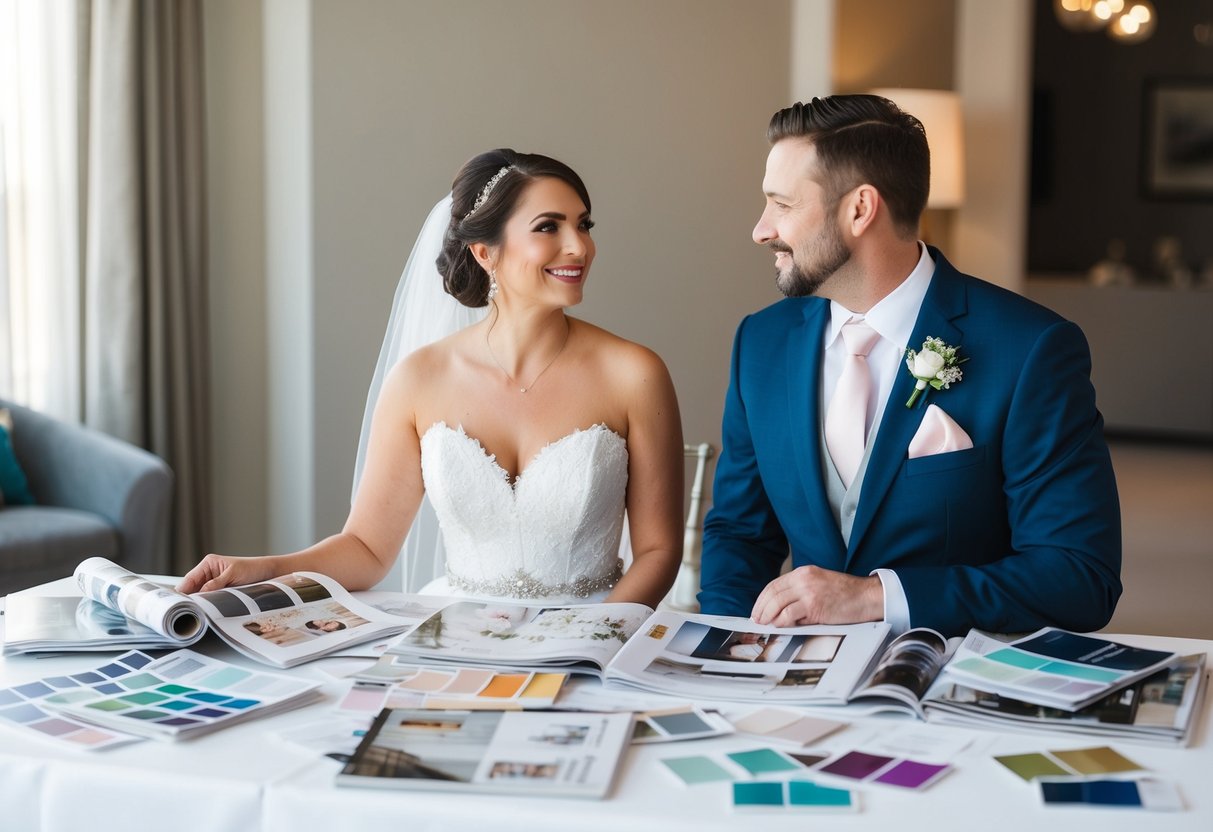
When planning your wedding, creating a clear vision is essential. This vision helps guide your choices about style, guest management, and the overall journey from engagement to the wedding event. Understanding these elements will simplify your planning process.
Choosing the Right Wedding Style and Trends
The first step is to decide on your wedding style. Do you envision an intimate wedding, a lavish celebration, or perhaps a destination wedding? Each style has unique trends that you can incorporate.
Popular wedding styles include:
- Rustic: Think barns, wildflowers, and understated elegance.
- Classic: White dresses, traditional ceremonies, and timeless decor.
- Modern: Clean lines, bold colors, and unique venues.
Stay updated on current trends in weddings. Look for inspiration on social media or wedding blogs. This helps shape your vision while ensuring your day feels fresh and personal.
Guest Management and Wedding Invitations
Managing your guest list can be one of the most challenging tasks. Start by determining the size of your wedding. Will it be an intimate gathering or a larger event?
Once you know your guest count, begin curating a list. Use tools like spreadsheets to keep everything organized.
For invitations, select designs that reflect your wedding style. Whether you choose digital invites or paper ones, make sure the style matches your vision. Send them out early to give guests ample time to RSVP.
The Wedding Journey from Engagement to Event
The journey from engagement to your wedding day can be exciting and busy. Begin by celebrating your engagement. Share your plans with family and friends to create a supportive atmosphere.
Next, set a timeline for planning. Identify key milestones, like booking your venue or finalizing your guest list.
Always keep your wedding vision at the forefront. This will help you make decisions that stay true to your style and needs. Regularly revisit your vision board to ensure everything aligns with your original goals.