
Should the Bride Walk Down the Aisle First? Exploring Modern Wedding Traditions
When planning your wedding, one question that often arises is whether the bride should walk down the aisle first. Traditionally, the bride walks last, creating a special moment as she makes her entrance. This moment often builds anticipation and allows everyone to focus on her, which can feel truly magical.
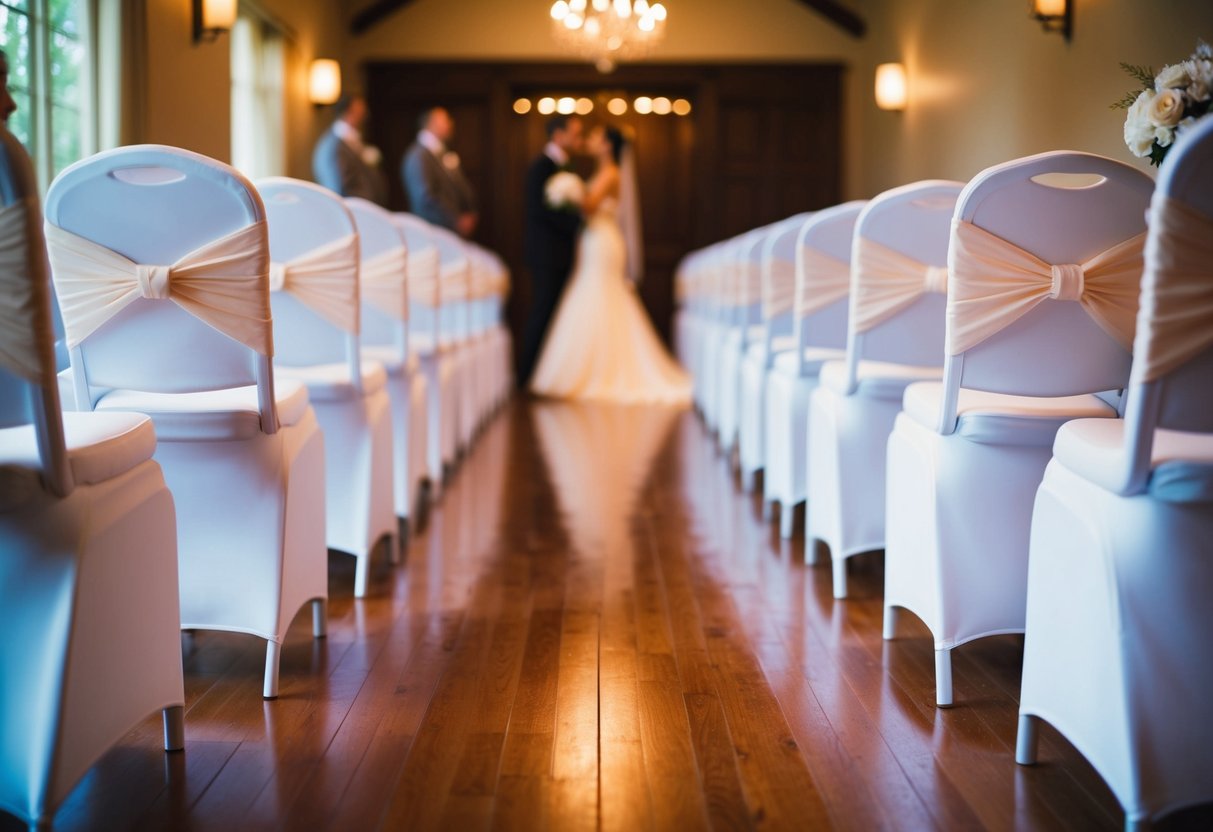
However, many couples are breaking from tradition to reflect their unique styles and preferences. Some choose to walk down together or have the groom enter first, setting a different tone for the ceremony. This can make your wedding feel more personal and aligned with your values.
Ultimately, the choice is yours. Whether you follow tradition or set your own path, the most important thing is that your entrance reflects who you are as a couple.
Exploring Wedding Processional Traditions
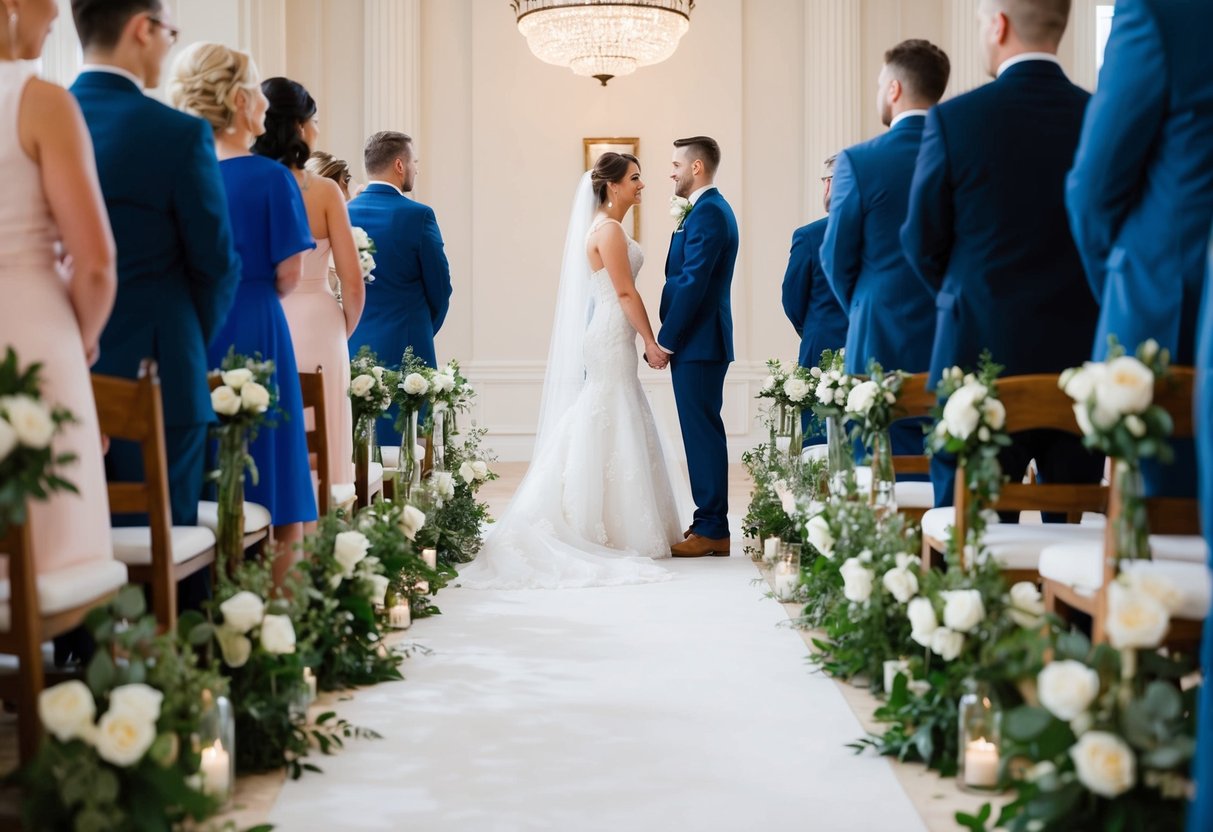
Understanding wedding processional traditions can help you plan a ceremony that reflects your values and preferences. Different cultures have unique orders and customs that shape how loved ones enter the space as the big moment unfolds.
The Order of a Traditional Wedding Processional
In a traditional wedding processional, the order of entrance is often quite specific. Generally, the officiant walks in first, followed by close family members.
For a Christian wedding, it usually starts with the groom and his groomsmen. The bridesmaids follow, often paired with groomsmen. The flower girl and ring bearer then make their way down the aisle. Finally, the bride enters, usually accompanied by a parent.
In a Jewish wedding, the processional may include both families. The bride is often escorted down the aisle by both parents. This symbolizes the joining of two families.
Cultural Variations in Wedding Processionals
Cultural traditions play an important role in the order of a wedding processional. For instance, in a Hindu wedding, the groom typically arrives first, often riding a decorated horse, followed by the bridal party. The bride makes her entrance later with her family.
In a nondenominational ceremony, you can creatively customize the order. You can choose who walks in and when, making it unique to your relationship. The specific lineup could include anyone dear to you, like grandparents or close friends.
The Role of the Bridal Party
The bridal party, including bridesmaids and groomsmen, plays a vital role in the wedding processional. In most cases, their role is to support the couple and help set the tone of the ceremony.
Bridesmaids often wear matching dresses that coordinate with the overall color scheme. They typically walk in pairs with the groomsmen. Flower girls and ring bearers, usually younger relatives, add an adorable touch.
Deciding on the perfect mix for your bridal party can enhance the atmosphere. This way, the processional feels personal and inviting, showcasing your unique style.
The Significance of the Bride’s Entrance

The bride’s entrance is one of the most anticipated moments of a wedding. It symbolizes her transition into a new life and captures the attention of all guests. Understanding why this moment is important can help clarify the role of the bride as she walks down the aisle.
Why the Bride Might Walk Down the Aisle First
Traditionally, the bride is the focal point of the ceremony. When she walks down the aisle first, it emphasizes her importance in the event. This grand entrance allows guests to witness the beauty and grace of the bride as she is escorted to the altar.
In many cultures, the bride’s walk signifies her independence and the beginning of a new chapter. This moment often evokes strong emotions, as family and friends look on.
Some couples choose to break with tradition and have the groom enter first or together with the bride. This choice often represents equality in the relationship.
Comparing the Bride’s Entrance to Other Dignitaries
The bride’s entrance is often compared to the entrances of other key figures in the wedding, such as parents and the groom. Each entrance serves a purpose and adds to the ceremony’s overall atmosphere.
Unlike the parents or groom, the bride’s entrance is often the most celebrated moment. It usually comes after significant guests have taken their seats. The feeling of anticipation builds as everyone prepares for her arrival.
When the bride walks down the aisle, it’s often accompanied by music that enhances the moment. This moment captures everyone’s attention, making it truly special.
Roles and Responsibilities in the Procession
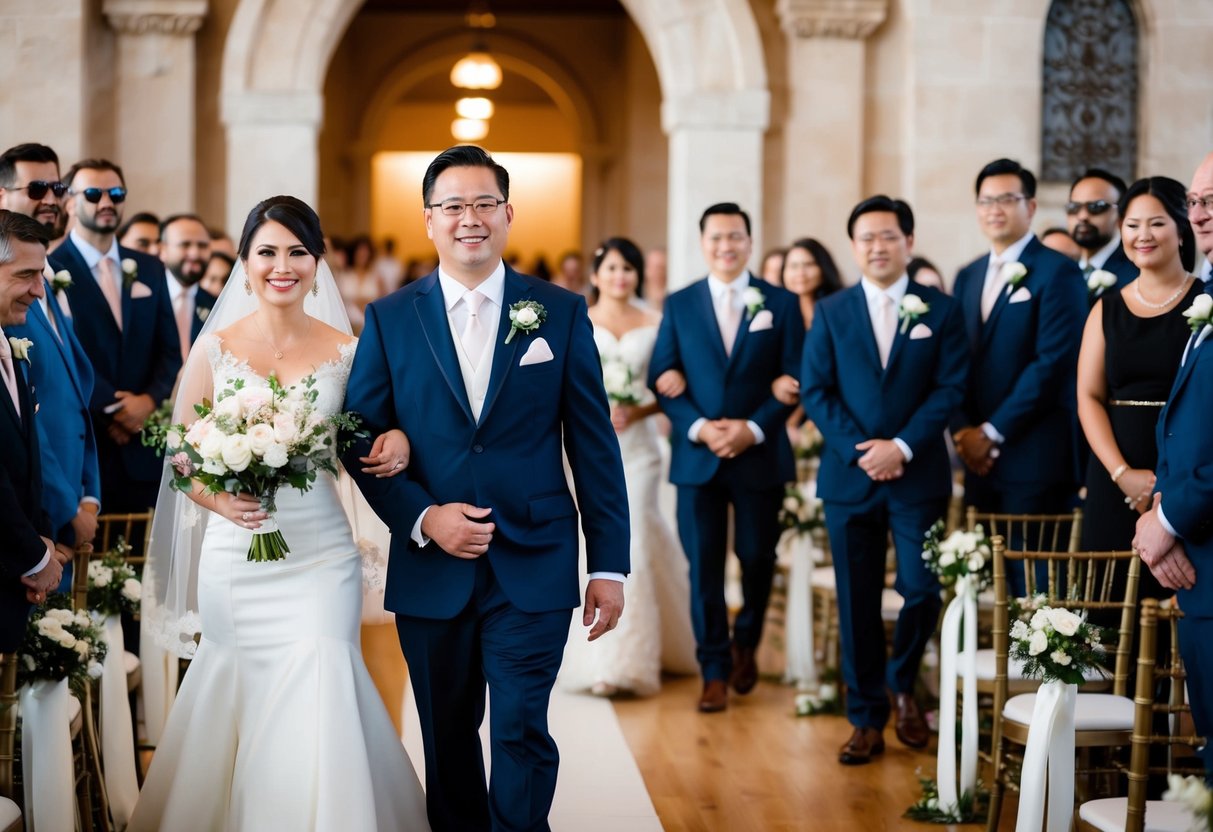
In a wedding procession, everyone has a unique role. Understanding these roles helps ensure a smooth ceremony. Each family member and participant brings important traditions and emotions to the event.
Duties of the Officiant and Family Members
The officiant plays a key role by guiding the ceremony. They help set the tone and facilitate the vows. Your family members, especially parents, have traditional responsibilities. For instance, the father of the bride often escorts her down the aisle, symbolizing the giving away of his daughter.
The mother of the bride typically follows after the groom’s side. The groom’s parents also take part, usually sitting on the right side. Grandparents are honored by being seated in the front row. Their presence represents family support.
The Processional Order Explained
The order of the procession is carefully planned to honor both families. It often starts with grandparents, who take their seats first. Next, the groom’s parents follow.
Then the wedding party walks in, with bridesmaids and groomsmen in pairs. The maid of honor walks last with the bride, often after the ring bearer and flower girl. This structured order creates a memorable experience for everyone, showcasing family connections and friendships.
Coordinating the Wedding Party
Your wedding planner can assist with the coordination of the procession. They make sure that everyone knows their place and timing.
Each member of the wedding party should be aware of their role. Communicate clearly, so the groomsmen, bridesmaids, and best man understand when to walk. Practice the processional before the big day to smooth out any kinks.
Having clear instructions helps everyone feel confident and prepared. This way, the procession will go off without a hitch, allowing you to focus on your special moment.
Choosing the Perfect Soundtrack
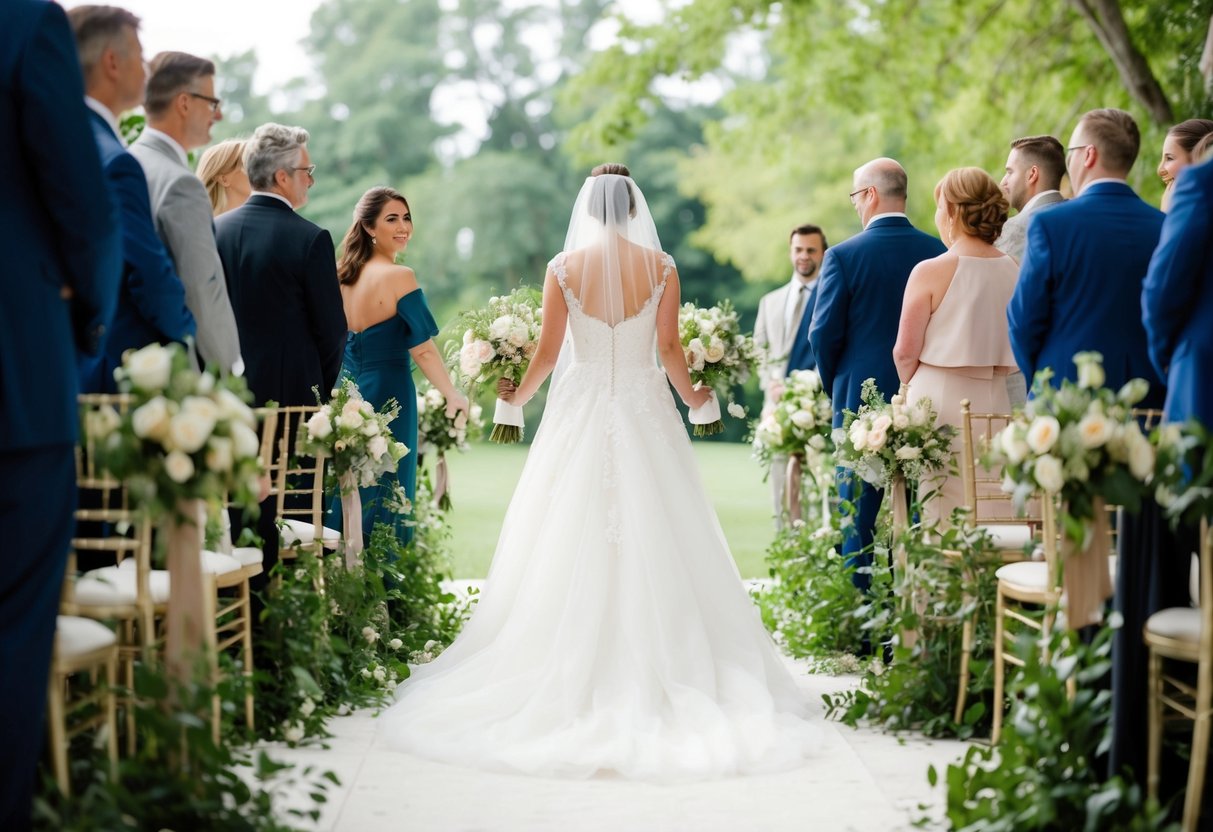
Selecting the right music for your wedding entrance sets the tone for a memorable day. It’s more than just background noise; it’s about evoking emotions and creating lasting memories.
Popular Wedding Processional Music
Many couples gravitate toward well-known songs for their processional. Classic choices include “Here Comes the Bride” and “Bridal Chorus”, both of which bring a sense of tradition.
You might prefer something modern like “A Thousand Years” by Christina Perri or “At Last” by Etta James, perfect for expressing deep love.
Don’t overlook instrumental options that provide a serene vibe, such as string quartet renditions of popular songs. They can add elegance without the distractions of lyrics.
Consider songs that reflect your personality and relationship, ensuring that your entrance feels uniquely yours.
How to Select a Song for Your Ceremony
Choosing a song requires thoughtful consideration. Start by thinking about the mood you want to create. Do you envision something joyful, romantic, or even whimsical?
Next, consider the timing. The entrance of the wedding party usually calls for something upbeat, while your grand entrance might benefit from a slower, more emotional piece.
Make a shortlist of songs and listen to them as you envision your entrance. Pay attention to how each song makes you feel.
Involve your partner in this decision. Discuss what resonates with both of you, creating a shared experience that enhances your bond.
Memorable Musical Moments
Music can create some of the most memorable moments of your wedding. The right song can capture your guests’ attention.
Imagine walking down the aisle while a beautiful rendition of your favorite song plays. This can evoke emotions not just in you, but also in your guests.
Consider moments beyond the entrance. Will you have special music for the dancing or the father-daughter dance? Planning these can add an extra layer of personalization to your day.
Capture the joy of the day with music that represents your journey as a couple. These musical moments will be cherished long after your wedding day.