
Small Intimate Wedding Venues to Consider in 2026
Small intimate wedding venues give you room to spend more time with the people closest to you. The best fit is a space that feels welcoming at your guest count and supports the kind of celebration you want.
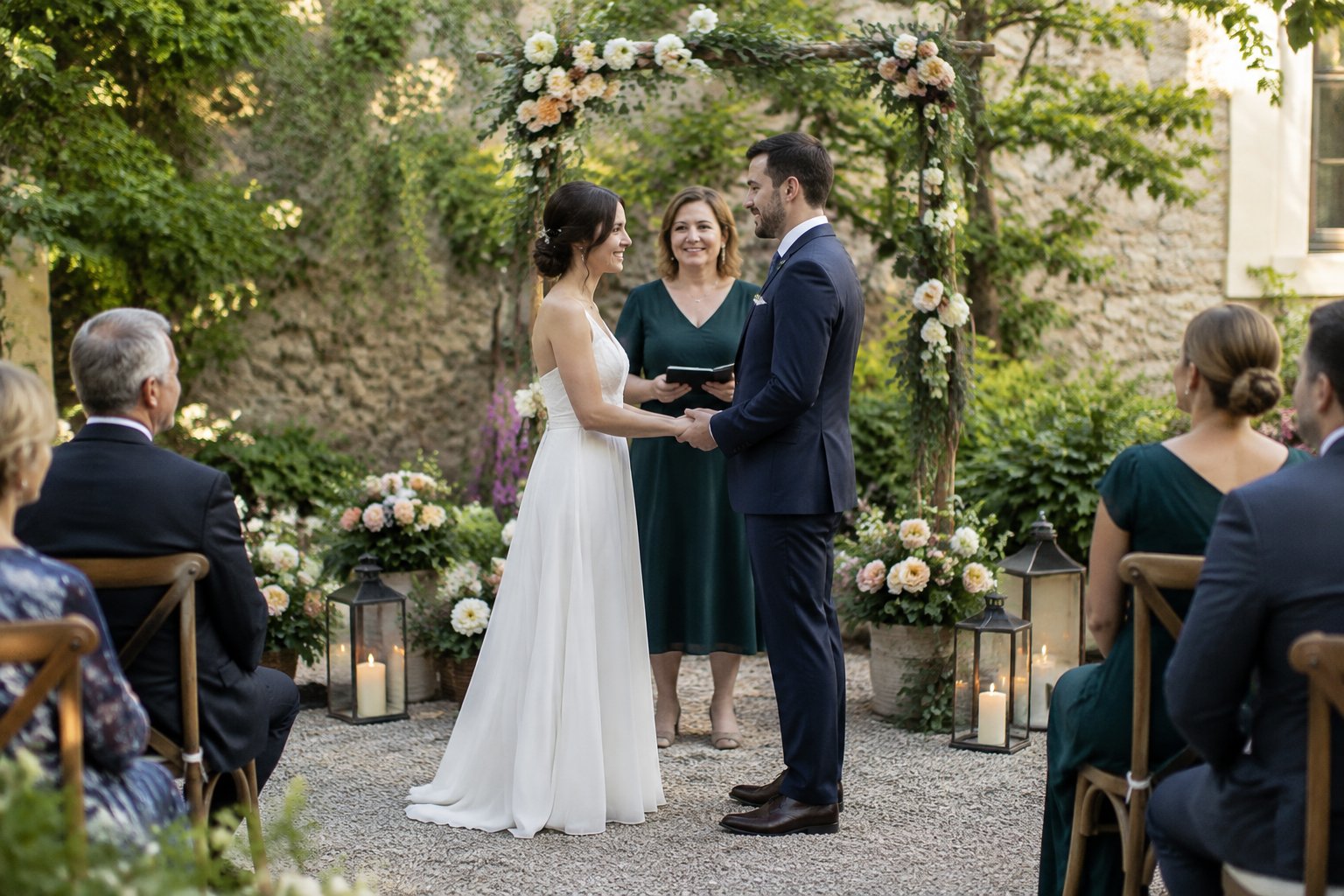
With a smaller guest list, you have more freedom to consider private dining rooms, gardens, inns, and distinctive homes alongside traditional event spaces. Set a guest-count range and choose a few priorities, then start contacting venues that match your vision.
What Counts as a Small, Intimate Wedding?
A small wedding is often described as fewer than 50 guests, while an intimate wedding focuses on the closeness and personal feel of the celebration. The terms can overlap, and your own guest list depends on your family, traditions, and plans.
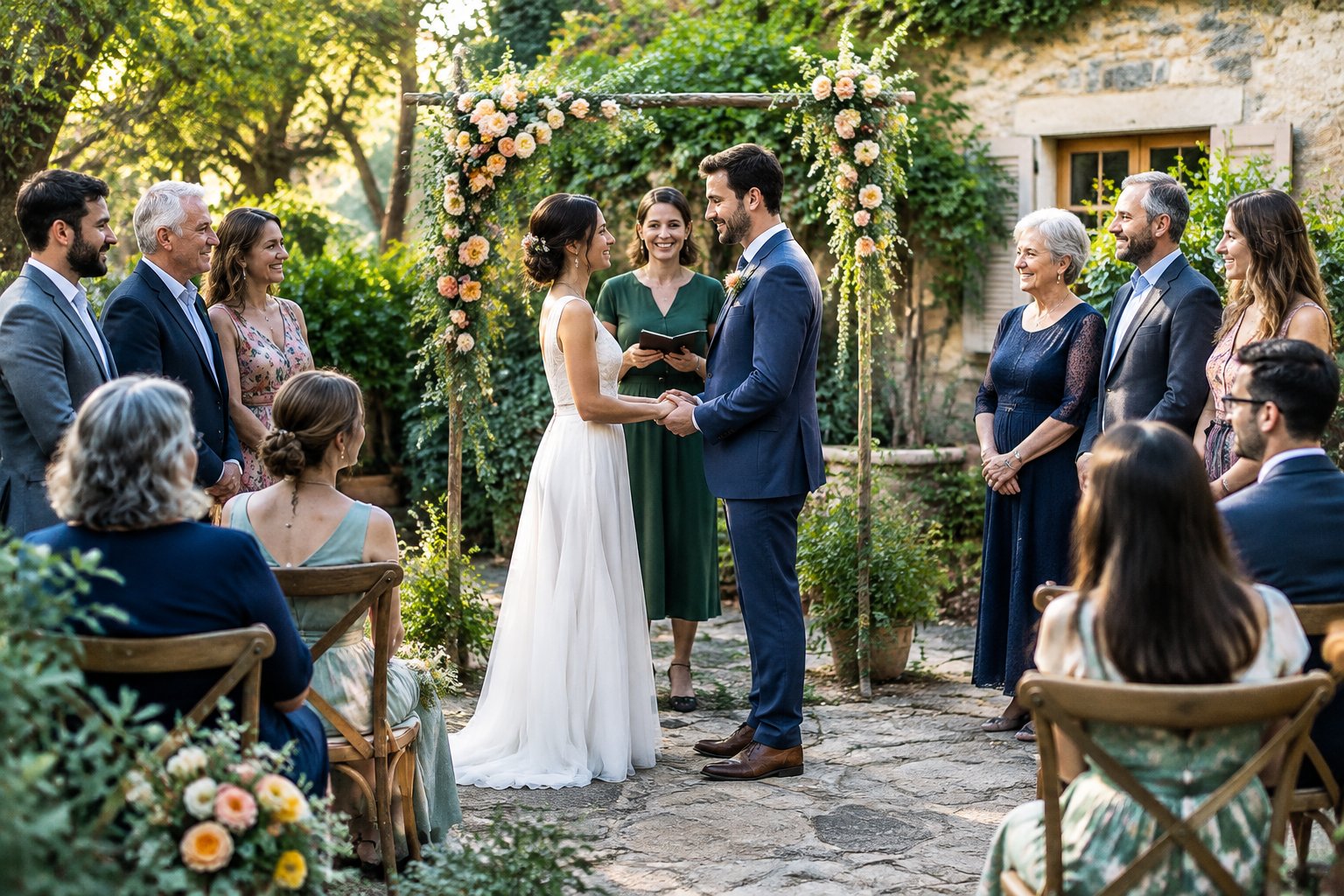
A micro wedding gives you the structure of a wedding day with a smaller group, while an intimate wedding centers on meaningful time with your guests. You can use the number as a starting point and then shape the day around the people you want beside you.
How Many Guests Usually Attend a Micro Wedding?
A micro wedding commonly includes about 10 to 50 guests, though some couples use the term for smaller gatherings. If you are deciding on a number, think about who you want to share the ceremony and meal with, then check that count against your budget and venue capacity. For more guidance, explore how many people a micro wedding can include.
A venue’s maximum capacity is only one part of the fit. Ask how the room is arranged for your specific guest count so you can picture the ceremony, dinner, and time for conversation.
How Does an Intimate Wedding Differ From an Elopement?
An intimate wedding usually includes a small guest list and familiar wedding elements, such as a ceremony, dinner, and reception. An elopement places the focus on the couple and may include only a few guests or witnesses.
You can choose the format that feels right for you. A short ceremony followed by a restaurant dinner can feel intimate, while a larger micro wedding can include a seated reception and dancing.
How Do You Choose the Right Venue?
Choose a wedding venue that fits your guest count, offers a comfortable plan for the day, and aligns with your budget. Your wedding planning becomes easier when the space, services, and rules are clear before you sign.
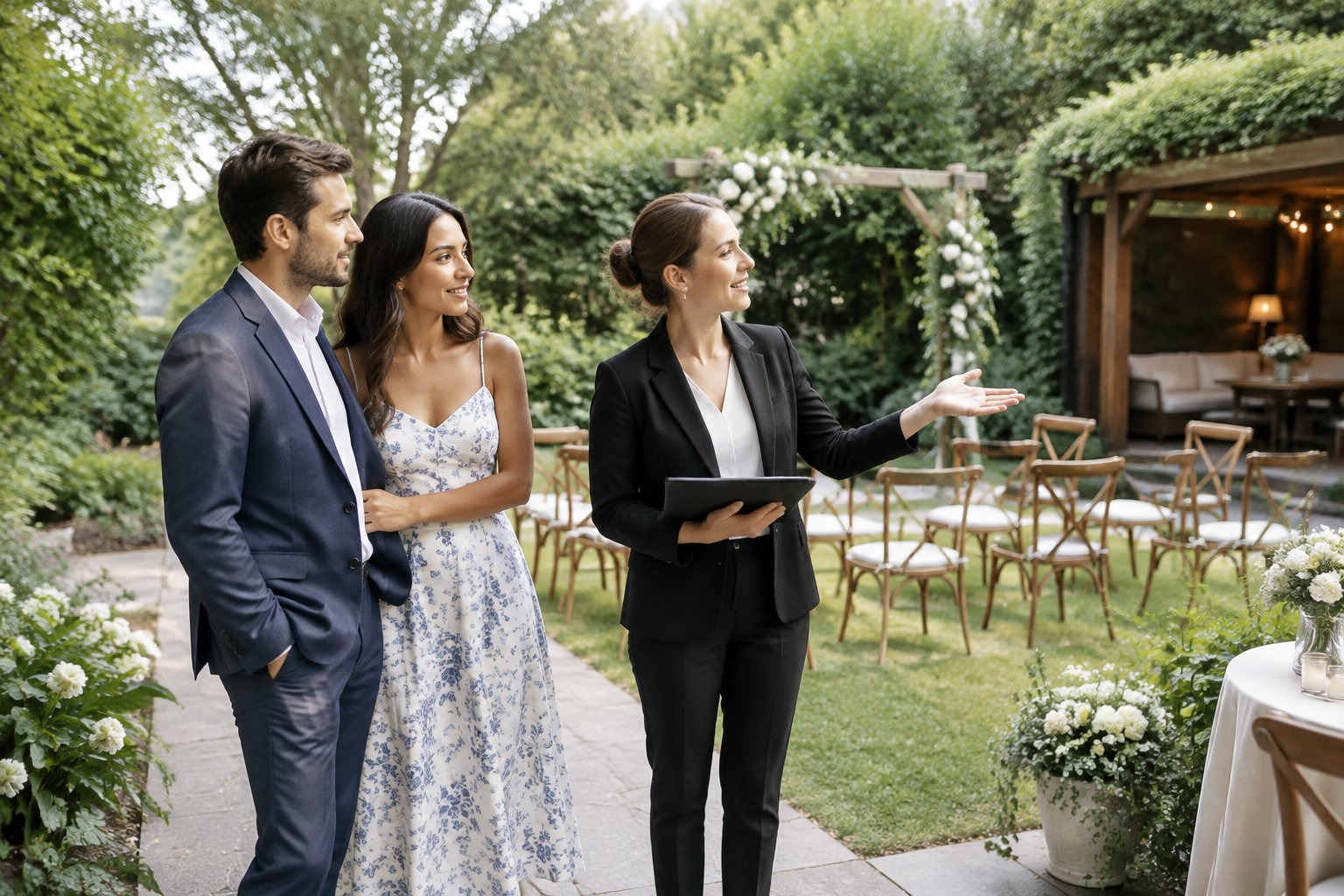
A thoughtful venue tour helps you assess room size, guest comfort, and what the rental includes. Ask direct questions about the layout, weather plans, food service, and access so you can compare each location on the same terms.
Does the Space Feel Right for Your Guest Count?
Picture your guests seated for the ceremony and gathered for dinner. A room designed for a much larger event can feel sparse with a small group, while a compact space may feel crowded once you add tables, a dance area, and vendors.
Ask the venue to show you a floor plan for your expected guest count. Check the distance between the ceremony and reception areas, the seating options, and whether guests can move around easily.
What Amenities, Lodging, and Policies Should You Check?
Review the practical details before you book: tables and chairs, restrooms, parking, setup time, cleanup, and any required vendors. If guests are traveling, ask about nearby lodging or rooms on the property.
A venue with overnight stays may make it easier to turn your wedding into a shared weekend; compare options for intimate wedding venues where you can stay. Read the contract for rules about music, alcohol, décor, candles, pets, and outside catering. Ask who handles setup and what happens if weather changes your outdoor plans.
How Can You Search for Wedding Venues Near Me?
Start with a location, date range, and guest count, then search for wedding venues near me and review each venue’s official details. Local planners and vendors can also point you toward spaces that host smaller events.
When you contact venues, share your estimated guest count and the kind of celebration you have in mind. A focused search for local small wedding venues can help you compare nearby options without starting with large event halls.
Which Venue Style Fits Your Celebration?
Your venue style sets the mood for the day, from relaxed and outdoorsy to polished and historic. Choose a setting that feels like you and has the services and layout to support your plans.
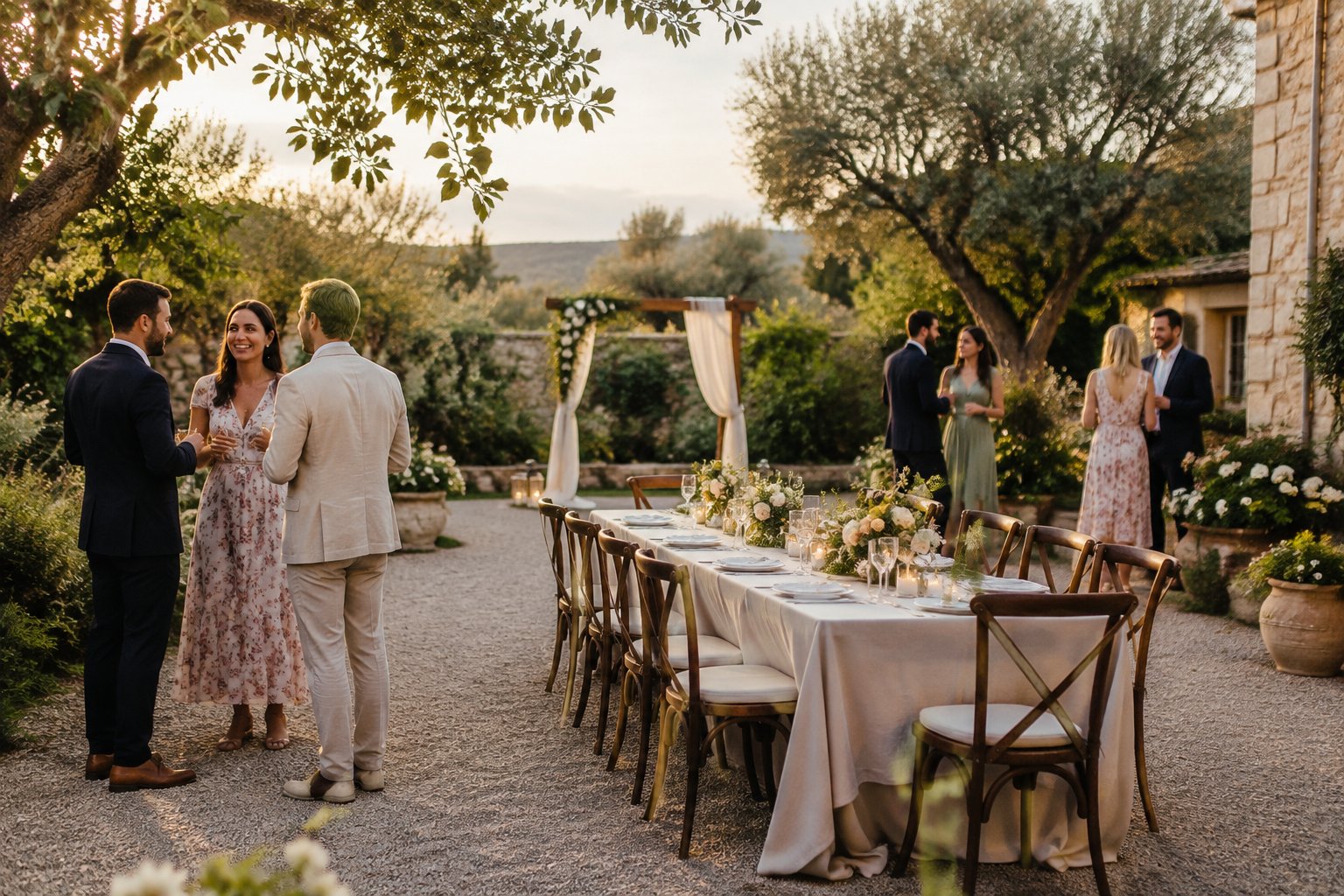
Think about how you want guests to spend their time: sharing a long meal, enjoying the outdoors, or staying together for a full weekend. Browsing different wedding venue ideas can help you name the features you want before you tour.
Would a Garden, Forest, or Coastal Setting Suit You?
A garden offers a natural ceremony backdrop and space for guests to mingle outdoors. Forest settings bring shade and a quieter feel, while coastal venues provide open views and a distinctive sense of place. Explore garden-style wedding venues if flowers, greenery, and an outdoor ceremony appeal to you.
For any outdoor location, ask about rain plans, wind exposure, accessible paths, and temperature changes. Check whether the venue has a covered area and what equipment you would need for sound, lighting, or dining.
Are a Boutique Hotel or Historic Property a Better Fit?
A boutique hotel can bring guest rooms, event spaces, and dining together in one location. The Wythe Hotel in Brooklyn is one example of a hotel setting you might consider when you want an urban backdrop and an on-site place for guests to stay.
Historic homes and inns offer distinctive details and a more residential atmosphere. Ask about room capacity, accessibility, event-hour limits, and any preservation rules that shape décor or setup.
Could a Restaurant, Loft, or Private Rental Work?
A restaurant’s private dining room can simplify your meal plans and create a dinner-party feel. A loft gives you a flexible indoor setting, while a private rental can suit a weekend gathering if the owner permits events.
If you look at Airbnb wedding venues, confirm event permission directly with the host and review the rental terms before paying. Check capacity, parking, noise rules, cleanup, and whether the property allows outside vendors.
Where Can You Find Standout Venues Across the U.S.?
You can find memorable small-wedding settings in forests, along the coast, and in cities across the country. Treat venue names as starting points, then confirm current event policies, capacity, pricing, and dates with each property.
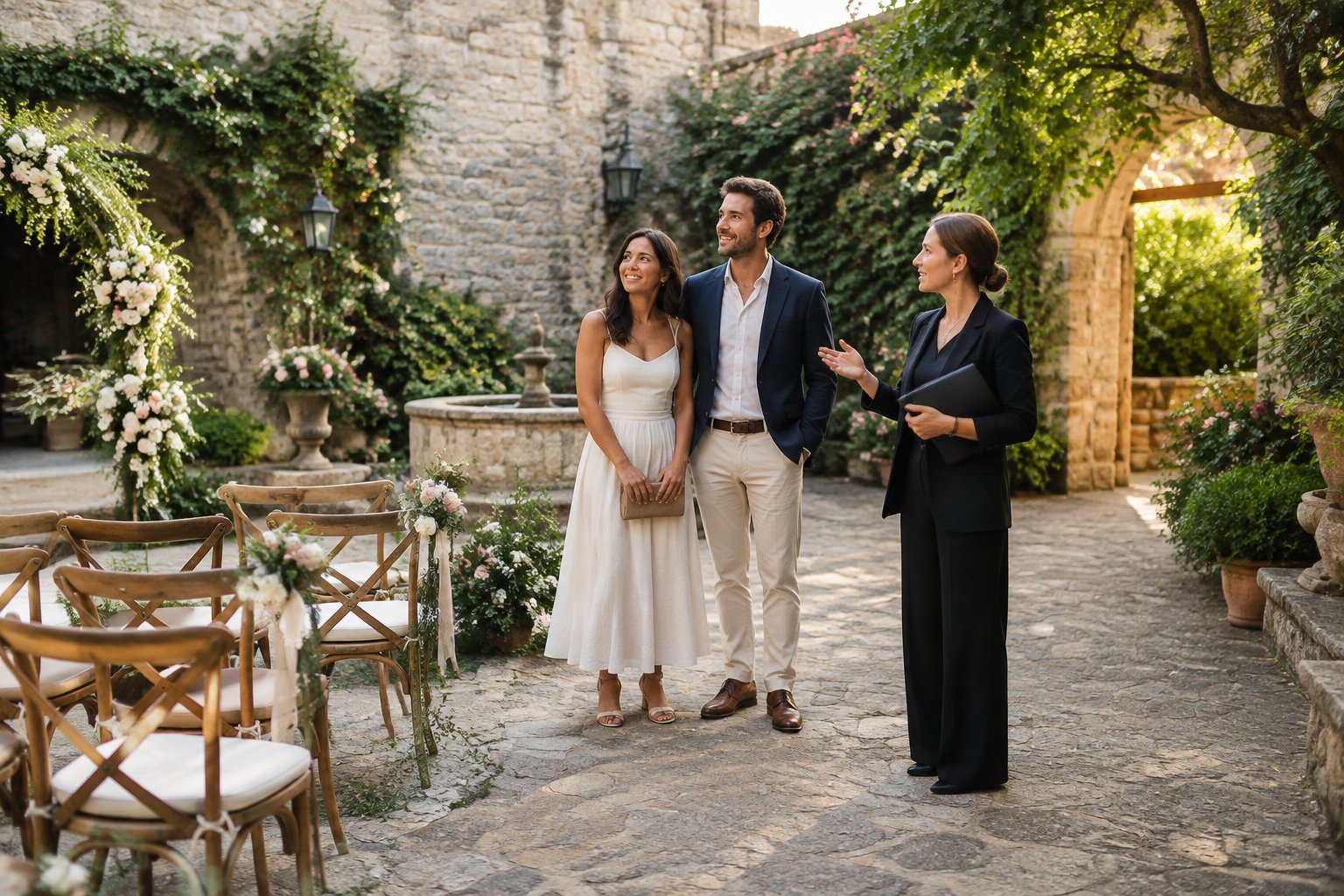
The best micro wedding venues in the U.S. range from outdoor retreats to boutique hotels and private event spaces. For any destination, consider travel time, lodging, weather, and the experience your guests will have between the ceremony and reception.
What Are Some Notable Washington Micro Wedding Venues?
Washington micro wedding venues include nature-focused options such as The Emerald Forest and Treehouse Point. These names can give you a starting point if a wooded setting fits your vision; ask each venue about current guest limits, ceremony areas, lodging, and weather plans.
Check the travel route and nearby accommodations, especially if guests are arriving from outside the area. Ask whether the venue’s event package includes a coordinator or requires you to bring one.
Which Oregon Venues Offer a Memorable Small-Wedding Setting?
Oregon micro wedding venues include coastal choices such as Crook Point and Salted Roots. Their locations may suit couples drawn to ocean views and a relaxed destination feel, so confirm the available spaces and event rules with each property.
Coastal weather can shift quickly. Ask about sheltered ceremony and dining options, seasonal access, and guest transportation before choosing an outdoor date.
What Other U.S. Locations Are Worth Considering?
Across the country, you can look at gardens, mountain inns, desert retreats, and boutique hotels. Under Canvas, for example, offers an outdoor hospitality style to explore if you want a nature-centered gathering; confirm event availability and policies at the specific location you are considering.
You can also search your preferred city for restaurant buyouts, historic homes, and small event spaces. Compare how each option handles meals, lodging, and guest transportation before you commit.
How Much Does a Small Wedding Venue Cost?
The cost of a small venue depends on location, date, rental hours, guest count, and included services. Request an itemized quote so you can compare the full cost of each option, not only the base rental fee.
Small guest lists can open up more choices, though a smaller celebration still needs a realistic budget. Review what wedding venues cost and ask how each venue prices weekday dates, peak-season weekends, and minimum spending requirements.
What Do Venue Packages Usually Include?
Venue packages may cover the room or grounds, tables, chairs, setup, cleanup, or an on-site coordinator. Some venues also offer food and drink packages, while others let you hire outside vendors.
Ask for a written list of inclusions and fees. Clarify whether the quote includes taxes, service charges, staffing, rentals, and enough time for setup and cleanup.
Which Extra Costs Should You Budget For?
Set aside money for catering, drinks, photography, flowers, music, rentals, and transportation. Outdoor celebrations can also require a tent, lighting, sound equipment, or a backup indoor space.
Ask vendors about delivery and setup charges, then keep a reserve for changes to your guest count or plans. If you are comparing lower-cost options, check what is included in affordable wedding venues for small celebrations before choosing based on the rental rate alone.
How Can You Plan a Smooth Celebration?
A smooth small wedding comes from clear decisions, a workable timeline, and a guest experience planned with care. A smaller guest list reduces some logistics, while food, travel, weather, and vendor coordination still need attention.
Write down your priorities and share them with your venue contact and vendors. A simple plan helps everyone understand when to arrive, where to go, and who handles each task.
When Should You Book and What Should You Ask?
Book once you have a date range, guest count, and budget in mind. Popular dates and venues can fill early, so contact your preferred locations as soon as you are ready to compare availability.
Ask about capacity, package details, payment dates, cancellation terms, and vendor rules. Get the weather backup plan and event schedule in writing, then confirm who will be your point of contact on the day.
How Can You Make the Guest Experience Feel Personal?
Give each guest a warm welcome and build in time to talk with everyone. A shared meal, personal vows, handwritten place cards, or a toast from someone close to you can make the gathering feel thoughtful.
Send clear details about timing, parking, dress, and travel before the event. If guests are staying nearby, share lodging options and transportation plans so they can arrive with less guesswork.