
Small Wedding Venues on Zola: Find the Right Fit
Zola gives you a practical starting point for finding small wedding venues because you can narrow listings by location, capacity, price, and other details. When you search, keep your guest count and budget in view so the spaces you compare can fit the celebration you have planned.
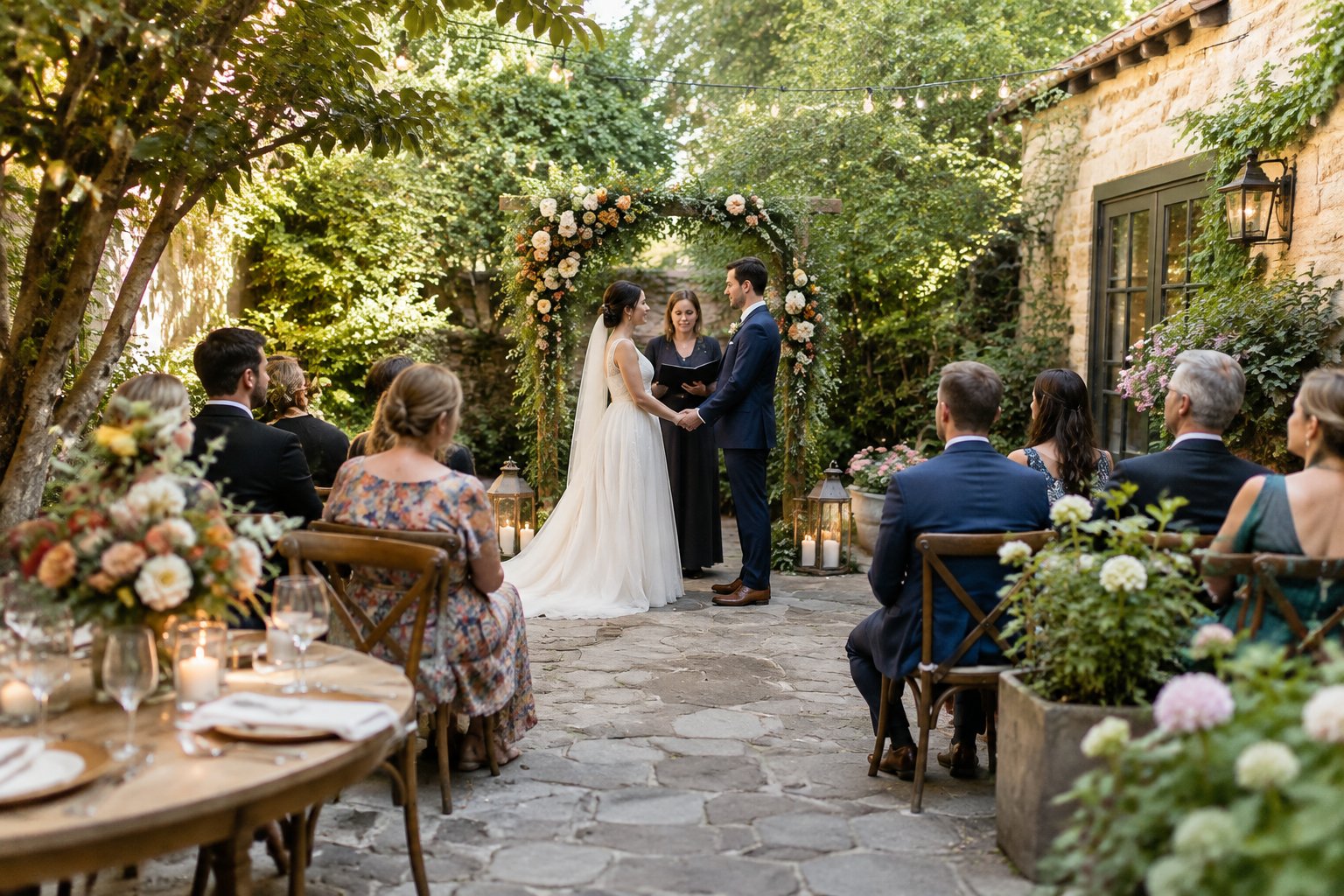
Start with your preferred area and a realistic guest-count range, then save a few promising listings to compare. You can explore intimate wedding venues on Zola and refine your search as you decide which details matter most.
How Do You Search Zola for a Small Wedding Venue?
Zola’s venue filters help you focus your search on places that fit your location, guest count, and budget. Before you browse, choose a few priorities, such as an indoor setting or a venue that provides food service.
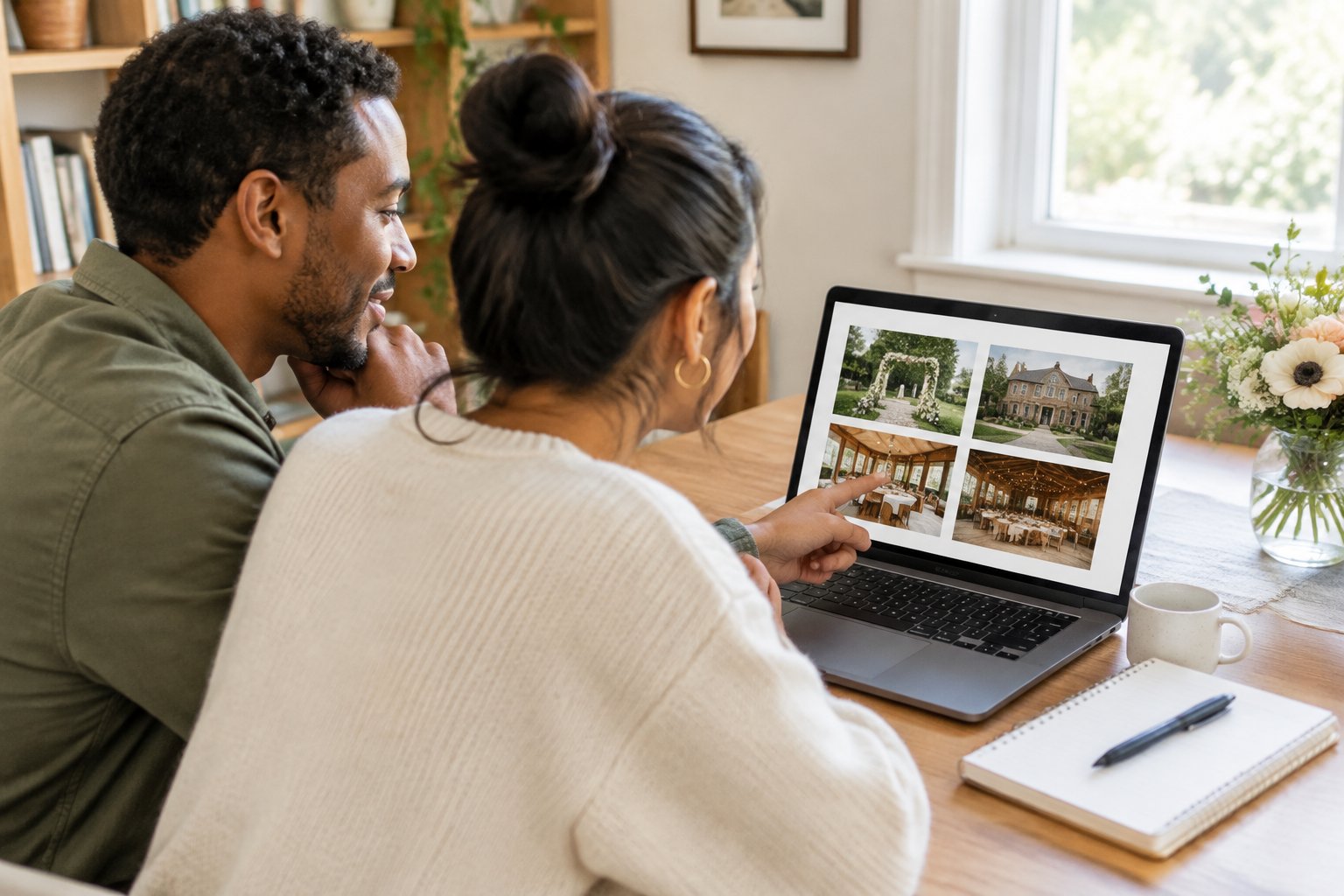
Which Filters Help Narrow Your Options?
Set your location first, then use filters for capacity, price, venue type, availability, or service level when they fit your plans. A tight search area and realistic budget range can help you focus on relevant listings.
If you have flexibility on the date, check availability across more than one day or season. Use listing photos and descriptions to build a shortlist, then contact venues to confirm details.
Venue information can change, and a listing may not answer every question about privacy, included rentals, or vendor rules.
What Guest Count Should You Set?
Set a guest-count range based on the people you expect to invite, then leave room for a few changes. A micro wedding usually has 50 or fewer guests, while a smaller minimony may include 10 or fewer.
Your final number can guide the venue capacity filter and help you avoid spaces that feel too large or crowded. If you are still narrowing your list, decide together which guests are essential before you request quotes. These tips on how to make a small wedding guest list can help you set a clear limit.
How Do Micro Weddings Differ From Elopements?
A micro wedding gives you a small guest list while keeping familiar parts of a larger celebration, such as a ceremony, meal, and reception. An elopement centers on the couple’s marriage, with a small number of guests or none; the format can be tailored to your plans.
Your choice affects how much event space, seating, and food service you need.
Which Venue Types Suit a Small Guest List?
Restaurants, inns, gardens, lofts, and private retreats give you a range of settings for an intimate celebration. Look for a space that suits your guest count and has room for the parts of the day you want to include.
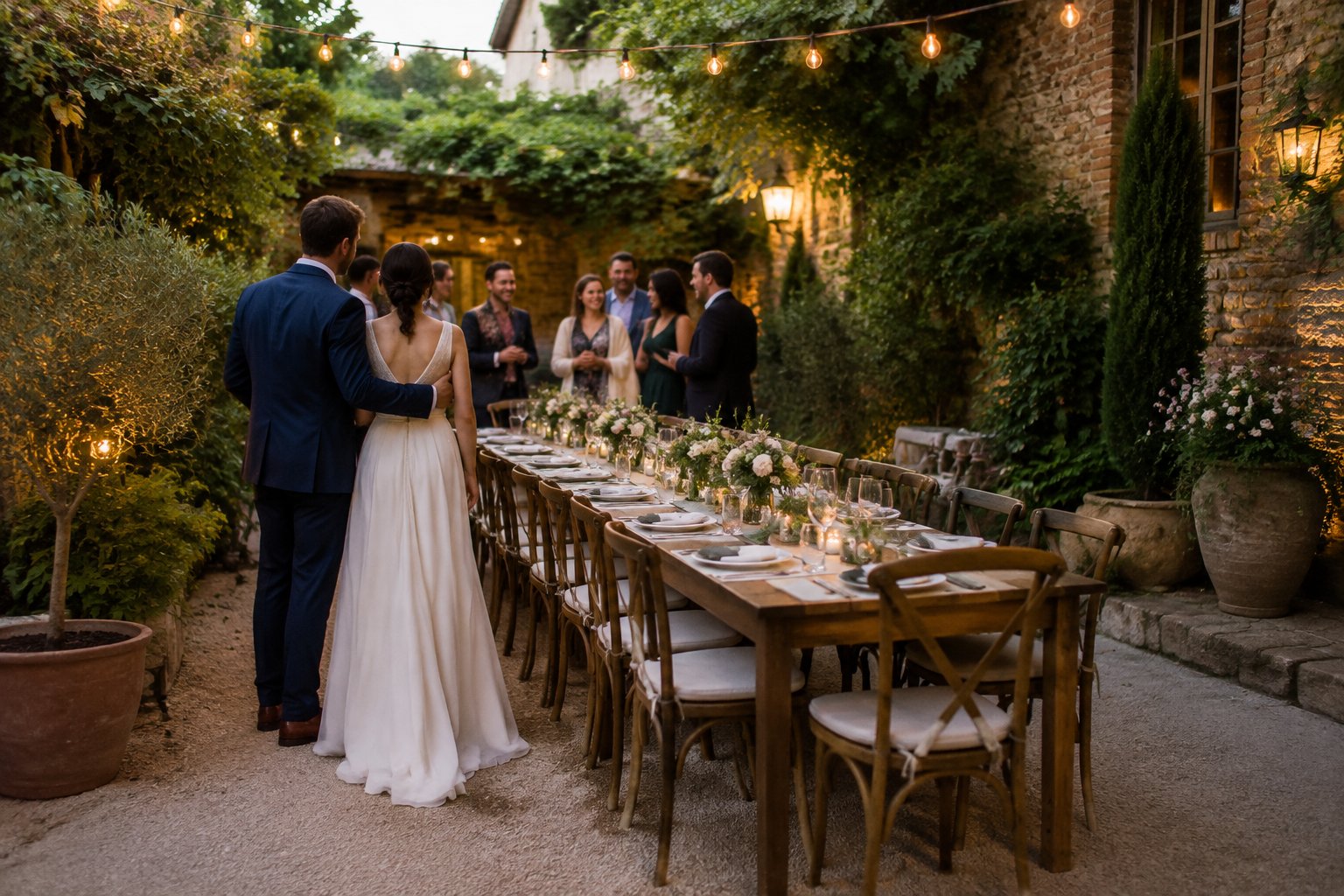
Could a Restaurant, Inn, or Boutique Hotel Work?
A restaurant can make sense when sharing a meal is central to your celebration. Ask whether you can reserve a private dining room or section, and check how the seating plan works for a toast or short ceremony.
You can also look at intimate wedding reception venues for spaces suited to a smaller gathering. An inn or boutique hotel may give you event space along with guest rooms or on-site food service.
Check whether the event room is private and what services come with the rental. Browse boutique wedding venues if you want a distinctive setting with a more personal feel.
What About Gardens, Lofts, and Private Retreats?
Gardens offer a natural backdrop and a comfortable fit for an outdoor ceremony or reception. Ask about indoor backup space, restroom access, lighting, and noise limits.
A loft can suit a city celebration with an open layout, while a private retreat may offer a quieter setting for time with your guests. You can compare garden wedding venues on Zola if an outdoor setting is on your list.
For any property with outdoor space, confirm how guests will move between the ceremony and reception areas. Check access for older guests and anyone who needs a step-free route.
Can a Larger Venue Offer a More Intimate Space?
Yes. A larger property may have a private dining room, garden, or smaller event suite that fits your guest count.
Ask which spaces are available for your date and whether other events will take place nearby. A well-sized room can feel welcoming when the tables, ceremony area, and guest seating fit comfortably.
What Should You Compare in Venue Listings?
Compare each venue’s capacity, layout, included items, and vendor rules before you decide which listings deserve a tour. A clear side-by-side comparison also helps you spot costs that a starting rental price may leave out.

How Do You Check Capacity and Layout?
Ask for the comfortable guest count for your planned setup, since a venue’s maximum capacity may assume a different layout. Request a floor plan that shows the ceremony space, dining tables, dance area, and paths between them.
Make sure the setup leaves enough room for guests to move around and for any traditions you want to include. If the venue has both indoor and outdoor areas, ask which spaces are included in your rental and whether they are private during your event.
Photos from past weddings can help you picture how the room works with a guest list close to yours.
Which Services and Rentals Are Included?
Ask whether the quoted fee includes tables and chairs, linens, setup, cleanup, or staff. Some venues provide these items; others charge for them separately or leave rentals to you.
Confirm the number of hours included and whether you can access the space for setup before guests arrive. Keep the written quote and contract together so you can check which services are included. This helps you compare a venue-only rental with a package that includes more of your event needs.
When Will You Need Outside Vendors?
You may need outside vendors when a venue rents the space without providing catering, rentals, or event services. Ask which vendors you can bring in, whether the venue has an approved list, and whether outside food or drinks are allowed.
Confirm any delivery, setup, or insurance rules before you book a vendor. If you want more services bundled together, compare all-inclusive wedding venues on Zola with venue-only options. Include vendor fees and rentals in your estimate so each quote reflects the same parts of the day.
How Much Should You Budget for a Venue?
Set a venue budget by comparing the full cost of hosting your event, including the rental fee, food, rentals, and any added charges. A smaller guest count can reduce some per-person expenses, while a special location or included services can shape the total.
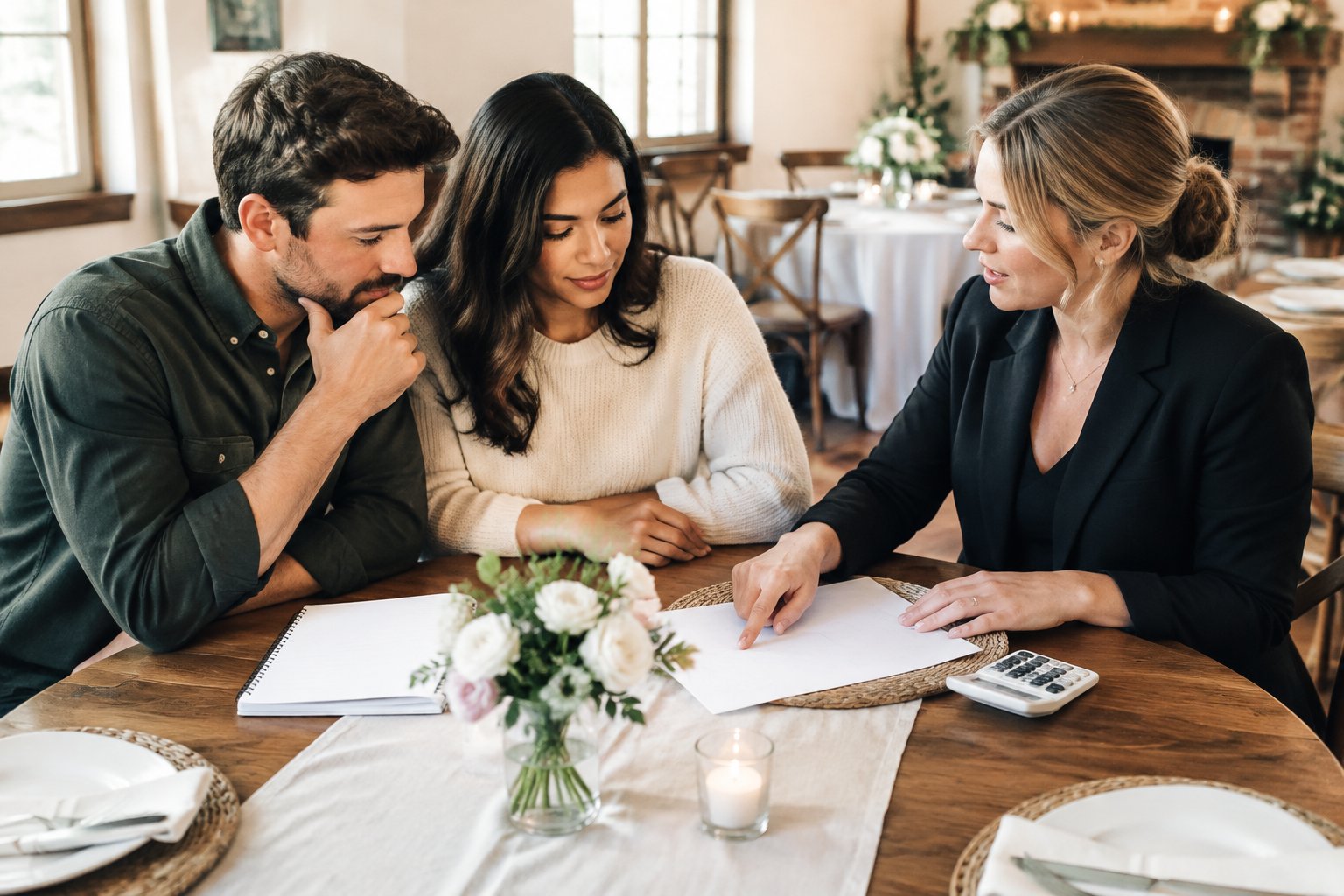
Which Costs Can Be Included in the Venue Fee?
Your venue fee may cover the space alone or include services such as tables, chairs, linens, catering, and staff. Ask about taxes, service charges, parking, setup time, overtime, and cleanup fees.
For an outdoor venue, include a weather backup plan and any tent or equipment rentals in your estimate. You can also consider how the venue fits within your full wedding budget. Write down each cost in the same categories for every venue so you can compare quotes clearly.
How Can You Compare Packages Fairly?
Compare packages by listing what each one includes, then add the cost of any services you would need to arrange separately. A lower rental price may cover only the room, while a higher package may include food, furniture, or staffing.
Ask each venue for an itemized quote and note any costs that depend on your final guest count. Review payment dates and cancellation terms before you sign. If your date is flexible, ask whether weekday or off-season pricing is available.
Are Micro-Wedding Packages a Good Value?
A micro-wedding package can be a good fit when its included services match your plans and the price works for your budget. Check the guest limit, menu choices, event length, and rental details.
A package with services you will not use may cost more than a simpler rental, so compare the full price against your own list of needs.
What Should You Ask Before Booking?
Before you book, confirm the date, event rules, total cost, and practical details that affect your guests and vendors. Get answers in writing so you can review them alongside the contract.
How Do Availability and Event Rules Affect Your Plans?
Ask whether your date is open and how long you can use the space. Popular dates can book well in advance, so decide whether you can consider a weekday or another season if your first choice is unavailable.
Confirm rules for music, decorations, candles, alcohol, and event end times. Read the contract for payment deadlines, cancellation terms, and any added fees. Ask who will be your main venue contact during planning and on the event day.
What Should You Confirm About Weather and Logistics?
For an outdoor ceremony, ask what happens in rain, high heat, or strong wind, and whether a backup space is included. Confirm when you can access the venue for setup and when cleanup must finish.
Check parking, restroom access, lighting, and the route between ceremony and reception spaces. If guests need transportation or have mobility needs, ask about accessible entrances and nearby drop-off points. Confirm how vendors will load in and where they can park before you sign.
When Might a Wedding Planner Be Helpful?
A wedding planner can help you coordinate vendors, timelines, setup, and questions across multiple venues. You may find that support useful when your venue requires outside rentals or when you are arranging several spaces for the day.
If you plan to speak with a planner, prepare your guest count, budget range, preferred date, and venue shortlist; these questions to ask before talking to a wedding planner can help you get started.
You can also ask the venue what its coordinator handles, since venue coordination and full wedding planning can cover different tasks. Get the roles and day-of support in writing before you book.